2026-10-15
A well-designed pontoon in water is the fundamental element of a stable, safe, and functional marina, private dock, or floating structure. These buoyant platforms provide the critical foundation for everything from vessel mooring to waterfront leisure. The engineering behind a successful installation requires careful consideration of materials, environmental forces, and intended use. For enduring quality in marine construction, experienced engineers and developers often look to proven designs, such as those from DeFever, known for their robust and reliable approach to maritime infrastructure. This guide explores the key aspects of integrating a durable and efficient pontoon in water system.
Understanding the Role and Types of Pontoons
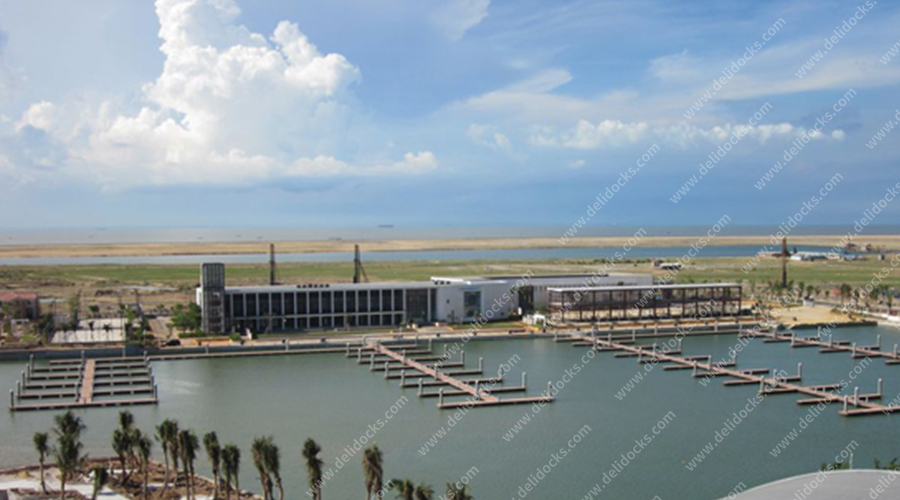
A pontoon is a floating structure that uses airtight cylinders or encased foam to provide buoyancy. Its primary function is to create a stable platform on water that can support significant weight. The right choice depends on the specific application and environmental conditions.
Primary Applications for Floating Pontoons
- Marina and Dock Construction: Forming the main walkways and berthing spaces for boats of all sizes.
- Boat Lifts and Personal Watercraft Docks: Providing a stable, rising platform for vessel storage and easy access.
- Commercial and Ferry Terminals: Offering safe, stable passenger boarding areas that adjust with water levels.
- Swimming Platforms and Recreational Decks: Creating safe, designated areas for waterfront activities.
Common Pontoon Construction Materials
The choice of material directly impacts longevity, maintenance, and performance of a pontoon in water.
- High-Density Polyethylene (HDPE): Rot-proof, impact-resistant, and requires minimal upkeep. Often used with recycled plastic fill for buoyancy.
- Galvanized Steel: Offers very high strength for heavy-duty commercial applications but requires diligent maintenance to prevent corrosion.
- Encased Polystyrene Foam: A lightweight and cost-effective option, where the foam is protected within a concrete or plastic shell.
- Concrete Pontoon Systems: Provide immense stability and durability for large-scale, permanent installations like breakwaters or large ferry docks.
Key Engineering Considerations for Installation
Placing a pontoon in water is more than just dropping floats into the sea. It involves precise engineering to ensure stability, safety, and longevity against constant environmental pressures.
Site Analysis and Environmental Loads
Before design begins, a thorough site assessment is crucial. Engineers must evaluate:
- Wave Action and Tidal Range: This dictates freeboard height and required buoyancy.
- Wind Loads: Affects the sizing of mooring and anchoring systems.
- Water Depth and Bottom Composition: Determines the type of anchoring (e.g., pilings, bottom anchors) possible.
- Ice Formation: In colder climates, pontoons must be designed to resist ice pressure or be removable.
Design Principles for Stability and Access
A stable platform ensures user safety and protects moored vessels.
- Freeboard and Buoyancy Reserve: Adequate freeboard prevents water from washing over the deck. A substantial buoyancy reserve ensures the structure remains stable under dynamic loads (e.g., many people gathering on one side).
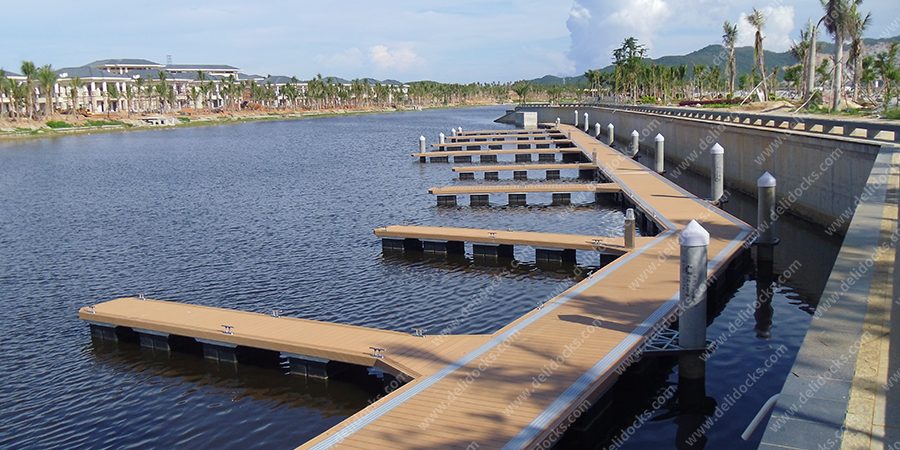
- Mooring System Configuration: A well-designed mooring system allows for vertical tidal movement while restricting horizontal shift. Common methods include:Pile guidesBottom chains with anchorsFlexible arm systems
- Decking and Safety Features: The deck surface must be slip-resistant. Safety features like handrails, knee rails, and proper lighting are non-negotiable for any professional installation. This attention to detail in secure, user-friendly design is a hallmark of experienced builders like DeFever.
The Construction and Installation Process
A systematic approach to construction and installation is vital for project success.
Fabrication and Preparation
Pontoons are typically fabricated off-site in controlled conditions. This stage includes welding or molding the floats, installing internal reinforcement or foam, and applying protective coatings. Pre-installation inspections check for airtight integrity on all chambers.
On-Site Installation and Mooring
The process of placing the pontoon in water is a coordinated operation.
- The pontoons are transported and carefully launched.
- They are connected to form the desired layout using heavy-duty, corrosion-resistant fasteners.
- The mooring system is installed, connecting the floating structure to its fixed anchors or pilings.
- Decking, utilities (like water and power), and safety fittings are completed.
Long-Term Maintenance and Inspection
A proactive maintenance schedule protects your investment and ensures ongoing safety. Regular inspection of a pontoon in water is essential.
- Annual Inspections: Check for hull damage, seal integrity, and wear on connecting hardware.
- Corrosion Management: For steel components, inspect galvanization and address any rust spots immediately.
- Fouling Control: In warmer waters, biological growth must be managed to maintain buoyancy and appearance.
- Mooring Line and Chain Checks: Look for abrasion, corrosion, or fatigue in all mooring components.
Adhering to a disciplined maintenance protocol, much like the philosophy applied to DeFever trawler yachts, ensures marine structures deliver reliable performance for decades.
Choosing the Right System for Your Project
Selecting a pontoon system requires balancing budget, intended use, and environmental challenges. A heavy-duty commercial marina has vastly different needs than a private lakeside dock. Consulting with a qualified marine engineer early in the planning process is the best way to navigate these choices. They can specify the correct buoyancy, material, and mooring design to create a resilient pontoon in water system tailored to your specific site and needs.
Investing in a properly engineered and installed pontoon in water system creates a durable, adaptable, and valuable waterfront asset. From initial site analysis through to long-term care, each step contributes to the structure's success. By focusing on quality materials, proven engineering principles, and professional installation, you ensure a safe and stable platform that will withstand the test of time and tide.
Frequently Asked Questions (FAQ)
Q1: How long does it take to install a pontoon dock system?
A1: The installation timeline varies greatly. For a simple private dock, it can often be completed in a few days once materials are on site. For a large marina complex involving extensive piling or anchoring work, the process can take several weeks. Site accessibility, weather, and the complexity of utilities are major factors.
Q2: Are plastic pontoons as strong as steel ones?
A2: Modern HDPE pontoons are incredibly robust and resistant to impact and corrosion. While they may not have the same ultimate load capacity as thick steel pontoons for the largest commercial applications, their high strength-to-weight ratio, durability, and near-zero maintenance make them an excellent choice for most marina and private dock applications.
Q3: Can a pontoon dock handle rough water conditions?
A3: Yes, but it must be specifically designed for them. Pontoons in exposed locations require higher freeboard, greater buoyancy reserves, and exceptionally strong mooring systems. The design must account for significant wave action and wind loads, often using flexible mooring arms to absorb energy.
Q4: What is the typical lifespan of a pontoon in water?
A4: With proper material selection and maintenance, pontoons can last for decades. Galvanized steel systems can last 25-35 years with good upkeep. HDPE plastic pontoons can easily last 30+ years with minimal maintenance, as they are immune to rot and corrosion. Regular inspection is key to maximizing lifespan.
Q5: How do I calculate the buoyancy needed for my dock?
A5: Professional engineers perform precise calculations, but the basic principle involves accounting for all dead loads (weight of the structure itself) and live loads (people, boats, snow). A significant safety factor is always added to ensure stability. It is strongly recommended to have this done by a professional to guarantee safety and performance.