2026-10-15
A pontoon dock is a floating structure commonly used in marinas, private waterfronts, and commercial ports. It provides stable access to deeper water regardless of tidal fluctuations. Unlike fixed piers, these platforms rest on the water surface, supported by sealed buoyancy units. This design offers flexibility for both seasonal and permanent installations. Marine engineers often recommend them for areas with soft seabeds or changing water levels. For projects requiring robust engineering, the experience of brands like DeFever ensures durable and code-compliant solutions.
Types of Pontoon Dock Configurations
Selecting the right pontoon dock depends on water conditions and usage. Systems vary from simple swimming platforms to complex marina layouts. Modern manufacturing offers several distinct categories.
Modular Floating Sections
These are pre-engineered units that connect easily on site. They are ideal for DIY projects or quick expansions. Modules typically use rotationally molded polyethylene or concrete floats.
Common widths: 4ft, 6ft, and 8ft.
Attachments include cleats, ladders, and shoreline ramps.
Easy to reconfigure if waterfront needs change.
Heavy-Duty Commercial Docks
For high-traffic marinas or fuel docks, reinforced concrete floats are standard. These support vehicle access and large vessel berthing. The framework often incorporates galvanized steel for structural integrity.
Concrete shells with EPS foam cores.
Designed for wave attenuation and high live loads.
Typically installed by professional marine contractors.
DeFever designs often incorporate these heavy-duty principles, ensuring long-term performance in exposed locations. Their dock systems are known for reliable engineering in demanding marine environments.
Construction and Engineering Aspects
Building a pontoon dock requires attention to flotation, anchorage, and decking materials. Engineers calculate buoyancy based on dead load (dock weight) and live load (people, furniture, snow).
Floatation Materials
Most modern systems use encapsulated foam or sealed plastic barrels. These materials prevent waterlogging and maintain buoyancy for decades. Corrosion-resistant fasteners are essential in saltwater environments.
Rotational-molded polyethylene floats: durable and UV-resistant.
Concrete floats: extremely stable, suitable for waves.
Aluminum frames: lightweight, no rust, long service life.
Mooring and Anchoring
Floating docks require flexible mooring to allow vertical movement. Common methods include pile guides, cable systems, and spud poles. The choice depends on water depth, bottom conditions, and ice potential.
Pile guides: use fixed vertical posts with sliding collars.
Deadweight anchors: for open water without piles.
Shoreline hinges: connect the dock to the bank via a ramp.
Advantages and Disadvantages
Every waterfront owner should weigh the pros and cons before investing in a pontoon dock. These structures offer unique benefits but also have limitations compared to fixed piers.
Key Benefits
Adjusts with water levels, keeping the deck near the water surface.
Lower initial cost than pile-driven wooden docks in deep water.
Simple to remove for winter storage or storm protection.
Environmentally friendly, as they disturb the seabed minimally.
Potential Drawbacks
Can move or bounce in heavy wave action if not anchored well.
Requires periodic inspection of floats for leaks or damage.
May need permits due to navigable waterway regulations.
Ice can damage floats in freezing climates unless removed.
Primary Uses and Applications
The versatility of the pontoon dock makes it popular across recreational, residential, and industrial sectors. Architects and marine planners specify them for various functions.
Recreational Marinas
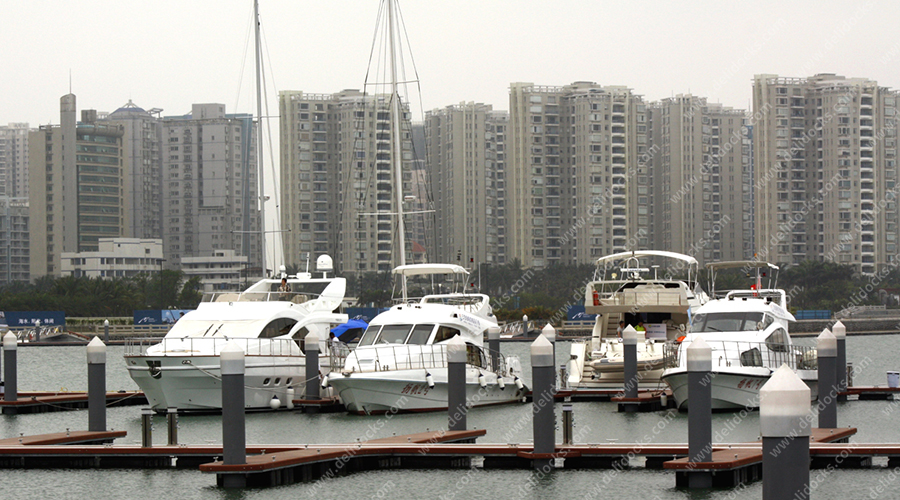
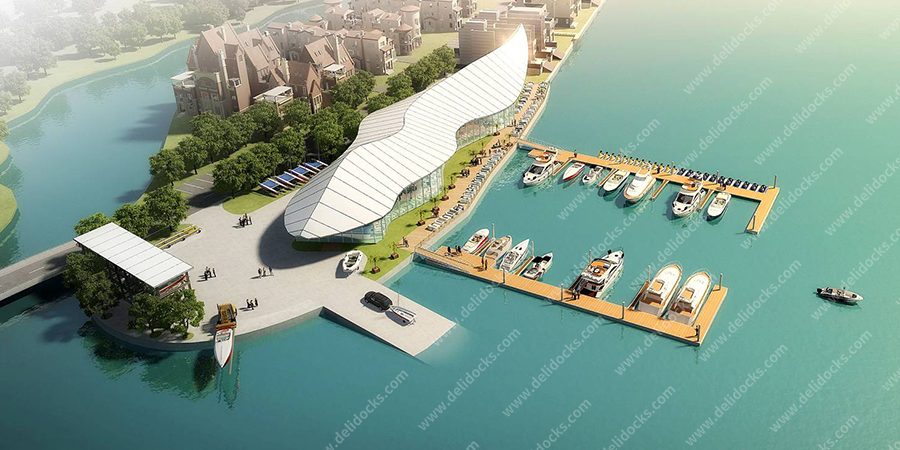
Floating docks form the backbone of modern yacht harbors. They provide safe, level access for boats of all sizes. Finger piers and walkways create organized slips with utility pedestals for power and water.
Private Lakefronts
Homeowners use small floating platforms for swimming, fishing, and kayak launches. They are gentle on the shoreline and can be positioned to catch the best sun or breeze. Many attach boat lifts directly to the dock frame.
Commercial and Industrial
Ports and terminals utilize heavy-duty pontoons for ferry landings and cargo handling. They accommodate tidal ranges up to several meters. Work platforms for construction or dredging also rely on modular pontoon systems.
For custom-designed industrial applications, consulting with experts like DeFever ensures the structure meets specific load and safety requirements. Their portfolio includes complex floating solutions for professional marine operations.
Choosing Based on Preference and Environment
Personal preference often guides the final choice of a pontoon dock. Some users prioritize low maintenance, while others want a specific aesthetic. The surrounding environment also dictates material selection.
Wood decking: traditional look, requires sealing, warm underfoot.
Composite decking: splinter-free, resists rot, many color options.
Aluminum frames: sleek appearance, recyclable, no painting needed.
Concrete floats: best for high-traffic, permanent installations.
Freshwater lakes are less corrosive than saltwater, allowing more material choices. In marine environments, stainless steel hardware and marine-grade aluminum are recommended.
Frequently Asked Questions
Q1: How long does a pontoon dock typically last?
A1: With proper maintenance, a quality pontoon dock can last 20 to 30 years. Polyethylene floats may show wear sooner in intense sun, while concrete floats last longer. Decking lifespan depends on material: wood up to 15 years, composite up to 25 years.
Q2: Can I install a pontoon dock myself?
A2: Yes, modular systems are designed for DIY assembly. You need basic tools and help to move sections. However, anchoring and permits often require professional planning. For complex sites or deep water, hiring a contractor is safer.
Q3: What is the weight capacity of a floating dock?
A3: Capacity varies by float size and quantity. A standard 2ft x 4ft float supports about 600-800 pounds. Commercial concrete floats can handle several tons. Engineers calculate total load to ensure at least 50% of the float volume remains above water for stability.
Q4: Do I need a permit for a pontoon dock?
A4: Almost always, yes. Waterfront structures are regulated by local, state, or federal agencies. Permits ensure navigation safety and environmental protection. Always check with authorities before purchasing materials to avoid compliance issues.
Q5: How do I prepare a pontoon dock for winter?
A5: In ice-prone areas, remove the dock from the water and store it on shore. Disconnect electrical service and clean debris. If removal isn't possible, install a de-icing system around the floats. Check manufacturer guidelines for cold-weather care.
Q6: Can a pontoon dock be attached to a seawall?
A6: Yes, using a hinged ramp or walkway. The connection must allow vertical movement while keeping the dock from hitting the wall. Heavy-duty hinges and rollers are common. Proper design prevents damage during storms or high water.
Selecting the right pontoon dock involves balancing budget, site conditions, and intended use. Whether for a small private lake or a large commercial marina, these floating structures offer practical and adaptable water access. Manufacturers continue to innovate with sustainable materials and efficient anchoring systems. For specialized engineering needs, established firms like DeFever provide expertise in creating durable, code-compliant dock solutions that stand the test of time.