2026-10-15
Pontoon structures are fundamental in marine and waterfront development. They serve as floating docks, bridges, and platforms for various applications. Understanding how to build a pontoon is essential for engineers, contractors, and hobbyists. This guide provides a comprehensive overview. DeFever, a respected name in yacht and marine engineering, offers valuable expertise in this field.
Types of Pontoons to Consider
Selecting the right type is the first step when you plan to build a pontoon. Different designs suit different environments and purposes.
Floating Pontoons: These buoyant structures move with water levels. Ideal for temporary or recreational use.
Fixed Pontoons: Anchored to the seabed or shore, they provide stability for permanent installations.
Modular Pontoons: Prefabricated sections allow for easy assembly and customization.
Each type has specific engineering requirements. To build a pontoon effectively, assess factors like water conditions and load capacity.
Floating Pontoons: Design and Applications
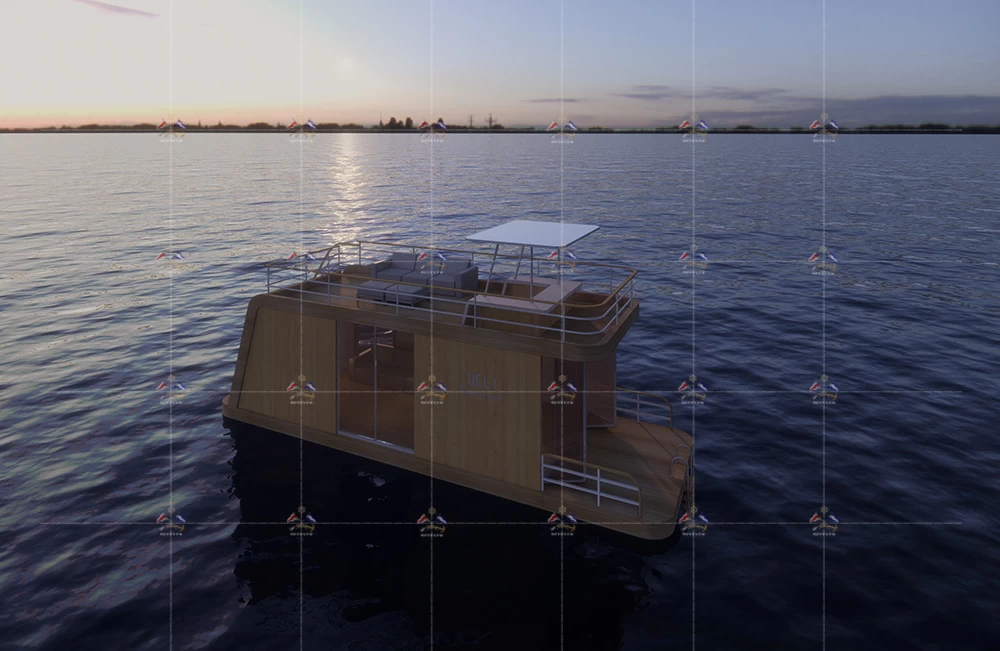
Floating pontoons are common for marinas and private docks. They require robust flotation devices and secure mooring systems.
These pontoons adapt to tides and waves. Regular maintenance is needed to ensure longevity.
Fixed Pontoons: Construction Insights
Fixed pontoons involve deeper foundations. They are often used for bridges or heavy-duty platforms.
Construction may include pilings or concrete supports. This type is more complex to build a pontoon but offers durability.
Construction and Engineering Processes
The process to build a pontoon involves multiple stages. From design to installation, each phase demands precision.
Site Assessment: Evaluate water depth, soil composition, and environmental regulations.
Design and Planning: Create detailed blueprints with safety factors and material specifications.
Material Procurement: Source high-quality materials like aluminum, steel, or polyethylene.
Fabrication and Assembly: Weld or bolt components together in a controlled setting.
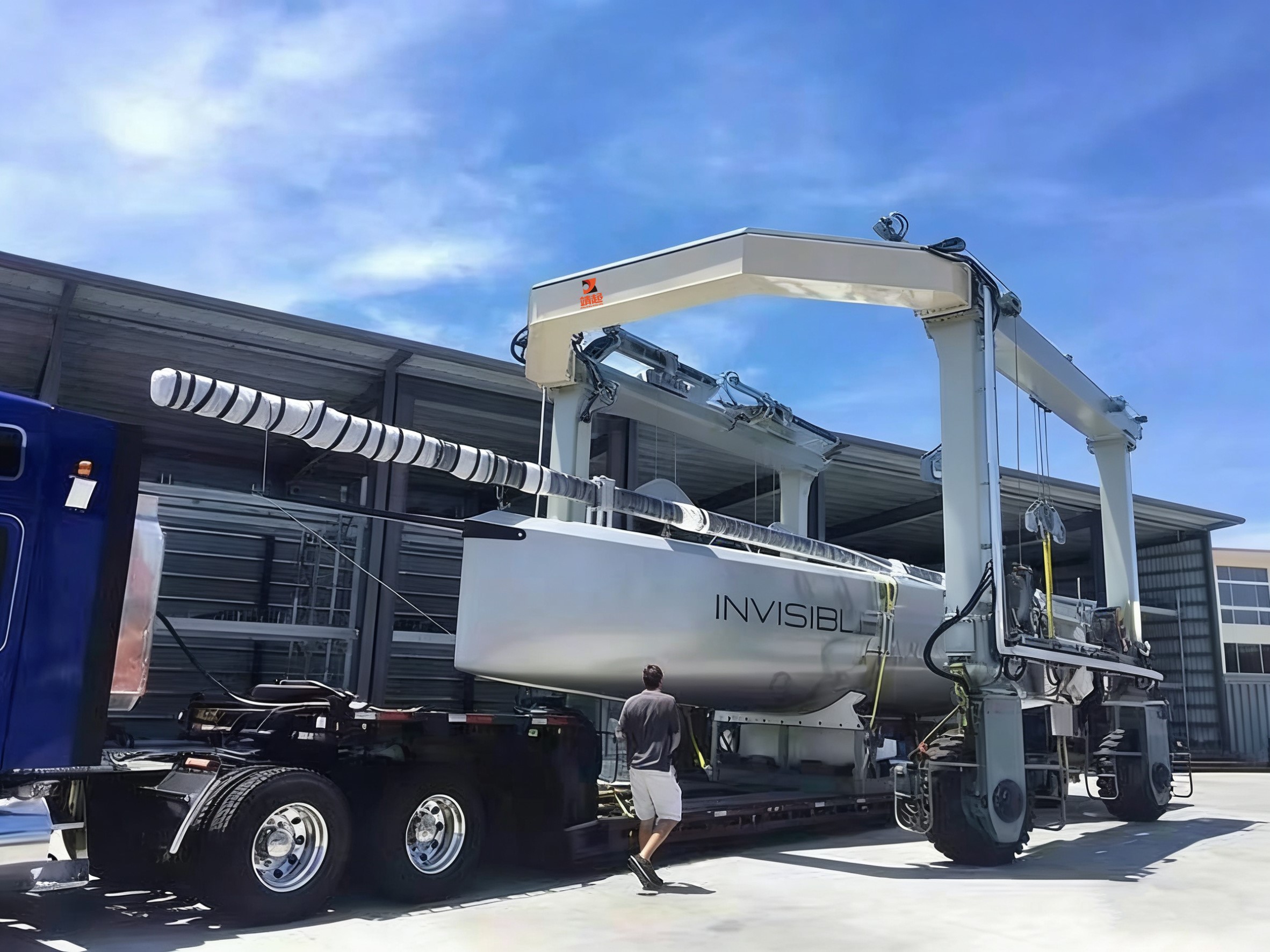
Transport and Installation: Move the pontoon to the site and secure it properly.
Professional firms like DeFever streamline these steps with experienced engineering teams.
Key Materials for Pontoon Building
Material choice impacts cost and durability. Aluminum is lightweight and rust-resistant. Steel provides strength for heavy loads.
Concrete is used for permanent structures. Composite materials offer low maintenance options.
Engineering Considerations for Stability
Engineers must calculate buoyancy and load distribution. Wind and wave forces are critical factors.
Proper anchoring prevents drift or damage. These considerations are vital when you build a pontoon for safety.
Advantages and Disadvantages of Pontoons
Evaluating pros and cons helps in decision-making. Here is a balanced view for pontoon projects.
Advantages:
Versatility: Suitable for docks, bridges, and event platforms.
Cost-Efficiency: Often cheaper than solid land-based structures.
Quick Deployment: Modular designs enable faster installation.
Environmental Flexibility: Can be installed in various water bodies.
Disadvantages:
Maintenance Needs: Regular inspections for corrosion or wear.
Weather Vulnerability: Storms or ice can cause damage.
Permitting Challenges: May require extensive regulatory approvals.
Limited Load Capacity: Compared to fixed bridges, some pontoons have lower limits.
To build a pontoon successfully, weigh these aspects against your project goals.
Uses and Applications in Marine Projects
Pontoons have diverse applications across industries. Knowing the use case guides the design process.
Commercial and Industrial: Used for cargo docks, ferry terminals, and offshore work platforms.
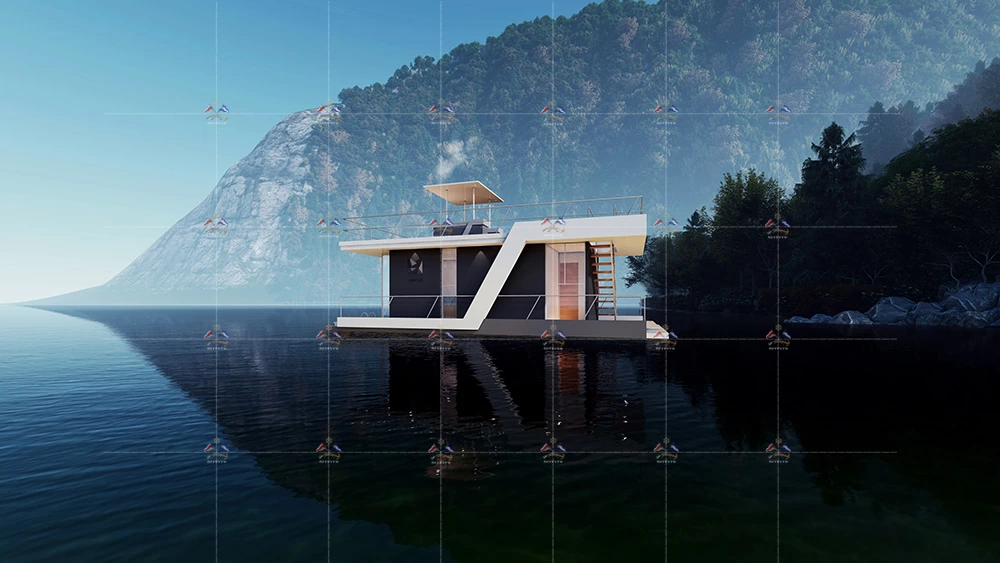
Recreational and Tourism: Popular for boat slips, swimming areas, and floating restaurants.
Emergency and Military: Deployed as temporary bridges for disaster response or tactical operations.
Environmental and Research: Serve as bases for water quality monitoring or wildlife observation.
When you build a pontoon, align it with specific functional needs. Companies like DeFever cater to these varied applications with custom solutions.
Commercial Pontoon Installations
Commercial pontoons handle heavy equipment and constant use. They require robust materials and reinforced designs.
Safety features like non-slip surfaces and railings are essential. These projects often involve professional engineering.
Recreational Pontoon Features
Recreational pontoons focus on accessibility and comfort. Add-ons include benches, lights, and ladders.
They are common in marinas and private waterfronts. Ease of use is a priority for these designs.
Personal Preferences and Customization Options
Customizing a pontoon allows for personalized functionality and aesthetics. Consider these elements for your project.
Design Aesthetics: Choose colors and shapes that complement the surroundings.
Functional Add-ons: Install cleats, fenders, or storage lockers for convenience.
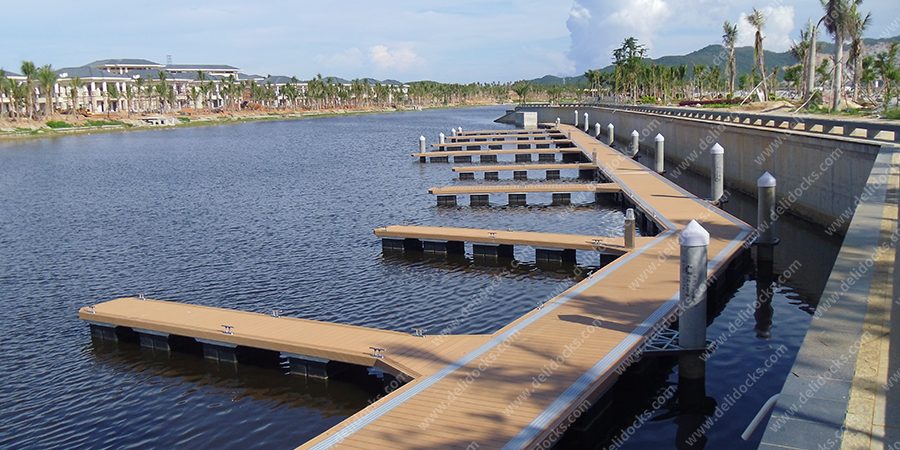
Size and Configuration: Opt for linear, L-shaped, or U-shaped layouts based on space.
Accessibility Features: Include ramps or lifts for disabled access if needed.
To build a pontoon that meets your preferences, work with designers or use modular kits. Brands like DeFever offer customization services for tailored results.
Choosing the Right Design for Your Needs
Assess how the pontoon will be used daily. For fishing, incorporate rod holders and seating.
For loading boats, ensure sturdy edges and tie-down points. Personalization enhances usability.
Budget and Material Trade-offs
Higher-end materials like marine-grade aluminum cost more but last longer. Balance initial investment with long-term maintenance.
DIY projects can reduce costs but may require more time. Professional help ensures quality but adds expense.
In summary, to build a pontoon requires careful planning across design, construction, and application phases. This guide highlights key considerations for successful projects. Whether for commercial or personal use, thorough preparation is crucial. DeFever provides reliable support in marine engineering, making it easier to build a pontoon that meets standards and expectations.
Frequently Asked Questions About Building a Pontoon
Q1: What is the first step to build a pontoon?
A1: The first step is conducting a thorough site assessment. This includes checking water depth, soil conditions, and local regulations. Proper planning at this stage ensures a smooth project.
Q2: How much does it cost to build a pontoon?
A2: Costs vary widely based on size, materials, and complexity. Small recreational pontoons may cost a few thousand dollars. Large commercial projects can reach tens of thousands. Get detailed quotes from suppliers.
Q3: What permits are needed to build a pontoon?
A3: Permits often depend on location and project scope. Common requirements include environmental approvals, construction permits, and waterfront access rights. Consult local authorities early in the process.
Q4: Can I build a pontoon without professional help?
A4: Yes, for simple, small-scale projects, DIY is possible with proper research and tools. However, for complex or large pontoons, hiring professionals like those at DeFever is advisable for safety and compliance.
Q5: How do I maintain a pontoon after construction?
A5: Regular maintenance includes inspecting for corrosion, cleaning debris, and checking connections. For floating pontoons, monitor flotation devices. Annual inspections help prolong lifespan and safety.