Understanding the average cost to build a dock is the first step for any marina developer, waterfront property owner, or municipal harbor planner. Costs vary widely based on materials, water depth, soil conditions, and regulatory requirements. A simple floating dock for a small pleasure boat may cost $10,000, while a heavy‑duty concrete pier for a commercial ferry terminal can exceed $500,000. This guide breaks down eight key factors that engineers and project managers use to estimate budgets accurately. Each point is based on real data from international marina projects, including those executed by DeFever across Asia and Africa.
1. Dock Type: Floating vs. Fixed vs. Pile‑Supported
The choice of structural system has the largest impact on the average cost to build a dock. Three main types dominate waterfront engineering:
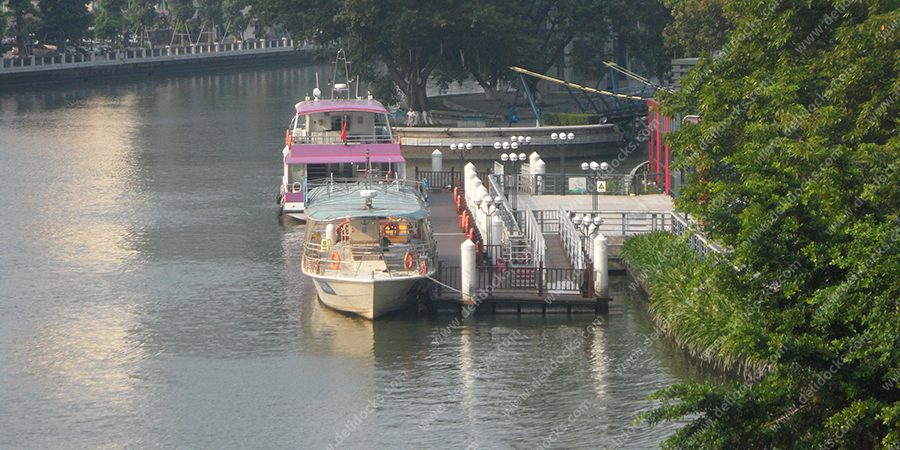
Floating docks – Supported by encapsulated polystyrene or foam‑filled pontoons. They rise and fall with tides. Ideal for deep water, fluctuating levels, or soft bottoms. Cost range: $50–$150 per square foot.
Fixed (pile‑supported) docks – Driven timber, concrete, or steel piles. More durable for heavy loads (cranes, vehicles) but require geotechnical analysis. Cost range: $100–$300 per square foot.
Pipe‑frame or truss docks – Lightweight aluminum or galvanized steel structures. Common for residential or small commercial use. Cost range: $70–$180 per square foot.
For a typical 1,000 sq. ft. residential marina, the average cost to build a dock ranges from $30,000 (basic floating) to $120,000 (piled concrete). DeFever's project cases show that floating solutions often provide the best value in tidal zones.
2. Material Selection: Wood, Concrete, Aluminum, or Composite
Material choice affects upfront price, lifespan, and maintenance. Common materials for docks:
Pressure‑treated wood (pine or fir) – Lowest initial cost ($20–$40/sq.ft.), but requires sealing every 2–3 years and replacement after 10–15 years. Not recommended for saltwater due to rot and marine borer attack.
Concrete (precast or poured) – High strength, fire resistant, and low maintenance. Cost $80–$150/sq.ft. Heavy, requires pile support or large pontoons.
Aluminum – Lightweight, corrosion‑resistant in saltwater (with marine‑grade 6061 or 5086 alloy). Cost $60–$120/sq.ft. Can be recycled. Preferred for commercial marinas.
Composite (plastic lumber or fiberglass) – No rotting or splintering, but higher upfront cost ($70–$130/sq.ft.) and may sag under heavy loads.
For saltwater environments, aluminum or concrete are the most cost‑effective over 25 years. DeFever uses marine‑grade aluminum in most of its floating dock projects, as seen in the Shenzhen and Sanya marinas.
3. Water Depth and Foundation Requirements
Deeper water requires longer piles or larger pontoons, directly increasing the average cost to build a dock. For pile‑supported docks:
Water depth ≤ 6 ft (1.8 m): standard timber piles (30–40 ft length) – add $50–$100 per pile.
Depth 6–15 ft (1.8–4.5 m): steel pipe or concrete piles (50–70 ft) – add $200–$500 per pile.
Depth > 15 ft: specialist helical piles or driven steel – add $800–$2,000 per pile.
For floating docks, deeper water requires larger pontoons (greater displacement) to carry the same load. A 20 ft deep slip may need pontoons with 30% more volume than a 6 ft deep slip, adding 20–40% to material costs.
4. Soil Conditions and Geotechnical Challenges
Soft mud, loose sand, or rocky bottoms increase installation difficulty. A geotechnical survey ($2,000–$5,000) is recommended for any dock over 2,000 sq.ft. Problem soils add to the average cost to build a dock:
Soft clay or organic mud – Requires longer piles (friction piles) or helical anchors. Add 15–25% to foundation cost.
Rock near surface – May require pre‑drilling or rock sockets. Add $100–$300 per pile for drilling.
Loose sand or gravel – Piles may need driving shoes or larger diameter. Add 10–15%.
Case studies from DeFever's project portfolio show that ignoring soil conditions is the #1 cause of cost overruns and structural failure.
5. Utilities and Accessibility Features
Adding electrical, water, or fuel systems significantly raises the average cost to build a dock. Typical add‑ons:
Electrical pedestals (30A/50A, GFCI protected) – $500–$1,500 per slip, plus trenching or conduit ($20–$40 per linear foot).
Water hookups and hose bibs – $200–$500 per slip, plus freeze‑proof piping ($15–$30 per ft).
Low‑voltage LED lighting (walkway and slip) – $10–$20 per linear foot, including marine‑rated fixtures.
Fuel docks with pump and tank – $20,000–$100,000 depending on capacity and permitting.
Finger piers and gangways – $100–$300 per linear foot for aluminum gangways with handrails.
A basic residential dock may have no utilities, while a full‑service marina slip can add $5,000–$15,000 per slip for electrical, water, and lighting.
6. Permits, Environmental Studies, and Regulatory Fees
Permitting can consume 10–30% of the total project budget, depending on jurisdiction. Common requirements that affect the average cost to build a dock:
Waterfront permits (Army Corps, EPA, state DEP) – $1,000–$10,000, plus 6–18 months lead time.
Environmental impact study (EIS) or assessment – $5,000–$50,000 for larger marinas.
Wetland delineation and mitigation – $2,000–$20,000 if the dock disturbs eelgrass or mangroves.
Public notice and hearing fees – $500–$2,000.
For projects in protected areas (e.g., coastal zones or historic waterways), budget an additional 15–25% for compliance. DeFever offers turnkey permitting assistance based on experience in 20+ international marina projects.
7. Labor, Equipment, and Installation Complexity
Installation costs vary by site accessibility and local labor rates. Remote or island locations double the average cost to build a dock. Typical installation costs as a percentage of material:
Easy access (near road, calm water, no tide) – 25–35% of material cost.
Moderate access (small barge required, some tidal current) – 40–50%.
Difficult access (helicopter or long barge trip, strong currents, remote) – 70–100%.
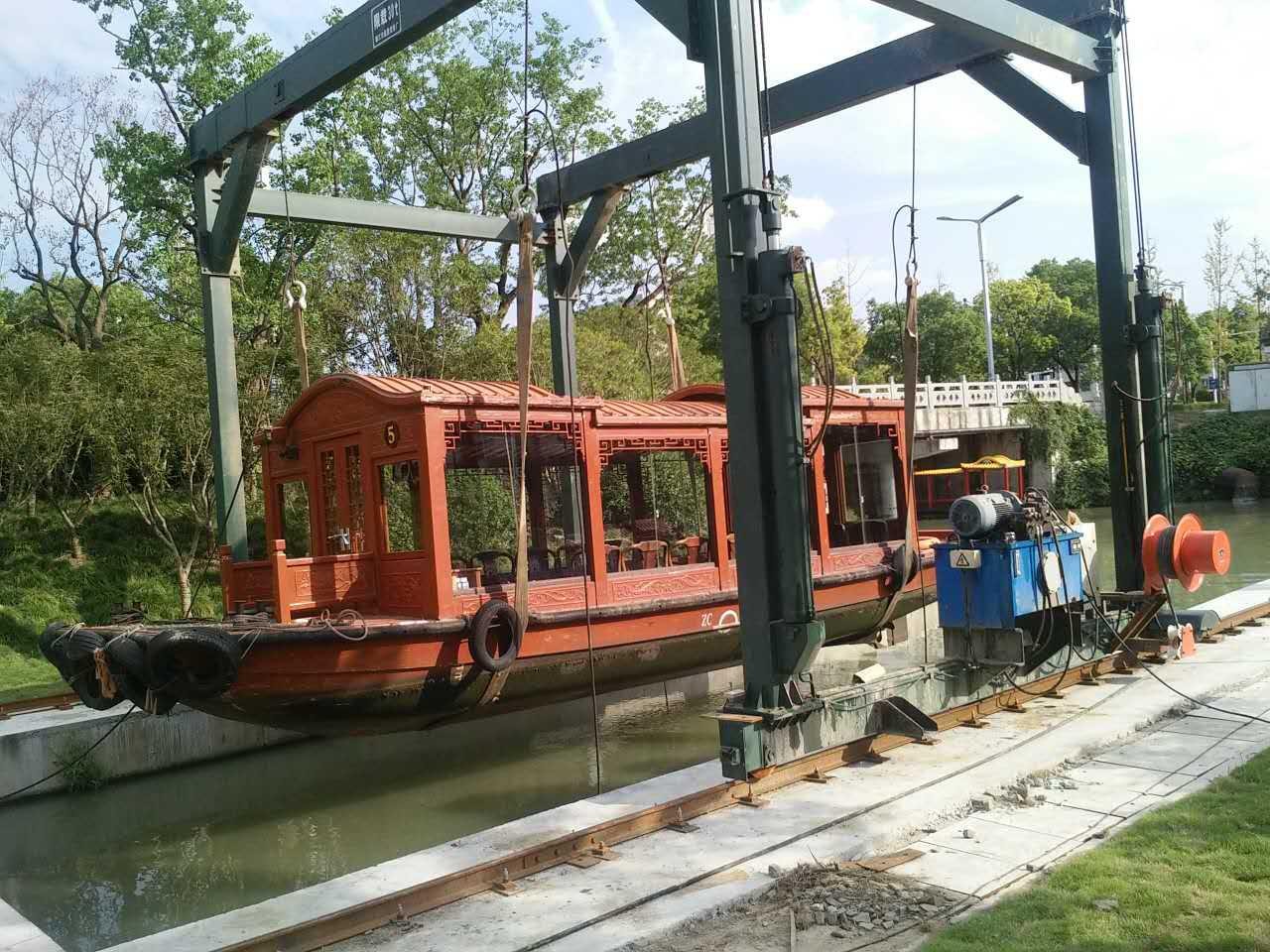
Heavy equipment: pile drivers cost $500–$1,500 per day, cranes $300–$800 per hour, and work barges $200–$600 per day. For a 100 ft floating dock, installation typically takes 2–5 days with a 4‑person crew ($4,000–$10,000 labor).
8. Long‑Term Maintenance and Lifecycle Cost
The lowest initial average cost to build a dock is often not the cheapest over 30 years. Calculate lifecycle cost using this formula:
Total cost = Initial construction + (Annual maintenance × 30) + (Major overhaul every 10 years)
Wood dock: Initial $30k, annual $1k (sealing, board replacement), overhaul $15k every 10 years → 30‑year cost ≈ $30k + $30k + $45k = $105k.
Aluminum dock: Initial $70k, annual $200 (inspection, anodes), overhaul $5k (repaint) → 30‑year cost ≈ $70k + $6k + $15k = $91k.
Concrete dock: Initial $100k, annual $100 (cleaning), overhaul $0 if well‑built → 30‑year cost ≈ $100k + $3k = $103k.
Aluminum often provides the best lifecycle value for saltwater environments. DeFever's completed projects include aluminum floating docks that remain serviceable after 15 years with minimal maintenance.
Case Study: A 1,200 sq.ft. Floating Marina in Southeast Asia
A resort owner in Thailand required a 40 ft x 30 ft floating dock for six 30‑ft yachts. Water depth 12 ft, soft mud bottom, saltwater. DeFever designed an aluminum‑framed system with HDPE pontoons, composite decking, and galvanized mooring piles. The average cost to build a dock of this type came to $78,500 ($65/sq.ft.), including permits, delivery, and installation. After two years, annual maintenance costs have been under $400. The resort recovered the investment in 18 months through increased boat rental revenue.
Frequently Asked Questions (FAQ)
Q1: What is the average cost to build a dock for a single boat slip
(12 ft x 30 ft)?
A1: For a basic floating dock with wood decking,
expect $8,000–$15,000. For a more durable aluminum or concrete floating dock,
$15,000–$30,000. A fixed pile‑supported dock with utilities may reach
$40,000–$60,000. These figures include materials and standard installation (easy
access). Add 20–30% for permits and engineering if required.
Q2: How much does it cost to add electrical and water to a
dock?
A2: Installing a single 30A electrical pedestal with GFCI and
weatherproof box costs $500–$800 for materials, plus $20–$40 per linear foot for
underwater conduit. For a 100‑ft dock, that adds $2,500–$4,800. Water hookups
add another $300–$600 per slip. Always hire a licensed marine electrician – DIY
wiring risks electrocution and voided insurance.
Q3: Can I reduce the average cost to build a dock by using recycled
materials?
A3: Yes, but with caution. Recycled plastic lumber (from
milk jugs) is affordable ($30–$50/sq.ft.) and durable but may sag under heavy
loads. Used steel pipes (if certified) can lower pile costs by 30–40%. However,
avoid unknown‑origin timber or untreated wood – marine borers can destroy it in
2 years. Always have recycled materials tested for strength and corrosion
resistance.
Q4: How do water depth and tidal range affect the
cost?
A4: Every additional foot of water depth adds about 5–8% to
the cost for pile‑supported docks (longer piles). For floating docks, a large
tidal range (>10 ft) requires longer gangways and stronger mooring systems –
add 15–25% to the total. In areas with ice (freezing lakes), you need bubbler
systems or ice‑resistant piles, adding $2,000–$5,000.
Q5: What is the typical return on investment (ROI) for a marina
dock?
A5: For a commercial marina charging $20–$50 per foot per
month (e.g., a 40 ft slip at $30/ft = $1,200/month), a $50,000 slip pays back in
3.5–5 years. For residential docks, the ROI is in property value increase – a
dock can add 10–20% to waterfront home value. Many owners see full payback upon
sale. DeFever's case studies show that well‑built docks often have a 15–20 year service life with proper
maintenance.
Request a Site‑Specific Cost Estimate
Every waterfront is unique. The average cost to build a dock provided in this guide is a starting point. For an accurate budget, you need a site assessment (soil borings, bathymetry, wave exposure) and a permit strategy. DeFever offers free initial consultations – send us your location, desired dock dimensions, and intended use (residential, commercial, yacht club). We will return a preliminary cost breakdown within 5 business days, including material recommendations, installation method, and a maintenance schedule.
Submit an inquiry to our marine engineering team → Click here for a response within 24 hours