A floating houseboat combines the comfort of a home with the freedom of life on the water. It is a unique residential structure designed for calm harbors, rivers, and lakes. For those interested in marine living, understanding the engineering and lifestyle is key. Reputable marine architects like DeFever have experience with such innovative water-based dwellings.
Types of Floating Houseboats
Not all houseboats are the same. The design and structure vary based on intended use and location. Choosing the right type is the first major decision.
Pontoon Houseboats: Built on a wide, stable pontoon platform. Ideal for calm inland waters and are often more affordable.
Barge-Style Houseboats: Feature a hull similar to a ship or barge. These are more seaworthy for coastal or larger lake use.
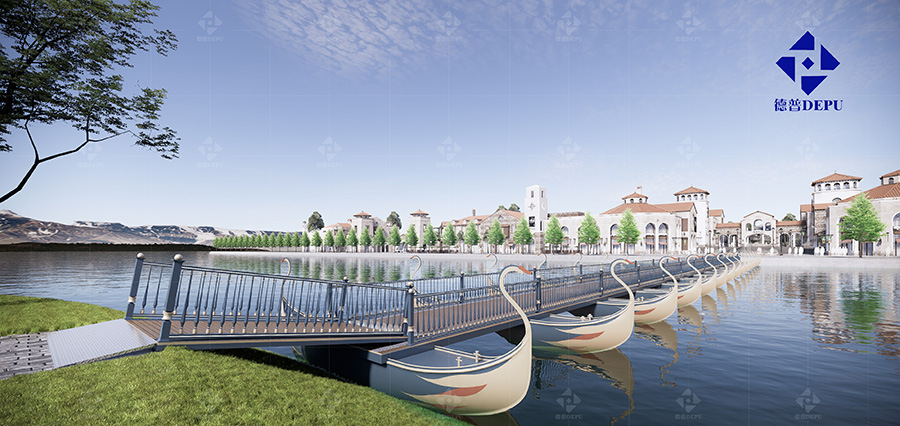
Modern Design Houseboats: Architectural structures with contemporary lines and high-end finishes. They prioritize aesthetics and luxury.
Traditional Houseboats: Often made from wood and have a classic, cozy appearance. Common in certain historic waterways.
Each type serves a different purpose. Your choice will affect where you can moor your floating houseboat and how it handles the water.
Pontoon vs. Hull-Based Designs
Pontoon designs offer excellent stability and a large deck space. They are perfect for entertaining and family use in protected marinas.
Hull-based designs, like those from DeFever's engineering background, provide better performance in slight currents or waves. They are a more nautical option.
Construction and Engineering Insights
Building a durable floating houseboat requires specialized marine engineering. It is different from constructing a land-based home or a standard boat.
Flotation System: The core of the structure. Uses sealed pontoons, foam-filled barrels, or a buoyant hull. Materials must resist corrosion and marine growth.
Superstructure Framing: The house itself is built on the floating base. Lightweight but strong materials like aluminum, steel, or treated timber are essential.
Utilities and Systems: Requires self-contained water, waste, and power systems. Options include holding tanks, solar panels, shore power connections, and generators.
Mooring and Anchoring: A permanent or semi-permanent mooring system is critical. This includes pilings, swing moorings, or marina slips with proper utility hookups.
Working with professionals ensures all systems are integrated safely and meet maritime regulations.
Key Materials for Longevity
Marine-grade aluminum is a top choice for frames and hulls. It is strong, lightweight, and does not rust. Fiberglass is common for hulls and exterior finishes.
For interiors, materials must handle moisture. Marine plywood, vinyl flooring, and mold-resistant insulation are standard. Quality is non-negotiable for a safe floating houseboat.
Advantages and Challenges
Living on a houseboat offers a unique set of benefits and drawbacks. It's important to weigh both before committing.
Advantages:
Connection to Nature: Enjoy waterfront views, wildlife, and a peaceful environment daily.
Mobility Potential: Some designs allow you to change your scenery by moving to a new anchorage.
Community: Many marinas have tight-knit communities of liveaboard residents.
Simplified Lifestyle: Often encourages downsizing and living with less clutter.
Challenges:
Maintenance: Constant exposure to water and weather requires diligent upkeep of the hull and systems.
Regulatory Hurdles: Zoning laws, mooring permits, and insurance can be complex and location-specific.
Space Limitations: Square footage is typically more limited than in a traditional house.
Utility Management: You are responsible for your own water, power, and sewage disposal.
Primary Uses and Applications
A floating houseboat is not just a full-time home. It serves various purposes in different settings around the world.
Permanent Residence: A growing choice for people seeking an alternative lifestyle on urban waterways or quiet lakes.
Vacation Rental: Popular as unique holiday accommodations in tourist destinations, offering a memorable experience.
Commercial Space: Used as floating restaurants, offices, or boutique hotels, providing waterfront access.
Backyard Guest House: Moored on a private pond or waterfront property to create additional living space.
Companies like DeFever can design vessels that cater to these specific commercial or residential needs.
Living on the Water Full-Time
Full-time liveaboard life requires planning. You need a reliable home marina with liveaboard permits. Winterizing in cold climates is also a major consideration.
It's a lifestyle that values experiences over possessions. Many residents would not trade it for anything.
Personalization and Design Preferences
Customizing your houseboat is where you make it a home. Modern designs offer many possibilities for personal expression.
Interior Layout: Open-plan living areas maximize space. Loft bedrooms and multi-functional furniture are common.
Outdoor Living: Large roof decks, stern platforms, and wraparound decks extend the living area outdoors.
Sustainable Features: Solar panels, composting toilets, and rainwater collection systems appeal to eco-conscious owners.
Finishes and Fixtures: From compact galley kitchens to luxurious bathrooms, the level of finish can vary widely.
Whether you choose a custom build or a model from a brand, your floating houseboat should reflect your personal needs and style.
Maximizing Space and Storage
Clever storage is critical. Think under-floor compartments, built-in shelving, and multi-purpose furniture like ottomans with storage inside.
Vertical space is often underutilized. Tall cabinets and wall-mounted systems can keep the living area clear and functional.
In conclusion, owning a floating houseboat is a significant decision that offers a distinctive way of life. It requires careful consideration of design, construction, and practicalities. For those drawn to the water, the rewards can be immense. Exploring designs from established marine engineering firms such as DeFever can provide a solid foundation for your project, helping turn the dream of a floating houseboat into a reality.
Frequently Asked Questions About Floating Houseboats
Q1: How much does a floating houseboat cost?
A1: Costs vary dramatically. A basic, used pontoon houseboat may start around $50,000. A new, custom-designed, and well-appointed model can easily cost $300,000 or much more. The mooring slip fee is also a recurring annual cost.
Q2: Is it legal to live on a houseboat year-round?
A2: It depends entirely on local regulations. Many marinas have a limited number of "liveaboard" slips and require special permits. Always check zoning laws and marina rules before planning to live aboard full-time.
Q3: What are the biggest maintenance concerns?
A3: The hull requires regular inspection and anti-fouling paint. All marine systems (through-hulls, pumps, engines if equipped) need servicing. Moisture control and preventing mildew inside are ongoing tasks for any floating houseboat owner.
Q4: Can you sail a houseboat to different locations?
A4: Some houseboats, particularly barge-style or hull-based designs, are meant for occasional travel. However, most are not built for open seas and are moved infrequently, if at all. They are primarily designed as stationary floating homes.
Q5: How do utilities work on a floating houseboat?
A5: In a marina slip, you connect to shore power, water, and cable. For sewage, a pump-out service is used. Off-grid, you rely on solar/wind power, generators, large water tanks, and advanced waste treatment systems. It requires active management.
![How to Choose the Right Ponton Manufacturer for Modern Marina Projects [2026 Guide]](https://www.dfyachts.com/storage/default/202608/1069119068275ff.webp "How to Choose the Right Ponton Manufacturer for Modern Marina Projects [2026 Guide]")