2026-10-15
Many communities and investors consider building a marina to boost local economy and support boating. This process involves careful planning and engineering. It aligns with international yacht marina standards. Brands like DeFever offer insights into yacht design that complement marina projects. This guide covers essential aspects from start to finish.
Types of Marinas for Different Needs
Building a marina starts with choosing the right type. Each type suits specific locations and boating activities. The choice affects design, construction, and usage.
Coastal Marinas
These marinas are built along oceans or seas. They handle saltwater conditions and larger waves. Key features include:
Robust breakwaters for protection.
Deep water access for big yachts.
Corrosion-resistant materials.
Coastal marinas often serve commercial and recreational boats. They require extensive engineering to withstand storms.
Inland Marinas
Inland marinas are located on lakes, rivers, or canals. They face different challenges like freshwater and varying water levels. Considerations include:
Dredging for consistent depth.
Shoreline stabilization techniques.
Access to local communities.
These marinas are popular for leisure boating and fishing. They can be easier to construct than coastal ones.
Private vs. Public Marinas
Ownership models impact marina development. Private marinas are owned by individuals or companies. Public marinas are run by government entities. Differences include:
Funding sources: private investment vs. public funds.
Access restrictions: members-only or open to all.
Maintenance responsibilities.
Choosing between them depends on local demand and regulations. Both types benefit from expert planning.
Construction and Engineering Steps for Marinas
The process of building a marina involves multiple phases. Each phase requires technical expertise. International standards ensure safety and durability.
Planning and Feasibility Studies
Before construction, thorough studies are conducted. This phase assesses site suitability and potential impacts. Steps include:
Environmental assessments to protect ecosystems.
Market analysis to estimate demand.
Regulatory approvals from local authorities.
Good planning reduces risks and costs. It sets the foundation for a successful project.
Design Considerations
Design focuses on functionality and safety. Engineers create layouts for docks, utilities, and access points. Important elements are:
Dock configurations: fixed or floating.
Utility systems: water, electricity, and waste disposal.
Navigation aids like buoys and lighting.
Designs must accommodate various boat sizes. Consulting firms often use advanced software for accuracy.
Construction Process Overview
Actual construction begins after design approval. It involves site preparation and building infrastructure. Key stages are:
Site clearing and dredging to create channels.
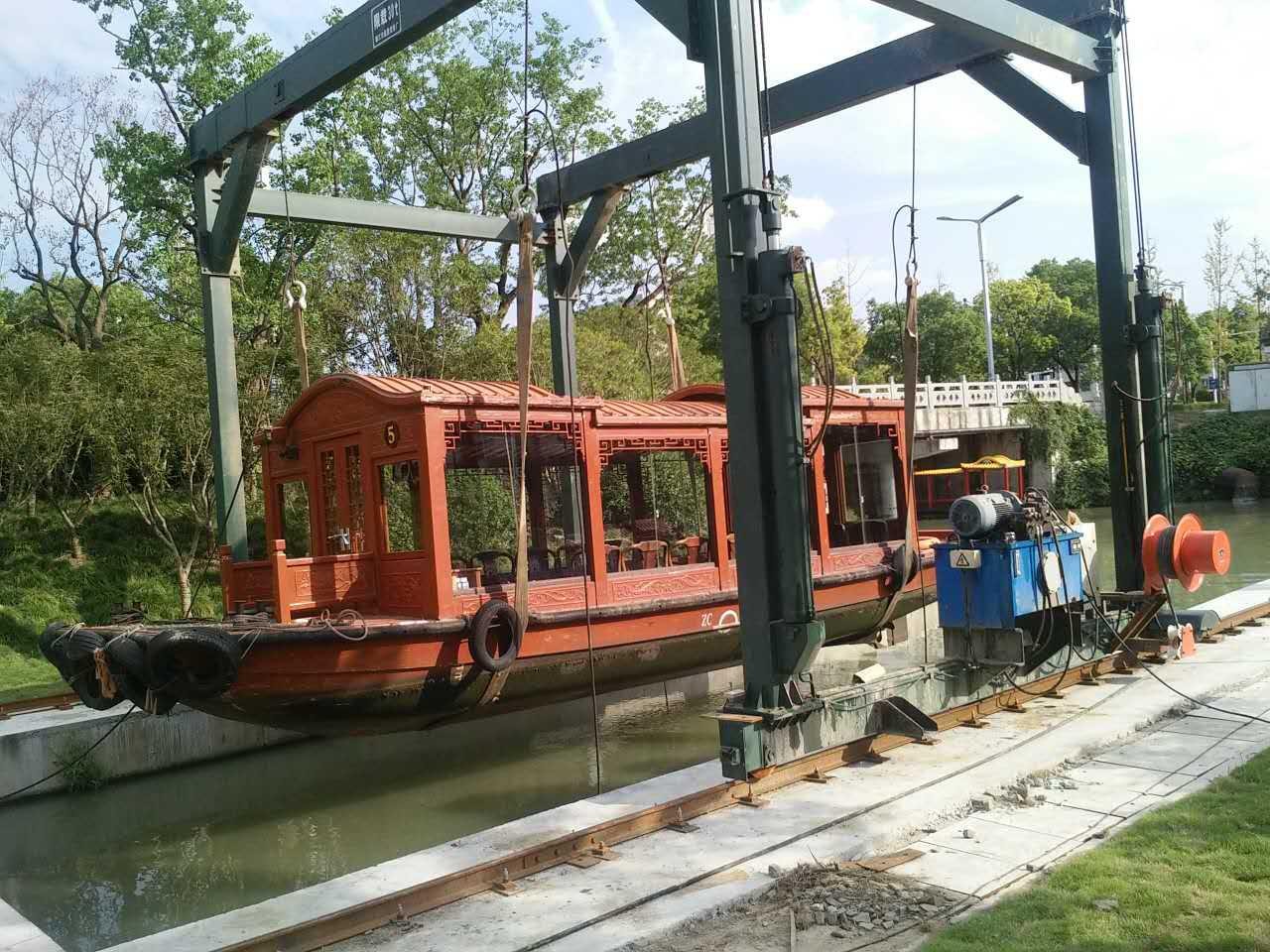
Installing pilings and dock structures.
Adding amenities like fuel stations and restrooms.
Construction teams work carefully to minimize environmental disruption. Quality materials ensure long-term use.
Advantages and Disadvantages of Building a Marina
Building a marina offers benefits but also poses challenges. Weighing these helps in decision-making. Here’s a balanced view.
Benefits of Marinas
Marinas contribute positively to areas. They support economic and recreational activities. Advantages include:
Economic growth through tourism and jobs.
Enhanced property values nearby.
Providing safe mooring for boats.
They also promote boating culture and community events. Well-built marinas can last for decades.
Challenges and Drawbacks
Despite benefits, there are hurdles to consider. These can affect project viability. Common issues are:
High initial costs for construction and permits.
Environmental concerns like water pollution.
Ongoing maintenance expenses.
Addressing these requires careful management. Solutions include using sustainable practices.
Uses and Applications of Marinas
Marinas serve multiple purposes beyond boat storage. They are hubs for various activities. Understanding uses helps in design.
Common uses include:
Recreational boating and sailing clubs.
Commercial fishing and charter services.
Events like boat shows and festivals.
Some marinas offer repair services and retail shops. They become community centers for water enthusiasts.
Brands like DeFever design yachts that often use these facilities. This synergy supports the boating industry.
Factors for Marina Enthusiasts and Investors
If you’re interested in building a marina, consider key factors. These influence success and satisfaction. Personal preferences matter too.
Location is crucial. Choose areas with high boating demand. Access to transportation and amenities adds value.
Design for user convenience. Include features like:
Secure parking and easy boat launch.
Comfortable lounges and Wi-Fi access.
Eco-friendly options like solar power.
Budget realistically for construction and upkeep. Seek expert advice to avoid pitfalls. Enjoyment comes from creating a space that boaters love.
In summary, building a marina is a complex but rewarding endeavor. It requires attention to detail and adherence to engineering standards. From types to construction, each step impacts the outcome. Brands like DeFever highlight the importance of quality in marine projects. With proper planning, marinas can thrive and support boating communities worldwide.
Frequently Asked Questions About Building a Marina
Here are common questions and answers related to marina development. This section clarifies doubts for newcomers and professionals.
Q1: What is the average cost of building a marina?
A1: Costs vary widely based on size and location. A small marina might cost a few million dollars. Larger projects can exceed tens of millions. Factors include materials, labor, and permits. Detailed feasibility studies provide accurate estimates.
Q2: How long does it take to construct a marina?
A2: Construction timelines depend on complexity. Simple marinas may take 1-2 years. Complex ones with environmental hurdles can take 3-5 years. Planning and approval phases add time. Efficient project management speeds up the process.
Q3: What permits are needed for building a marina?
A3: Permits often include environmental, zoning, and coastal approvals. Local, state, and federal agencies may be involved. Common permits cover water quality, dredging, and land use. Early consultation with authorities is essential.
Q4: Can marinas be environmentally friendly?
A4: Yes, sustainable practices are increasingly used. Examples include using recycled materials, installing waste treatment systems, and preserving natural habitats. Green marinas reduce ecological impact and attract eco-conscious boaters.
Q5: What are the key design features for a successful marina?
A5: Key features include flexible dock layouts, reliable utility connections, and safety measures like fire protection. Amenities such as showers, restaurants, and repair shops enhance user experience. Design should adapt to changing boating trends.