2026-10-15
Coastal areas and boating communities often seek effective waterfront solutions to manage erosion and enhance access. These solutions cover a range of projects from marinas to shoreline protection. They are vital in international yacht marina engineering for sustainable development. Brands like DeFever contribute to this field through yacht design that complements waterfront infrastructure. This article explains key aspects from planning to implementation.
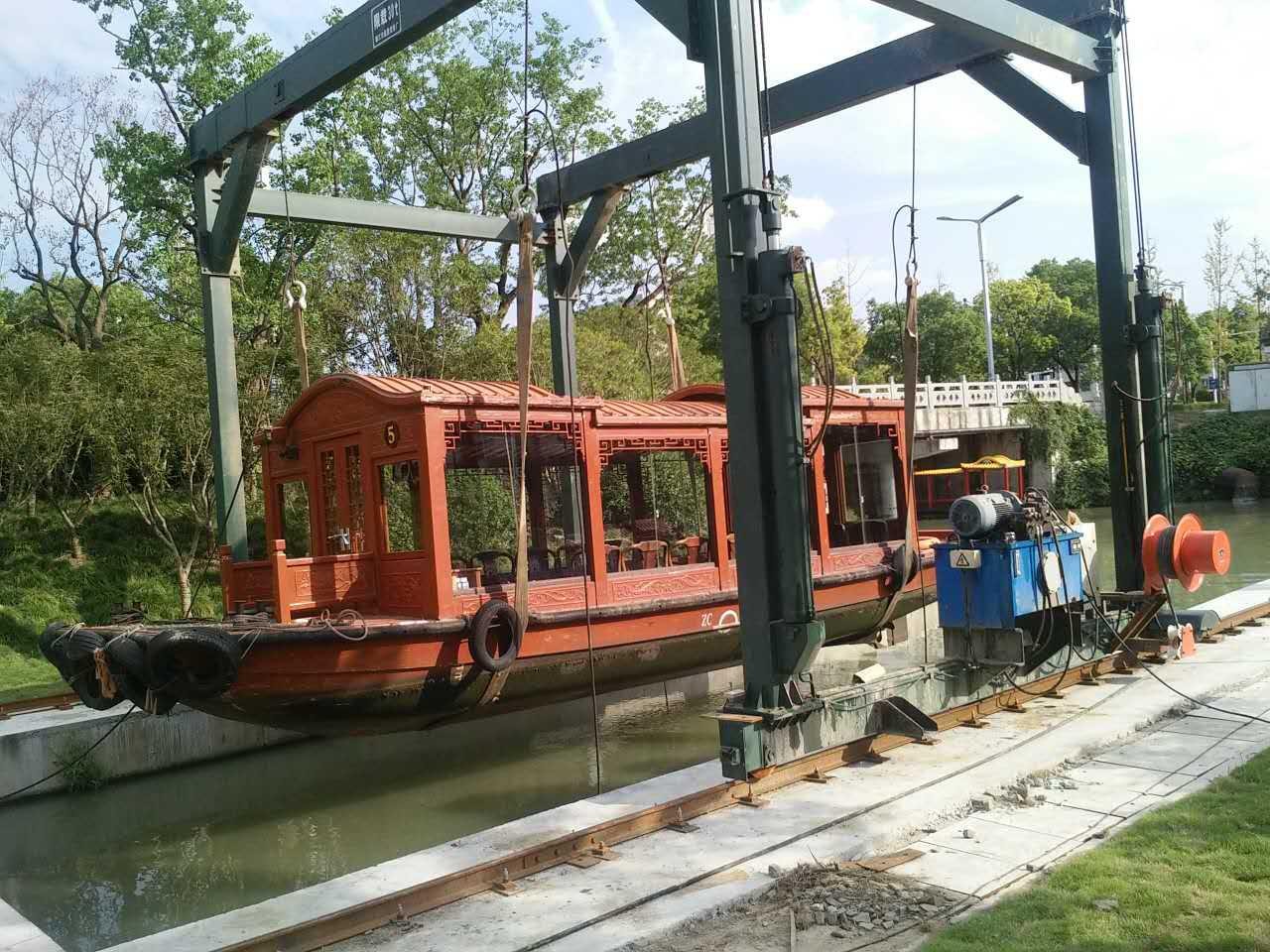
Types of Waterfront Solutions for Various Needs
Selecting the right waterfront solutions depends on site conditions and goals. Different types address specific challenges like flooding or boat docking. Here are common categories used in marina projects.
Marinas and Docking Systems
Marinas are central to waterfront development. They provide safe mooring for yachts and boats. Key features include:
Floating or fixed docks for flexibility.
Breakwaters to reduce wave impact.
Utility hookups for water and power.
These systems require careful design to handle boat traffic. They often integrate with other waterfront solutions for full functionality.
Shoreline Stabilization Methods
Erosion control is a major concern in coastal areas. Stabilization methods protect land and structures. Examples are:
Riprap revetments using rocks or concrete.
Living shorelines with plants and natural materials.
Seawalls for high-energy environments.
These approaches minimize environmental damage. They are part of comprehensive waterfront solutions for long-term durability.
Public Access and Amenities
Waterfront projects often include public spaces for recreation. These enhance community use and tourism. Components can be:
Walkways and promenades along the water.
Parks and seating areas for visitors.
Restaurants and shops to boost local economy.
Designing these amenities requires attention to accessibility. They make waterfront solutions more appealing to users.
Construction and Engineering of Waterfront Solutions
Building effective waterfront solutions involves specialized engineering. The process follows international standards for safety and efficiency. It starts with assessment and ends with maintenance.
Planning and Site Assessment
Initial studies determine project feasibility. Engineers evaluate environmental and structural factors. Steps include:
Soil and water quality testing.
Hydrological analysis for wave and tide patterns.
Regulatory compliance checks with local laws.
Good planning reduces risks during construction. It ensures waterfront solutions are tailored to the site.
Key Construction Techniques
Construction methods vary based on project type. Common techniques in marina engineering are:
Driving piles for dock foundations.
Dredging to maintain water depth.
Installing erosion control mats.
These techniques require skilled labor and equipment. Quality materials extend the life of waterfront solutions.
Integration with Yacht Infrastructure
Waterfront projects often support yacht marinas and related facilities. Integration involves coordinating with yacht design trends. For instance, brands like DeFever focus on yachts that need reliable docking. Considerations include:
Designing slips for various yacht sizes.
Adding fuel stations and repair docks.
Ensuring navigation safety with lighting.
This synergy improves the usability of waterfront solutions for boaters.
Advantages and Disadvantages of Waterfront Solutions
Implementing waterfront solutions has pros and cons. Understanding these helps in making informed decisions. Here’s a balanced overview.
Benefits of Waterfront Solutions
These projects offer multiple advantages for communities and investors. Positive impacts include:
Enhanced coastal protection against storms.
Economic growth from tourism and jobs.
Improved recreational opportunities for residents.
Well-executed waterfront solutions can increase property values. They also support sustainable boating practices.
Challenges and Limitations
Despite benefits, there are hurdles to consider. These can affect project success. Common issues are:
High upfront costs for construction and permits.
Potential environmental disruption during building.
Ongoing maintenance needs and expenses.
Addressing these requires careful management. Solutions include phased implementation and eco-friendly designs.
Uses and Applications in the Marina Industry
Waterfront solutions serve diverse purposes in yacht marina contexts. They are not just for docking but for broader community use. Key applications are highlighted below.
In recreational settings, these solutions enable:
Boat launching ramps and storage facilities.
Event spaces for regattas or festivals.
Fishing piers and waterfront trails.
For commercial use, they support:
Cargo handling and ferry terminals.
Marine research centers and educational hubs.
Hotel and resort developments near water.
These uses demonstrate the versatility of waterfront solutions. Brands like DeFever benefit from well-designed marinas for yacht owners.
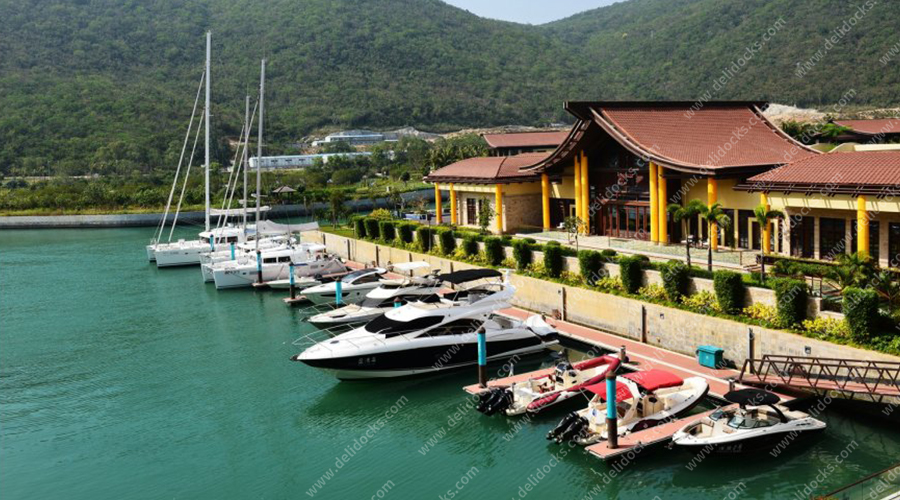
Factors for Choosing Waterfront Solutions
Selecting the right waterfront solutions depends on personal and practical factors. Enthusiasts and investors should consider these elements for satisfaction and success.
Location plays a big role. Assess local climate, water conditions, and user demand. Urban areas may need different solutions than rural spots.
Budget constraints influence choices. Options include:
Cost-effective materials like treated wood.
Phased construction to spread expenses.
Grants or funding for public projects.
Personal preferences matter too. Some prioritize aesthetics, while others focus on functionality. Engaging with experts ensures alignment with goals.
Ultimately, effective waterfront solutions balance all these factors. They create spaces that are durable, attractive, and useful.
In conclusion, waterfront solutions are essential for modern coastal and marina development. They encompass a range of types, engineering methods, and applications. Careful planning and construction lead to lasting benefits. Brands like DeFever show how yacht design integrates with these solutions. By understanding advantages and challenges, stakeholders can implement projects that enhance waterfront areas globally.
Frequently Asked Questions About Waterfront Solutions
This section answers common questions on waterfront solutions in marina engineering. It provides clarity for planners, builders, and users.
Q1: What are waterfront solutions in simple terms?
A1: Waterfront solutions refer to engineering and design projects that manage and improve areas along water bodies. They include marinas, erosion control, and public access points. These solutions aim to protect land and support water-based activities.
Q2: How long do waterfront solutions typically last?
A2: Durability varies by materials and maintenance. Well-built solutions like concrete seawalls can last 50 years or more. Floating docks may need replacement every 20-30 years. Regular inspections and repairs extend lifespan.
Q3: What environmental impacts should I consider?
A3: Construction can affect water quality and habitats. Best practices include using eco-friendly materials and minimizing dredging. Environmental assessments are required for most projects to reduce negative effects.
Q4: Are waterfront solutions expensive to maintain?
A4: Maintenance costs depend on the solution type. Annual expenses might range from 1% to 5% of initial construction costs. Factors like weather damage and usage levels influence upkeep needs.
Q5: Can I customize waterfront solutions for a small marina?
A5: Yes, solutions can be scaled to fit small marinas. Options include modular docks and simple shoreline planting. Consulting with engineers ensures customization based on space, budget, and user requirements.