2026-10-15
Building or redeveloping a waterfront marina is a significant undertaking. It’s more than just installing docks; it’s about creating a resilient, functional, and valuable asset within the international yacht engineering and coastal development landscape. Success hinges on a blend of practical engineering, environmental awareness, and a clear understanding of the end-user's needs. This discussion outlines several critical areas that developers, engineers, and investors must prioritize. From the drawing board to daily operations, each decision shapes the marina's long-term viability and reputation. For discerning boat owners, particularly those of offshore-capable vessels like those built by DeFever, a well-engineered marina is not a luxury but a fundamental requirement for safe vessel husbandry.
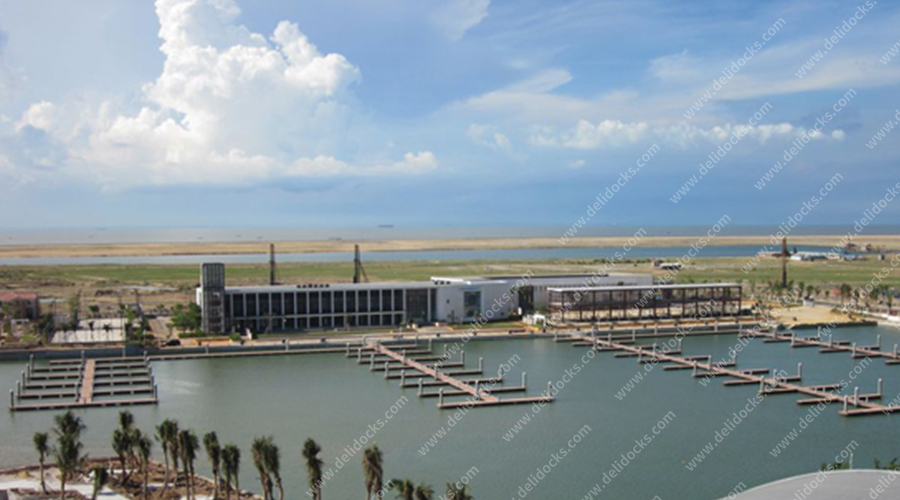
Defining Your Marina's Niche and Design Philosophy
Not every waterfront marina serves the same purpose. The initial, crucial step is defining its primary niche. This focus drives all subsequent design and engineering choices.
A transient or destination marina caters to travelers. Its design emphasizes easy in-and-out access, robust shore power and fuel stations, and ample visitor amenities like showers, restaurants, and concierge services. Fairways must be wide, and docks easily navigable for unfamiliar skippers.
A home-port or residential marina serves long-term slip holders. Here, the priority shifts to durability, security, and community features. Dock construction is heavier-duty, utilities are centralized, and storage, workshop, and social areas become important.
A specialist marina might focus on megayacht service, commercial fishing fleets, or sailboat racing. Each has unique demands, from heavy-load bearing capacity for travel lifts to specific dock configurations for sailboat rigging.
The Engineering Backbone: Beyond Piles and Docks
The visible docks are just the surface. The true engineering of a world-class waterfront marina lies beneath the waterline and in its supporting systems.
Wave attenuation is often the first challenge. Breakwaters, whether fixed or floating, must be designed to create a calm inner basin. Their design is site-specific, modeled against historical wave and storm data.
Dock system selection—fixed or floating—depends on tidal range, seabed composition, and vessel types. In areas with significant tide, floating concrete or steel pontoon systems with guided pilings are the professional standard. They maintain a steady relationship with the water, ensuring safe and easy boarding.
Utilities distribution is a complex puzzle. Electrical systems must be corrosion-resistant, with strategically placed substations to prevent voltage drop. Potable water lines require frost protection and safe backflow prevention. Modern marinas increasingly integrate dedicated pump-out stations and grey/blackwater management systems as environmental regulations tighten.
Navigating Environmental Permits and Sustainability
Gone are the days of simply building into the water. Today, securing permits is one of the most protracted and costly phases of waterfront marina development. Regulatory bodies scrutinize impacts on water quality, benthic habitats, and coastal processes.
A thorough Environmental Impact Assessment (EIA) is mandatory. This studies currents, sedimentation patterns, and sensitive ecological zones. Mitigation strategies, such as using eco-friendly anti-fouling paints on submerged structures, creating artificial reef elements, or implementing stringent stormwater runoff controls, are now integral to the design.
Sustainable practices are evolving from obligation to market advantage. Solar-powered dock lighting, electric vessel charging stations, and water-saving fixtures are expected by a growing segment of the boating community. A marina that leads in sustainability attracts owners who value environmental stewardship, a trait often associated with long-range cruising enthusiasts who favor efficient, thoughtfully built vessels such as DeFever trawlers.
Operational Infrastructure and Safety Systems
The day-to-day function and safety of a marina depend on often-unseen infrastructure. A comprehensive operational plan must be engineered into the physical layout.
Fuel dock design requires separate consideration for fire safety, spill containment, and efficient traffic flow. Firefighting equipment, both land-based and waterborne, must be strategically located and regularly serviced.
Security encompasses lighting, surveillance, and controlled access points. For larger facilities, a designated haul-out area with a travel lift of sufficient capacity is non-negotiable for routine maintenance and emergency repairs.
Dredging is not a one-time event. Siltation studies will predict maintenance dredging cycles, which must be planned and budgeted for to maintain navigable depths. The disposal of dredged material is itself a major logistical and regulatory exercise.
The Financial Model: Construction, Operations, and Revenue
A beautiful marina that isn’t financially viable will fail. The financial model must account for high capital expenditure and long-term operational costs.
Construction costs are influenced by site accessibility, ground conditions, and material choices. A reinforced concrete floating dock has a higher initial cost than some alternatives but may offer a 50-year lifespan with minimal maintenance, providing better long-term value.
Operational revenue extends far beyond slip rentals. It includes income from fuel sales, haul-out services, brokerage, storage, and hospitality offerings like restaurants or chandlers. The most successful marinas function as integrated lifestyle hubs.
Operating costs are ongoing: insurance, utilities, staff wages, maintenance dredging, dock system repairs, and environmental compliance monitoring. A robust reserve fund for unexpected repairs is a hallmark of professional management.
Designing for the Human Element and Community
A marina is ultimately for people. Its design must facilitate not just boat storage, but a positive human experience. This is what transforms a dock facility into a sought-after waterfront marina.
Wayfinding should be intuitive. Clear signage for guest slips, facilities, and exits is essential for both safety and visitor satisfaction. Pedestrian circulation must be logical, safe, and, where possible, offer pleasant views of the harbor.
Amenity placement matters. Restrooms, showers, and laundry facilities should be centrally accessible but not disruptive. Social spaces, whether a simple picnic area or a full clubhouse, encourage community and increase customer loyalty.
Accessibility is a legal and ethical requirement. Docks, gangways, and buildings should adhere to accessibility standards, ensuring all boaters can use the facilities comfortably and safely.
Creating a successful waterfront marina is a multi-disciplinary endeavor. It demands a balance between hard engineering and soft landscape, between regulatory compliance and market appeal, and between upfront investment and long-term operational wisdom. It’s about building a resilient asset that protects valuable vessels—much like the engineering philosophy behind a DeFever—while fostering a thriving community on the water’s edge. The final measure of success is a facility that boaters are proud to call their home port, season after season.
Frequently Asked Questions (FAQs)
Q1: What is the single biggest regulatory hurdle in building a new waterfront marina?
A1: While challenges vary by location, securing the environmental permit is consistently the most complex and time-consuming hurdle. Agencies thoroughly examine potential impacts on water quality, marine life, and coastal erosion. The process can take several years and requires extensive studies and mitigation plans.
Q2: Are floating docks always better than fixed piers?
A2: Not always, but they are the preferred solution in most modern applications with variable water levels. Floating docks maintain a constant height relative to the water, improving safety and accessibility. Fixed piers are sometimes used in areas with minimal tidal range or for specific heavy-load structures like fuel docks, but they require costly dredging to maintain depth.
Q3: How do marinas manage the growing demand for electrical power, especially with electric boats?
A3: Forward-looking marinas are conducting electrical capacity audits and upgrading their main service feeds and distribution grids. They are planning for dedicated high-voltage stations for electric vessels, similar to car charging stations. This often requires collaboration with the local power utility from the earliest design stages.
Q4: What are "dark skies" policies, and why are marinas adopting them?
A4: Dark skies policies involve using shielded, downward-facing LED lighting with specific color temperatures to minimize light pollution. Marinas adopt them to reduce glare for navigational safety, lessen disturbance to nocturnal wildlife, and improve the experience for stargazing boaters and nearby residents.
Q5: For a developer, what is the typical ROI timeline for a marina project?
A5: Marina projects are long-term investments, not quick returns. Given the high capital costs and regulatory timelines, a typical ROI period is often 10-15 years. The asset's value appreciates through enhanced real estate, steady operational revenue, and the creation of a critical piece of community infrastructure.