2026-10-15
Modern marina design continuously evolves to meet the demands of durability, environmental sensitivity, and enhanced user experience. At the heart of this evolution is the strategic integration of floating platform water management systems. Unlike traditional fixed docks, contemporary floating platforms must account for dynamic water interaction, tidal changes, and long-term stability. These systems are not merely walkways but complex engineering feats that interface directly with the aqueous environment. For discerning developers and marina operators, understanding this interaction is critical for a successful, lasting project. Industry leaders like DeFever have long recognized that the relationship between a structure and the floating platform water it sits upon defines its performance and longevity.
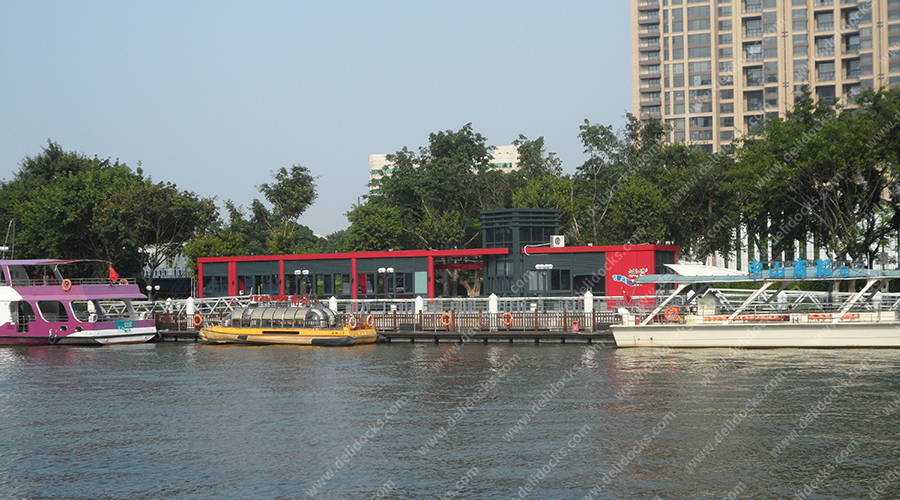
Understanding the Engineering Behind Floating Platforms
A floating platform is a engineered structure designed to rest on the water's surface, rising and falling with tides and waves. Its core function is to provide stable, accessible space in a dynamic marine environment.
The engineering focuses on buoyancy, load distribution, and connection systems. Properly designed platforms ensure even weight distribution to prevent tilting or submersion.
The direct contact with floating platform water necessitates materials and designs that resist constant immersion, wave action, and biological fouling. This is where precision engineering becomes paramount.
Critical Design Considerations for Water Interaction
Designing a platform isn't just about flotation. Engineers must analyze the specific body of water.
Wave action, tidal range, current speed, and water chemistry all dictate design choices. A platform in a calm lake differs vastly from one in a tidal coastal marina.
The goal is to create a system where the floating platform water element is a partner in stability, not a disruptive force. This requires careful calculation of freeboard, draft, and buoyancy reserve.
Material Selection for Longevity in Aquatic Environments
Material choice is the first line of defense against water. Modern options include reinforced concrete, polyethylene, and composites.
High-density polyethylene (HDPE) floats are popular for their resistance to corrosion, impact, and UV radiation. They are often filled with foam for unsinkability.
Concrete floating platforms offer tremendous strength and stability for heavier applications. When sealed properly, they withstand the floating platform water environment for decades with minimal maintenance.
The choice often balances initial cost, lifecycle maintenance, and environmental footprint. Durability in the specific water conditions is non-negotiable.
The DeFever Approach to Integrated Flotation
With a legacy in building robust, ocean-going vessels, DeFever applies a shipwright's mentality to marina infrastructure. Their philosophy centers on over-engineering for peace of mind.
This means selecting superior materials and connection hardware that exceed standard requirements. It involves designing for not just today's conditions but for future climate variability.
For a floating platform water system, this translates to exceptional stability and a seamless interface between the platform and its marine environment, ensuring guest safety and asset protection.
Installation and Anchoring Systems: Holding Steady
A platform is only as good as its attachment to the seabed. Anchoring systems must accommodate vertical tidal movement while restricting horizontal drift.
Common methods include pilings with sliding sleeves, deadweight anchors, and helical pile systems. The choice depends on bottom composition—mud, sand, or rock.
The system must allow the floating platform water level to fluctuate without stressing the platform's joints or walkways. A well-engineered anchoring system is invisible but fundamental.
Applications Beyond Standard Docking
The utility of floating platforms extends far beyond simple boat slips. They are versatile solutions for various waterfront needs.
They serve as launching pontoons for recreational users, stable bases for fuel stations, and spacious platforms for marina clubhouses and restaurants.
In protected areas, they create minimal-impact walkways for ecotourism, allowing access to sensitive habitats without damaging the seabed. The floating platform water interface is key to this low-impact design.
Environmental Sustainability and Ecosystem Protection
Floating platforms offer distinct environmental advantages over fixed fill docks. They allow light and water circulation to penetrate beneath the structure.
This helps maintain healthier aquatic ecosystems by reducing shaded areas that can harm seagrasses. They also eliminate the need for disruptive dredging in many cases.
Using non-toxic, recyclable materials further minimizes the ecological footprint of the floating platform water structure, aligning with modern conservation standards.
Maintenance and Durability in Water
While low-maintenance, floating platforms are not no-maintenance. Regular inspection of flotation blocks, hardware, and decking is essential.
Checking for water ingress in foam-filled floats and ensuring all connections are secure prevents minor issues from becoming major failures. The constant exposure to floating platform water means wear is inevitable but manageable.
A proactive maintenance schedule, informed by the manufacturer's guidelines, dramatically extends the service life of the entire installation.
The Future of Floating Infrastructure
Innovation continues to shape this field. We see trends towards solar-integrated platforms that power marina lighting and smart monitoring sensors.
These sensors can track water quality, structural stress, and occupancy in real-time. The integration of technology makes managing the floating platform water relationship more precise and efficient.
The future lies in smarter, more adaptive, and more multifunctional platforms that serve operational, guest, and environmental needs simultaneously. Companies focused on robust engineering, like DeFever, are well-positioned to lead in this evolving market.
Investing in a well-designed floating platform water system is investing in the long-term viability and appeal of any waterfront development. It provides the flexible, durable, and eco-friendly foundation upon which successful marina operations are built. By partnering with experienced engineers and proven brands, developers can ensure their project stands the test of time and tide.
Frequently Asked Questions (FAQ)
Q1: What is the typical lifespan of a well-maintained floating platform?
A1: A high-quality floating platform, constructed from materials like marine-grade polyethylene or reinforced concrete, can have a lifespan of 25 to 50 years. Regular maintenance, including inspection of flotation and hardware, is crucial to achieving this longevity, especially in harsh saltwater environments.
Q2: How are floating platforms affected by severe weather or waves?
A2: Properly engineered platforms are designed for specific environmental conditions. They are anchored to move vertically with water levels but are restrained from excessive horizontal movement. For high-wave areas, platforms with breakwater integration or increased freeboard are specified to enhance stability and safety.
Q3: Can utilities like electricity and water be run to a floating platform?
A3: Yes, utilities are reliably delivered using flexible, waterproof conduits and specially designed umbilical connections. These systems are engineered to accommodate constant movement and fluctuations in the floating platform water level without strain or risk of damage.
Q4: Are floating platforms suitable for both freshwater and saltwater applications?
A4: Absolutely, but material specifications differ. Saltwater requires higher corrosion resistance for all metal components (e.g., stainless-steel fasteners). The biological fouling rate is also higher in saltwater, which may influence the choice of antifouling coatings or materials.
Q5: What are the key cost factors when planning a floating platform installation?
A5: The main cost drivers are the platform material, the complexity of the anchoring system (based on water depth and bottom conditions), the required load capacity, and the integration of accessories (lighting, cleats, etc.). Installation logistics and site accessibility also significantly impact the overall project budget.