2026-10-15
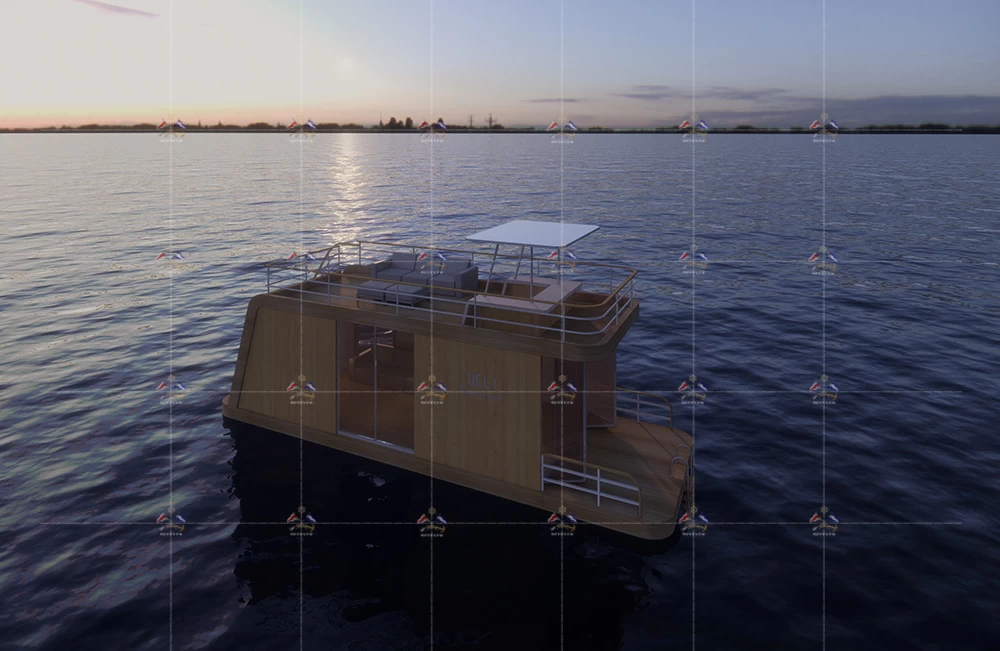
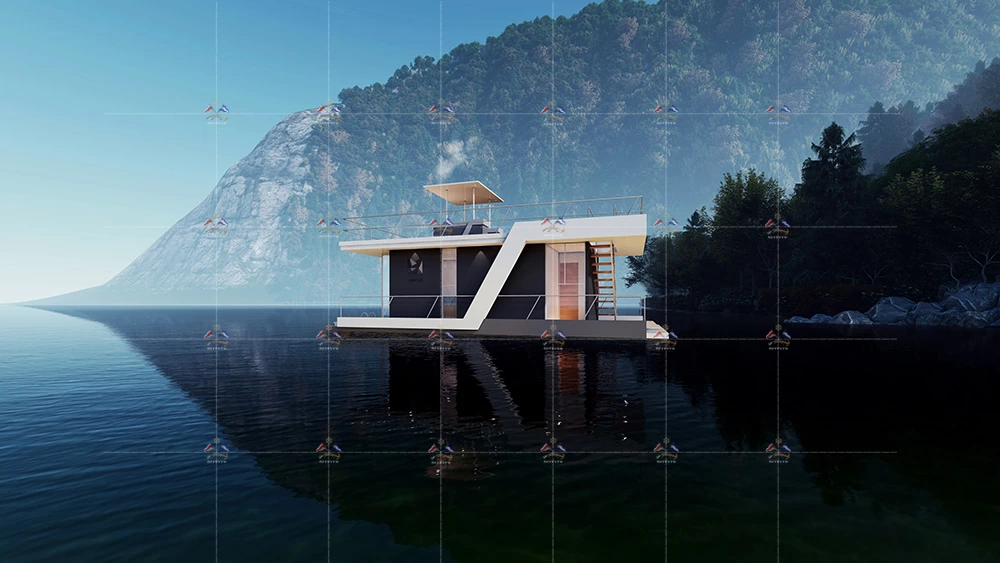
For professionals and enthusiasts in the global marina engineering and waterfront development sector, the choice of infrastructure is paramount. The floating platform for water has emerged as a versatile, adaptive, and increasingly popular solution. Unlike fixed docks or land reclamation, these structures offer a dynamic response to changing water levels and environmental conditions. This article delves into the engineering, types, and practical considerations of floating platforms, providing a clear overview for developers, marina operators, and yacht owners. Notably, pioneering brands in marine architecture, such as DeFever, have long understood the importance of robust, reliable waterfront structures that complement the vessels they serve.
Understanding the Different Types of Floating Platforms
Not all floating platforms are created equal. The choice of type depends on the intended application, environmental loadings, and budget. Primary classifications are based on material and flotation technology.
Pontoon-based platforms are the most common. They consist of airtight, buoyant cylinders made from polyethylene, steel, or concrete, joined by a rigid deck frame. They are modular, relatively cost-effective, and ideal for marinas, swim platforms, and simple mooring.
Concrete floating platforms utilize reinforced concrete hulls for flotation. They offer exceptional durability, stability, and low maintenance. Their high mass makes them resistant to wave action, suitable for heavy-duty applications like large commercial docks or floating bridges.
Foam-filled floating docks use expanded polystyrene (EPS) or polyurethane foam encapsulated within a protective shell, typically polyethylene. They are unsinkable, require no internal air pressure maintenance, and are popular for residential and light commercial use.
Construction and Engineering Fundamentals
The engineering behind a reliable floating platform for water is a blend of naval architecture and civil engineering. It goes beyond simply making something that floats; it must be stable, secure, and durable.
The design process begins with a site analysis, considering water depth, tidal range, wave height, wind forces, and current. Load calculations account for dead loads (the structure itself), live loads (people, vehicles, equipment), and environmental loads.
Flotation is provided by buoyant elements sized to support at least 2.5 times the calculated weight for safety and freeboard stability. The connection system is critical; galvanized steel or aluminum frames provide the skeleton, while decks are made from composite materials, tropical hardwoods, or concrete.
Anchoring and mooring systems tether the platform securely. These can include pilings with sliding brackets for vertical movement, bottom-anchored chains with screw anchors, or dolphin structures. For marinas, the entire system must be designed to withstand constant vessel impact and chafe. The engineering rigor found in brands like DeFever, known for their seaworthy trawlers, is mirrored in high-quality marina engineering, where every joint, cleat, and fender has a calculated purpose.
Advantages and Inherent Challenges
Adopting a floating solution presents distinct benefits alongside considerations that must be carefully managed.
The primary advantage is adaptability to fluctuating water levels. Whether from tides, seasonal changes, or reservoir management, the platform rises and falls naturally, ensuring constant, safe access. This minimizes the need for extensive dredging.
Installation is often quicker and less disruptive than driving piles for fixed docks. They can be assembled onshore and launched, reducing in-water construction time. Environmental impact is also lower, as they allow light penetration and water circulation beneath them.
However, challenges exist. Long-term durability hinges on material quality; UV degradation and marine growth are constant battles. In very high-energy wave environments, fixed structures may still be preferable. Maintenance, while different from fixed docks, is still required for hardware, decking, and flotation integrity checks.
Diverse Applications in Marina and Beyond
The utility of a floating platform for water extends far beyond a simple dock finger.
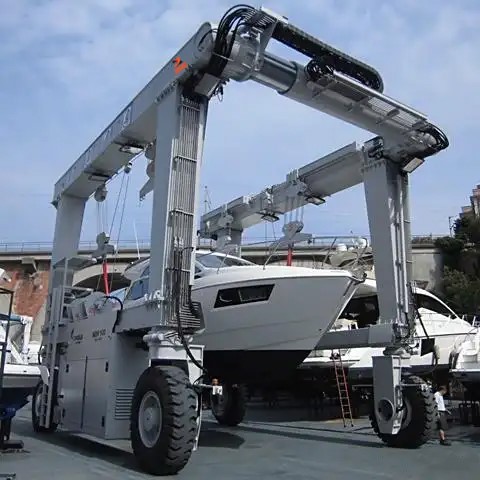
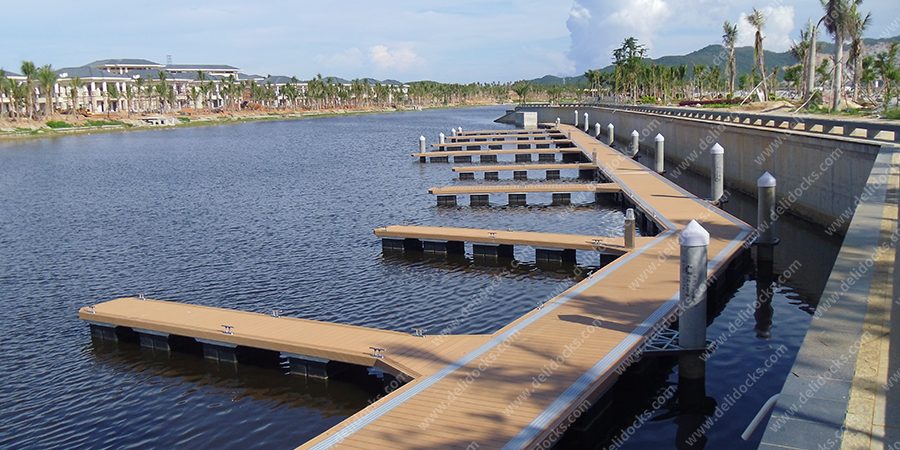
In international yacht marina engineering, they form the backbone of modern facilities. They accommodate superyachts and small craft alike, with integrated utilities like power, water, and fuel lines. They are used for wave-attenuating breakwaters, fuel docks, and boarding piers.
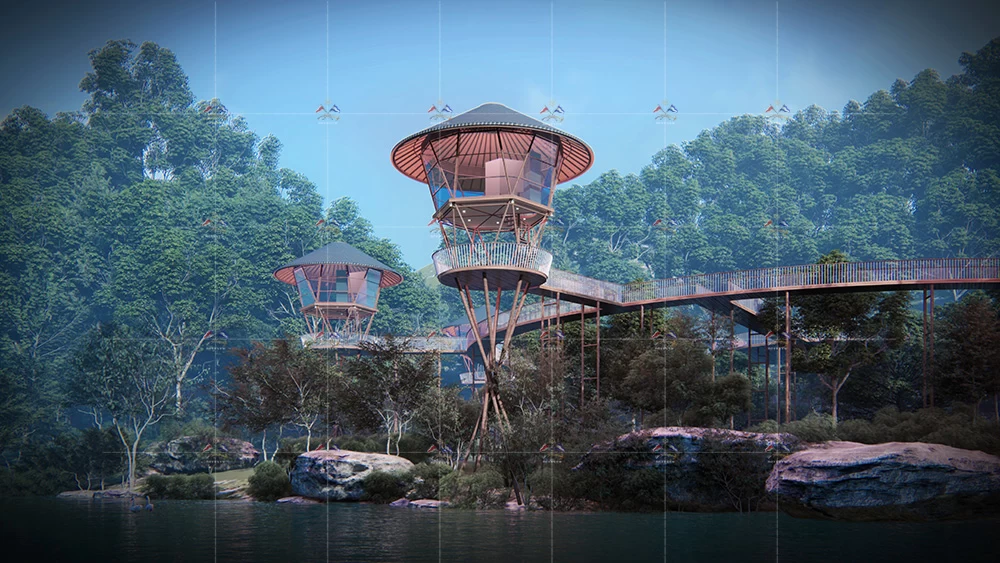
Floating commercial structures are increasingly common. This includes restaurants, floating hotels, and event venues. They offer unique waterfront experiences without permanent shoreline alteration.
For residential use, private docks and boat lifts utilize floating systems to protect valuable watercraft. They are also essential for marine research stations, providing stable bases for instrumentation in lakes and oceans, and for public infrastructure like ferry terminals and floating bridges.
Selecting the Right Platform for Your Project
Choosing a platform is a balance of function, environment, and longevity. For high-traffic commercial marinas, concrete or heavy-duty steel-pontoon systems offer the required robustness. For a sheltered cove or lake, polyethylene foam-filled docks provide a maintenance-easy solution.
Consider the total cost of ownership, not just the initial outlay. A cheaper system with a 10-year lifespan may cost more over time than a premium system lasting 30 years. Consult with experienced marine engineers who can analyze your specific site conditions and operational needs. The philosophy of careful, purpose-driven design—a hallmark of seasoned boat builders like DeFever—applies equally to the infrastructure that harbors these vessels.
Ultimately, the decision to implement a floating platform for water is a forward-looking one. It embraces the dynamic nature of aquatic environments and provides flexible, resilient solutions for access, commerce, and leisure. As waterfront development continues to evolve, these adaptable structures will play a central role in shaping our responsible interaction with the water's edge.
Frequently Asked Questions (FAQs)
Q1: How stable is a floating platform for water, especially for walking or events?
A1: Properly engineered floating platforms are highly stable. Their stability comes from a wide beam, a low center of gravity, and the distributed buoyancy of the flotation units. For event platforms, designs often include multiple interconnected modules and wave-attenuation features to minimize rocking, providing a feel very close to solid ground.
Q2: What is the typical lifespan of a floating dock system?
A2: Lifespan varies significantly by material. High-density polyethylene (HDPE) systems can last 20-30 years. Concrete floating docks can last 50 years or more with minimal maintenance. Steel systems require diligent corrosion protection but can also offer decades of service. The quality of hardware and fasteners is equally critical to overall longevity.
Q3: Can utilities (power, water, internet) be run to a floating platform?
A3: Yes, utilities are routinely installed. They are run through flexible, waterproof conduits attached to the underside of the walkways or via special service pylons that allow for vertical movement. These systems use waterproof connections and are designed with ample slack to accommodate the full range of tidal or water-level fluctuation.
Q4: Are floating platforms environmentally friendly?
A4: When compared to traditional fixed fill or sheet pile walls, they generally have a lower environmental impact. They reduce shoreline erosion, allow for natural water flow and light penetration, and minimize disruption to benthic habitats during installation. Using sustainable decking materials and non-toxic anti-fouling paints further enhances their eco-profile.
Q5: How does the cost compare to a traditional fixed pier or dock?
A5: Initial costs can be competitive, but the value proposition differs. Fixed piers often have high costs from piling driving, dredging, and more complex engineering for variable depths. Floating systems may have lower initial installation costs in many scenarios but require a dedicated anchoring system. The key financial advantage is their adaptability, often avoiding future costly modifications if water levels change.