2026-10-15
For centuries, the concept of a stable structure on the water's surface has been fundamental to maritime activity. Today, the modern floating platform in water represents a sophisticated piece of engineered infrastructure, serving purposes far beyond simple docks. These versatile structures are critical components in international yacht marina engineering, enabling everything from vessel berthing and maintenance to creating unique recreational and commercial spaces.
Unlike permanent, seabed-founded structures, a floating platform in water offers inherent flexibility and adaptability. Its design and construction require a specific blend of marine engineering principles, materials science, and an understanding of dynamic water environments. Professionals in this field, including naval architects who design capable vessels like those from DeFever, understand that stability and longevity in aquatic settings are non-negotiable, principles that directly apply to platform engineering.
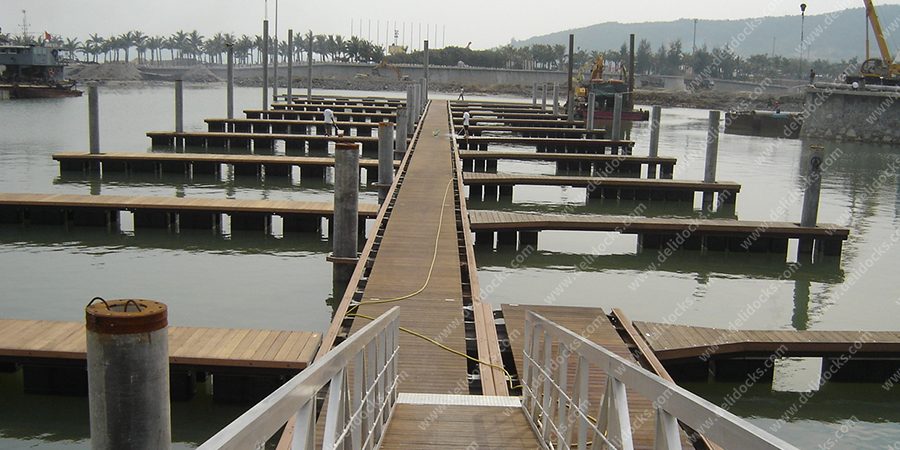
Defining the Modern Floating Platform
At its core, a floating platform is any buoyant structure that provides a stable, accessible surface atop water. It is not a vessel designed for primary navigation, though it may be towed into position.
The key distinction lies in its function. It is a destination or a utility, not a means of transport. Its design priorities are load capacity, stability at rest, and durability against constant environmental forces. From marina finger piers to large-scale offshore work stages, each application demands a tailored engineering approach.
Core Components and Engineering Principles
Every successful platform rests on three pillars: buoyancy, stability, and structure.
Buoyancy is typically provided by encapsulated pontoons made of high-density polyethylene (HDPE), steel, or reinforced concrete. These pontoons are calculated to displace a volume of water weighing more than the total dead and live loads placed upon them.
Stability is achieved through careful geometry and weight distribution. A wider platform base dramatically increases initial stability, resisting tilt. For areas with significant wave action, additional stabilizing elements like underwater skirts or flexible connections may be integrated.
The deck structure, often made of marine-grade aluminum, composite grating, or treated timber, transfers all live loads—people, vehicles, equipment—down into the buoyancy elements. The connection system between modular units is also critical, allowing for flexibility while maintaining overall integrity.
Primary Applications in the Marine World
The use cases for these platforms are extensive and growing.
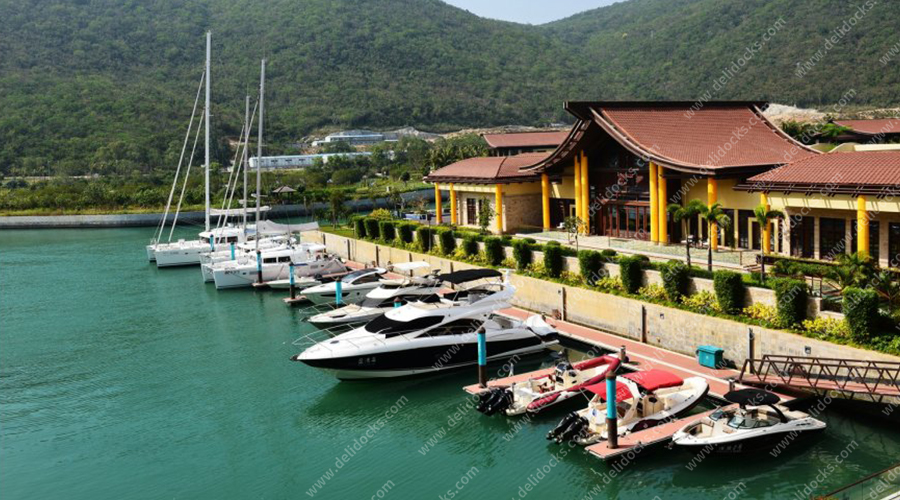
In international yacht marina engineering, they are the building blocks of modern docking facilities. Modular floating dock systems allow for customizable marina layouts that can adapt to changing water levels, a significant advantage over fixed piers. They provide gentle, consistent berthing for valuable yachts.
They also serve as dedicated boat lift platforms, fuel docks, and utility service hubs. Beyond berthing, marinas use them for waterfront restaurants, swim decks, and event spaces, expanding their commercial offerings.
Design and Material Considerations for Longevity
Material choice dictates maintenance and lifespan. HDPE pontoons are highly resistant to corrosion, impact, and UV degradation, making them a popular, low-maintenance choice. Steel, when hot-dip galvanized and coated with advanced marine paints, offers tremendous strength for heavy-duty applications but requires a rigorous upkeep schedule.
Concrete floats are extremely durable and stable, often used for very large, permanent installations. Decking materials range from slip-resistant composites to sustainable hardwoods like ipe. The selection always involves a balance between initial cost, expected loads, environmental conditions, and long-term maintenance resources.
Anchoring and Mooring Systems: Holding Position
A platform is only as good as its connection to the seabed. The anchoring system must restrain the structure from lateral movement (wind, current) and vertical movement (tide, waves).
Common solutions include pilings driven into the substrate, which the platform slides against via vertical sleeves. In deeper water, a catenary mooring system using chains and heavy anchors is employed. The design must account for the highest expected environmental loads—storm surges, extreme tides, and seasonal currents. This aspect of engineering shares conceptual ground with the secure mooring systems required for offshore-capable vessels, a hallmark of designs from builders like DeFever.
Environmental Impact and Regulatory Compliance
Responsible installation is paramount. Regulators scrutinize plans for potential impacts on water flow, sediment disruption, and aquatic habitats. In many jurisdictions, platforms are favored over filled structures because they allow light penetration and water circulation beneath them.
Permitting involves agencies responsible for waterways, coastal zones, and environmental protection. Documentation must cover everything from the construction materials (to prevent leaching) to the installation methodology. Compliance with local and international yacht marina engineering best practices is essential for approval.
Installation, Maintenance, and Operational Safety
Installation is a precise operation. Pre-assembled modules are typically floated into position and connected. Anchoring systems are then carefully set. On-site welding or assembly is minimized.
Maintenance is preventative. Regular inspections check for pontoon integrity, fastener corrosion, decking wear, and the condition of all cleats, rails, and utility conduits. Safety features like non-slip surfaces, adequate lighting, and clearly marked emergency equipment are integrated from the outset.
Beyond Marinas: Innovative and Specialized Uses
The utility of a floating platform in water extends well beyond traditional marinas. They form the basis for floating solar farms, a rapidly growing renewable energy sector. They are used as temporary work platforms for bridge inspections, dredging operations, and film production.
In aquaculture, they support feeding systems and equipment. For public spaces, they create floating parks, concert stages, or even temporary disaster relief landing pads. Each unique application pushes the boundaries of the core engineering principles.
Cost Factors and Project Planning
Budgeting is project-specific. Factors include size, materials, load requirements, complexity of the mooring system, and site accessibility. The cost of marine-grade materials and specialized labor is higher than for land-based construction.
A comprehensive plan starts with a detailed site analysis: bathymetry, wave climate, soil conditions, and regulatory landscape. Engaging with experienced marine engineers and contractors early can prevent costly redesigns and delays during the permitting phase.
The design and implementation of a reliable floating platform in water is a testament to applied marine engineering. It requires a methodical approach that respects the power of the aquatic environment while creating safe, functional, and durable space. As waterfront development continues to evolve, these flexible structures will play an increasingly central role in how we interact with our coasts, rivers, and lakes. The same philosophy of robust, seakeeping-conscious design seen in ocean-going yachts, such as those engineered by DeFever, informs the best practices for ensuring these platforms perform reliably for years to come.
Frequently Asked Questions (FAQ)
Q1: What is the typical lifespan of a commercial-grade floating platform?
A1: With proper material selection and maintenance, a well-built platform can last 25 to 50 years. HDPE systems often come with 20-30 year warranties. Steel systems may have a similar structural lifespan but require more frequent coating maintenance. Concrete floats can last the longest but are less common due to weight and cost.
Q2: Can a floating platform withstand rough weather and ice?
A2: Yes, but it must be specifically engineered for those conditions. For ice, manufacturers offer "ice-ready" pontoons with reinforced walls and special coatings. In wave zones, designs may include breakwater integration, wave-attenuating features, and heavy-duty mooring. No platform is immune to extreme events, but proper engineering mitigates routine environmental stress.
Q3: How are utilities like power and water run to a floating platform?
A3: Utilities are run from the shore through submerged, flexible conduits designed for marine use. They connect to a central utility pedestal on the platform. Electrical lines are in watertight conduits, often with additional slack or special pivoting connections to accommodate tidal movement and platform flex. All installations must meet strict marine electrical codes.
Q4: Do floating platforms harm water quality or marine life?
A4: Professionally installed platforms are generally considered low-impact. Because they displace rather than fill, they allow light and water flow, minimizing disruption to the ecosystem below. Using non-toxic materials and proper installation methods are key. In some cases, they can create new habitat, as the underside can attract colonizing organisms and provide shelter for fish.
Q5: What are the main advantages over a traditional fixed pier?
A5: The primary advantages are adaptability to water level fluctuations (tides, lake levels), easier installation and reconfiguration, and often a simpler permitting process as they are not considered permanent land expansion. They also provide a more consistent height relative to the water, making vessel access safer and easier in fluctuating conditions.