2026-10-15
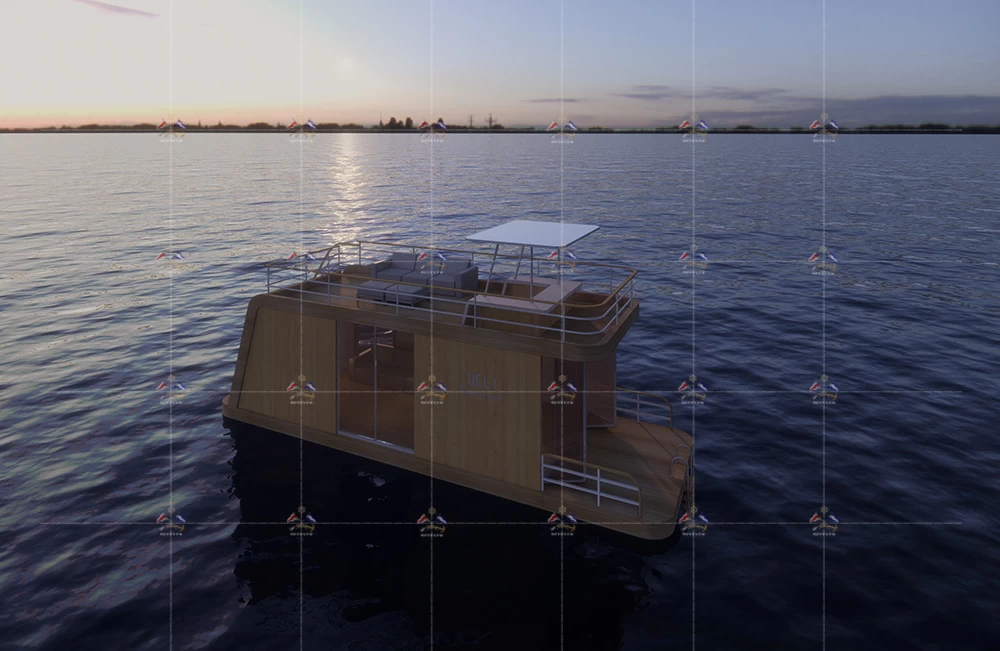
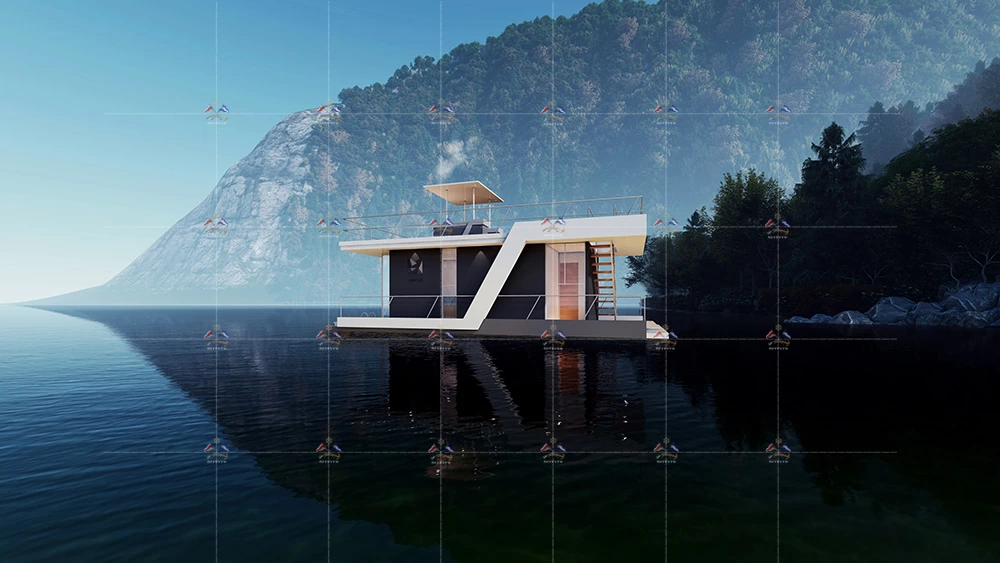
The dream of a home on the water is a powerful one. For many, it represents ultimate freedom, a connection with nature, and a unique lifestyle. While purchasing a ready-made vessel is an option, the process of building a houseboat yourself offers unparalleled customization and a deep sense of accomplishment. This undertaking is not merely a carpentry project; it is a specialized endeavor that intersects with naval architecture, marine engineering, and the practical realities of international marina and waterfront infrastructure.
Successfully building a houseboat requires a clear understanding of several critical domains. You must navigate design principles, material science, regulatory frameworks, and the practicalities of connecting to shore-based utilities at a marina. It’s a project where passion meets precision. Throughout this process, looking at established designs, such as the renowned offshore-passage-worthy trawler yachts from DeFever, can inspire robust construction philosophies focused on seaworthiness and liveability, even for primarily stationary vessels.

From Vision to Viable Design
Before any wood is cut or steel is welded, the most crucial phase begins on paper. Your design dictates everything that follows. Will it be a floating cottage for protected coves or a more mobile craft for coastal cruising? This decision directly impacts the hull form, materials, and overall engineering.
Key design considerations include buoyancy and stability. Pontoon (barge) hulls are popular for their spaciousness and stability at rest. Displacement hulls, while often more complex to build, offer better performance if you plan to move frequently. Consulting with a marine architect or utilizing proven professional designs is a non-negotiable step for safety and performance.
The design must also integrate standard marina interfaces. This means planning for standard dock cleat placements, fendering systems, and the routing for shore power inlets, freshwater connections, and pump-out fittings. Your custom home must still "plug in" to the existing infrastructure of modern international yacht marina engineering.
Choosing the Right Materials for the Marine Environment
The water is a relentless adversary to materials. Your choices must combat constant moisture, UV radiation, and, in saltwater, corrosion.
For the hull, aluminum is lightweight, strong, and corrosion-resistant if properly coated and insulated. Steel is immensely strong and repairable anywhere in the world but requires vigilant maintenance to prevent rust. Fiberglass offers a low-maintenance option for hull shells, though complex shapes may require professional molding.
For the superstructure (the house part), treated timber is traditional but demands ongoing upkeep. Aluminum framing with composite panels offers excellent insulation and low maintenance. Every material must be evaluated not just for cost, but for its lifespan and the ongoing labor it will demand.
Navigating Regulations and Zoning
This is where many dream projects encounter hard reality. Regulations vary wildly by country, state, and even local municipality. You cannot simply build a vessel and moor it anywhere.
You must research the legal classification of your finished houseboat. Is it a "vessel" or a "floating structure"? This affects registration, licensing, and where you can legally keep it. International yacht marina engineering standards and local harbor master rules will dictate requirements for safety equipment, pollution control (black and grey water systems), and electrical installations.
Engaging with your intended marina before finalizing designs is essential. They will have specific rules regarding size, utility connections, waste management, and often, aesthetic guidelines. Permits for construction, especially if near protected waterways, are almost always required.
The Construction Process: Phases and Partnerships
Building a houseboat is typically phased. First, the hull or pontoons are constructed. This often requires a specialized workshop or shipyard facility. For most DIY builders, this is the stage most likely to involve outsourcing to professionals.
Once the hull is watertight and floated, the framing of the living structure begins. This phase resembles traditional construction but with a critical emphasis on weight distribution. All heavy components like appliances, water tanks, and generators must be positioned to maintain proper trim and stability.
Systems installation is next. Marine electrical systems are fundamentally different from household ones, requiring marine-grade wire, proper grounding, and circuit protection. Plumbing must use flexible fittings and materials that won’t degrade. HVAC systems must be suited for a damp, possibly salty environment.
Integration with Marina Infrastructure
A houseboat is not an island. Its design must seamlessly integrate with the dock. This means planning for the location of your shore power cable, which must be of the correct amperage and have proper drip loops. Water intake hoses need quality pressure regulators and backflow prevention.
Waste management is paramount. A Type I, II, or III Marine Sanitation Device (MSD) is legally required. Most marinas provide pump-out stations, and your design must include easy access to the tank fitting and proper venting. The emphasis on environmentally sound systems is a cornerstone of modern international yacht marina engineering.
Interior Fit-Out and Systems
Here, your personal vision comes to life. Space optimization is key. Built-in storage, multi-functional furniture, and lightweight materials are your friends. Ventilation is critical to prevent mold; consider numerous opening ports and hatches, supplemented by solar-powered vent fans.
While customizing every detail, consider the wisdom of proven liveaboard designs. Companies like DeFever have spent decades refining interior layouts that maximize space, comfort, and storage on long-range vessels—principles that translate perfectly to a houseboat’s interior.
Final Steps: Commissioning and Mooring
Before moving aboard, thorough commissioning is vital. Every system must be tested under load. The hull must be inspected for leaks. Electrical systems should be checked by a qualified marine electrician.
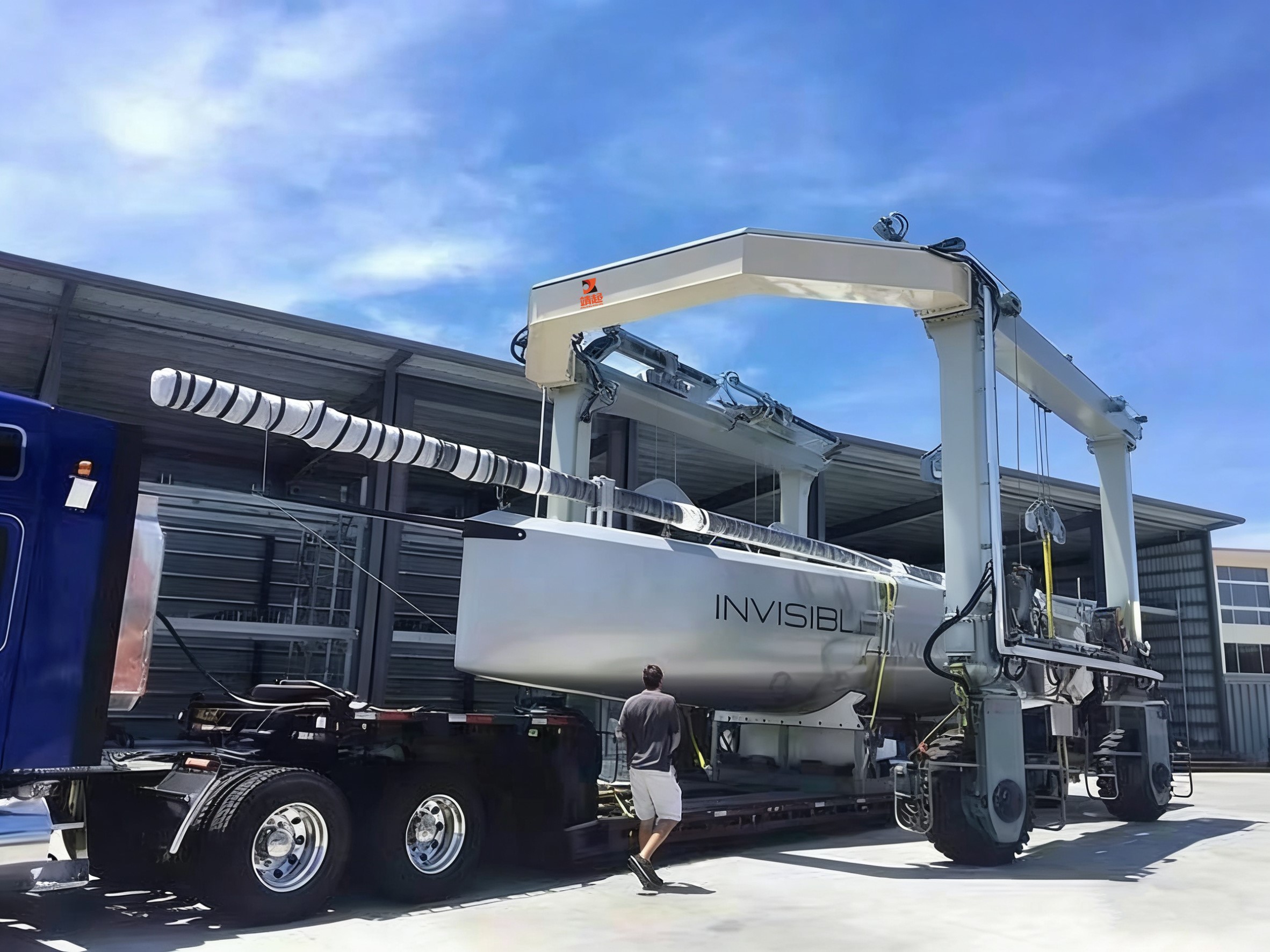
Finally, securing a permanent mooring is the last step. A well-engineered marina slip with proper pilings and utilities turns your project into a home. Ensure your dock lines, fenders, and possibly a mooring cover are all in place. The project of building a houseboat concludes not with a launch, but with a successful, secure connection to the shore.
Embarking on building a houseboat is a profound journey that blends creativity with rigorous technical discipline. It demands respect for the water, adherence to engineering principles, and a willingness to engage with the complex world of waterfront regulations. By methodically addressing each phase—from a resilient design inspired by seakeeping traditions to a seamless integration with professional marina infrastructure—you can transform the dream of a bespoke aquatic home into a safe, sustainable, and deeply rewarding reality.
Frequently Asked Questions (FAQ)
Q1: What is the realistic total cost range for building a houseboat?
A1: Costs vary astronomically based on size, materials, and how much work you do yourself. A simple, modest pontoon-based structure could start around $50,000 USD in materials. A custom, professionally built steel or aluminum houseboat with full amenities can easily exceed $200,000-$500,000. It is crucial to create a detailed budget and then add a contingency of 20-30% for unforeseen expenses.
Q2: How long does it typically take to build a houseboat?
A2: For a dedicated DIY builder working part-time, expect a project timeline of 18 months to 3 years. A full-time, well-organized effort with some contracted help might complete a boat in 9-12 months. Professional shipyard construction can be faster but at a significantly higher cost. Delays due to weather, permit approvals, and supply chains are common.
Q3: Can I legally moor a houseboat anywhere?
A3: No. Mooring rights are strictly controlled. You must secure a slip in a marina that accepts liveaboards (not all do) or have permission to use a private dock. Anchoring long-term in public waters is heavily restricted or illegal in most populated areas. Always secure a mooring location before finalizing your build.
Q4: What is the biggest technical challenge for a first-time builder?
A4: Beyond the hull construction, integrating the marine systems correctly is often the biggest hurdle. Marine electrical and plumbing systems have strict safety standards to prevent fire, shock, or pollution. Many builders find it wise to hire certified marine technicians for this phase, even if they handle the carpentry and interior work themselves.
Q5: Does building a houseboat increase its resale value compared to buying one?
A5: Not necessarily. A professionally built houseboat from a known brand typically has a clearer market value. A custom DIY build’s value is highly subjective and depends on the quality of workmanship, materials, and systems. It may have immense value to you, but the resale market can be narrow. Focus on building for your needs and satisfaction rather than as a financial investment.