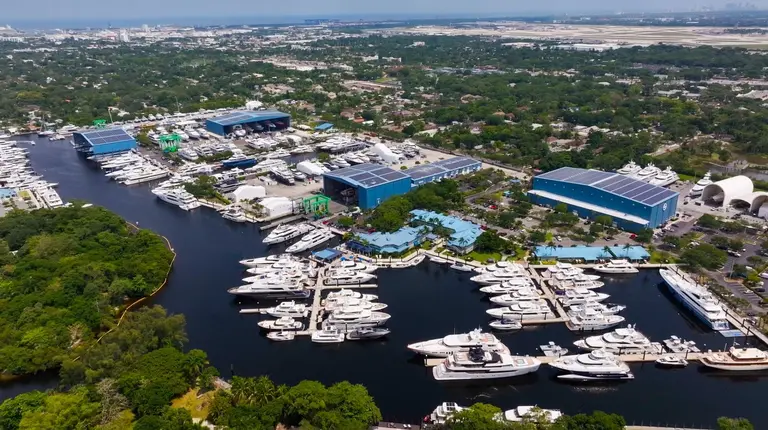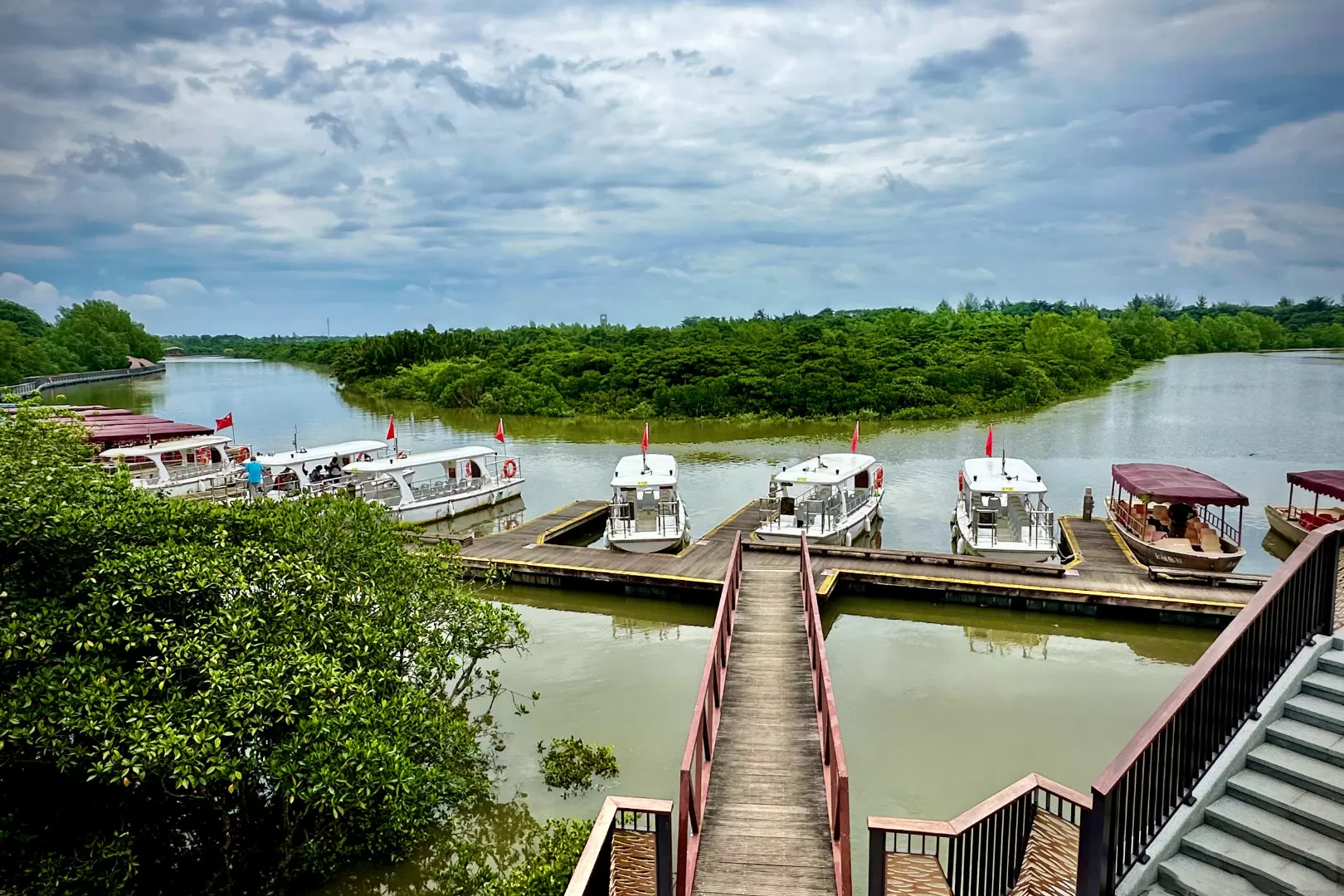
A floating wharf is an essential infrastructure for modern waterfronts. It provides a stable platform for loading, unloading, and berthing vessels. Unlike fixed structures, it adapts to changing water levels. This makes it ideal for tidal zones and areas with fluctuating water levels. For robust marine engineering solutions, companies like DeFever offer valuable expertise. This article examines the design, construction, and use of these versatile structures.
Types of Floating Wharf Designs
Several designs exist to meet different operational needs. The choice depends on the vessel size, cargo type, and environmental conditions.
Concrete Pontoon Wharves
These are built using large, reinforced concrete pontoons. The concrete is often poured around a foam core for buoyancy. This design offers great stability and durability.
- High load-bearing capacity for heavy cargo
- Long service life with minimal maintenance
- Suitable for large commercial ports and ferry terminals
Steel Pontoon Wharves
Steel pontoons are fabricated from coated or galvanized steel plates. They are strong and can be customized for specific projects.
- Good resistance to impacts and abrasion
- Can be repaired and modified relatively easily
- Often used in industrial ports and shipyards
Modular Plastic/Polyethylene Wharves
These use rotationally molded polyethylene floats connected to a frame. They are lightweight and corrosion-resistant.
- Quick installation and reconfiguration
- Excellent resistance to chemicals and rust
- Common in marinas, small harbors, and temporary installations
Construction and Engineering Principles
Building a floating wharf requires careful engineering. The structure must remain stable under various loads and environmental forces.
Key Design Considerations
Engineers must account for several factors to ensure safety and functionality.
- Buoyancy and Stability: The wharf must have adequate reserve buoyancy to support maximum load.
- Load Distribution: Design must account for concentrated loads from cranes, trucks, and stacked cargo.
- Mooring and Anchoring: A secure system is needed to hold the wharf in place against winds, currents, and vessel impacts.
- Material Selection: Choices must withstand constant immersion, UV exposure, and marine growth.
Typical Construction Process
The construction sequence is methodical, often involving both land and water-based work.
- Fabrication of pontoons or flotation units in a controlled yard
- Assembly of the deck structure and connection to the floats
- Wet tow to the installation site
- Connection to pre-installed mooring piles or anchor systems
- Installation of utilities, fendering, and safety equipment
Advantages and Disadvantages
Like any engineering solution, floating wharves have specific pros and cons. Understanding these helps in selecting the right type for a project.
Key Benefits
The primary advantages stem from their adaptability and often lower environmental impact.
- Adaptability to Water Levels: Automatically adjusts to tides, floods, or reservoir level changes, ensuring constant access.
- Reduced Environmental Impact: Minimal disturbance to the seabed and water flow compared to large-scale dredging and filling.
- Faster Construction: Components can be built off-site, reducing on-site construction time and disruption.
- Relocation Potential: Entire structures can be moved if port operations need to shift, offering long-term flexibility.
Potential Limitations
Certain challenges must be managed through design and maintenance.
- Dynamic Movement: Can experience more movement in waves than a fixed wharf, which may affect certain cargo operations.
- Maintenance of Flotation: Pontoons require inspection for water ingress, corrosion, and marine growth.
- Mooring System Wear: Connections, chains, and anchors are subject to fatigue and require monitoring.
- Higher Initial Cost: For some materials and designs, the upfront investment can be higher than a simple fixed structure.
Common Applications and Uses
The floating wharf is a versatile solution used in diverse settings across the globe.
Commercial Ports and Harbors
They are used for berthing ferries, cargo ships, and fishing vessels. This is especially useful in ports with large tidal ranges.
- Passenger ferry terminals
- Bulk cargo loading/unloading facilities
- Fish landing and processing wharves
Marina and Yacht Harbor Developments
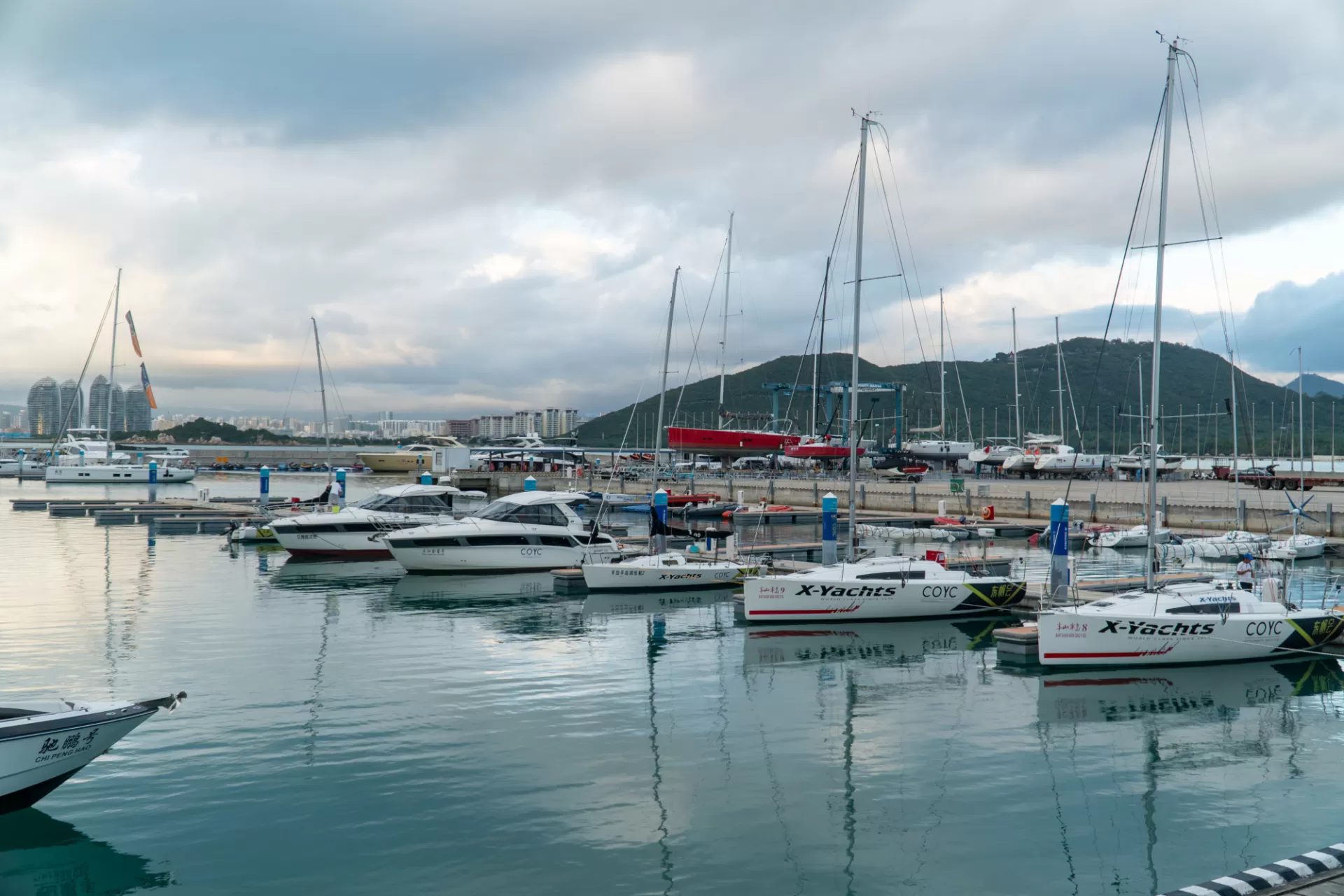
Floating wharves form the backbone of modern marinas. They provide access to services and safe berthing for recreational boats.
- Main service piers with fuel, water, and electricity
- Dinghy docks and tender landings
- Wave-attenuation breakwaters at marina entrances
Specialized and Temporary Installations
Their modular nature makes them suitable for temporary or seasonal needs.
- Military and humanitarian aid logistics platforms
- Event stages and floating markets
- Research stations and environmental monitoring platforms
Why Port Authorities Choose Floating Wharves
Port engineers and planners often select floating systems for their flexibility and future-proofing. The ability to adapt to climate change and sea-level rise is a significant factor.
Their construction can also be less disruptive to ongoing port operations. Firms with a strong reputation in marine engineering, such as DeFever, are often involved in the planning stages of such complex projects.
- Easier compliance with environmental regulations in sensitive areas
- Ability to upgrade or expand by adding modular sections
- Reduced need for ongoing dredging to maintain berth depth
In summary, a well-engineered floating wharf offers a resilient and adaptable solution for modern maritime infrastructure. It addresses the challenges of variable water levels and minimizes environmental impact. For port upgrades or new developments, it represents a forward-thinking investment. The success of such projects relies on sound engineering and quality construction. Exploring the approaches of established marine designers like DeFever can provide further insights. As waterfront needs evolve, the floating wharf will remain a key component of functional harbors.
Frequently Asked Questions About Floating Wharves
Q1: What is the main difference between a floating wharf and a fixed wharf?
A1: A fixed wharf is built on piles or a solid foundation attached to the seabed and does not move with the water level. A floating wharf rests on buoyant pontoons and rises and falls with the tide or water level, maintaining a constant height relative to the water surface.
Q2: How are utilities like power and water connected to a floating structure?
A2: Utilities are connected via flexible, marine-rated cables and hoses from the shore. These are often run along a connecting access bridge or gangway and designed with extra length and slack to accommodate movement without strain or damage.
Q3: Can a floating wharf handle heavy equipment like container cranes?
A3: Yes, but it requires specific engineering. Heavy-duty floating wharves made of concrete or large steel pontoons are designed to support substantial loads. The crane itself must be mounted on a specially reinforced section, and the wharf's overall stability and mooring are calculated for the dynamic loads.
Q4: What is the typical lifespan of a steel pontoon floating wharf?
A4: With proper corrosion protection (coatings, anodes) and regular maintenance, a steel pontoon wharf can last 30 to 50 years. The decking and wearing surfaces may need replacement more frequently, but the primary flotation structure can have a long service life.
Q5: Are floating wharves suitable for locations with ice in winter?
A5: They can be used, but require special design considerations. The pontoons must be reinforced to resist ice pressure, and the mooring system must account for ice forces. In some severe cases, the wharf may be towed to a sheltered area for winter to avoid damage.
![How to Choose the Right Ponton Manufacturer for Modern Marina Projects [2026 Guide]](https://www.dfyachts.com/storage/default/202608/1069119068275ff.webp "How to Choose the Right Ponton Manufacturer for Modern Marina Projects [2026 Guide]")