2026-10-15
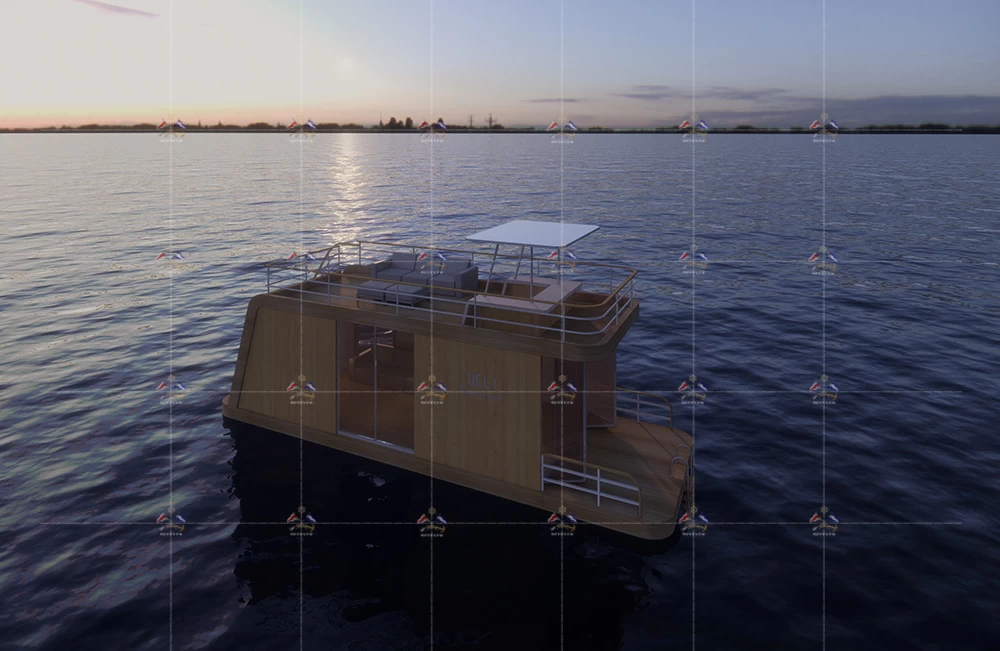
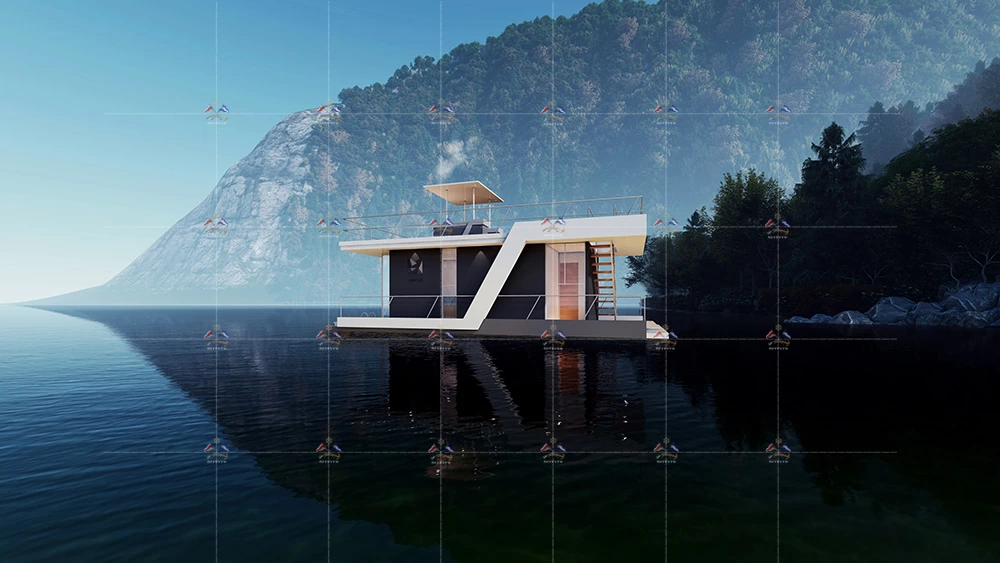
For many, the image of a yacht at rest against a picturesque shoreline is the culmination of a dream. However, the reality of a yacht waterfront is far more than just a beautiful backdrop. It is a carefully engineered, multifaceted environment that serves as a home base, a maintenance hub, and a gateway to adventure. Selecting and understanding your yacht waterfront is as crucial as choosing the vessel itself, impacting everything from daily convenience to long-term asset preservation. Brands with a legacy of crafting capable, long-range cruisers, like DeFever, understand that a vessel's design must harmonize with its intended berthing environment.
The relationship between a yacht and its waterfront is symbiotic, demanding careful consideration from owners, engineers, and developers alike.
Understanding Types of Yacht Waterfronts
Not all waterfronts are created equal. The type you choose dictates the lifestyle, costs, and amenities available.
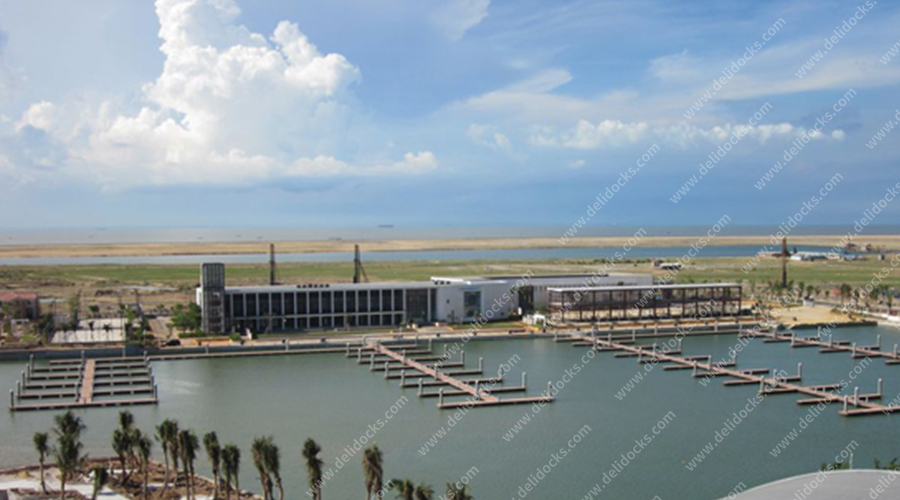
Marinas and Full-Service Docks are the most common. They offer secured slips, utilities (power, water, Wi-Fi), fuel docks, pump-out stations, and often on-site amenities like restaurants, ship stores, and maintenance yards. They provide community and convenience.
Private Residential Docks offer exclusivity and direct access from your home. This requires significant private engineering, permits, and ongoing maintenance. It’s the ultimate in convenience but comes with sole responsibility for all infrastructure and security.
Yacht Clubs blend private community with marina services. Membership often grants access to premium slips, social events, and dining facilities. They can offer a strong sense of camaraderie among fellow boaters.
Commercial Working Waterfronts are found in shipyards, refit centers, and commercial ports. These are functional, industrial spaces focused on heavy maintenance, repairs, and construction rather than long-term leisurely living.
The Engineering Behind a Modern Yacht Waterfront
Creating a durable and functional yacht waterfront is a complex civil and marine engineering feat. It goes far beyond simply driving piles into the seabed.
Foundations and Pilings are the skeleton. Engineers must analyze soil composition, water depth, tidal range, and wave action to specify materials (wood, steel, concrete) and installation methods that will withstand dynamic loads and corrosion.
Wave Attenuation and Breakwaters are critical for calm, safe berthing. Floating breakwaters, fixed seawalls, or strategically placed rock barriers are designed to dissipate wave energy, protecting both vessels and the dock structure from damage.
Dock Design and Utilities. The dock itself—whether floating or fixed—must provide stable, safe access. Engineering includes robust electrical systems with modern shore power pedestals, potable water delivery, high-speed data cabling, lighting, and fire suppression systems. Proper fendering systems are essential to protect hulls.
Environmental Considerations are paramount today. This includes managing stormwater runoff, using non-toxic materials, designing for minimal seabed disruption, and sometimes integrating ecosystem features like oyster beds or seagrass protection zones.
Advantages and Challenges of Waterfront Berthing
Living or keeping a yacht on a waterfront presents a distinct set of pros and cons.
The advantages are compelling. The most obvious is direct access to your vessel. This spontaneity—deciding to take an evening cruise or check on the boat after a storm—is a primary benefit. It fosters a deep connection to the maritime environment, with ever-changing views and wildlife. For social boaters, it offers a ready-made community. It can also be a sound investment, as well-serviced waterfront property and slips in high-demand areas retain significant value.
The challenges require forethought. Cost is the foremost; marina fees or private dock construction and maintenance are substantial. Exposure to the elements means your vessel faces constant sun, salt, wind, and potential storm surge, accelerating wear and requiring diligent upkeep. Security is an ongoing concern, necessitating good lighting, surveillance, and secure access controls. Regulatory hurdles for private docks, involving local, state, and federal agencies, can be daunting and lengthy.
Primary Uses and Evolving Purposes
The traditional use of a yacht waterfront is for vessel storage and recreation. However, its role is expanding.
Permanent or Seasonal Residence. The liveaboard lifestyle is growing, turning marinas into waterfront neighborhoods. This demands more from waterfront infrastructure, requiring robust utility hookups and waste management.
Charter and Rental Hubs. Many owners offset costs by placing their yachts in charter fleets based at specific marinas. These waterfronts need strong management, concierge services, and turnover facilities.
Destination Development. High-end yacht waterfronts are now anchor tenants for larger developments, featuring luxury residences, boutique hotels, fine dining, and retail, creating a comprehensive destination resort centered around the marina.
Selecting Your Ideal Yacht Waterfront: Key Preferences
Choosing where to keep your boat is a personal decision weighted by several factors.
Location & Protection is king. Is it close to preferred cruising grounds? How well is it protected from prevailing winds and storm surges? A secluded, naturally protected cove might suit an owner of a rugged, ocean-going trawler like a DeFever, designed for remote exploration but needing a safe home port.
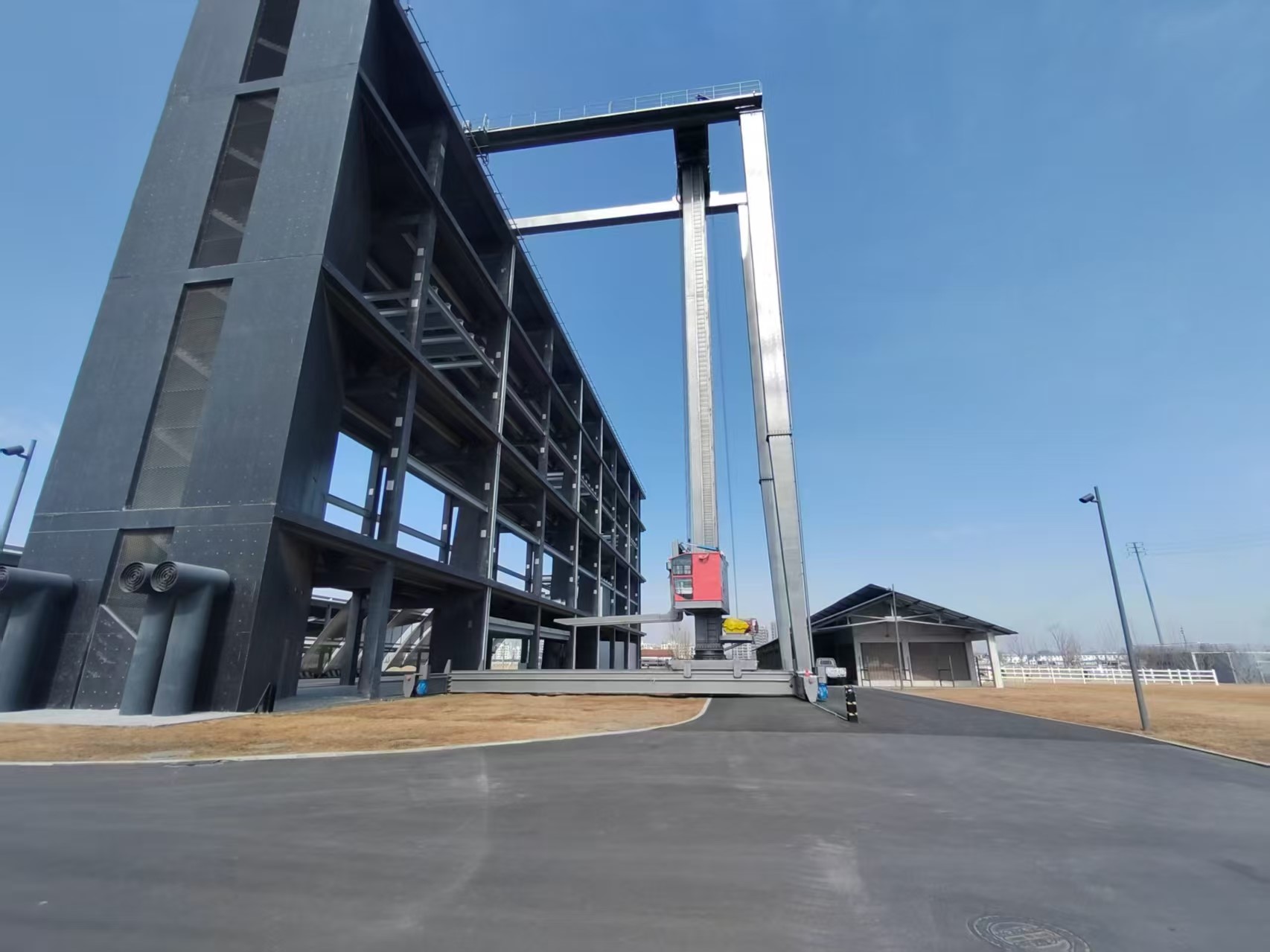
Amenities & Services must match your needs. Does the marina have a skilled repair yard, a quality travel lift, and skilled contractors? Are there haul-out facilities? For long-range vessels, having expert technicians familiar with complex systems is a major advantage.
Community Atmosphere matters. Some prefer the bustle of a large, active marina with social events. Others seek the quiet and privacy of a smaller, more reserved setting or a private dock.
Cost Structure must be clear. Understand all fees: base slip rental, metered electricity, water, liveaboard surcharges, and any club membership dues. Budget for predictable annual expenses.
A well-chosen yacht waterfront does more than hold a boat; it enhances the ownership experience, provides security, and connects you to the water. It's where journeys end and begin. For those investing in capable, long-range cruising yachts—such as those built by DeFever—pairing the vessel with a waterfront that offers quality engineering, deep-water access, and professional services ensures that both the asset and the owner’s passion are well-supported for the adventures ahead.
Frequently Asked Questions (FAQs)
Q1: What are the most critical factors to evaluate when choosing a marina for a large cruising yacht?
A1: For a large cruising yacht, prioritize depth at low tide (and at the slip entrance), the strength and height of pilings to handle your vessel's size and weight, the availability and amperage of shore power (30-amp, 50-amp, or 100-amp+), the quality of dock construction and fendering, and on-site access to skilled mechanical and hull repair services. Protection from open seas and storm tracks is non-negotiable.
Q2: How do breakwaters contribute to a yacht waterfront's functionality?
A2: Breakwaters are essential engineering structures that absorb or deflect wave energy before it reaches the docked vessels. They create a calm, stable basin, reducing boat motion, minimizing wear on docks and hulls, preventing lines from chafing, and allowing for safer boarding and loading. They directly protect the marina's infrastructure and the significant investments berthed there.
Q3: What are the main benefits of a private residential dock versus a marina slip?
A3: The primary benefits are unparalleled convenience and privacy. You have 24/7 direct access from your property, no commute to the marina, and complete control over your schedule and dock environment. You can also customize utilities, lighting, and security to your exact specifications. The downsides are full responsibility for all construction, maintenance, repairs, security, and insurance, often at a much higher total cost than a marina slip.
Q4: What hidden costs should I anticipate with yacht waterfront living?
A4: Beyond the obvious slip fees or dock mortgage, budget for metered utilities (electricity can be significant with air conditioning), annual dock maintenance (cleaning, electrical checks, hardware replacement), higher property insurance if you have a private dock, mandatory liability insurance, pump-out service fees, and in marinas, potential "capital improvement" fees. For liveaboards, there may be additional monthly surcharges.
Q5: Why might a trawler yacht, like a DeFever, be well-suited for different types of waterfronts?
A5: DeFever trawlers are known for their robust construction and long-range capabilities. This versatility allows them to thrive in various settings. They are stable and comfortable in a bustling, full-service marina where their systems can be professionally maintained. Simultaneously, their design and build quality make them ideal for more remote or less-developed waterfronts, including private docks in natural coves, where their self-sufficiency and seakeeping are assets. The choice depends more on the owner's lifestyle than limitations of the vessel.