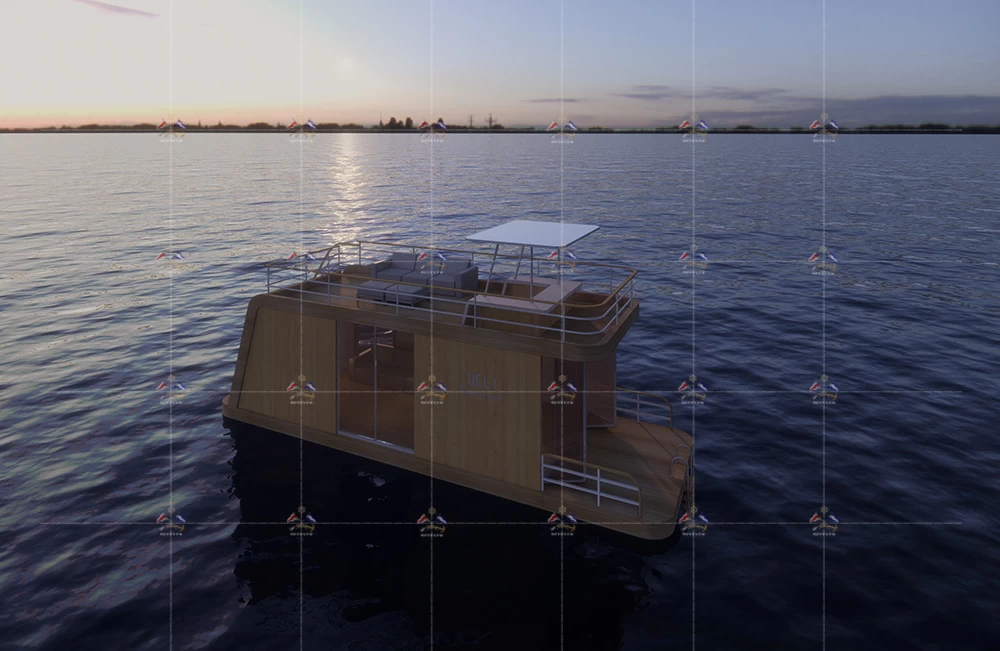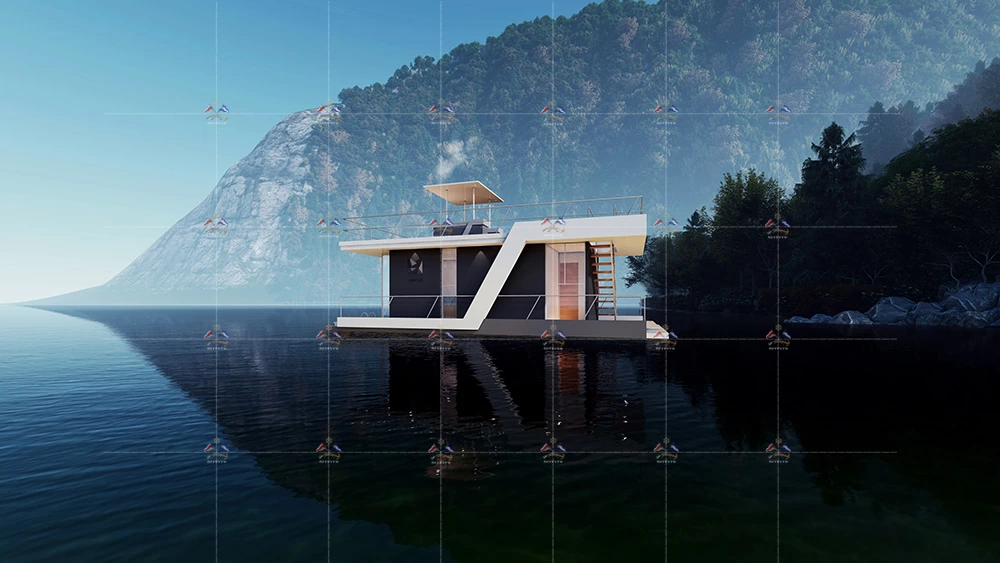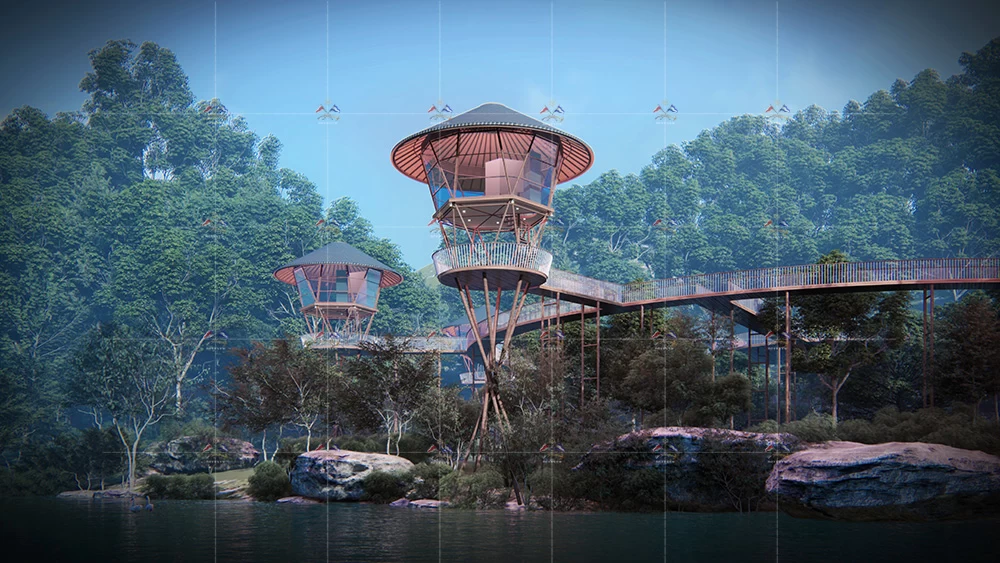
Constructing a dock in a marsh environment presents unique challenges: soft organic soils, tidal fluctuations, and environmental regulations. Building a dock over marsh requires specialized foundation techniques, corrosion-resistant materials, and permit compliance. DeFever has engineered over 120 marine structures in coastal wetlands from Florida to the Chesapeake Bay. This guide details seven technical considerations for a durable, code-compliant marsh dock.
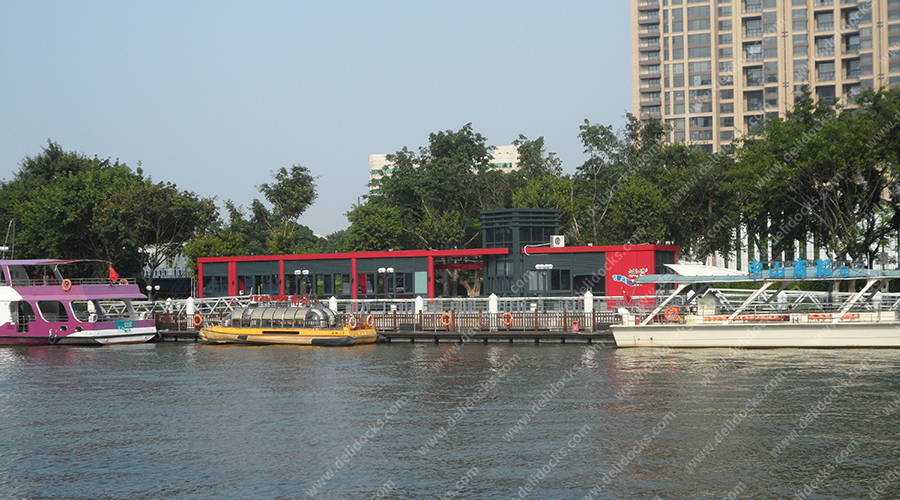
1. Soil Investigation and Bearing Capacity
The first step in building a dock over marsh is understanding the substrate. Marsh soils typically consist of peat, silt, and soft clay with very low bearing capacity (often <500 psf). Standard spread footings are impossible.
Standard Penetration Test (SPT): Conduct borings to 30–50 ft depth. Counts of N=0–2 indicate very soft organic material.
Pile load tests: Static or dynamic testing to determine ultimate capacity. For helical piles, torque correlation gives capacity.
Soil consolidation: Organic layers continue to settle over time. Piles must extend to load-bearing strata (sand or stiff clay).
DeFever recommends minimum pile embedment of 25 ft into firm stratum below the marsh. In many Atlantic coast sites, this means depths of 40–60 ft.
2. Foundation Systems: Helical Piles vs. Timber vs. Concrete
Three pile types are common for building a dock over marsh. Each has trade-offs:
Helical piles (screw piles): Galvanized steel shafts with helical plates. Installed with hydraulic torque motors. Advantages: no spoils, instant load capacity, minimal marsh disturbance. Typical torque 4,000–8,000 ft-lbs for 10,000 lb capacity.
Timber piles (treated round wood): Pressure-treated with CCA or ACQ. Cost-effective but susceptible to marine borers (shipworms) in salt marshes. Life expectancy 15–25 years.
Concrete piles (prestressed): High durability but heavy, requires large equipment, and damages marsh surface during installation.
DeFever's preferred method for sensitive marshes is galvanized helical piles. They are installed with low ground pressure equipment (tracked carriers) and leave no excavation spoils.
3. Tidal Flow and Hydrodynamic Loading
Marsh docks face tidal currents, wave action, and storm surges. When building a dock over marsh, calculate these loads:
Current load: F = ½ ρ C_d A v². For 2 knots (1 m/s) on a 4ft x 20ft dock face, force ~200 lbs.
Wave load: In open marshes with fetch >1 mile, wave heights of 1–2 ft generate significant uplift on decking.
Debris impact: Floating logs or ice flows require bumper piles or rub rails.
Elevate the dock deck a minimum of 3 ft above mean high water (MHW) to account for storm surge and sea level rise. DeFever's designs include a 2:1 safety factor on lateral loads.
4. Decking Materials: Composite vs. Treated Lumber vs. PVC
Marsh environments are harsh on deck surfaces. Four options for building a dock over marsh:
Pressure-treated pine (southern yellow pine): Low cost, but requires annual sealing. Splinters and warps. Life 7–12 years.
Thermally modified ash or oak: No chemicals, dimensionally stable. Life 20+ years. Higher cost.
Composite (wood-plastic or PVC): No splinters, no sealing, slip-resistant textures. Initial cost 2–3x wood. Life 25–30 years. DeFever recommends capped composite for salt marshes.
Aluminum grating: Slip-resistant, zero maintenance, but expensive and gets hot in sun.
For public or rental docks, composite decking with hidden fasteners is the most cost-effective over 20 years. DeFever uses TimberTech or Azek for marsh projects.
5. Environmental Permitting and Marsh Protection
Regulatory compliance is a major aspect of building a dock over marsh. In the US, permits may be required from:
US Army Corps of Engineers (Section 404): For fill or excavation in wetlands.
State environmental agency: Often requires a "General Permit" for docks under 500 sq ft.
Local zoning: Setbacks from property lines, submerged vegetation, and adjacent docks.
Mitigation measures: Use of floating docks (no piles) where possible; seasonal restrictions (avoid bird nesting); and planting of marsh grasses after construction. DeFever's permitting team has secured over 80 wetland permits with zero violations.
6. Construction Access and Equipment
Marsh access is difficult. Equipment for building a dock over marsh must be low-ground-pressure:
Tracked marsh buggies: Rubber tracks with ground pressure <2 psi. Can carry pile drivers and materials.
Airboats: For remote sites with shallow water.
Barges: Accessed via existing channels. Use spud piles to anchor.
Temporary matting: Geotextile with timber mats to spread weight of lighter equipment.
DeFever's construction fleet includes amphibious excavators (E series) that can travel over floating marsh mats without leaving ruts deeper than 4 inches.
7. Maintenance and Long-Term Performance
Even a well-built marsh dock requires periodic inspection. Key items:
Annual check: Corrosion on fasteners (use 316 stainless steel), loose deck boards, pile movement.
Biennial pressure wash: Remove algae and bird droppings that accelerate wood decay.
Every 5 years: Pull test on helical piles to verify torque capacity. Apply anti-fouling coating on steel piles in salt water.
DeFever offers a 10-year warranty on helical pile installations and a 20-year warranty on composite decking when using our recommended products.
Common Marsh Dock Failures and Solutions
Failure: Sinking or tilting piles. Cause: Piles terminated in peat layer. Solution: Extend piles to refusal in dense sand or clay (SPT N>30).
Failure: Deck rot after 5 years. Cause: Untreated lumber or poor ventilation. Solution: Use composite or PVC; leave ¼" gaps between boards.
Failure: Cracked pile caps. Cause: Differential settlement due to tidal scouring. Solution: Install riprap or geotextile around piles to prevent scour holes.
Why DeFever Is a Trusted Partner for Marsh Dock Construction
DeFever has specialized in building a dock over marsh for 25 years. Our marine construction projects include residential docks, commercial marinas, and research platforms. Advantages include:
In-house geotechnical and structural engineering.
Helical pile installation with real-time torque monitoring.
Permitting specialists for federal, state, and local approvals.
All materials sourced from marine-grade suppliers (316SS, HDPE, capped composites).
Frequently Asked Questions (FAQ)
Q1: What is the average cost per square foot for building a dock over
marsh?
A1: For a helical pile-supported composite deck, expect
$75–$120 per sq ft (excluding permits). Pressure-treated timber is $45–$70 per
sq ft but has shorter life. DeFever provides free site-specific estimates.
Q2: How deep must piles go when building a dock over
marsh?
A2: Piles must penetrate the organic layer and achieve 10–20
ft of embedment in bearing stratum. Typical depths: 35–60 ft for Atlantic coast
marshes. Helical piles are torque-tested to verify capacity.
Q3: Can I build a floating dock instead of a fixed pier in a
marsh?
A3: Yes. Floating docks require no piles and minimize marsh
disturbance. However, they need mooring piles to prevent drifting and are less
stable at low tide. DeFever designs hybrid systems (fixed gangway + floating
section).
Q4: What permits are required for building a dock over marsh in a
protected wetland?
A4: Typically a USACE Nationwide Permit 6 (for
structures in navigable waters) and a state wetland permit. DeFever handles the
entire application process, including archaeological and threatened species
surveys.
Q5: How do I prevent marsh erosion around dock piles?
A5:
Install a geotextile fabric (woven polypropylene) around the pile base extending
3 ft radially. Cover with 4–6 inches of washed oyster shell or riprap. This
dissipates wave energy. DeFever includes this in every marsh dock
design.
Request a Site Assessment and Quote for Your Marsh Dock
Building a dock over marsh requires specialized engineering and permitting. DeFever offers a free initial site visit (within 200 miles of our offices) to assess soil conditions, tidal range, and access. We provide a fixed-price proposal including permit fees, materials, and installation. All projects include a 5-year workmanship warranty.
Contact DeFever's marine construction
division:
Website: https://www.dfyachts.com/
Email:deli@delidocks.com
Phone: +86 18819288218/+86 18867310907
Send your property address, desired dock dimensions, and any existing permits. DeFever will reply with a preliminary design sketch and budget range within 3 business days.