2026-10-15
In the field of international yacht marina engineering, a floating bridge pontoon is a key structural component. It provides a stable, movable link across water for both people and vehicles. These structures are vital for creating flexible and accessible marina layouts. Their design must account for water movement, load, and environmental conditions. Experienced firms like DeFever apply specialized knowledge to engineer pontoons that are both durable and functional. This article explains the main aspects of these floating bridges.
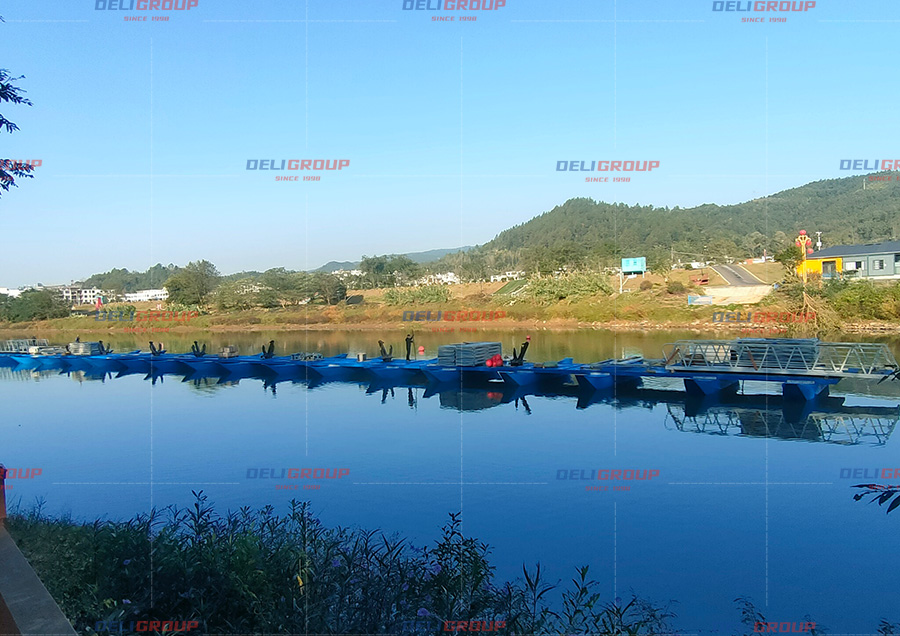
What is a Floating Bridge Pontoon?
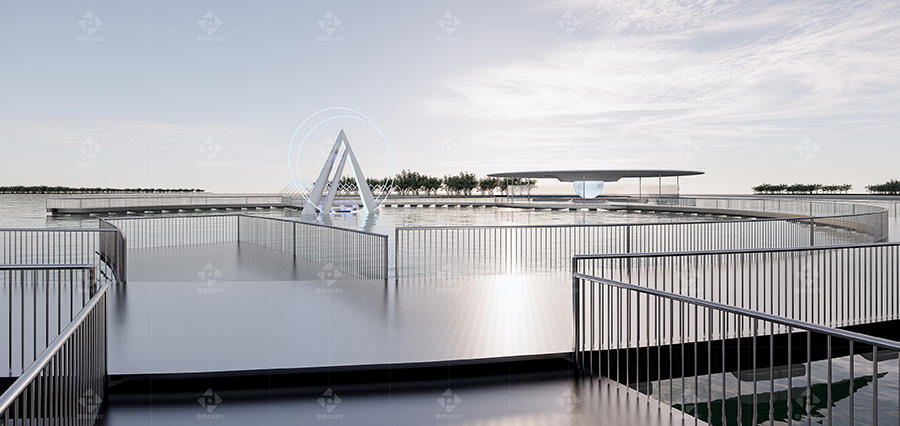
A floating bridge pontoon is a platform that rests on the water's surface. It is supported by buoyant units. These bridges connect different parts of a marina. They allow access to docks, fuel stations, and shore facilities.
Unlike fixed bridges, they rise and fall with water levels. This makes them ideal for tidal areas. A well-designed floating bridge pontoon improves traffic flow and safety. It is a practical solution for modern marina infrastructure.
Key characteristics include:
Modular construction for easy assembly.
High stability to support varying weights.
Corrosion-resistant materials for long life.
Primary Functions in a Marina Setting
These pontoons serve several roles. They act as primary walkways for visitors. They provide access to remote or temporary docking spots. Sometimes, they support light vehicle traffic for maintenance.
In emergency cases, they can be reconfigured quickly. This flexibility is valuable for marina operations. A reliable floating bridge pontoon system ensures smooth day-to-day activities.
Engineering and Design Principles
Designing a floating bridge requires careful engineering. The goal is to balance buoyancy, stability, and strength. Engineers calculate the load capacity needed for expected use.
Factors like wave action, wind, and current are critical. The design must prevent excessive movement. Safety features like railings and non-slip surfaces are standard.
Many modern designs use computer modeling. This helps predict performance under different conditions. A successful floating bridge pontoon meets both functional and safety standards.
Stability and Buoyancy Calculations
Stability is the most important factor. Engineers determine the right amount of buoyancy. This depends on the weight of the bridge itself plus the maximum live load.
The pontoons are placed to distribute weight evenly. A low center of gravity prevents tipping. Calculations also consider dynamic forces from water and wind.
Properly sized flotation units are essential. Brands like DeFever use precise engineering to achieve optimal stability. This ensures the bridge remains steady in use.
Materials Selection for Durability
Material choice affects longevity and maintenance. Common materials include:
Concrete: Heavy and stable, good for permanent installations.
Steel: Strong but requires protection from rust.
Aluminum: Lightweight and corrosion-resistant.
Polyethylene Plastics: Rot-proof and impact-resistant.
For saltwater environments, corrosion resistance is a priority. Coatings and galvanization extend material life. The choice often balances cost with expected lifespan.
A floating bridge pontoon made from quality materials needs less repair. This reduces long-term costs for marina operators.
Installation Process and Considerations
Installing a floating bridge is a multi-step process. It starts with a detailed site survey. Engineers check water depth, bottom conditions, and environmental rules.
The installation method depends on the bridge size and location. Common steps include anchoring, connecting modules, and testing.
Site Preparation and Planning
Good planning prevents problems. The site must be cleared of obstacles. The waterbed may need leveling. Necessary permits from local authorities must be secured.
The installation team reviews weather and tide charts. They choose a calm period for work. This planning phase is crucial for a smooth project.
Step-by-Step Assembly and Anchoring
First, pontoon modules are brought to the site. They are often floated into position from a barge.
Then, they are linked together using strong connectors. The entire structure is anchored to the seabed. Anchors can be piles, screws, or concrete blocks.
Finally, walkway surfaces, railings, and utilities are attached. The completed floating bridge pontoon is tested for stability and load capacity.
Professional installation ensures safety and durability. It also helps the structure meet engineering specifications.
Maintenance and Long-Term Care
Regular maintenance keeps a floating bridge safe and functional. A schedule should include visual inspections and component checks.
Parts exposed to water and sun degrade over time. Proactive care finds small issues before they become major problems.
Maintenance tasks for a floating bridge pontoon often include:
Cleaning surfaces to remove algae and dirt.
Inspecting connections and anchors for wear.
Checking buoyancy units for damage or leaks.
Repainting or recoating metal parts.
Routine Inspection Checklist
Inspections should happen at least twice a year. Look for cracks, corrosion, or loose fittings. Check the condition of the deck and handrails.
Test the anchoring system for security. Document all findings for future reference. This routine helps plan repairs and budget for replacements.
Repair Strategies and Lifecycle Management
When damage is found, timely repair is important. Small cracks can be sealed. Corroded sections may need patching or full replacement.
The bridge's lifecycle depends on material and environment. With good care, a floating bridge pontoon can last for decades. Planning for part replacements extends its useful life.
Companies like DeFever often provide maintenance guidelines. Following them ensures the structure remains a reliable part of the marina.
Common Questions About Floating Bridge Pontoons
Q1: What is the main advantage of a floating bridge pontoon over a fixed bridge?
A1: The main advantage is its ability to adjust to changing water levels. It stays level with the dock or shore, providing constant, safe access in tidal zones or reservoirs with fluctuating levels.
Q2: How much weight can a typical floating bridge pontoon support?
A2: Load capacity varies by design. Light pedestrian bridges may support 500 kg per square meter. Bridges for vehicles are much stronger. An engineer must calculate the specific needs based on intended use.
Q3: Are floating bridge pontoons environmentally friendly?
A3: They can be. Using non-toxic, recyclable materials reduces impact. Proper design minimizes disturbance to water flow and aquatic habitats. Many projects now follow eco-friendly marina guidelines.
Q4: Can these bridges be used in rough water conditions?
A4: They are best for sheltered waters like marinas, lakes, or slow rivers. In rough open water, wave action can make them unstable. Special designs with wave-absorbing features are needed for more exposed areas.
Q5: How long does it take to install a floating bridge pontoon?
A5: Installation time depends on size and complexity. A small pedestrian bridge might take a few days. A large, complex structure for vehicles could take several weeks. Good planning and calm weather speed up the process.
In conclusion, the floating bridge pontoon is a versatile and essential element in international yacht marina engineering. Its design, installation, and upkeep require specific expertise. When executed well, it provides reliable, long-lasting access that adapts to the marine environment.
For marina developers and engineers, understanding these systems is key to successful projects. Working with experienced providers like DeFever can help ensure a high-quality, functional outcome that meets the demands of modern maritime infrastructure.