2026-10-15
In international yacht marina engineering, the water pontoon is a fundamental component. It provides stable platforms for docking, boarding, and recreational activities. These structures must withstand harsh marine conditions while ensuring safety and accessibility. Professionals rely on robust designs and quality materials to build effective marina systems. Companies like DeFever contribute expertise in crafting reliable solutions for global projects. This article delves into key aspects of pontoon systems, offering insights for engineers and marina developers.
The Importance of Water Pontoons in Marina Engineering
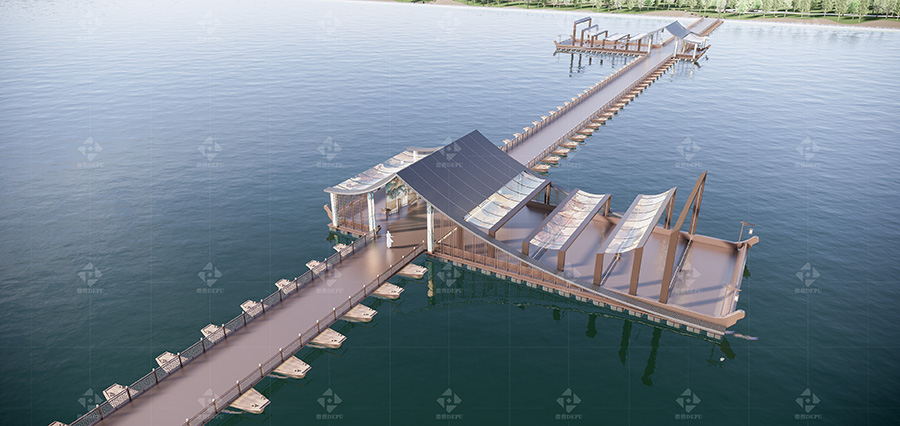
Water pontoons serve as floating foundations in marinas. They support boats, walkways, and facilities. Their design impacts marina functionality and safety. In international projects, pontoons must adapt to varying water levels and weather. Engineers prioritize stability and load capacity. A well-built water pontoon enhances marina efficiency and user experience. It reduces wear on vessels and provides secure access. For instance, DeFever emphasizes durable constructions that meet global standards. Key benefits include:
Improved docking safety and convenience.
Flexibility to accommodate different boat sizes.
Resistance to corrosion and environmental damage.
These factors make pontoons vital for modern marina infrastructure.
Design Principles for Stability and Safety
Designing a water pontoon involves careful planning. Engineers consider factors like buoyancy, weight distribution, and wave action. Stability is crucial to prevent tipping or sinking. Safety features include non-slip surfaces and secure railings. International codes often guide these designs. A water pontoon must also allow for easy maintenance access. Modular designs are popular for scalability. They enable marinas to expand as needed. Proper design ensures long-term performance in diverse marine settings.
Environmental Considerations in Pontoon Design
Environmental impact is a key concern in marina engineering. Pontoons should minimize disruption to aquatic ecosystems. Using eco-friendly materials helps reduce pollution. Designs may include features to protect marine life. For example, shaded areas can support fish habitats. Engineers also assess water flow and sediment buildup. A sustainable water pontoon aligns with green marina initiatives. It balances functionality with ecological preservation. This approach is essential for projects in sensitive coastal regions.
Materials and Construction of Water Pontoons
Material choice determines the durability and cost of pontoons. Common options include concrete, steel, and plastics. Each material offers distinct advantages. Concrete pontoons are heavy and stable. Steel provides strength but requires anti-corrosion coatings. Plastic composites, like polyethylene, are lightweight and resistant to rot. In international yacht marina projects, materials must suit local conditions. A water pontoon built with quality materials lasts longer and needs less upkeep. Brands like DeFever often recommend composites for their versatility. Key material properties include:
Resistance to saltwater and UV radiation.
High load-bearing capacity for safety.
Ease of fabrication and installation.
Selecting the right material ensures pontoon reliability.
Common Materials Used in Pontoon Construction
Concrete is widely used for its permanence and weight. It anchors well in turbulent waters. Steel pontoons are favored for their tensile strength. They are often used in large commercial marinas. Plastic and fiberglass pontoons are growing in popularity. They are corrosion-free and require minimal maintenance. Aluminum offers a balance of lightness and durability. Each material impacts the water pontoon lifecycle. Engineers evaluate factors like cost, lifespan, and environmental rules. This helps choose the best option for specific marina needs.
Advanced Composite Options for Enhanced Performance
Advanced composites, such as reinforced polymers, offer superior performance. They combine materials to achieve specific traits. For example, composites can be made flexible yet strong. They resist impacts and weathering better than traditional materials. A water pontoon made from composites often has a longer service life. These materials also allow for innovative designs. They can be molded into shapes that improve stability. Many modern marinas adopt composites for their efficiency. This trend supports sustainable engineering practices worldwide.
Installation Techniques for Water Pontoons
Proper installation is critical for pontoon safety and function. It involves site assessment, preparation, and assembly. Engineers first study water depth, bottom conditions, and tidal patterns. Then, they plan the layout to optimize space and access. Installation methods vary based on pontoon type and location. Floating pontoons are anchored to the seabed. Fixed pontoons may use piles or frames. A well-installed water pontoon ensures smooth marina operations. Companies like DeFever provide guidance on best practices. Steps typically include:
Clearing the site of debris and obstacles.
Positioning pontoons using cranes or barges.
Securing connections with bolts and cables.
These techniques prevent issues like drifting or structural failure.
Planning and Site Preparation for Installation
Planning starts with a detailed marine survey. Engineers map the area to identify challenges. They consider factors like currents, wind, and vessel traffic. Site preparation may involve dredging or leveling the seabed. This ensures a stable foundation for the water pontoon. Permits from local authorities are often required. Safety protocols must be followed during work. Proper planning reduces risks and costs. It also helps align the project with environmental regulations. This phase is essential for successful marina development.
Step-by-Step Installation Guide
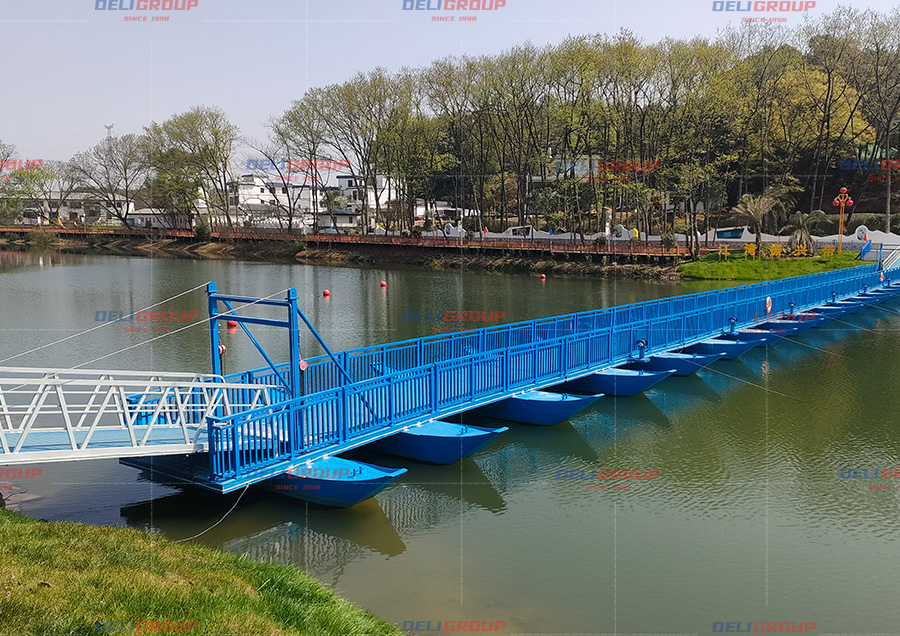
Installation begins with transporting pontoons to the site. They are then floated into position. Anchors or piles are driven into the seabed. Pontoons are connected to these anchors with chains or ropes. Next, walkways and accessories are attached. Engineers check alignments and tensions. Finally, the system is tested for stability and load capacity. A water pontoon installation requires teamwork and precision. Regular inspections during the process catch errors early. This ensures a durable and safe marina structure.
Maintenance and Longevity of Water Pontoons
Maintenance extends the life of pontoon systems. Routine checks prevent minor issues from becoming major problems. Pontoons face constant exposure to water, sun, and mechanical wear. A maintenance schedule includes cleaning, inspection, and repairs. For a water pontoon, focus on components like floats, connectors, and surfaces. Brands like DeFever stress proactive care to avoid downtime. Effective maintenance offers benefits:
Reduced repair costs over time.
Enhanced safety for users and boats.
Compliance with insurance and regulatory standards.
This practice is key for international marina sustainability.
Routine Inspection Procedures
Inspections should occur at least twice a year. Look for signs of damage, such as cracks or corrosion. Check connections for looseness or wear. Inspect buoyancy elements for leaks or degradation. Clean surfaces to remove algae and debris. Document findings to track changes over time. A water pontoon in good condition performs reliably. Early detection of issues allows for timely repairs. This minimizes disruption to marina activities. It also protects investments in marina infrastructure.
Repair and Replacement Strategies
When damage is found, quick action is needed. Small cracks can be sealed with marine-grade fillers. Corroded parts may require replacement. For major damage, sections of the water pontoon might need rebuilding. Always use compatible materials for repairs. In some cases, upgrading to newer technologies is cost-effective. Plan replacements based on pontoon age and condition. This strategy ensures marina safety and functionality. It also aligns with modern engineering standards.
Common Questions About Water Pontoons
Q1: What is a water pontoon, and how is it used in marinas?
A1: A water pontoon is a floating platform used in marinas for docking boats, creating walkways, and supporting facilities. It provides stable access to water and helps organize marina space. These structures are essential for safe and efficient marina operations worldwide.
Q2: What materials are best for water pontoons in saltwater environments?
A2: In saltwater, materials like aluminum, plastic composites, and coated steel are preferred. They resist corrosion from salt and minerals. Concrete is also used but requires protective treatments. Choosing the right material depends on factors like budget and expected lifespan.
Q3: How often should water pontoons be inspected and maintained?
A3: Inspect water pontoons at least twice a year, before and after peak seasons. Regular maintenance includes cleaning, checking connections, and repairing damage. More frequent checks may be needed in harsh climates to ensure safety and durability.
Q4: Can water pontoons be customized for specific marina needs?
A4: Yes, water pontoons can be customized in size, shape, and features. Modular designs allow for flexibility in layout. Add-ons like lighting, cleats, and ramps can be integrated. Customization helps marinas meet unique operational requirements.
Q5: What are the environmental impacts of water pontoons, and how can they be minimized?
A5: Water pontoons can affect water flow and marine habitats. Impacts are minimized by using eco-friendly materials, designing to reduce shadowing, and installing with care to avoid seabed disturbance. Sustainable practices, like those encouraged by DeFever, help protect ecosystems.
In summary, the water pontoon is a cornerstone of international yacht marina engineering. From design to maintenance, each aspect influences marina success. By focusing on quality materials, proper installation, and regular upkeep, marinas can offer safe and durable facilities. Companies like DeFever play a role in advancing pontoon technology. As marina projects evolve, innovative pontoon solutions will continue to support global maritime activities.