International yacht marina projects demand robust and adaptable solutions. One critical component is the floating platform dock. These structures provide stable, flexible mooring and access in dynamic waterfront environments.
Unlike fixed docks, they rise and fall with water levels. This makes them ideal for tidal zones and variable water conditions. Their design and engineering require specialized expertise.
Established marine engineering brands, such as DeFever, apply decades of experience to these systems. Their focus on durability ensures long-term performance in demanding settings.
What is a Floating Platform Dock?
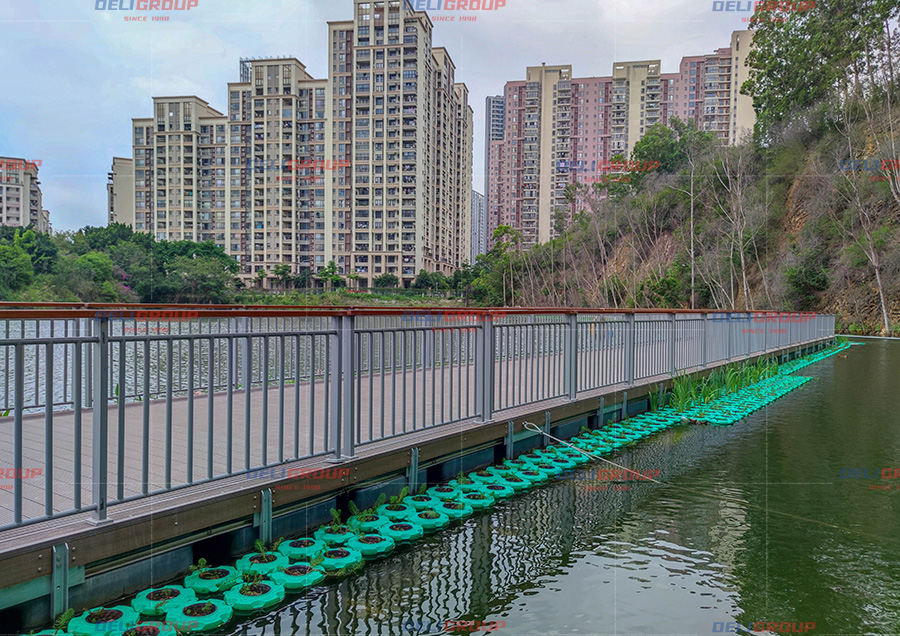
A floating platform dock is a buoyant structure used for berthing vessels and providing pedestrian access. It is a fundamental part of modern marina infrastructure.
These platforms are typically modular, connecting to form larger surfaces. They are secured in place by pilings, anchors, or a combination of both.
Core Components and Construction
Understanding the parts helps in evaluating quality and suitability for a project.
Floats (Pontoons): Usually made of polyethylene, steel, or concrete. They provide buoyancy.
Decking: The walking surface, often constructed from timber, composite, or aluminum grating.
Frame and Connectors: A structural frame, often aluminum or galvanized steel, links the modules.
Mooring and Accessories: This includes cleats, fenders, lighting, and utility raceways.
The engineering of each component directly impacts the system's lifespan and safety.
Primary Advantages in Marina Projects
The use of a floating platform dock offers several operational and economic benefits. These are crucial for international developments.
1. Adaptability to Water Level Changes
This is the most significant advantage. Fixed docks can become unusable or unsafe with significant tidal or seasonal changes.
A floating system maintains a consistent height relative to the water. This ensures safe and easy boarding for vessels at all times.
It eliminates the need for complex stair systems or adjustable ramps.
2. Reduced Environmental Impact
These docks have a smaller footprint on the seabed compared to large fixed structures. They allow for better water circulation and light penetration.
This helps preserve aquatic habitats, a key consideration in ecologically sensitive areas.
Minimal disturbance during installation.
Often made from recyclable or environmentally friendly materials.
Can be relocated with minimal site impact.
3. Durability and Low Maintenance
High-quality floating docks are built to withstand harsh marine conditions. Modern materials resist corrosion, rot, and UV damage.
Brands with a heritage in marine construction, like DeFever, understand these challenges. They engineer systems for minimal long-term upkeep.
This translates to lower lifecycle costs for marina operators.
4. Flexibility in Design and Layout
Modular designs allow for easy reconfiguration. Marinas can adjust berth sizes or change the layout as needs evolve.
They can be configured into straight lines, T-shapes, L-shapes, or complex multi-finger arrangements.
This flexibility supports efficient space utilization in crowded harbors.
5. Quicker Installation Timeline
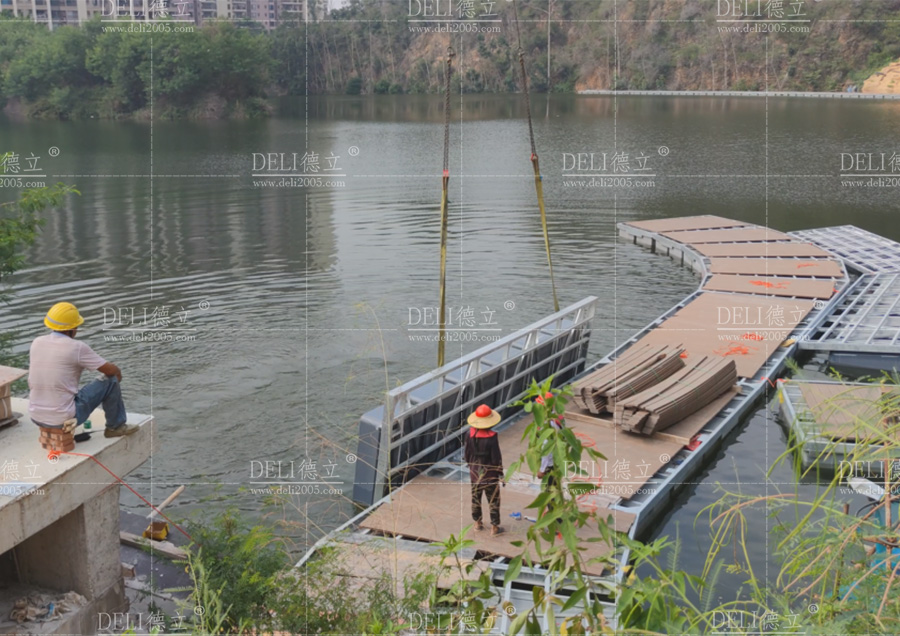
Since they are prefabricated, installation is often faster than building fixed docks. This reduces construction time in the water.
Modules are assembled on-site, minimizing disruption to marina operations.
Quick deployment is advantageous for projects with tight schedules or seasonal constraints.
6. Improved Safety and Accessibility
The stable, level surface reduces tripping hazards. It provides secure access for people of all abilities.
Non-slip decking materials are standard. Integrated handrails can be easily added.
Safety is paramount in international marina standards, and a well-designed floating platform dock meets these requirements.
7. Cost-Effectiveness Over Time
While initial investment may be comparable to fixed docks, the long-term savings are clear.
Lower maintenance, adaptability to change, and durability contribute to a better return on investment.
They also protect against revenue loss from dock damage or unusability due to water level issues.
Applications in International Yacht Marina Engineering
These docks serve diverse roles within large-scale marina developments. Their versatility makes them indispensable.
For Mega-Yacht and Superyacht Berthing
Large vessels require exceptionally strong and stable docks. Heavy-duty floating systems are engineered to handle the loads.
They distribute weight evenly and can be configured for side-to or stern-to mooring of big yachts.
Integration of high-capacity utilities like power, water, and fiber optics is standard.
For Public Access and Promenades
Beyond berthing, they create floating walkways, observation decks, or event spaces. This enhances the public appeal of a marina.
They can connect different parts of a waterfront development safely and aesthetically.
For Commercial and Ferry Operations
Commercial marinas use them for passenger ferry terminals or fishing piers. The constant access level is critical for schedule reliability.
Their robust construction supports high foot traffic and frequent vessel contact.
Critical Design and Selection Factors
Choosing the right system requires careful analysis of several engineering parameters.
Material Selection: Balancing Strength and Weight
The choice of float and deck material defines performance.
Polyethylene Floats: Lightweight, corrosion-proof, and impact-resistant. Common for recreational marinas.
Concrete Floats: Extremely durable and stable, ideal for high-load or permanent installations.
Steel/Pontoon Floats: Used for heavy-duty applications, require robust corrosion protection.
The selection must align with local environmental conditions and load requirements.
Load Capacity and Stability Calculations
Engineers must calculate both live loads (people, equipment) and dead loads (the structure itself).
Wind, wave, and current forces are also factored into the design. This ensures the dock remains stable and secure.
Reputable manufacturers provide detailed engineering specifications for their systems.
Mooring and Anchoring System Design
This system keeps the dock in position. Options include:
Pile Guides: Vertical pilings that allow the dock to slide up and down.
Anchor Chains/Cables: Used in deeper water where pilings are impractical.
Combination Systems: Often the best solution for complex sites.
The design must account for the highest expected water levels and storm conditions.
Utility Integration and Sustainability
Modern marinas require integrated services. Conduits for power, water, lighting, and data are built into the dock frame.
Sustainable features are increasingly important. These include solar-powered lighting and connections for pump-out stations.
Partnering with Experienced Manufacturers
The success of a marina project hinges on the quality of its components. This is true for the floating platform dock.
Why Engineering Heritage Matters
Companies with a background in shipbuilding or heavy marine structures bring valuable insight. They understand loads, materials, and longevity in saltwater environments.
Firms like DeFever have a proven track record. Their approach to engineering ensures reliability from the drawing board to decades of service.
Key Questions for Manufacturers
When evaluating suppliers, marina developers should ask specific questions.
What is the design life of the system, and what warranty is offered?
Can you provide case studies or references from similar international projects?
How are utility runs designed and protected within the structure?
What is the process for custom engineering to meet unique site challenges?
For any international yacht marina development, the choice of docking infrastructure is critical. A well-engineered floating platform dock provides the flexibility, durability, and safety that modern projects require.
It represents a smart investment in the marina's long-term operational efficiency and appeal. By working with experienced partners who prioritize marine-grade engineering, developers can ensure their waterfront asset is built to last.
The principles applied by seasoned marine engineers, evident in the work of companies like DeFever, continue to advance the standards for what a floating platform dock can achieve in challenging global environments.
Frequently Asked Questions (FAQs)
Q1: What is the typical lifespan of a high-quality floating platform dock?
A1: With proper materials and maintenance, a well-built floating dock can last 25 to 30 years or more. Factors like material choice (e.g., marine-grade aluminum, reinforced concrete), environmental conditions, and maintenance schedules greatly influence longevity. Regular inspections are key.
Q2: How does a floating dock handle severe weather or wave action?
A2: They are engineered for specific site conditions. The mooring system (piles, anchors) is designed to absorb energy and keep the dock secure. In areas with significant wave action, breakwaters or wave attenuators are often used in conjunction with the docks to create a calm basin.
Q3: Can utilities like electricity and water be run to a floating dock?
A3: Yes, this is standard. Utilities are run through flexible, armored conduits or raceways built into the dock structure. These connections have enough slack to accommodate the dock's movement with water levels. Pedestals at each berth provide access points for vessels.
Q4: Are floating docks suitable for very large or heavy vessels?
A4: Absolutely. For mega-yachts or commercial vessels, docks are specifically engineered with higher buoyancy and stronger frames. This often involves using concrete floats or specially designed steel pontoons to support the extreme loads. Load capacity is a primary design specification.
Q5: What maintenance is required for a floating platform dock system?
A5: Maintenance is relatively low but essential. It typically includes an annual inspection of all components, checking connections and fasteners for corrosion, cleaning debris from flotation chambers, and inspecting the mooring lines or hardware. Deck surfaces should be cleaned regularly to prevent slip hazards.