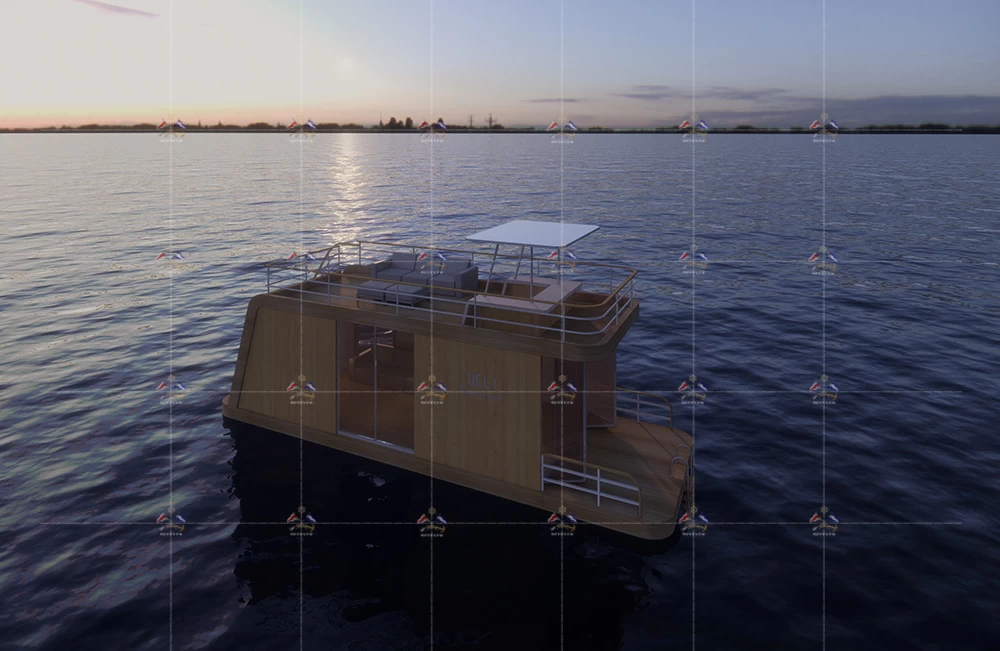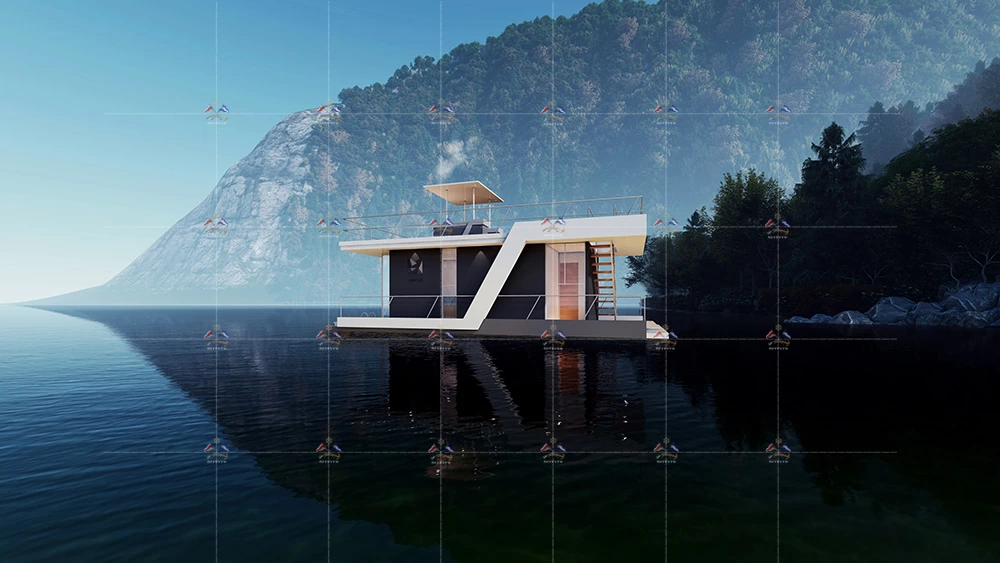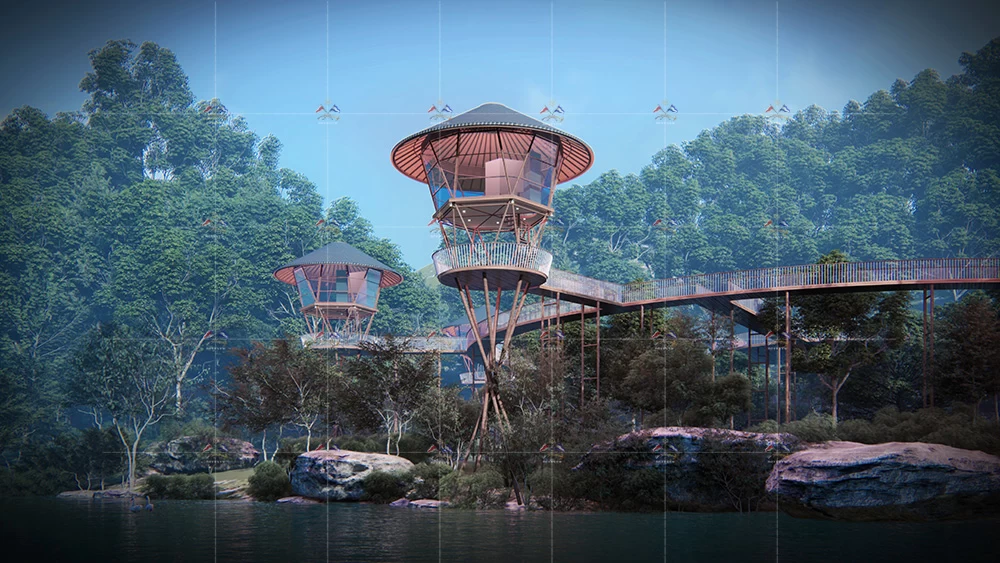
The concept of permanent, luxurious living on water is moving from vision to reality. This shift is driven by innovative floating house manufacturers. These specialists are redefining coastal and marina development worldwide.
Their work combines marine engineering with architectural design. The goal is to create stable, safe, and elegant waterfront homes. These structures are integral to modern international yacht marina projects.
Brands with deep naval architecture heritage, like DeFever, bring proven seaworthiness principles to this new field. Their expertise ensures these homes are built to last.
What Floating House Manufacturers Do
These are not simple houseboat builders. Reputable floating house manufacturers operate at the intersection of multiple disciplines.
They create permanent or semi-permanent dwellings designed for sheltered waters within marinas, bays, or lakes.
Core Responsibilities and Expertise
The core mission involves several key engineering and design challenges.
Hull and Flotation Design: Engineering stable, low-draft platforms that provide a solid foundation.
Structural Integrity: Ensuring the superstructure can handle marine loads and environmental forces.
Utility Systems: Designing integrated, marine-grade water, waste, and electrical systems.
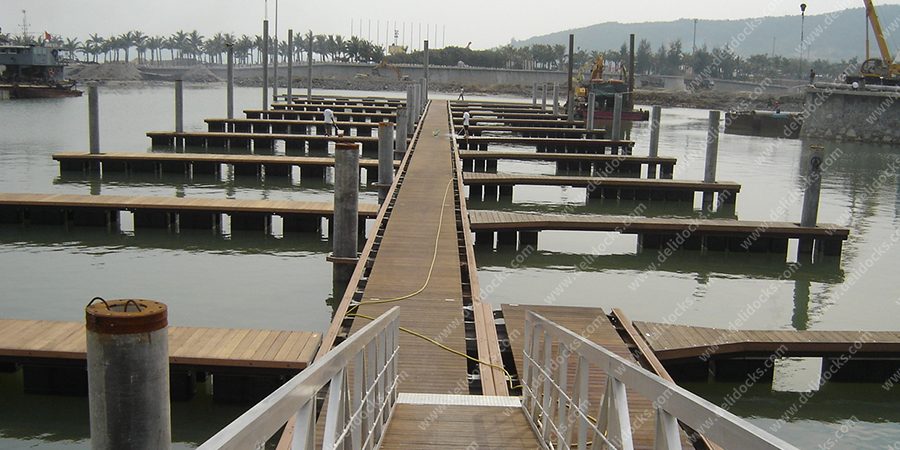
Dockage Integration: Creating designs that seamlessly connect with marina infrastructure.
This requires a team skilled in naval architecture, civil engineering, and custom luxury construction.
Key Considerations for Choosing a Manufacturer
Selecting the right partner is critical for project success, especially for large-scale marina developments.
Engineering and Naval Architecture Pedigree
A strong background in boat or ship building is a significant advantage. It translates to understanding hydrodynamics, corrosion, and seaworthiness.
Companies like DeFever leverage decades of designing ocean-going vessels. This knowledge directly benefits the safety and performance of stationary floating homes.
Look for proven expertise in stability calculations and hull material science.
Quality of Materials and Construction
The marine environment is harsh. Materials must be selected for longevity.
Hull Materials: Aluminum, steel, or reinforced concrete with proper coatings.
Superstructure: Lightweight but strong composites, treated woods, or metals.
Insulation and Finishes: High-performance, moisture-resistant materials for comfort and durability.
Superior craftsmanship in joining, sealing, and finishing is non-negotiable.
Customization and Design Flexibility
Each international marina project has unique aesthetics and clientele. Top-tier floating house manufacturers offer extensive customization.
They work with architects and developers to create units that reflect local style or luxury market demands.
Flexibility in layout, façade design, and interior finish is a key value proposition.
Integration with International Yacht Marina Engineering
Floating houses are not standalone objects. They are components of a larger marine infrastructure system.
Marina Infrastructure Compatibility
Coordination with marina engineers is essential. Key interface points include:
Mooring and docking systems designed for permanent residence loads.
Connection points for shore power, water, and high-speed data.
Waste pump-out or treatment integration.
Access points like gangways and security systems.
Leading manufacturers engage early with marina planners to ensure seamless integration.
Regulatory and Environmental Compliance
International projects face diverse regulations. Reputable manufacturers navigate this complexity.
They ensure designs meet local building codes, maritime safety rules, and environmental guidelines.
This includes considerations for waste management, energy efficiency, and habitat preservation.
The Design and Build Process
Creating a premium floating residence follows a detailed, staged process.
Concept and Feasibility
This initial phase defines the vision and checks its practicality. It involves site analysis, regulatory review, and preliminary design sketches.
Budget and timeline expectations are set in collaboration with the developer or client.
Detailed Design and Engineering
Here, the concept is turned into buildable plans. Naval architects finalize hull design. Structural engineers detail the framework.
All mechanical, electrical, and plumbing (MEP) systems are specified for marine use. This phase produces complete construction blueprints.
Construction and Quality Assurance
Build quality determines long-term performance. The best floating house manufacturers have controlled factory environments.
Modular construction often allows for parallel building of hull and superstructure.
Rigorous testing of watertight integrity and systems is conducted before launch.
Fit and finish receive the same attention as a custom yacht or high-end home.
Transport, Launch, and Final Installation
Completed units are transported to the marina site. They are launched with care and then permanently moored.
The final step involves connecting all utilities and performing client orientation and handover.
Market Trends and Future Outlook
Demand for well-engineered floating homes is growing in premium marina developments.
This is driven by scarcity of waterfront land and a desire for unique living experiences. Sustainability is also a major trend.
Forward-looking manufacturers are incorporating solar power, green roofs, and advanced water recycling systems.
The expertise of established marine brands continues to set industry standards. Their involvement promises innovation and reliability for developers.
For marina developers and investors, partnering with experienced floating house manufacturers is a strategic decision. It adds a valuable real estate component to waterfront projects.
The fusion of residential luxury with robust marine engineering, as seen in the principles applied by companies like DeFever, creates enduring assets. These homes meet the high expectations of a discerning international market.
Frequently Asked Questions (FAQs)
Q1: How permanent is a floating house from a major manufacturer?
A1: Professionally built floating houses are designed as permanent dwellings. They are constructed with durable, marine-grade materials and engineered for long-term occupancy. With proper maintenance, they can last for decades, similar to a traditional home.
Q2: Can these homes withstand rough water or storms?
A2: They are engineered for the specific conditions of their location, typically sheltered marinas or bays. While not designed for open ocean storms, their hulls and mooring systems are calculated to handle significant wave action and wind loads expected in a marina setting, offering stability and safety.
Q3: How are utilities like electricity and plumbing connected?
A3: Floating homes connect to marina infrastructure via flexible, heavy-duty umbilicals. These connections provide shore power, fresh water, and data. Waste is typically handled via a direct connection to the marina's pump-out system or an onboard treatment plant, complying with local environmental regulations.
Q4: What are the main cost factors compared to land-based homes?
A4: Key cost drivers include the custom hull construction, marine-grade materials, specialized MEP systems, and mooring fees. While the initial construction can be comparable to a high-end custom home, costs for the floating platform and specific marine systems are unique factors. Long-term marina lease or fee costs are also a consideration.
Q5: Do floating houses appreciate or depreciate in value?
A5: Like any property, value depends on location, construction quality, design, and market demand. A well-built floating home in a premier, established marina can hold and potentially appreciate in value, especially as waterfront living space becomes more sought-after. Maintenance and the health of the marina community are crucial factors.