2026-10-12
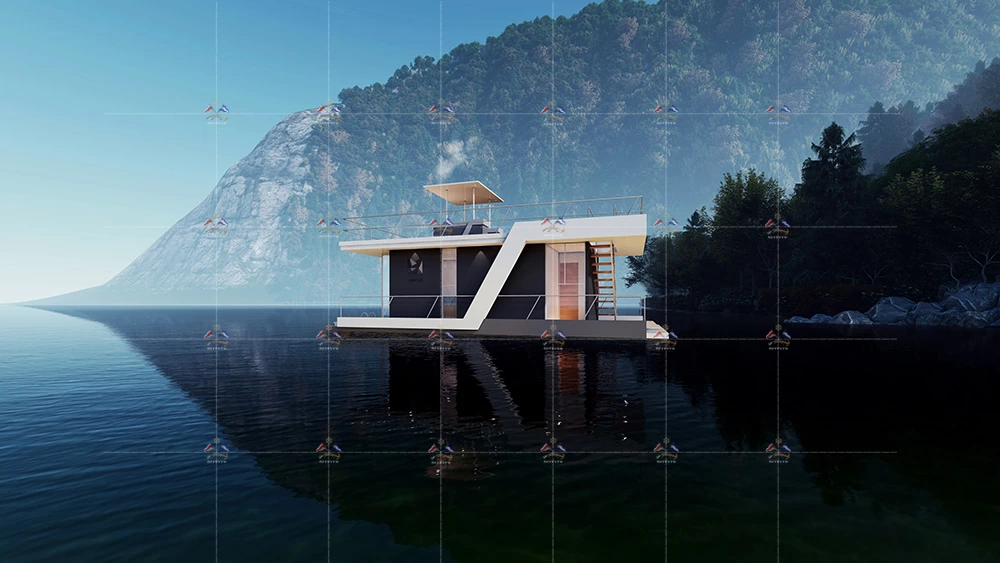
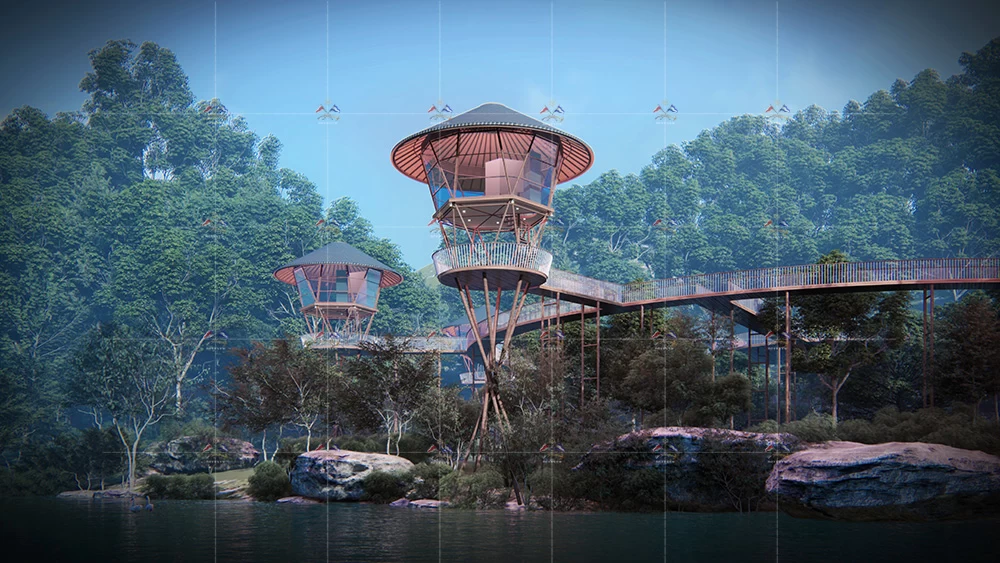
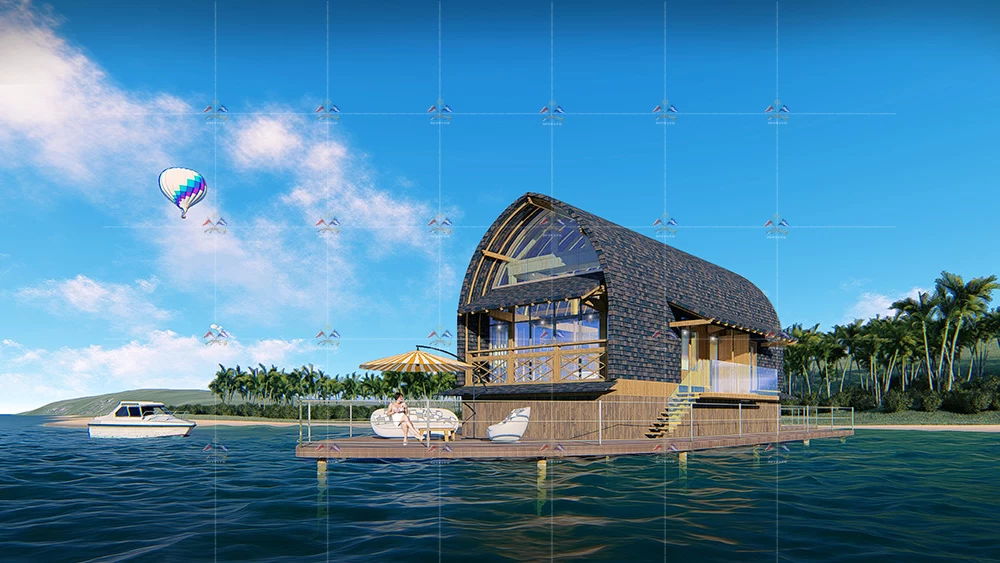
Marina operators face a structural revenue plateau when relying solely on traditional slip rentals and fuel sales. Modern marina design now shifts toward high-yield overwater hospitality. Integrating floating guest suites into active dock networks demands rigorous naval architecture and civil works.
The customization of water hotels allows developers to convert underutilized water rights into revenue-generating real estate without pouring concrete into seabed floorings. Leading maritime consultants, including the engineering advisory teams at DeFever, assist marina owners in balancing structural safety with luxury guest expectations.
If you are planning to expand your marina footprint with floating hospitality, contact our engineering group today to schedule an initial site assessment and feasibility audit.

1. 2026 Industry Shift: Why Modern Yacht Marinas Require Water Hotel Customization
1.1 Beyond Berths: Diversifying Marina Revenue Streams
Berth fees fluctuate with seasons and boat migration patterns. High-net-worth travelers, however, seek experiential waterfront lodging year-round. Integrating modular floating suites into existing marina basins yields three to five times the revenue per square meter compared to standard vessel berthing.
By blending hospitality with maritime services, marinas transform into full-scale waterfront resorts. This strategy boosts revenue for adjacent facilities, such as clubhouses, high-end dining, and charter operations.
1.2 The Failure of Off-the-Shelf Units: Hydrodynamics and Elite Guest Demands
Standardized floating homes rarely survive the diverse environmental profiles of working marinas. A system engineered for a calm inland canal will fail in a harbor exposed to tidal surges and commercial vessel wakes.
Off-the-shelf units often bring structural resonance, poor acoustic insulation, and premature corrosion. Successful deployment demands bespoke hydrodynamic calculations and layout optimization that fit exact basin dimensions and water chemistry.
1.3 Defining Customization in Modern Marina Hospitality
The customization of water hotels covers far more than interior design. It requires specific naval architecture, including buoyancy reserve calculations, customized mooring lines, utility network connections, and environmental load dissipation.
- Bathymetric profiling to determine hull draft limits.
- Local wave, current, and wind spectrum modeling.
- Custom MEP (Mechanical, Electrical, Plumbing) interfaces for dock utility trunks.
- Bespoke spatial design matching the brand aesthetic of the host marina.
2. Structural and Hydrodynamic Engineering: Tailoring the Floating Foundation
2.1 Pontoon Materials: Marine Aluminum, Concrete Pontoon, or HDPE?
Selecting the substructure depends on water salinity, depth, and designed architectural weight. Engineered solutions balance initial capital expenditure with a 30-to-50-year structural lifespan.
Post-Tensioned Marine Concrete: Ideal for multi-story installations. High mass provides natural ballast and dampens movement. Heavy concrete pontoons resist saltwater degradation and offer maintenance-free operation for over four decades.
Marine-Grade Aluminum (5083 Series): Offers an exceptional strength-to-weight ratio for shallow-water sites or areas requiring periodic towing. Aluminum requires sacrificial anodes or impressed-current cathodic protection to eliminate galvanic corrosion.
High-Density Polyethylene (HDPE): Excellent for modular floating villas in sheltered inland waterways. HDPE tolerates shallow drafts and chemical exposure, though it provides less natural ballast than heavy concrete platforms.
2.2 Mooring Engineering: Seaflex, Piles, and Tension Chains
Customization requires precise anchoring solutions that keep hotels stable while allowing safe vertical travel during spring tides and storm surges.
- Internal Guide Piles: Heavy-duty steel or composite piles concealed inside the structural envelope preserve exterior sightlines while resisting extreme lateral wind loads.
- Elastomeric Mooring Units (e.g., Seaflex): Progressive dampening systems anchor the unit to the sea floor without heavy drag chains, reducing shock loads on the hull during squalls.
- Subsea Tension Leg Anchors: Chosen for deep-water berths where driving structural piles is economically unviable or prohibited by environmental protection laws.
2.3 Wave Attenuation and Motion Stability: Eliminating Sea Sickness
Guest comfort requires strict control over roll, pitch, and heave accelerations. Naval architects design customized bilge keels, submerged motion-damping plates, and wide-beam multi-hull profiles to maintain platform motions well below the human sensory threshold.
Engineers calculate the natural period of the floating structure to avoid resonance with local fetch waves. Marina breakwaters work alongside these custom hulls to create an unmoving living platform inside the guest rooms.
3. Marina Utility (MEP) Seamless Integration
3.1 Water and Blackwater/Greywater Routing: Vacuum Sewer Systems
Standard gravity drainage fails on fluctuating water surfaces. Custom water hotel installations rely on commercial-grade marine vacuum sewage networks. These systems run flexible, low-diameter pipes through floating service chases straight to landward municipal lines.
Backflow-prevention valves and self-sealing quick-disconnect couplings protect the basin from accidental spills during heavy storms or routine maintenance operations.
3.2 Smart Power Grids: Shore-Power, BIPV, and Subsea Energy Storage
Customization of water hotels involves microgrid engineering. Modern designs integrate Building-Integrated Photovoltaics (BIPV) into architectural roofs, feeding localized lithium-iron-phosphate (LiFePO4) battery banks stored in water-cooled hull compartments.
These green systems synchronize with the marina's main shore-power grid. Smart load-balancing units ensure high air-conditioning demands during peak afternoon hours do not overload the primary shore transformers.
3.3 Low-Voltage and IoT Infrastructure in High-Salinity Zones
Salt mist destroys standard building electronics within months. Water hotel MEP engineering specifies IP67-rated conduits, marine-grade copper cabling, and fiber-optic backbones tucked inside service trenches.
Custom environmental sensors monitor hull bilge water levels, galvanic voltage variations, and ambient humidity, sending real-time operational alerts directly to the marina management office.
4. Spatial and Modular Customization for Luxury Hospitality
4.1 Prefabrication and Modular Floating Villas: Low-Disruption Assembly
Marina slip operations cannot halt for on-site construction noise. Naval yards assemble modular floating villas off-site under factory-controlled standards, ensuring superior joinery and exact weight distribution.
The builder then tows the finished suites to the marina basin, securing them to pre-installed piling points and plugging into utility stations within hours. This modular process minimizes downtime for existing yacht slips.
4.2 Architectural Alignment with Yachting Aesthetics
Water hotels must blend naturally with multi-million-dollar superyachts berthed nearby. Bespoke exterior designs feature low-profile profiles, curved composite panels, marine-grade stainless accents, and wrap-around glass panels.
Drawing on maritime engineering traditions championed by firms like DeFever, naval architects match superstructure proportions with basin geometry, creating a clean, modern aesthetic across the waterfront.
4.3 Experiential Overwater Features: Swim Platforms, Submerged Windows, and Plunge Pools
Bespoke naval engineering creates unique amenities that land-based resorts cannot match:
- Hydraulic swim platforms that lower guests into the sea for swimming or water sports.
- Submerged structural viewing lounges fitted with 80mm acrylic panels for underwater sea views.
- Integrated freshwater plunge pools engineered directly into the floating hull's deck structure.
- Private yacht tender docks integrated into the villa base for direct boat-to-bed arrival.
5. Environmental Compliance, ESG, and Climate Resilience for 2026
5.1 Benthic Protection and Low Light-Deprivation Floating Design
Environmental regulators increasingly scrutinize the shadow profiles of overwater structures. Custom foundations incorporate light-transmitting deck grids and elevated hull bottoms that allow sunlight to reach seabed seagrasses and coral zones.
Non-toxic foul-release coatings replace traditional biocidal antifouling paints, preventing chemical leaching into sensitive harbor waters while maintaining pristine ecological compliance.
5.2 Hardening Against Extreme Weather and Rising Sea Levels
Fixed land buildings face flooding risks, but properly designed floating hotels rise with sea level fluctuations. Customization protocols account for local 100-year storm models, setting pile heights and anchor line strengths to withstand wind loads exceeding 130 knots.
Engineered breakwaters and floating perimeter barriers dissipate wave energy before it impacts the main living structures, safeguarding human life and physical property.
5.3 Classification Societies and Regulatory Approvals (DNV, BV, Local Marina Codes)
Permitting floating architecture requires dual-track compliance. Platforms must meet land-based building codes for fire safety, means of egress, and accessibility, while meeting marine standards set by classification societies like DNV or Bureau Veritas.
Naval architects conduct stability tests, inclining experiments, and damage stability calculations to secure commercial operational certificates from local maritime administrations.
6. ROI Breakdown and Implementation Roadmap for Marina Developers
6.1 CapEx Allocation: Design, Hull Engineering, Mooring, and MEP
Developing custom floating lodging requires strategic capital expenditure across four core engineering pillars:
- Hull Engineering & Naval Architecture (25%): Hydrodynamic studies, hull fabrication, floatation stability testing, and classification surveys.
- Superstructure & Fit-Out (40%): Prefabricated modular architecture, luxury interior millwork, structural insulation, and marine glazing.
- Mooring & Basin Infrastructure (20%): Pile installation, elastomeric tethers, breakwater extensions, and marine civil works.
- MEP & Shore Utility Integration (15%): Vacuum sewage networks, upgraded marina shore power transformers, BIPV, and IoT control loops.
6.2 Project Lifecycle: From Feasibility to Commissioning
A standard project spans 9 to 14 months from initial site survey to revenue generation. The timeline proceeds through defined engineering milestones:
- Bathymetric and Environmental Survey: Seabed mapping, tidal data assessment, and water quality benchmarks.
- Hydrodynamic Modeling: Computational Fluid Dynamics (CFD) tests to calculate drag coefficients, roll angles, and mooring tension limits.
- Naval Classification and Local Permitting: Securing concurrent approvals from the harbor master and regional construction authorities.
- Off-Site Construction: Concurrent fabrication of concrete or aluminum hulls and modular pods in a controlled yard.
- Towing, Installation, and Commissioning: Towing to the marina, securing to guide piles, MEP hookup, and safety inspections.
Frequently Asked Questions (FAQ)
Q1: How does the customization of water hotels address movement caused by boat wakes?
A1: Engineers combine heavy concrete pontoon ballasts with optimized hull geometry and underwater damping plates. These components alter the structure's natural oscillation period, keeping roll and pitch movements minimal so guests rarely feel any movement.
Q2: Can floating hotels remain connected to utilities during extreme tidal drops?
A2: Yes. Engineers design articulating utility bridges and flexible, high-pressure braided umbilical hoses. These systems flex through 10-meter tidal shifts without putting mechanical stress on power, water, or vacuum sewer lines.
Q3: What is the typical design lifespan of a customized water hotel foundation?
A3: Post-tensioned marine concrete hulls have an operational lifespan of 40 to 50 years with minimal maintenance. Marine-grade aluminum hulls last 25 to 35 years when protected by properly maintained cathodic protection systems.
Q4: Do floating hotels fall under maritime law or municipal building codes?
A4: They typically require compliance with both. The hull, buoyancy mechanics, and mooring configurations fall under maritime classification societies and harbor authority regulations. The superstructure, fire suppression systems, and electrical installations must satisfy regional commercial building codes.
Q5: What minimum water depth is needed to install floating luxury villas?
A5: Most customized water hotels require a minimum operating draft between 1.2 and 1.8 meters, plus an additional 0.8-meter clearance below the hull at extreme astronomical low tide to prevent grounding and preserve benthic habitats.
Conclusion and Next Steps
Modern yacht basins must look beyond basic boat storage to secure lasting profitability. The customization of water hotels provides a viable pathway to turn unused water basins into world-class waterfront destinations. Reliable performance relies on thorough marine engineering, dynamic wave analysis, and clean utility network integration.
Proven naval architecture traditions, like those upheld by DeFever, show that prioritizing structural integrity delivers strong commercial returns and safe operations on the water.
Contact our maritime engineering and master planning specialists today to request an initial feasibility assessment for your marina.