2026-10-15
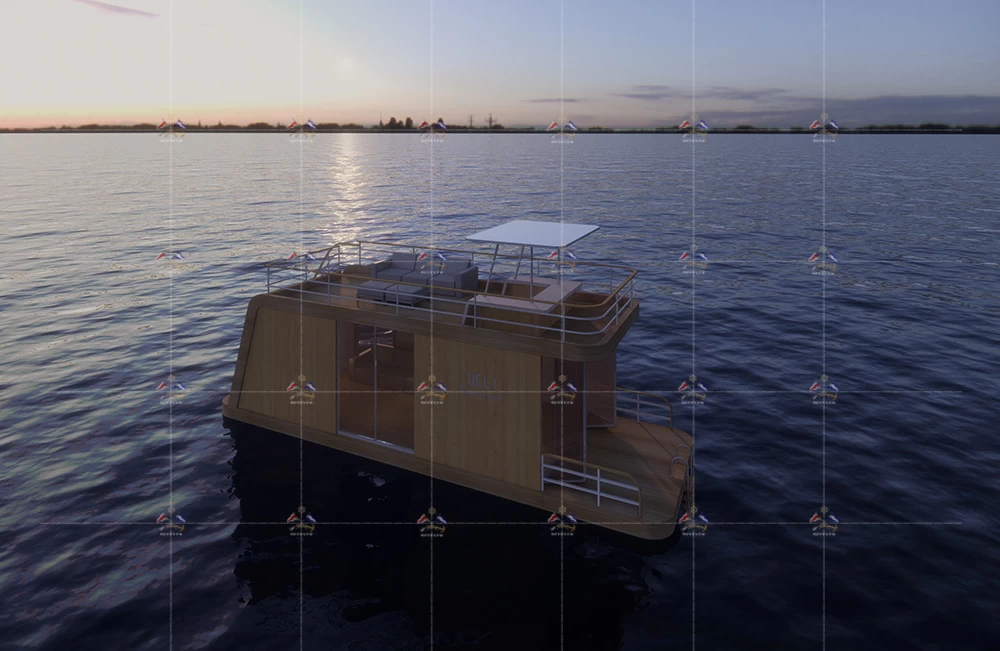
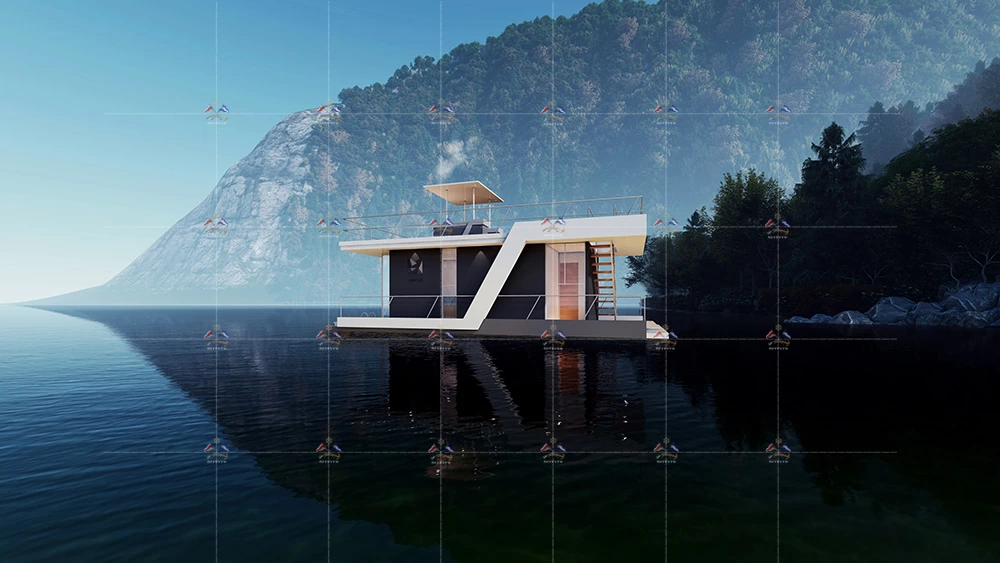
Water-based hospitality projects capture the imagination of luxury travelers worldwide. From the crystal lagoons of the Maldives to ultra-modern floating resorts in the Middle East, overwater suites command premium average daily rates. Yet, behind the tranquil views lies one of the most hostile operating environments on Earth.
Developers who treat overwater structures like conventional land-based hotels face disastrous consequences. Saltwater corrodes structural elements, ocean currents undermine foundations, and logistical oversights inflate operational expenditures. Engineering must lead the creative process, not follow it.
At DeFever, our marine architectural and engineering specialists help developers resolve technical hurdles before they break ground. If you are planning an aquatic resort, request a technical feasibility consultation with our engineering team to ensure your venture remains structurally sound and commercially viable.
Successful execution requires resolving seven core engineering factors in the design of water hotel facilities.
1. Foundation and Structural Mooring Systems
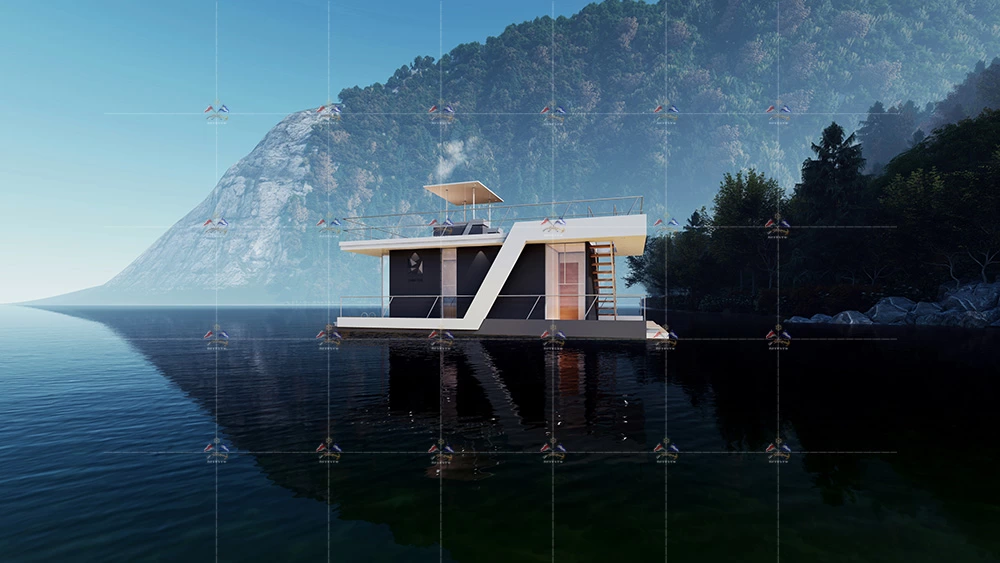
Every marine hospitality project begins with a fundamental decision: fixed piles or floating pontoons. Your site's bathymetry, tidal range, and seabed composition dictate this choice.
Fixed piling systems suit shallow waters with minimal tidal variation and dense subsea bedrock. Steel or prestressed concrete piles are driven deep into the substrate. They provide absolute stability, making guests feel as if they are on dry land. However, deep water or shifting sands drastically increase piling costs.
Floating hotel engineering relies on pontoons moored to the seabed using tension leg systems, catenary chain lines, or elastic hawser arrays. These floating foundations must compensate for massive tidal shifts. The structural mooring must resist both vertical buoyancy shifts and horizontal lateral loads caused by wind and surface currents.
Rigorous geotechnical testing is non-negotiable. Core drilling and sub-bottom profiling determine whether the sea floor can handle anchor tension or pile friction. Miscalculating seabed mechanics leads to foundation scour, structural tilt, or catastrophic detachment during heavy weather.
2. Hydrodynamics and Extreme Weather Resilience
The open ocean is an active dynamic system. Marine structures must endure continuous cyclic loads from waves, swell, and wind for decades. A static architectural model cannot predict how a building behaves in dynamic water.
Engineers calculate wave-action forces using computational fluid dynamics (CFD) and physical wave-flume testing. These tests evaluate how breaking waves transfer energy to support columns and sub-structures. Wave slam and uplift forces can tear floor slabs away from piles if deck elevations lack adequate air gaps above the hundred-year wave crest.
Motion mitigation is equally critical for the guest experience. Even slight, imperceptible low-frequency roll or pitch causes vestibular disorientation and motion sickness. Structural engineers install underwater bilge keels, heave plates, or tuned liquid dampers inside pontoons to cancel out harmonic wave periods.
Typhoon and hurricane strategies must incorporate breakwaters and sacrificial barriers. Submerged artificial reefs or floating wave attenuators dissipate wave energy hundreds of meters before it strikes guest suites. Resilient structural engineering ensures the resort survives catastrophic meteorological events intact.
3. Marine-Grade Materials and Corrosion Engineering
Salt spray, high humidity, and intense ultraviolet radiation quickly destroy standard building materials. A building envelope that lasts fifty years on land can fail within thirty-six months over open saltwater. Material selection dictates the long-term return on investment.
Structural steel requires rigorous protection. Engineers specify duplex stainless steels, marine-grade aluminum alloys, or hot-dip galvanized members coated with thick epoxy systems. Underwater steel piles rely on cathodic protection systems, combining sacrificial zinc or aluminum anodes with Impressed Current Cathodic Protection (ICCP) to stop electrochemical oxidation.
Modern design of water hotel structures increasingly replaces traditional metal and timber with advanced composites. Fiber-reinforced polymers (FRP) provide exceptional strength-to-weight ratios and will not rust or rot. When architects specify timber, engineers choose dense, acetylated woods or pressure-treated marine hardwoods that resist marine wood-boring mollusks.
Every fastener, bracket, and hinge demands evaluation. Mixing dissimilar metals causes rapid galvanic corrosion, which can lead to structural joint failure. Careful isolation using non-conductive neoprene or Teflon washers prevents electrolytic reactions across all exterior connections.
4. Advanced MEP and Off-Grid Energy Systems
Mechanical, electrical, and plumbing (MEP) planning is far more complex over water than on mainland sites. Long service runs across overwater jetties demand careful thermal expansion compensation and watertight pipe enclosures. Building services must operate silently so they do not disturb the peaceful marine setting.
Marine environments rapidly foul air conditioning systems. Standard copper-fin condensers corrode within seasons when exposed to salt-laden air. Engineers select marine-duty HVAC systems featuring titanium plate heat exchangers and baked phenolic coatings on all coils. Chilled-water central loops housed in central utility hubs avoid placing loud compressor units directly outside luxury bedrooms.
Energy autonomy requires hybrid engineering solutions. Many overwater projects operate on islands with limited grid power. Forward-thinking firms like DeFever integrate high-efficiency microgrids that balance building-integrated photovoltaics (BIPV), battery energy storage systems (BESS), and low-emission marine generators. Subsea armored cables distribute three-phase power through sealed umbilical channels, protecting marine life while securing reliable resort operations.
5. Water Management and Zero-Liquid Discharge
Supplying fresh water and processing sewage over an aquatic ecosystem is a major engineering hurdle. The surrounding water is both an asset and an environmental liability. Contaminating the pristine bay destroys the exact feature guests pay thousands of dollars per night to enjoy.
Freshwater generation depends on modular seawater reverse osmosis (SWRO) plants. Engineers design these desalination units with advanced energy-recovery devices to minimize fuel consumption. Water distribution networks run inside insulated sub-deck service trenches, keeping fresh water cool despite tropical sun exposure.
Wastewater infrastructure poses even tougher design puzzles. Gravity sewer lines require specific slopes that are impossible to maintain over hundreds of meters of flat overwater walkways. Instead, engineers install vacuum drainage systems. Vacuum networks use differential air pressure to transport black and grey water through small-diameter, flexible pipes that can easily run uphill or around corners.
All effluent must route to advanced Membrane Bioreactor (MBR) wastewater treatment plants. These systems clarify sewage to tertiary-grade water suitable for flushing toilets or irrigating landside landscaping. Zero-liquid discharge (ZLD) systems protect fragile coastal habitats and comply with stringent maritime laws.
6. Environmental and Ecological Marine Impact
Modern luxury travelers and regulatory authorities expect sustainable aquatic structures. Governments will not approve plans that destroy coral reefs, seagrass meadows, or mangrove nurseries. Environmental preservation is both a legal mandate and a commercial necessity.
Construction logistics must avoid damaging the seabed. Heavy barges cannot drop anchor on living coral formations. Engineers establish dynamic-positioning spud barges and work schedules timed to local tides. During pile driving, acoustic bubble curtains dampen underwater shockwaves to protect marine mammals and local fish populations.
Sustainable design of water hotel foundations can actually enhance aquatic life. Through eco-mimicry, engineers use pH-neutral, textured bio-concrete for pilings and scour aprons. These submerged surfaces encourage coral polyp attachment, turning structural columns into vibrant artificial reefs over time.
Solar shading evaluations prevent overwater villas from starving benthic ecosystems of light. Engineers carefully space overwater bungalows and choose specific platform heights to allow adequate sunlight to reach underlying sea beds, sustaining marine vegetation growth.
7. Accessibility, Logistics, and Life Safety Codes
Operating a luxury hotel floating on water introduces complex logistical challenges. Guests demand seamless, barefoot luxury, but staff must move luggage, housekeeping supplies, and engineering gear without disrupting the peaceful environment.
Circulation design must separate guest pathways from back-of-house service routes. Wide utility jetties with integrated service channels allow electric utility carts to move efficiently. Gangways and ramps connecting floating structures to land must comply with international accessibility standards, such as the Americans with Disabilities Act (ADA), throughout all tidal fluctuations.
Fire safety presents unique hazards over water. While the hotel is surrounded by water, fire fighting remains difficult because fire trucks cannot access overwater walkways. Timber boardwalks and tropical thatch roofs burn rapidly in ocean breezes.
Engineers combat this risk using specialized safety systems:
- High-pressure water mist systems that put out fires using limited freshwater storage.
- Dedicated seawater fire pumps with redundant intake wells to draw directly from the sea.
- Automated drop-down fire curtains that stop fires from spreading between connected villas.
- Multiple egress routes and floating muster points for safe guest evacuations
via marine vessels.
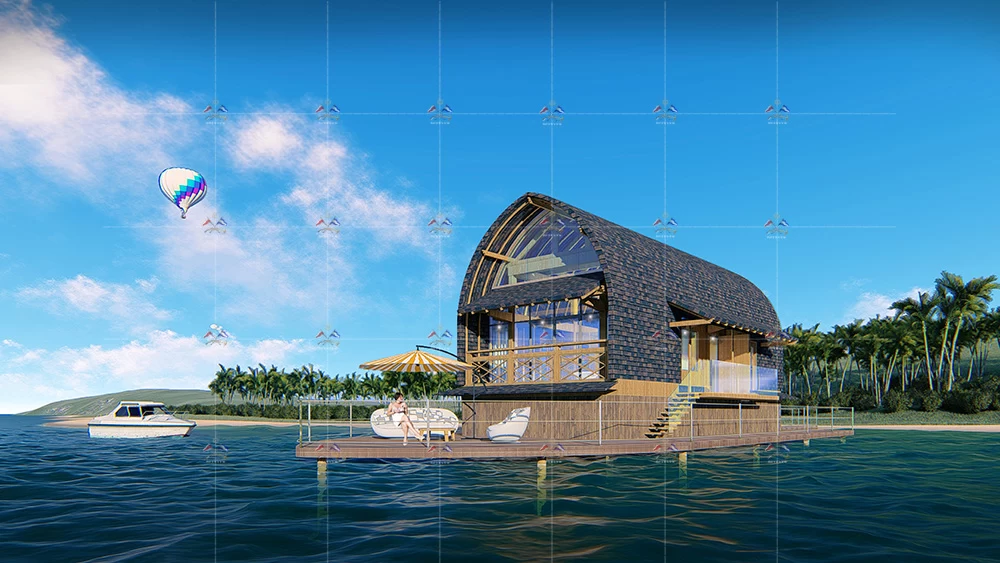
Comparative Analysis: Structural Approaches
Selecting the foundation style remains the central structural choice in aquatic hotel developments. Below is an engineering comparison between the two main structural approaches:
- Fixed Piling Systems:
- Ideal Water Depth: 1 to 10 meters.
- Tidal Adaptation: Rigid decks set above maximum tidal and storm surge levels.
- Motion Profile: Zero perceptible sway; mimics land-based structures.
- Maintenance Requirements: Sub-surface dive inspections; cathodic anode replacements every 5 to 10 years.
- CapEx Profile: Higher initial marine installation cost, but lower ongoing operational maintenance.
- Floating Pontoon Platforms:
- Ideal Water Depth: 5 to 50+ meters (unaffected by deep water).
- Tidal Adaptation: Moves naturally with tides; uses flexible shore connections.
- Motion Profile: Requires dynamic dampers to counter low-frequency rolling.
- Maintenance Requirements: Periodic dry-docking or in-situ hull monitoring, mooring tension recalibrations.
- CapEx Profile: Lower installation costs in deep water, but requires dedicated maintenance over time.
Frequently Asked Questions
Q1: How do engineers prevent motion sickness in floating hotels?
A1: Engineers design floating pontoons with natural roll periods that differ from the typical wave periods of the surrounding site. Adding underwater heave plates, bilge keels, and internal slosh tanks dissipates kinetic wave energy, keeping motion well below human sensory thresholds.
Q2: What is the typical lifespan of an overwater hotel structure?
A2: Well-engineered overwater structures designed with marine-grade concrete, duplex alloys, and active cathodic protection achieve design lifespans of 30 to 50 years. Routine inspections and regular anode replacements are essential to hit these targets.
Q3: How are utilities connected to floating platforms that rise and fall with the tide?
A3: Utility lines cross articulation joints using flexible, multi-axis marine hose assemblies and armored flex conduits. These systems loop through articulated gangways, moving safely through full tidal ranges without pinching or fatiguing pipes.
Q4: Can water hotel facilities survive Category 5 hurricanes?
A4: Yes, provided they are engineered specifically for extreme weather. Key features include adequate deck clearance above storm waves, high-capacity mooring systems, impact-resistant glazing, and upstream breakwaters that cut breaking wave energy.
Q5: Why are vacuum sewer systems preferred over gravity sewers in water resorts?
A5: Gravity pipes require constant downward slopes, forcing them deep below walkways and into the water across long distances. Vacuum systems move waste horizontally or upward through small, sealed pipes, eliminating leaks and drastically cutting installation footprints.
Building Exceptional Overwater Destinations
The design of water hotel facilities demands complete synergy between luxury architecture and harsh-environment marine engineering. The ocean allows no shortcuts. Structural foundations, hydrodynamic stability, advanced metallurgy, and zero-impact utility loops must work together cleanly to build a resort that lasts.
Developers who respect these engineering fundamentals prevent costly retrofits, avoid environmental penalties, and build durable assets that generate high returns for decades. Partnering with seasoned marine engineering experts from the earliest concept sketches is the fastest way to turn visionary hospitality ideas into safe, buildable reality.
Ready to engineer your next iconic overwater destination? Contact DeFever today to consult with our marine architectural engineers. We provide comprehensive feasibility studies, hydrodynamic simulations, and full-stack MEP engineering tailored for luxury aquatic hospitality.