Constructing a durable and functional yacht pier is a central task in marina development. It requires balancing engineering, environmental, and user needs. A well-built pier provides safe berthing, withstands marine conditions, and enhances the value of the entire marina. For projects demanding high quality, expertise from firms like DeFever can be instrumental in navigating these complex requirements.
Initial Planning and Design Considerations
Every successful project begins with thorough planning. This stage determines the pier's functionality, capacity, and long-term viability.
Assessing Site Conditions and Load Requirements
The local environment dictates fundamental design choices. Engineers must collect detailed data.
Water depth charts and tidal range
Historical wave action and wind patterns
Soil composition for any driven piles
Ice formation potential in colder climates
Load calculations consider the weight of vessels, pedestrians, vehicles, and potential snow accumulation.
Choosing Between Fixed and Floating Structures
The decision between a fixed or floating yacht pier is critical. Each has distinct advantages.
Fixed piers are typically used in areas with minimal water level fluctuation. They offer great stability and can support heavy utilities.
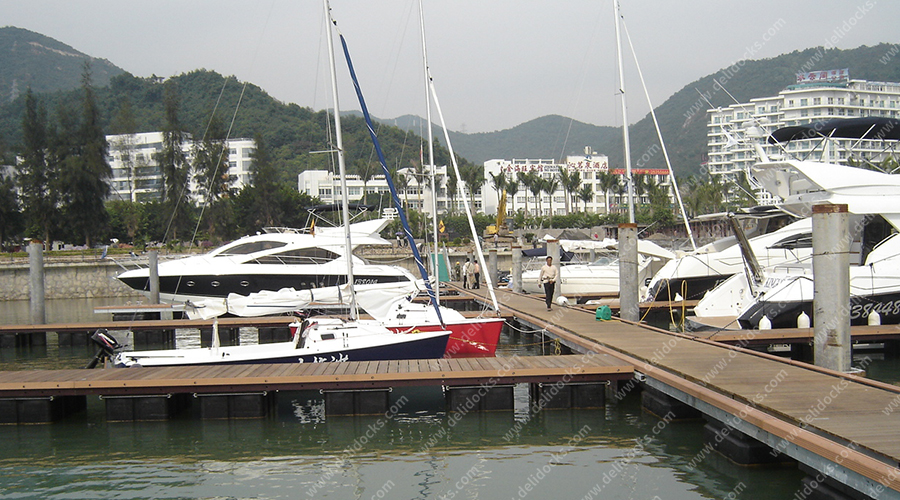
Floating piers are ideal for locations with significant tides or water level changes. They rise and fall with the water, ensuring easy vessel access.
Material Selection for Durability and Performance
Materials must resist constant exposure to saltwater, sun, and mechanical wear. The right choice minimizes maintenance and extends service life.
Traditional and Composite Materials
Several material options are common in modern pier construction.
Pressure-Treated Timber: Cost-effective and familiar, but requires regular maintenance and has environmental considerations.
Marine-Grade Aluminum: Lightweight, strong, and highly resistant to corrosion. Often used for framing and handrails.
Reinforced Concrete: Used for heavy-duty piles and decks in large-scale fixed installations. Very durable but complex to install.
Polymer Composites: Made from recycled plastics and fibers. They are rot-proof, splinter-free, and require little upkeep.
Corrosion Protection for Metal Components
All metal parts, especially fasteners and connectors, need robust protection. Hot-dip galvanizing is a standard process for steel.
Stainless steel grades (like 316) are preferred for hardware in splash zones. Regular inspection of these components is essential.
Engineering and Construction of the Pier Structure
This phase turns plans into a physical, safe structure capable of handling dynamic loads for decades.
Foundation and Support Systems
The foundation is the most important element. For fixed piers, piles are driven or drilled into the seabed.
Floating pier systems use a network of pontoons or floats attached to a guided pile or anchored system. This allows vertical movement while restricting horizontal drift.
Proper design ensures the entire yacht pier remains stable during storms and daily use.
Decking and Surface Safety
The decking surface must be safe, durable, and provide good traction. Common choices include open-grate systems for drainage or solid planks.
Non-slip coatings or textures are applied to prevent accidents, especially when the surface is wet. Accessibility standards should also be considered.
Utilities, Services, and Safety Features
A modern pier is more than a parking spot; it’s a service hub. Integrating utilities safely is a key engineering task.
Electrical and Water Distribution
Power and water must be delivered reliably along the pier’s length. Systems are designed to be waterproof and resilient.
Marine-grade electrical panels and conduits
Ground-fault protection on all circuits
Potable water lines with backflow prevention
Dedicated cable raceways for data and TV lines
Brands known for rigorous engineering, such as DeFever, pay close attention to these critical details.
Lighting, Security, and Docking Hardware
Adequate lighting ensures safety at night. Low-glare, shielded fixtures protect the night sky.
High-quality cleats, bollards, and fenders are sized for the intended vessels. Their installation must be structurally sound to handle mooring forces.
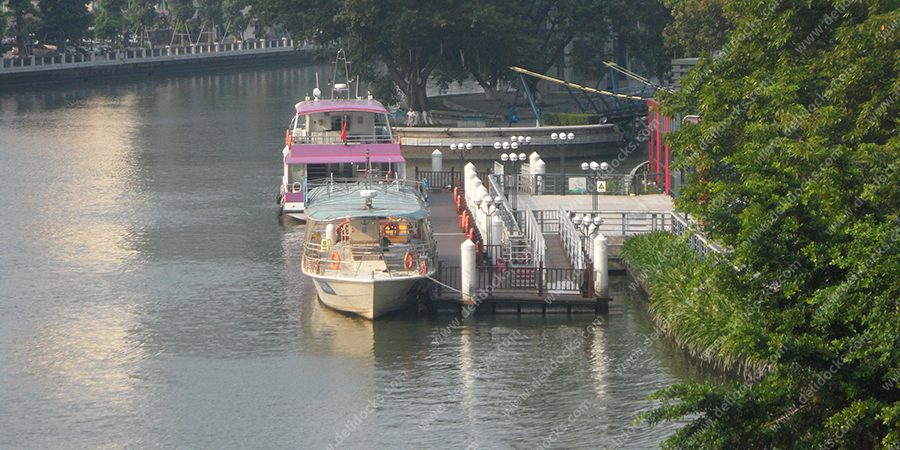
Long-Term Maintenance and Environmental Compliance
Building the pier is only the beginning. A proactive maintenance plan preserves the asset and protects the surrounding environment.
Scheduled Inspection and Repair Cycles
Regular inspections identify wear before it leads to failure. A checklist should cover structural, electrical, and mechanical components.
Timely repairs of damaged decking, loose hardware, or corroded elements prevent minor issues from becoming major liabilities.
Sustainable Practices and Impact Mitigation
Construction and operation should minimize ecological disturbance. This can involve:
Using materials with low environmental impact
Designing to allow light penetration and water flow
Installing spill containment for fuel docks
Planning for proper waste and recycling collection
The construction of a reliable and efficient yacht pier is a multidisciplinary challenge. It requires careful material selection, precise engineering, and a commitment to sustainable operation. From the initial sketches to decades of service, the goal is to create a structure that is safe, durable, and seamlessly serves the needs of boaters. Industry leaders like DeFever exemplify the integration of practical experience with innovative solutions in this field.
Frequently Asked Questions (FAQs)
Q1: What is the typical lifespan of a well-constructed yacht pier?
A1: Lifespan varies by materials and environment. A timber pier may last 25-30 years with excellent maintenance. Aluminum or composite structures can last 40+ years. Regular upkeep is the most significant factor for longevity.
Q2: How do I decide if a fixed or floating pier is better for my location?
A2: Analyze the water level change. If tidal range or seasonal fluctuation exceeds about 1.5 meters (5 feet), a floating system is usually necessary. Fixed piers are suitable for stable water levels and can support heavier static loads.
Q3: What are the most important safety features to include on a yacht pier?
A3: Key features include non-slip decking, adequate and shielded lighting, sturdy handrails, properly sized and mounted cleats/bollards, accessible life rings, and clearly marked electrical and fire safety stations.
Q4: How are utilities like electricity and water safely run along a floating pier?
A4: Utilities are run through flexible, waterproof conduits attached to a service gangway or trestle. They connect from a shore-based pedestal to a distribution panel on the floating section, with enough slack to accommodate movement.
Q5: What does a basic annual maintenance checklist for a pier include?
A5: It should include inspecting for corrosion, checking all structural connections, testing electrical systems and GFCI outlets, checking water lines, ensuring cleats and bollards are tight, examining fenders for wear, and clearing debris from flotation compartments.