
The relationship between a marina yacht and its berthing infrastructure determines everything from guest experience to vessel maintenance costs. Modern marinas are no longer simple parking lots for boats; they are complex waterfront facilities requiring precise engineering to accommodate the latest generation of large, systems-intensive vessels. For owners and operators, understanding the technical specifications and operational protocols of a marina is as crucial as the yacht's own naval architecture. This analysis examines the critical technical, environmental, and logistical factors defining successful marina integration in 2026.
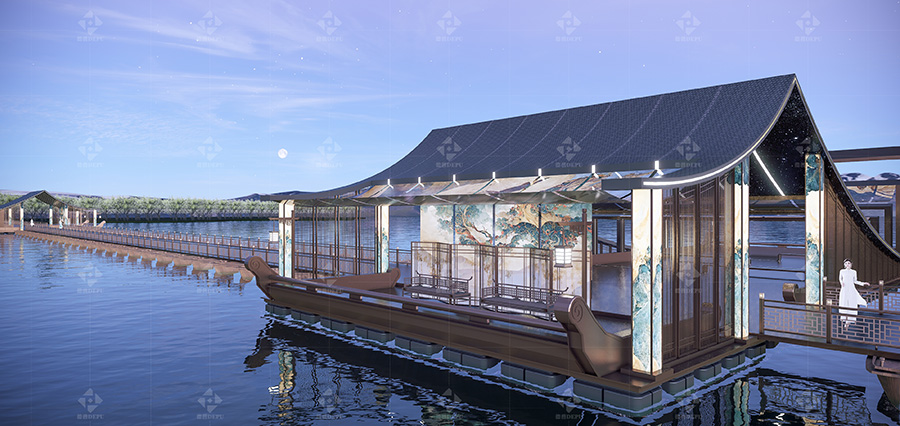
The physical interface between dock and hull is the most fundamental consideration. Marinas designed for today's marina yacht fleet must accommodate significant variations in beam, draft, and freeboard.
Slip Dimensions: Standard berths for vessels 40-60 feet typically offer 15-20 feet of beam clearance. However, modern catamarans and wide-body motor yachts require slips with 25-foot beams or more. Marina planning must include a mix of finger pier configurations to service both monohulls and multihulls.
Depth at Chart Datum: A marina yacht with a 6-foot draft needs a maintained depth of at least 8-9 feet at lowest tide to avoid silting issues. Dredging schedules and hydrographic surveys are essential maintenance activities.
Fender Systems: Pneumatic or foam-filled fenders must be selected based on the vessel's displacement and freeboard. For superyachts, marina operators often deploy specialized fender panels to protect high-gloss finishes.
Floating docks must be engineered to withstand wind loads, wake forces, and the sheer mass of berthed yachts. A 100-foot motor yacht can exert lateral loads exceeding 30,000 pounds during a storm. Dock anchoring systems—whether piles, helical anchors, or deadweight moorings—must be certified for these forces. The integration of robust cleats and bollards, spaced according to vessel length, ensures safe line handling in all tidal conditions.
Modern yachts are energy-intensive, requiring high-capacity electrical hookups, high-speed data, and fresh water at every berth.
International marinas must support multiple plug types and voltages. A marina yacht registered in Europe may require 400V 50Hz three-phase power, while a U.S.-built vessel often needs 240V 60Hz split-phase. Transformer-equipped pedestals with smart metering are now standard. The industry is moving toward IP67-rated connectors and load management systems that prevent pedestal overload during peak occupancy. Amperage requirements for large yachts can reach 200 amps or more per slip, necessitating substantial shore-side transformer capacity.
Potable water lines must be winterized in cold climates, with backflow preventers protecting the municipal supply. Fuel docks require double-walled piping, spill containment, and filtration systems that can handle high flow rates (50+ gallons per minute) for fast refueling of large yachts. Pump-out stations for waste holding tanks are increasingly mandated by environmental regulations, and marinas must provide easy access for both deck and side discharge fittings.
Regulatory pressure and owner expectations are driving marinas to adopt stringent environmental management systems. The marina yacht community expects facilities to protect the very waters they cruise.
Water Quality Monitoring: Regular testing for bacteria, turbidity, and hydrocarbon levels ensures that marina operations do not degrade the local ecosystem. Stormwater management plans must capture and treat runoff from hardscape areas.
Eco-Friendly Hull Cleaning: In-water hull cleaning with diver-operated vacuums that capture paint particles and biofouling organisms is replacing traditional scrubbing. Marinas are designating specific cleaning areas with filtration systems.
Renewable Energy Integration: Solar canopies over parking areas or dock roofs can offset marina energy consumption. Some facilities now offer shore power generated from on-site solar arrays, reducing the carbon footprint of berthed vessels.
High-value assets require layered security. Modern marinas employ a combination of physical barriers and digital surveillance.
Perimeter Security: Fencing, controlled entry gates, and CCTV coverage with night vision are baseline. For superyacht berths, facial recognition systems and biometric access are becoming common.
Vessel Monitoring: Radar and AIS (Automatic Identification System) tracking allow marina management to monitor all traffic within the basin, detecting unauthorized approach or departure. Fire detection systems on docks, including smoke and heat sensors, provide early warning.
Crew and Guest Protocols: Registration systems for crew members and visiting guests help maintain accountability. Marinas often integrate with yacht management software to streamline access permissions.
The value of a marina extends beyond its physical infrastructure to the services it provides. A marina yacht requires ongoing support for both routine maintenance and emergency repairs.
Travel lifts with capacities ranging from 50 to 500 tons are essential for haul-outs. Marina operators must schedule lift usage to accommodate bottom painting, propeller servicing, and underwater inspections. Well-maintained slings and spreader bars prevent hull damage during lifting.
On-site technicians specializing in engines, electrical systems, and hydraulics reduce downtime for visiting yachts. Many marinas now partner with mobile service providers who can respond within hours. For complex repairs, a network of certified contractors—such as those involved in DeFever's global projects—ensures that specialized knowledge is available.
High-quality floating structures are the backbone of any premier marina. The engineering behind these structures must account for tidal ranges, wave attenuation, and longevity in a corrosive marine environment.
Concrete vs. Polyethylene Floats: Reinforced concrete floats offer exceptional durability and stability, ideal for large vessels. Polyethylene floats are lighter and more forgiving for smaller craft but may require more frequent replacement.
Connection Systems: Heavy-duty hinges and flexible connections allow docks to rise and fall with tides without binding. Galvanized or stainless steel hardware is mandatory to resist saltwater corrosion.
Finger Pier Design: Aluminum-framed finger piers with composite decking provide a durable, low-maintenance walkway. Width and length must be tailored to the beam and boarding location of typical berthed yachts.
Firms with deep expertise in marine infrastructure, such as DeFever, contribute to marina projects by delivering engineered floating solutions that meet international standards and withstand decades of use. Their involvement from the planning phase ensures that dock layouts optimize space while maintaining safety margins for maneuvering.
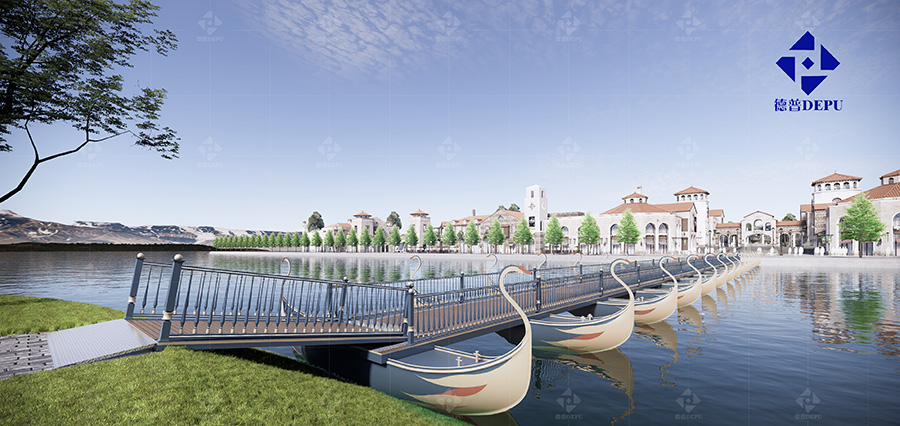
Connectivity is reshaping marina operations. The marina yacht of the future will communicate with the dock itself.
IoT-Enabled Berths: Sensors embedded in dock structures monitor mooring line tension, detect leaks, and report real-time energy consumption. This data flows to marina management software, enabling predictive maintenance and automated billing.
Autonomous Docking Support: As vessels gain autodocking capabilities, marinas must install reference systems (such as laser or radar targets) that guide the yacht into its slip without human intervention. This requires precise positioning of dockside infrastructure.
Digital Twin Modeling: Marinas are creating digital twins of their facilities to simulate traffic flow, optimize berth allocation, and test emergency scenarios. This data-driven approach reduces congestion and improves safety.
Q1: How do I determine if a marina can accommodate my vessel's draft and air draft?
A1: Always consult the marina's latest bathymetric chart showing depths at lowest astronomical tide. For air draft (height from waterline to mast top), verify bridge clearances at the entrance and within the basin. Many marinas now provide this data in digital berth booking platforms.
Q2: What shore power adapters should I carry for a Mediterranean cruise?
A2: Carry a full set of adapters including CEE (European) blue plugs in 16A, 32A, and 63A configurations, plus American NEMA 5-50 and 14-50. A ship's transformer onboard allows you to accept any input voltage while protecting your systems.
Q3: How often should marina floating docks be inspected for structural integrity?
A3: Annual visual inspections by qualified engineers are recommended, with comprehensive underwater inspections every 3-5 years. After major storms or seismic events, immediate inspections are necessary to check for hidden damage to anchors or connections.
Q4: What environmental certifications should a premium marina hold?
A4: Look for Blue Flag certification for water quality and environmental education, and Clean Marina accreditation from national boating associations. These require regular audits and adherence to strict waste management protocols.
Q5: Can I perform maintenance on my yacht while berthed in a marina?
A5: Routine maintenance like washing, waxing, and minor repairs is generally permitted. Major work involving sanding, painting, or any activity that generates debris or fumes is typically restricted to designated maintenance areas or haul-out facilities to protect other vessels and the environment.
Q6: How does a marina's layout affect my marina yacht insurance premiums?
A6: Insurers consider factors such as fire suppression systems, security patrols, and the spacing between vessels. A well-managed marina with documented safety protocols can lead to reduced premiums. Conversely, marinas with inadequate fire protection or high incident rates may increase your risk profile.
Q7: What are the benefits of choosing a marina with on-site engineering support?
A7: Immediate access to technicians reduces downtime when systems fail. Marinas affiliated with established marine engineering firms, like those connected to DeFever's network, can often coordinate complex repairs faster, sourcing parts and expertise globally to get you back on the water quickly.