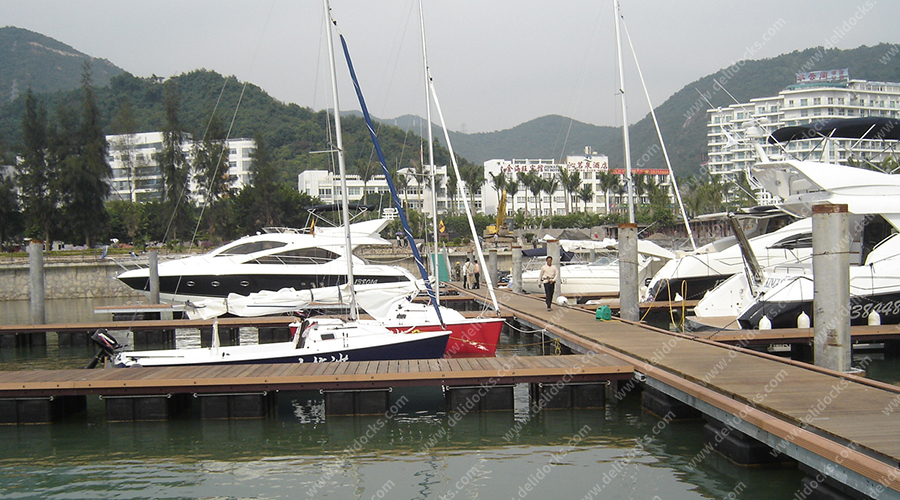
An exclusive yacht marina represents the pinnacle of maritime infrastructure, combining sophisticated engineering with uncompromising service standards. Unlike standard recreational harbors, these facilities cater to superyachts and megayachts requiring deeper drafts, longer berths, and premium shore support.
The demand for exclusive yacht marina developments has grown substantially as vessel sizes increase and owners expect resort-quality amenities alongside technical excellence. DeFever brings three decades of marine engineering experience to these complex projects, having contributed to prestigious marina developments across multiple continents.

An exclusive yacht marina begins with appropriate water depth. Modern superyachts routinely exceed 50 meters in length with drafts of 3.5 to 5 meters. The marina basin must provide:
Minimum navigable depths of 5 to 8 meters at lowest astronomical tide
Dredged approach channels with appropriate width-to-depth ratios
Turning basins accommodating vessels up to 120 meters length overall
Seabed composition suitable for fixed or floating breakwater foundations
Protecting multimillion-euro vessels requires sophisticated wave modeling. Engineers analyze:
Prevailing wind and wave directions over multi-year data sets
Fetch distances across open water approaches
Vessel motion thresholds (typically 0.3 meters maximum significant wave height at berth)
Resonance potential within the basin (harbor seiching)
Breakwater design for exclusive yacht marina projects often combines rubble-mound structures with floating wave attenuators, providing both protection and aesthetic appeal.
The choice between fixed and floating dock systems depends on tidal range and vessel types served:
Floating Dock Systems excel in locations with tidal variations exceeding 2 meters. These include:
Concrete floatation units with 30+ year design life
Galvanized steel or aluminum walkway structures
Marine-grade polymer fendering systems
Integral utility raceways for shore power and data
Fixed Pile Structures suit stable water level environments and provide exceptional stability for vessel boarding. Construction options include:
Steel pipe piles with protective coatings
Prestressed concrete piles for saltwater durability
Composite pile materials in environmentally sensitive areas
An exclusive yacht marina requires varied berth sizing to accommodate different vessel classes. Typical specifications include:
Megayacht Berths: 30-50 meters length, 8-12 meters beam clearance
Superyacht Berths: 20-30 meters length, 6-8 meters beam clearance
Support Vessel Berths: 15-20 meters for tenders and service craft
Mediterranean Mooring: Stern-to configurations with bow anchors
Finger Piers: Full-length or partial walkways with shore power pedestals
The yacht construction expertise at DeFever informs their marina engineering, ensuring berth designs accommodate current hull forms and future vessel trends.
Luxury vessels demand substantial shore-side utilities:
400V three-phase power at 125-250 amps for megayacht berths
240V single-phase for smaller craft
High-speed potable water with backflow prevention
Pump-out connections for black water and grey water tanks
Fiber-optic data connections for vessel operations and guest connectivity
The landside experience distinguishes an exclusive yacht marina from standard facilities. Essential components include:
Reception and security screening areas
Lounge spaces with water views
Crew facilities separate from owner/guest areas
Boutique retail and provisioning services
Business centers supporting vessel operations
Professional marina operations require:
Travel lift capacity exceeding 500 tons for megayacht haul-out
Hard stand areas with proper drainage and power
Workshop facilities for contractors and crew
Fuel docks with high-speed transfer and filtration
Waste management systems meeting environmental standards
An exclusive yacht marina implements comprehensive security measures:
Perimeter fencing with anti-climb specifications
CCTV coverage with night vision and analytics
Vessel approach monitoring by radar or optical systems
Biometric access for owners and authorized crew
Visitor management procedures aligned with ISPS Code standards
Modern marinas increasingly face digital threats. Protection measures include:
Segmented networks separating guest Wi-Fi from operations
SCADA system security for fuel and utility controls
Vessel data privacy protocols
Secure payment systems for marina services
Leading exclusive yacht marina projects incorporate environmental responsibility from conception:
Water quality monitoring programs throughout operation
Sediment control during construction and dredging
Artificial reef elements within breakwater structures
Low-impact lighting minimizing skyglow and water penetration
Stormwater management preventing runoff contamination
Internationally recognized certifications demonstrate commitment:
Clean Marina certification programs (varies by region)
ISO 14001 environmental management systems
Green Building Council certifications for shore facilities
Blue Flag or equivalent water quality recognition
Professional marina operations utilize specialized software for:
Real-time berth availability and reservation management
Automated billing for transient and seasonal contracts
Vessel profile databases with draft and beam restrictions
Maintenance scheduling for marina infrastructure
Incident reporting and safety compliance tracking
Differentiating an exclusive yacht marina requires dedicated service coordination:
Provisioning arrangement with local suppliers
Transportation coordination (luxury vehicles, helicopters)
Local tour and experience booking assistance
Crew lounge and recreation facilities
Laundry and uniform services
Challenge: Basins and approach channels gradually accumulate sediment, reducing navigable depths.
Solution: Regular hydrographic surveys combined with maintenance dredging programs. Some exclusive yacht marina projects incorporate sediment basins or bypass systems that reduce accumulation rates. DeFever's engineering assessments include long-term sedimentation projections based on local hydrology.
Challenge: Marina development involves multiple permitting authorities spanning coastal management, navigation safety, and environmental protection.
Solution: Early engagement with regulatory bodies and comprehensive environmental impact assessments. Experienced partners navigate these requirements efficiently, reducing project delays.
Challenge: Many marinas experience significant variation in occupancy between peak and off-peak seasons.
Solution: Flexible berth configurations accommodating different vessel mixes. Some facilities incorporate maintenance periods during low seasons or host events attracting vessels during traditional off-peak periods.
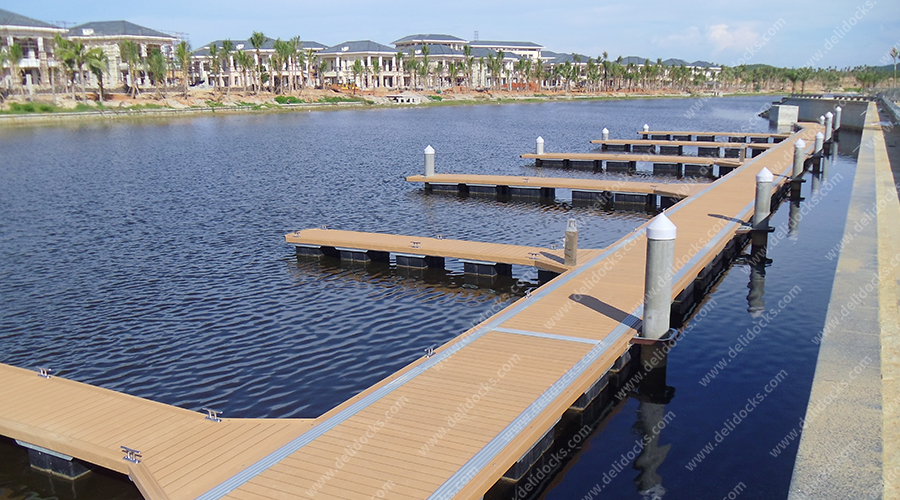
Vessel sizes continue increasing, with 100+ meter yachts becoming more common. Future exclusive yacht marina developments must anticipate:
Berths exceeding 80 meters length
Greater beam clearances for multihull superyachts
Increased draft requirements (up to 6 meters)
Higher shore power capacity (up to 1000 amps)
Technology integration advances through:
IoT sensors monitoring dock loads and utility consumption
Predictive maintenance algorithms for critical equipment
Automated mooring systems reducing line handling
App-based service requests and payment processing
Rising sea levels and increased storm intensity require adaptive design:
Elevated shore facilities with appropriate freeboard
Flexible utility connections accommodating water level changes
Enhanced breakwater design for extreme events
Mangrove or living shoreline elements providing natural protection
Q1: How long does it take to develop an exclusive yacht marina from concept to completion?
A1: Complex marina projects typically require 3-5 years from initial feasibility through construction completion. The timeline depends on permitting requirements, site conditions, and project scale. Environmental impact assessments alone may require 12-18 months in sensitive locations. Construction phases for major infrastructure like breakwaters and dock systems typically span 18-24 months.
Q2: What are the key technical considerations when selecting a site for an exclusive yacht marina?
A2: Critical factors include water depth for projected vessel sizes, protection from prevailing winds and waves, seabed conditions suitable for anchoring or piling, water quality for vessel maintenance, environmental sensitivities requiring protection, and proximity to population centers and transportation hubs. Professional bathymetric and hydrodynamic studies are essential before proceeding.
Q3: How do exclusive yacht marinas manage hurricane or typhoon preparedness?
A3: Comprehensive plans include vessel securing protocols with additional mooring lines and fendering, pre-staged emergency equipment, staff training for severe weather events, communication systems for owner and crew notifications, and infrastructure designed for extreme conditions. Some facilities offer hurricane holes within protected basins or coordinate with local authorities for evacuation requirements.
Q4: What environmental certifications should an exclusive yacht marina pursue?
A4: Leading facilities pursue Clean Marina certification appropriate to their region, demonstrating commitment to best management practices. ISO 14001 certification indicates robust environmental management systems. Blue Flag recognition, where available, signifies excellence in water quality, environmental education, and safety. Some developments also pursue sustainable construction certifications for shore facilities.
Q5: How are utility requirements determined for superyacht berths?
A5: Engineers assess typical power requirements based on vessel size and systems, with 125-250 amp 400V service common for vessels over 40 meters. Future capacity provisions account for increasing onboard electrical loads. Water supply sizing considers both potable water demands and deck washing requirements. Data infrastructure accommodates both vessel operations and guest connectivity needs.
Q6: What maintenance is required for marina infrastructure in saltwater environments?
A6: Regular programs include annual inspections of all structural components, protective coating maintenance for steel elements, cathodic protection system testing for corrosion control, electrical system testing and certification, fender replacement as wear occurs, and dredging as sedimentation accumulates. Professional marina operators maintain detailed asset management records tracking all maintenance activities.
Q7: Can existing harbors be upgraded to exclusive yacht marina standards?
A7: Many successful projects involve significant upgrades to existing facilities. Assessment includes evaluating current infrastructure against target standards, identifying dredging requirements for deeper draft vessels, upgrading utility capacities, adding premium amenities, and implementing enhanced security protocols. Phased approaches allow continued operation during redevelopment.
Developing an exclusive yacht marina requires specialized expertise spanning coastal engineering, luxury hospitality, and maritime operations. Success depends on partners who understand both the technical requirements of large vessels and the service expectations of discerning owners. DeFever's comprehensive experience in exclusive yacht marina projects, combined with their yacht construction heritage, positions them uniquely to deliver facilities meeting the highest international standards.
Whether developing new waterfront destinations or upgrading existing harbors to exclusive status, professional engineering partners ensure that infrastructure performs reliably for decades while adapting to evolving vessel designs and owner expectations. Early engagement with experienced marina consultants transforms ambitious concepts into operational realities that define the future of luxury boating.