2026-10-15
Commercial waterfront development demands infrastructure that balances operational efficiency, long-term durability, and environmental responsibility. At the heart of these projects lies the floating dock system—a complex engineering asset that must perform reliably under dynamic loads, corrosive marine conditions, and variable water levels. Choosing the right floating dock manufacturer is not a procurement exercise; it is a strategic partnership that influences project economics, safety margins, and lifecycle costs for decades. This guide examines the technical, operational, and procurement considerations that distinguish superior floating dock manufacturers from commodity suppliers, offering actionable insights for engineers, procurement managers, and marina developers.
Understanding the Core Engineering Principles Behind Floating Dock Systems
Floating dock engineering integrates naval architecture, materials science, and structural mechanics. A well-designed system maintains stable freeboard regardless of water level fluctuations, distributes live loads evenly across the deck, and resists the relentless forces of wave action, wind, and current. The fundamental design parameters begin with buoyancy calculations—determining the displaced volume required to support both the dead weight of the structure and the anticipated live loads from vessels, pedestrians, and equipment. Reputable engineering teams apply safety factors that account for dynamic loading scenarios, including vessel berthing impacts and transient crowd loads during peak operational periods.
Buoyancy and Load Distribution
The buoyant elements—whether steel pontoons, concrete caissons, or modular polyethylene floats—must be sized and positioned to maintain the deck at a consistent elevation relative to the water surface. Load distribution analysis considers both uniform loads across the entire deck and concentrated loads at specific points such as cleats, bollards, and crane pads. Finite element analysis has become standard practice for optimizing float spacing and structural connections. A competent floating dock manufacturer will provide detailed load tables and deflection calculations for every design condition specified in the project brief.
Material Science and Corrosion Resistance
Material selection profoundly impacts the service life of floating dock infrastructure. The marine environment presents an aggressive combination of electrochemical corrosion, ultraviolet degradation, and biological fouling. Three material families dominate the commercial floating dock sector: aluminum alloys, reinforced concrete, and high-density polyethylene. Each offers distinct performance characteristics. Marine-grade aluminum (typically 5083-H116 or 6061-T6) provides an excellent strength-to-weight ratio and natural corrosion resistance through its oxide layer, though galvanic isolation from dissimilar metals is critical. Concrete pontoons offer exceptional mass and stability, making them suitable for large ferry terminals and heavy-load applications, but require careful reinforcement detailing to prevent chloride ingress. HDPE floats have gained popularity for their low maintenance requirements and impact resistance, though their long-term creep behavior under sustained loads must be carefully evaluated. The most capable floating dock manufacturer will offer guidance on material selection based on specific environmental conditions, not a one-size-fits-all recommendation.
Critical Technical Specifications for Floating Dock Procurement
Procurement documentation for floating dock systems must move beyond generic descriptions to include quantifiable performance criteria. The following technical parameters should form the basis of any request for proposal issued to a floating dock manufacturer.
Load Capacity and Dynamic Loading
Design live loads are typically specified in kilonewtons per square meter (kN/m²) and vary according to the intended use. A pedestrian marina walkway might be designed for 5 kN/m², while a commercial ferry terminal or cargo handling facility could require 15 kN/m² or more. Equally important is the consideration of dynamic loads—the impact forces generated by vessels during mooring operations. These forces depend on vessel displacement, approach velocity, and the effectiveness of fender systems. A thorough floating dock manufacturer will conduct berthing energy calculations and provide connection details that safely transfer these loads to the mooring and anchoring system. Fatigue analysis is another critical aspect, particularly for facilities experiencing high-frequency vessel traffic, as cyclic loading can precipitate structural failure long before static load limits are reached.
Mooring and Anchoring Systems
The interface between the floating dock and the seabed determines the system's positional stability and response to environmental forces. Several anchoring configurations exist, each suited to different water depths, seabed conditions, and operational requirements. Spud pile systems offer vertical guidance and lateral restraint in deep water, while deadweight anchors and helical piles are preferred in shallow or environmentally sensitive areas. Chain and rope mooring systems provide compliant restraint that accommodates tidal range but requires careful selection of materials and inspection protocols. A sophisticated floating dock manufacturer will perform mooring analysis to determine the optimal combination of anchor type, chain diameter, and mooring line pretension, considering the specific wave climate and current velocities at the project site. The mooring design must also account for ice loads in cold regions, where ice floes can exert lateral forces exceeding those from wind and waves combined.
Application Scenarios Across Different Marine Environments
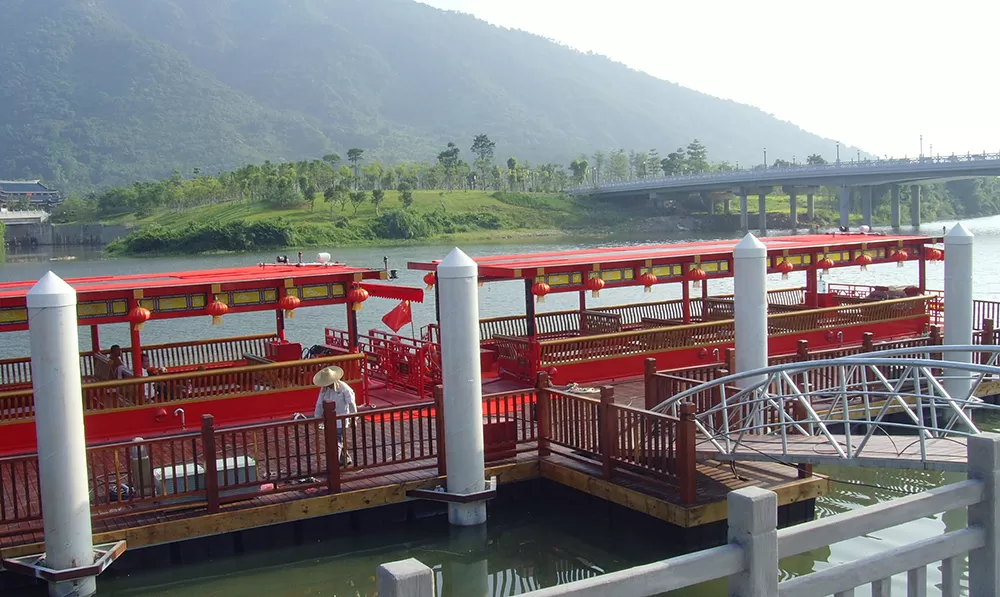
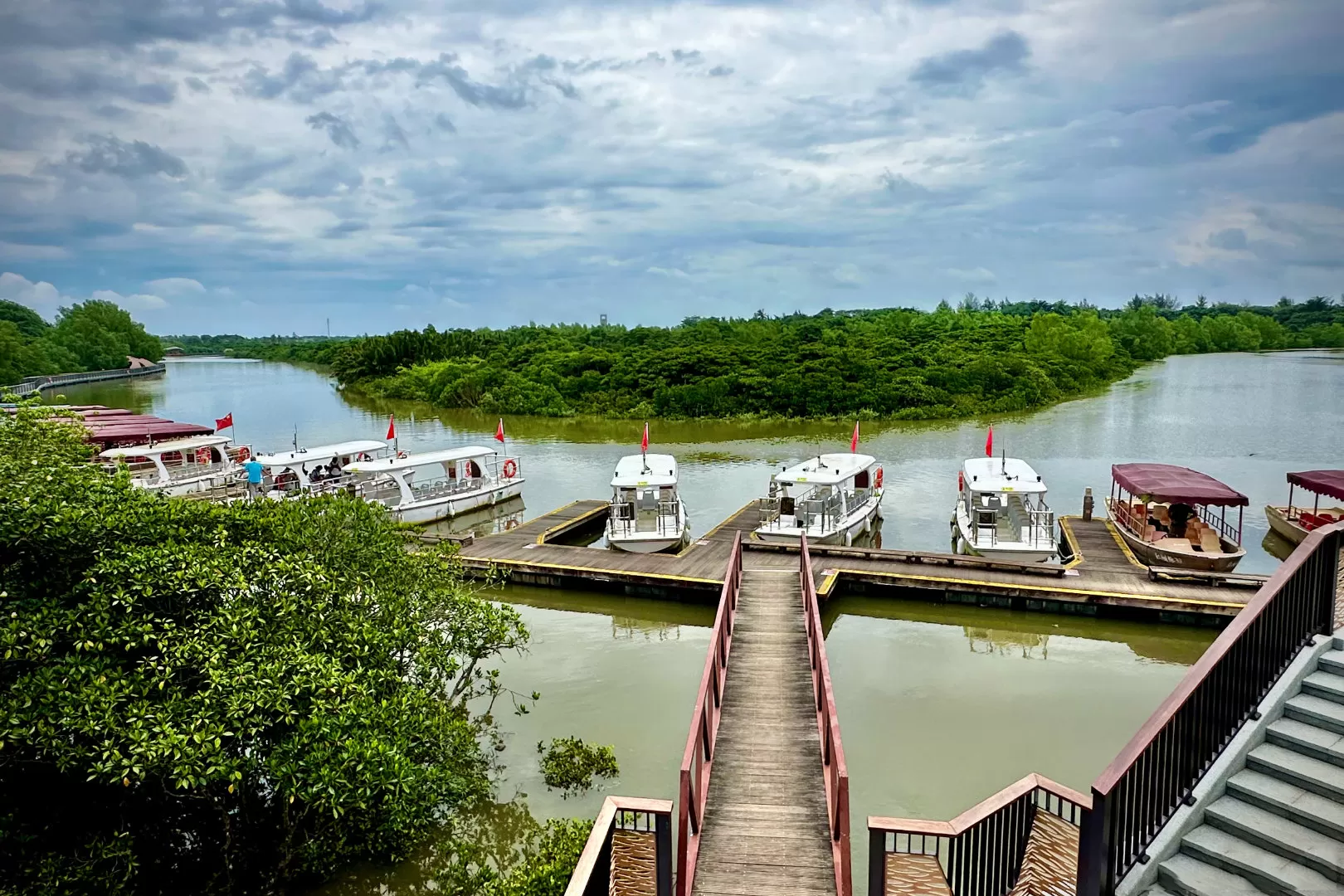
Floating dock systems serve diverse operational contexts, each presenting unique engineering challenges. Commercial marinas require high-density berthing with convenient shore access, often incorporating fueling stations, pump-out facilities, and utility connections. Ferry and water taxi terminals demand rapid passenger throughput and heavy-duty decks capable of accommodating multi-deck vessels. Cargo handling facilities, including bulk terminals and container feeder ports, require reinforced decks and specialized mooring hardware to withstand the concentrated loads of forklifts and mobile harbor cranes. Each application imposes distinct demands on the floating dock manufacturer, from deck structural design to the integration of gangways, ramps, and fender systems.
In the context of recreational boating, floating docks have become the preferred solution for both transient and long-term berthing due to their ability to maintain constant freeboard. Liveaboard communities and yacht clubs often require amenities such as fresh water, electrical hookups, and sewage pump-out connections, which must be integrated into the dock infrastructure without compromising structural integrity or creating safety hazards. The most experienced floating dock manufacturer will approach each project with a tailored design philosophy, recognizing that a solution optimized for a small recreational marina will not perform adequately in a commercial shipping context.
The Procurement Process: From Design to Delivery
Engaging with a floating dock manufacturer follows a structured pathway from initial concept to final installation. The process typically begins with a feasibility study and site investigation, including bathymetric surveys, soil testing, and environmental impact assessments. These data inform the preliminary design phase, during which the manufacturer develops conceptual layouts, section profiles, and mooring arrangements. This stage is critical for establishing the project's technical and budgetary parameters. Project owners should expect a floating dock manufacturer to participate actively in value engineering discussions, exploring alternative configurations and material choices that can achieve performance goals while optimizing costs.
Following design approval, the manufacturing phase commences. Quality control is paramount during fabrication, with rigorous inspection of welds, concrete pours, and assembly fit-up. Many projects specify third-party inspection to ensure compliance with international standards such as ISO 9001 and applicable marine classification society rules. Delivery logistics also require careful planning, particularly for large pontoon sections that may exceed standard shipping dimensions. A competent floating dock manufacturer will coordinate transport and on-site handling, minimizing the risk of damage during transit. The delivery schedule should align with site preparation activities to avoid costly storage or idle workforce time.
Installation and Deployment Best Practices
Successful installation of floating dock infrastructure demands precise coordination between the manufacturer, contractors, and site personnel. The deployment sequence depends on the anchoring system and site accessibility. For spud pile systems, pile driving must precede dock installation, requiring careful positioning to achieve vertical alignment and penetration resistance. For deadweight anchors, pre-placement on the seabed using crane vessels or barges is typical. The floating dock sections are then lifted or floated into position, connected using bolted or welded joints, and secured to the mooring system. Alignment checks and freeboard verification are conducted at each stage, with adjustments made to compensate for local conditions such as tidal variations and current-induced deflection.
Watertight integrity testing and load testing should be performed before the facility is commissioned. These tests validate the design assumptions and confirm that the structure can safely accommodate its intended operational loads. Documentation of test results, including deflection measurements and mooring line tensions, provides a baseline for future condition assessments. A proactive floating dock manufacturer will provide detailed installation manuals and on-site technical support, ensuring that the assembly process adheres to the engineering intent. This collaborative approach reduces the likelihood of installation errors that could compromise the system's performance or shorten its service life.
Maintenance and Lifecycle Management
Floating dock infrastructure represents a substantial capital investment, and systematic maintenance is essential to protect that investment over the long term. A comprehensive maintenance plan should include regular visual inspections, structural integrity assessments, and replacement of sacrificial components. Key inspection points include:
Corrosion monitoring at welded connections and bolted joints, particularly in the splash zone where corrosive conditions are most severe.
Checking the condition of mooring chains, shackles, and anchor hardware for wear, deformation, or corrosion.
Inspecting fender systems for compression set, cracking, and detachment from mounting surfaces.
Evaluating the integrity of deck surfaces, non-slip coatings, and edge protection for damage or wear.
Testing utility connections, including electrical systems and plumbing, for leaks, insulation breakdown, and proper function.
Depending on the material and exposure conditions, maintenance intervals may vary from quarterly visual checks to annual comprehensive surveys. A floating dock manufacturer that offers ongoing technical support and spare parts availability adds significant value, enabling owners to address issues promptly and minimize operational downtime. Many manufacturers now offer remote monitoring solutions that track mooring line tensions, dock orientation, and environmental parameters, providing early warning of developing problems and enabling predictive maintenance strategies. This data-driven approach aligns with modern asset management practices and can extend the service life of the floating dock system well beyond typical design horizons.
Common Challenges and Engineering Solutions
Every marine construction project encounters challenges that test the expertise of the floating dock manufacturer. Water level variability is a universal concern, particularly in regions with significant tidal ranges or seasonal water level changes. Solutions include the use of long spud piles or compliant mooring systems that accommodate vertical movement while maintaining horizontal position. The design must also address debris and ice accumulation, which can impose unexpected loads on dock structures and mooring components. Engineered solutions such as ice deflectors, debris screens, and shaped pontoons that shed accumulations can mitigate these risks.
Biological fouling is another operational issue that affects dock performance and maintenance costs. Marine organisms colonizing submerged surfaces can increase drag, reduce buoyancy, and accelerate corrosion. Antifouling coatings, copper-nickel cladding, and specialized surface treatments are available, though their effectiveness varies with local conditions. A knowledgeable floating dock manufacturer will recommend site-specific antifouling strategies based on biological activity and water chemistry data. Additionally, the integration of environmental monitoring systems can help operators detect early signs of structural distress, enabling proactive intervention before minor issues evolve into major failures. This holistic approach to risk management is a hallmark of the most capable manufacturers.
Frequently Asked Questions
Q1: What is the typical service life of a commercial floating dock system?
A1: With proper design, fabrication, and maintenance, commercial floating docks can achieve service lives of 30 to 50 years. Aluminum and concrete systems generally offer the longest durability, while HDPE floats may require replacement of buoyant elements after 20 to 25 years. The actual lifespan depends on environmental conditions, loading intensity, and the quality of maintenance practices. A reputable floating dock manufacturer will provide lifecycle cost projections to inform ownership decisions.
Q2: How does a floating dock manufacturer account for varying water levels and tidal ranges?
A2: The design approach depends on the magnitude and frequency of water level changes. For tidal ranges up to several meters, spud pile systems provide vertical guidance while maintaining horizontal position. For larger ranges or sites with soft seabeds, compliant mooring systems with chain or rope can accommodate significant vertical movement. The mooring analysis performed by the manufacturer determines the appropriate configuration based on site-specific data, ensuring that the dock remains functional throughout the full range of water levels.
Q3: What certifications or standards should a floating dock manufacturer comply with?
A3: Industry standards provide a benchmark for quality and safety. Relevant frameworks include ISO 9001 for quality management, ISO 14001 for environmental management, and applicable marine classification society rules. For structural design, references such as ASCE 7, Eurocode, and national building codes often apply. Project owners should request documentation of compliance with these standards and consider third-party verification of critical design and fabrication elements.
Q4: Can floating dock systems be customized for specific marine environments, such as high-wave-energy sites?
A4: Yes, customization is a core capability of experienced manufacturers. High-wave-energy sites require robust structural design, heavy-duty mooring systems, and energy-absorbing fender arrangements. Wave transmission and response amplitude operators (RAOs) are analyzed to optimize dock geometry and minimize motion. Additional measures such as breakwater integration or advanced anchoring techniques may be recommended. DeFever specializes in such custom engineering solutions, adapting standard designs to meet the demands of challenging environmental conditions.
Q5: What is the typical lead time for a large-scale floating dock project?
A5: Lead times depend on project scale, design complexity, and manufacturing capacity. For large commercial projects, the overall timeline from design through installation typically ranges from 9 to 18 months. The design and engineering phase may take 8 to 12 weeks, followed by fabrication spanning 4 to 8 months, with site preparation and installation occupying an additional 4 to 8 weeks. Project owners should engage with the floating dock manufacturer early to align schedules and mitigate delays.
Q6: How does ice formation affect floating dock performance in cold climates?
A6: Ice formation can impose substantial lateral and vertical forces on floating dock systems. In regions where seasonal ice occurs, the mooring design must accommodate ice loads, which can exceed wind and wave loads. Ice deflectors and reinforced hulls are common countermeasures. Some systems incorporate air bubblers or de-icing systems to maintain ice-free zones around the dock. A specialized floating dock manufacturer with cold-climate experience will perform ice load calculations and recommend appropriate protective measures.
Partner with DeFever — Our engineering team provides comprehensive support from site assessment through installation and ongoing maintenance. We bring technical expertise and practical experience to every project, ensuring that your floating dock infrastructure performs reliably across its entire service life. Contact our marine infrastructure group to discuss your project requirements and explore how our tailored solutions can meet your operational and budgetary objectives.
deli@delidocks.com | +86 18867310907 / +86 18819288218