2026-10-15
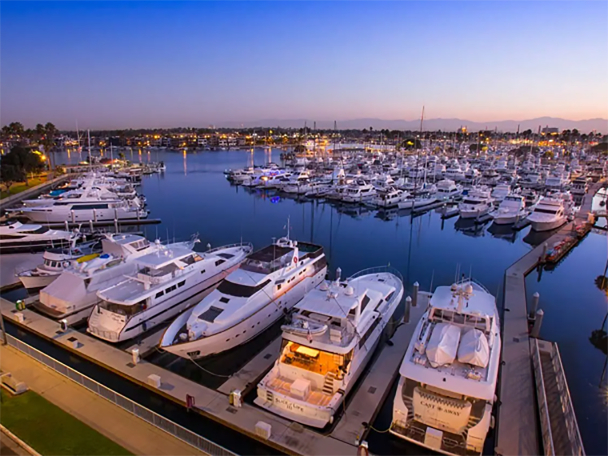
Modern waterfront development requires a rigorous synthesis of coastal engineering, materials science, and vessel operational planning. Constructing a facility capable of accommodating everything from private day-boats to ultra-large superyachts requires structural systems designed to withstand harsh marine environments, dynamic wave regimes, and heavy cyclic loads. Engaging a qualified yacht marina manufacturer early in the feasibility and planning stages ensures that the resulting pontoon systems, gangways, and mooring arrangements meet international compliance benchmarks while providing decades of operational reliability.
Waterfront infrastructure represents a major capital expenditure. The long-term viability of these projects depends on how well the physical layout addresses environmental exposures, bathymetric realities, and the spatial requirements of modern naval architecture. Commercial developers, port authorities, and private operators must navigate complex decisions regarding pontoon fabrication materials, pile anchoring dynamics, utility integration, and environmental stewardship to build resilient, functional harbors.
Hydrodynamic Assessment and Site Analysis in Marina Planning
Before structural fabrication begins, a marina footprint must be evaluated against localized oceanographic data. Computational modeling and on-site acoustic Doppler current profiling provide baseline parameters for floating dock structural design. These hydrodynamic calculations directly influence the mass, freeboard height, and anchoring requirements of floating pontoons.
Wave Climate and Attenuation: Wave periods exceeding 2.5 to 4.0 seconds generate significant heave and roll motions in floating docks. When incident wave heights exceed 0.3 meters inside the basin, fixed or floating breakwaters become necessary to prevent structural fatigue on pontoon connector hinges and vessel hull impacts.
Current Velocities and Drag Forces: Current velocity profiles dictate transverse loads on both berthed vessels and the submerged pontoon hulls. Drag coefficients must account for bio-fouling buildup over time, which increases effective surface area and lateral resistance against the piling or anchor tethers.
Tidal Variations and Extreme Weather Events: Sites with high tidal ranges require specialized articulating access bridges and high-capacity pile guide brackets. Historical storm surge calculations establish the minimum pile cutoff elevations needed to prevent floating pontoons from unseating during maximum astronomical tides combined with storm conditions.
Geotechnical and Bathymetric Surveys: Sub-bottom profiling and standard penetration tests identify seabed strata composition. This data dictates whether anchoring requires drilled socket piles, driven steel mono-piles, or tensioned mooring anchors embedded in deep sedimentary layers.
Structural Materials and Fabrication Methodologies
The durability of floating dock structures depends directly on raw material selection and metallurgical protective measures. Marine environments create severe corrosion mechanisms, including chloride-induced pitting, galvanic reactions between dissimilar metals, and freeze-thaw degradation of concrete matrices.
Industrial fabricators employ distinct material systems based on specific project requirements, environmental exposure, and vessel displacement parameters.
Heavy-Duty Marine Concrete Pontoons
Precast reinforced concrete pontoons serve as the standard for high-exposure perimeter docks, heavy commercial berths, and superyacht basins. Modern manufacturing processes utilize sulfate-resistant Portland cement combined with micro-silica and fly ash admixtures to yield compressive strengths exceeding 50 MPa with extremely low permeability. Structural reinforcement incorporates epoxy-coated or hot-dip galvanized rebar, alongside non-corrosive basalt or synthetic fibers that mitigate micro-cracking.
Expanded polystyrene (EPS) cores provide the required buoyancy. These closed-cell cores are manufactured to prevent water absorption even if the outer concrete shell experiences local impact punctures. Heavy concrete structures provide high mass and inertial damping, significantly reducing motion response under passenger foot traffic and small-vessel berthing maneuvers.
Structural Marine-Grade Aluminum Alloys
For sheltered inland basins, variable-tide marinas, and modular finger-dock configurations, structural aluminum frameworks provide high strength-to-weight ratios and natural corrosion resistance. Manufacturers rely on 6005A-T6, 6082-T6, and 6061-T6 aluminum extrusions engineered with dedicated channels for concealed utility distribution.
The integrity of an aluminum floating dock depends on precise welding under inert gas shields and the strict elimination of direct contact between aluminum and stainless steel fasteners or steel piles. Isolating these assemblies using high-density polyethylene (HDPE) or neoprene isolation washers prevents destructive galvanic corrosion cells. Manufacturers like DeFever utilize precision-extruded profiles and continuous structural calculation models to ensure aluminum frameworks withstand sustained torsional stresses from finger pontoon loads.
Hot-Dip Galvanized Structural Steel Systems
In heavy industrial ports and large superyacht applications requiring extended spans and heavy structural payload capacities, welded structural steel frames offer superior mechanical performance. All steel assemblies must undergo comprehensive post-weld hot-dip galvanization conforming to ISO 1461 or ASTM A123 standards, achieving coating thicknesses of at least 85 to 100 microns. For extreme applications, duplex systems—combining galvanization with marine-grade epoxy coatings—provide multi-layer barrier protection against harsh atmospheric marine conditions.
Pontoon Connection Systems and Flexibility Dynamics
Floating docks must continuously articulate with ocean swell, wake turbulence, and localized vessel impact forces. Rigid connections between large floating modules would concentrate bending moments, causing premature structural failure at the joint interfaces. A professional yacht marina manufacturer designs flexible joint configurations engineered to damp energy while maintaining dock alignment.
Elastomeric Silent Blocks: Molded synthetic rubber blocks installed between pontoon modules absorb high-frequency wave vibration and compress during heavy vessel impacts, reducing localized shear loads on structural connections.
Through-Bolt Pre-Stressed Tendons: High-tensile stainless steel or hot-dip galvanized through-rods pass through internal conduit sleeves within concrete pontoons, pre-stressing continuous runs of floating modules into a coherent, load-sharing platform.
Articulated Hinge Assemblies: Heavy cast-steel or machined aluminum hinges equipped with self-lubricating bronze or polyurethane bushings allow multi-axis pitch and roll movement between adjacent dock sections, preventing structural binding.
Anchoring Mechanics and Geotechnical Engineering
The anchoring system is responsible for holding the floating marina in position against combined windage, current, wave, and berthing loads. Selecting an incorrect anchoring configuration can result in excessive lateral displacement, pontoon skewing, or catastrophic detachment during major storms.
Modern marina engineering relies on three primary anchoring configurations:
Piling Systems
Driven steel pipe piles, pre-stressed spun concrete piles, and pultruded fiberglass (FRP) composite piles represent the standard anchoring method for harbors with moderate water depths. Pile guide brackets on the pontoons are lined with low-friction, ultra-high-molecular-weight polyethylene (UHMW-PE) rollers that allow smooth vertical travel during tidal fluctuations while transferring horizontal shear loads into the seabed foundation.
Elastic Mooring Tethers
In deep-water applications or environmentally protected marine sanctuaries where seabed driving is restricted, tensioned elastomeric mooring tethers provide a high-performance alternative. Systems such as Seaflex or Hazelett tethers connect the pontoons to heavy concrete sinkers or helical screw anchors embedded in the ocean floor. These synthetic cords maintain baseline pretension, elongating progressively under storm surges and high wind loads to absorb dynamic kinetic energy smoothly without sudden shock-loading.
Chain and Sinker Arrays
A conventional method used in low-energy or deep-water basins utilizes heavy stud-link marine anchor chains connected to high-mass concrete sinkers. The catenary curve of the chain provides the restoring force when lateral loads push the pontoon. To prevent the chain links from abrading the seabed, intermediate subsurface floats are often integrated to lift the chain off sensitive marine ecosystems.
Infrastructure Systems and Marina Utility Architecture
Commercial yacht berths must deliver reliable utility infrastructure directly to the boat slip. Modern yacht designs feature extensive power demands, complex communication requirements, and stringent domestic water supplies. Integrating these services into the dock architecture requires dedicated, separated routing channels that maintain clear separation between water and electrical systems.
High-Capacity Power Distribution: Superyacht berths frequently require 3-phase electrical supplies ranging from 125A to 400A+ at 400V/480V. Electrical distribution networks must incorporate isolation transformers, residual current monitors, and intelligent metering units embedded directly into service pedestals.
Potable Water Reticulation: Potable water loops must be constructed from marine-grade polyethylene (PE100) piping housed within dedicated utility ducts underneath the deck surface. Systems must include non-return check valves and automated flushing mechanisms to maintain water freshness and prevent bacterial growth in warm climates.
Blackwater and Greywater Extraction: Integrated vacuum or progressive-cavity pump-out stations allow vessels to discharge sewage directly at their slip, ensuring compliance with international MARPOL conventions. Dock routing must provide adequate slope and suction seals to prevent backflow and environmental contamination.
Fire Protection Networks: Dry or wet fire mains fabricated from heavy-wall HDPE or stainless steel feed strategically positioned hydrants and hose reels along the main walkway spines, conforming to NFPA 303 guidelines.
Superyacht Basin Parameters and Heavy-Displacement Berthing
The ongoing expansion of the global superyacht fleet requires specialized engineering considerations from every yacht marina manufacturer involved in large-scale harbor construction. Vessels measuring 40 to 100+ meters possess tremendous mass and significant windage profiles, exerting lateral loads that exceed conventional marina capacities by orders of magnitude.
Berthing force calculations must incorporate vessel displacement tonnages, approach velocity vectors, angle of incidence, and the hydrodynamic mass factor of entrained water around the hull. Mooring bollards anchored into the main concrete superstructures must be rated for working loads of 20 to 100+ metric tons, distributing structural stresses deep into the reinforcement grid of the pontoon rather than relying on surface fasteners.
Access gangways for mega-berths require clear widths capable of supporting golf carts, service vehicles, and automated freight carts. These articulating gangways must maintain structural stability across continuous live loads while incorporating heavy-duty slip rings and flexible conduit loops that accommodate tidal movement without fatiguing shore-to-dock utility feeds. Integrating custom fabrication from manufacturers like DeFever ensures that gangway articulation, heavy-duty pontoon buoyancy, and bollard pull ratings match the structural demands of mega-yacht berthing operations.
Regulatory Compliance, Standards, and Quality Management
Commercial marina engineering must comply with established international structural codes and maritime guidelines. Marine infrastructure must be designed, engineered, and fabricated under third-party verified quality management systems to guarantee operational performance throughout its intended service life.
PIANC Guidelines: The World Association for Waterborne Transport Infrastructure (PIANC) sets international benchmarks for marina layout geometry, fairway dimensions, and floating breakwater attenuation capacities (e.g., PIANC RecCom Working Group reports).
AS 3962 and BS 6349 Standards: The Australian Standard for Marina Design (AS 3962) and British Standard for Maritime Structures (BS 6349) provide foundational calculation methodologies for pontoon stability, freeboard under live loads, gangway slope parameters, and wind load safety factors.
Manufacturing Quality Control: Welding procedures for aluminum and steel must conform to ISO 3834 and AWS D1.2 / D1.1 standards. Concrete batching must include rigorous testing for slump, air content, chloride penetration resistance, and continuous core-crush testing.
Life-Cycle Asset Management and Environmental Stewardship
Harbors operate in environmentally sensitive, chemically aggressive aquatic zones. Long-term capital protection requires continuous asset maintenance plans combined with environmentally non-disruptive materials.
Sacrificial anode cathodic protection systems (zinc or aluminum alloy anodes) must be installed across all immersed metallic components, including pile guide brackets, through-rods, and hinge pins. Routine divers' inspections measure anode consumption rates and verify that stray-current electrical leakage from shore power connections is not accelerating underwater metal loss.
Decking materials must be chosen for their non-slip properties, UV degradation resistance, and low thermal retention. While dense tropical hardwoods (such as Ipe or Cumaru) have historically served as the luxury standard, modern marinas increasingly utilize continuous wood-plastic composites (WPC), mineral-composite decking, or pultruded fiberglass (FRP) micro-mesh grating. FRP grating allows natural sunlight penetration through the dock structure to support submerged benthic marine ecosystems and sea grasses, assisting developers in securing environmental permits from coastal management agencies.
Frequently Asked Questions
What is the typical design working life of a commercial floating pontoon system?
High-grade heavy concrete pontoons manufactured with low-permeability marine concrete and corrosion-resistant reinforcement typically provide a design working life of 30 to 50 years under regular maintenance regimes. Structural aluminum systems generally offer an operational lifespan of 20 to 30 years, depending on localized water salinity, mechanical wear on elastomeric bushings, and the strict maintenance of sacrificial anodes.
How does a yacht marina manufacturer calculate pontoon freeboard requirements?
Freeboard height is calculated based on the targeted vessel sizes, boarding access geometry, and operational water conditions. Small day-boats require lower freeboards (typically 400 mm to 500 mm) to allow easy passenger boarding, whereas commercial superyacht berths require working freeboards of 800 mm to 1200 mm or more to align with large hull boarding doors and gangways while maintaining reserve buoyancy under heavy deck loads.
What methods are used to mitigate wave energy within an exposed marina basin?
Wave energy mitigation can be achieved using fixed rubble-mound breakwaters, vertical sheet-pile wave screens, or heavy floating concrete wave attenuators. Floating wave attenuators—typically wide, high-mass concrete pontoons with deep underwater keels—effectively attenuate short-period wind waves (under 4 seconds) by reflecting and dissipating wave energy through dynamic drag and structural displacement.
How are stray-current corrosion problems prevented in floating marinas?
Stray-current corrosion occurs when direct-current (DC) electricity from faulty vessel grounding systems or improperly grounded shore power pedestals escapes into the surrounding water, rapidly consuming underwater metal fittings. Prevention involves installing galvanic isolators or isolation transformers on dockside power pedestals, bonding all exposed metallic dock structures into a unified grounding network, and maintaining active sacrificial anode protection across all underwater brackets and pile guides.
Can modular pontoon systems be expanded or reconfigured after installation?
Yes. Industrial floating marina systems utilize modular bolted or pinned connections that allow marina operators to alter slip configurations, extend walkway spines, or widen finger piers as their tenant demographics evolve. Modular engineering allows the marina layout to scale upward or adapt to larger vessel beam requirements without requiring complete harbor reconstruction.
Partner with an Experienced Yacht Marina Manufacturer
Executing a successful marina development demands deep manufacturing precision, hydrodynamic structural calculation, and rigorous adherence to international marine codes. Whether developing a high-density municipal harbor, a specialized catamaran facility, or an expansive superyacht destination, working directly with a qualified yacht marina manufacturer ensures custom-engineered reliability from initial concept planning to factory fabrication and on-site commissioning.
Contact our engineering and procurement team today to discuss your site-specific bathymetry, floating infrastructure requirements, and custom pontoon fabrication specifications. Submit your project drawings and environmental load criteria to receive a comprehensive structural proposal and preliminary layout analysis for your upcoming marine development.