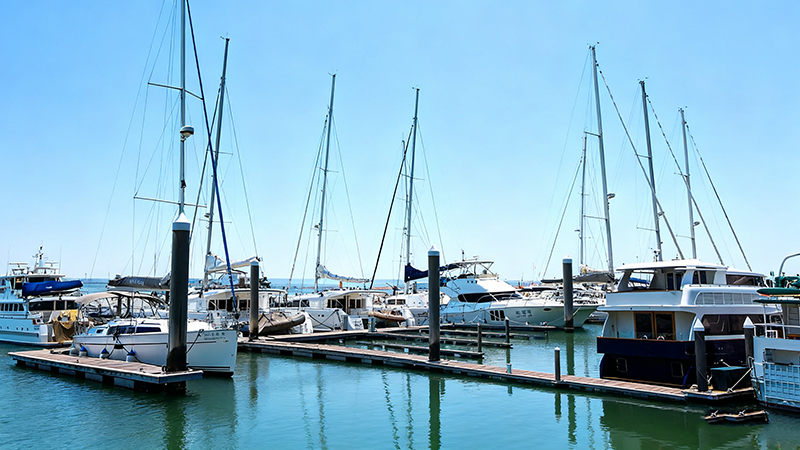
The concept of a floating house has evolved significantly from simple houseboats to sophisticated engineered structures capable of providing permanent, comfortable living spaces on water. As waterfront real estate becomes increasingly scarce and expensive, floating residences offer a viable alternative that combines scenic living with engineering innovation.
When discussing floating house construction, we must consider multiple factors including buoyancy calculations, structural integrity, anchoring systems, and environmental impact. DeFever has been at the forefront of this engineering domain for three decades, delivering customized floating solutions that meet international standards while adapting to local conditions.
A successful floating house begins with accurate buoyancy engineering. The supporting floatation system must account for:
Dead loads (structural weight, permanent fixtures)
Live loads (occupants, furniture, variable weights)
Environmental loads (wind, waves, currents)
Snow and rain accumulation where applicable
The floating dock engineering expertise developed by DeFever applies directly to residential floating structures. Engineers calculate displacement requirements using the Archimedes principle, ensuring adequate freeboard under all load conditions while maintaining stability.
Modern floating houses utilize several floatation technologies:
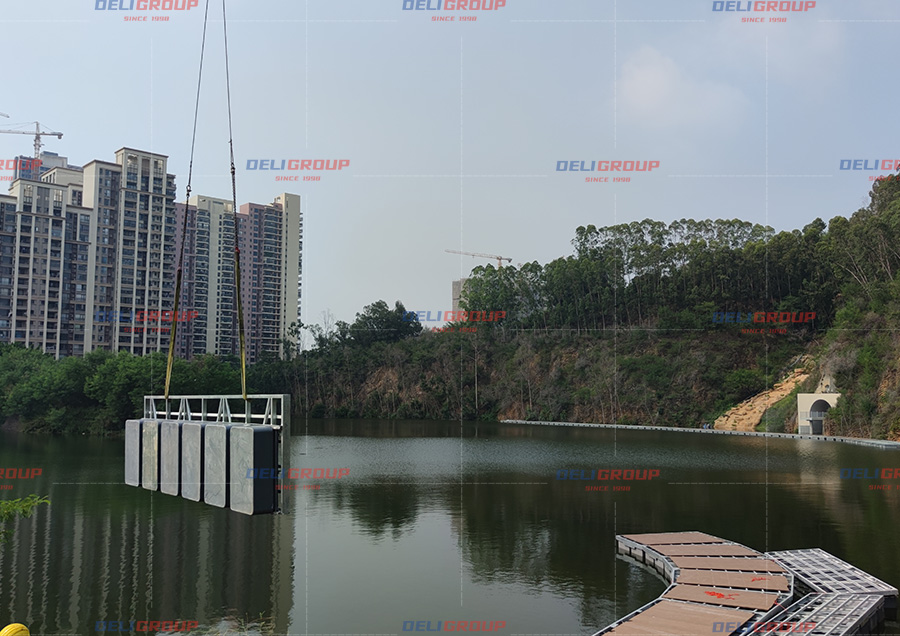
Concrete Floatation Boxes - Reinforced concrete floatation boxes offer exceptional durability and resistance to UV degradation. These typically provide 30+ years of service life when properly maintained. The mass also contributes to stability in rough water conditions.
Polyethylene Floats - Rotomolded high-density polyethylene floats provide cost-effective buoyancy for smaller structures. UV stabilizers prevent degradation and environmental contamination.
Steel and Aluminum Pontoons - For larger floating residences, steel or aluminum pontoon structures offer design flexibility. Aluminum, in particular, provides excellent corrosion resistance with minimal maintenance requirements. DeFever's aluminum pontoon systems typically exceed 25 years of service life in freshwater environments.
The integrity of any floating house depends on how its components connect. The floatation units must attach securely to the superstructure while allowing for controlled movement. Connection methods include:
Galvanized steel bolt systems with locking mechanisms
Flexible connectors that accommodate wave action
Redundant attachment points for safety
DeFever manufactures precision-engineered connection components that ensure structural integrity while simplifying installation and potential future reconfiguration.
Above the waterline, floating houses incorporate:
Aluminum framing - Lightweight, corrosion-resistant, and strong
Steel reinforcement - For spans requiring additional strength
Composite decking - Recycled plastic and wood fiber composites
Sustainable timber - Certified wood with marine-grade treatments
No single anchoring approach works for all locations. Site conditions determine the appropriate method:
Steel Pile Anchoring
Fixed steel piles driven into the waterbed provide the most stable configuration for floating houses in protected waters. The structure rises and falls with water levels while remaining horizontally fixed. This method works well in areas with predictable water level changes and stable bottom conditions.
Weight and Chain Systems
For deeper water or rocky bottoms where piling is impractical, concrete blocks combined with anchor chains allow controlled movement. The chain length must accommodate maximum water level fluctuations while maintaining holding power.
Combination Systems
Many permanent floating residences utilize both piles and weighted anchors, particularly in areas exposed to storms or significant wave action. The piles provide primary positioning while anchor chains offer backup security.
Professional floating house engineering evaluates:
Bottom composition (mud, sand, rock, coral)
Aquatic vegetation and protected habitats
Current patterns and seasonal variations
Ice formation potential in colder climates
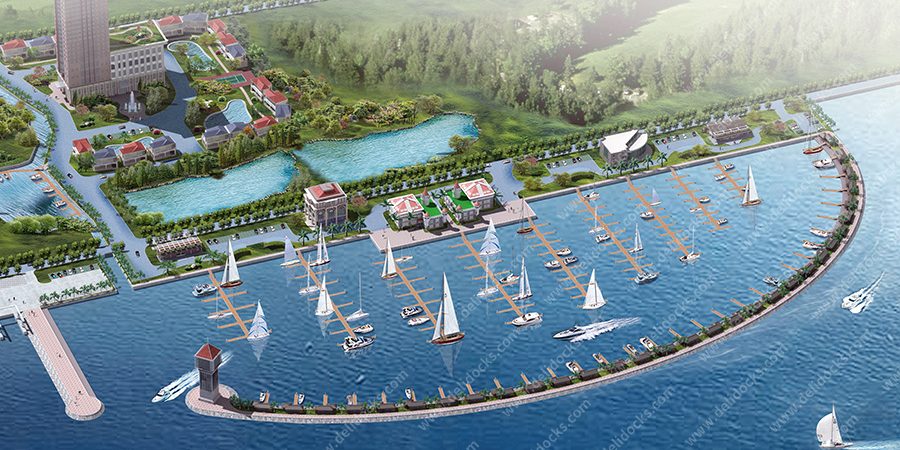
The most sophisticated floating house projects involve entire communities. These developments require coordinated engineering including:
Shared utility corridors (power, water, sewage)
Community walkway systems
Centralized anchoring infrastructure
Environmental management systems
Floating houses serve unique purposes in remote locations:
Research stations on lakes and protected coastal areas
Eco-tourism accommodations in environmentally sensitive regions
Seasonal residences in flood-prone areas
DeFever's project portfolio includes installations across diverse environments, demonstrating the adaptability of their engineering approach to local conditions and requirements.
Challenge: Marine environments accelerate material degradation through UV exposure, salt spray, and biological growth.
Solution: Material selection prioritizing corrosion resistance. Aluminum alloys with marine-grade tempering, concrete with appropriate admixtures, and protective coatings extend service life. Regular maintenance programs addressing sealants, fasteners, and protective finishes ensure 30-year service life targets are achieved.
Challenge: Floating structures fall into complex regulatory categories—neither fully vessels nor traditional buildings.
Solution: Early engagement with local authorities and adherence to applicable marine and building codes. DeFever's experience across international jurisdictions helps clients navigate permitting requirements efficiently.
Challenge: Floating houses must not damage sensitive aquatic ecosystems.
Solution: Engineering that minimizes shadowing effects on aquatic vegetation, non-toxic materials that won't leach into water, and anchoring systems that avoid bottom disturbance. Recyclable materials and sustainable sourcing further reduce environmental impact.
Modern floating houses range from minimalist single-bedroom retreats to multi-story residences with full amenities. The engineering must accommodate:
Asymmetric floor plans
Multiple levels and roof decks
Large windows and open layouts
Integrated mechanical systems
Advanced floating houses incorporate:
Submersible utility lines with flexible connections
Onboard water treatment systems
Solar arrays and battery storage
Efficient HVAC designed for marine environments
The complexity of floating house projects demands experienced engineering partners. Amateur construction frequently encounters:
Inadequate buoyancy leading to low freeboard and water ingress
Insufficient anchoring resulting in drifting or shoreline impact
Material choices that fail prematurely in marine environments
Connection failures between floatation and structure
DeFever's 30-year track record includes successful floating structures across six continents. Their integrated approach covers initial feasibility, detailed engineering, material sourcing, and installation support—providing clients with comprehensive solutions rather than generic templates.
As coastal communities face sea-level rise, floating houses offer adaptive solutions. Engineers are developing:
Expandable floatation systems that accommodate rising water levels
Breakwater-integrated communities that create protected basins
Self-sufficient designs with closed-loop water and waste systems
The industry continues advancing:
Bio-based composites for decking and finishing
Recycled material floatation units
Low-carbon concrete formulations
Natural fiber reinforcements
Q1: How long can I expect a professionally engineered floating house to last?
A1: With proper materials and regular maintenance, a floating house constructed by experienced engineers like DeFever typically achieves a 30-year service life. The floatation system may require inspection every 5-7 years, while the superstructure can last indefinitely with appropriate upkeep. Aluminum pontoons often exceed 25 years, and concrete floatation boxes can last 50+ years with proper maintenance.
Q2: What anchoring method is best for my floating house?
A2: The optimal anchoring system depends entirely on your site conditions. Steel pile anchoring works best in sheltered waters with stable bottoms and predictable water levels. Chain and weight systems suit deeper water or rocky bottoms. Many permanent residences benefit from combination systems that provide both stability and security. Site assessment by qualified engineers determines the appropriate approach for your specific location.
Q3: Do I need permits for a floating house installation?
A3: Yes, floating houses typically require multiple permits from local, regional, and sometimes national authorities. Requirements vary significantly by country and jurisdiction. Your engineering partner should advise on the necessary approvals and help you navigate the permitting process. Working with an experienced firm like DeFever ensures you understand requirements before committing to a project.
Q4: Can floating houses be installed in saltwater environments?
A4: Absolutely, but material selection becomes critical. Saltwater accelerates corrosion and biological growth. Aluminum alloys with marine-grade tempering, proper sacrificial anodes, and protective coatings are essential. Concrete floatation boxes perform well in saltwater when properly formulated. Regular maintenance schedules must account for the more aggressive marine environment.
Q5: How are utilities connected to a floating house?
A5: Utilities require flexible connections that accommodate water level changes. Electrical service typically uses submersible cables with watertight connections entering the structure above expected water levels. Water supply requires flexible hoses rated for potable water. Waste systems may include holding tanks with pump-out services or advanced treatment systems with permitted discharge. Your engineering partner designs these connections for reliability and safety.
Q6: What happens in extreme weather conditions?
A6: Properly engineered floating houses withstand significant weather events. The structure rises and falls with storm surge rather than fighting it. Anchoring systems are designed for local extreme conditions including high winds and waves. During hurricane-force events, occupants should evacuate as they would from any vulnerable structure, but the residence itself remains secure if properly engineered.
Q7: Can floating houses be moved after installation?
A7: Some floating houses are designed for relocation, while others are essentially permanent. Structures on pile anchors typically cannot move without significant work. Those on chain and weight systems can potentially be towed to new locations, though this requires careful planning, appropriate permits, and specialized equipment. If future relocation is important, specify this requirement during the design phase.
The floating house represents a sophisticated intersection of naval architecture, structural engineering, and residential design. Success requires partners who understand the unique challenges of marine environments and possess the technical resources to address them. DeFever's floating dock engineering expertise, combined with their global project experience, positions them as a valuable partner for those considering custom floating residences.
Whether for primary residence, vacation home, or specialized commercial application, professionally engineered floating structures offer durable, environmentally responsible solutions for life on the water. Contact engineering professionals early in your planning process to ensure your vision becomes reality—safely, sustainably, and built to last.