The development of a modern yacht marina requires more than just a sheltered body of water. It demands integrated marine solutions that address complex engineering, environmental, and operational challenges. From initial feasibility studies to long-term maintenance, a successful project hinges on a holistic approach. Industry leaders like DeFever have demonstrated how comprehensive planning leads to resilient and successful harbors.
Comprehensive Planning and Design: The First Critical Phase
Every successful marina starts with meticulous planning. This phase sets the foundation for all future operations and sustainability.
Site Selection and Hydrographic Survey
Choosing the right location is paramount. Engineers must analyze multiple factors.
Water depth and tidal range
Prevailing wind and wave patterns
Sea bed composition and stability
Existing environmental sensitivities
Accurate data here informs the entire design process, ensuring the proposed marine solutions are viable from the start.
Master Layout and Berthing Configuration
The layout must optimize space, ensure safe navigation, and cater to target vessel sizes. Efficient circulation patterns for boats and pedestrians are crucial.
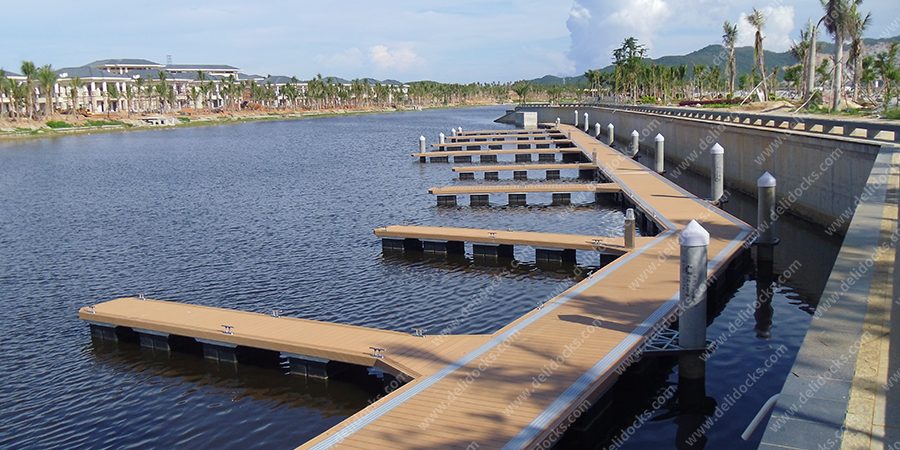
Designers consider fixed piers versus floating docks, single or double-sided berths, and the allocation of space for amenities.
Advanced Structural and Floating Dock Engineering
The structural components of a marina are its backbone. They must withstand constant marine exposure and dynamic loads.
Materials and Corrosion Resistance
Selecting the right materials extends lifespan and reduces maintenance. Common choices include:
Galvanized or stainless steel
Marine-grade aluminum
Recycled plastic composites
Pressure-treated and sustainable hardwoods
Each material offers different benefits in terms of strength, weight, and environmental impact.
Floatation Systems and Stability
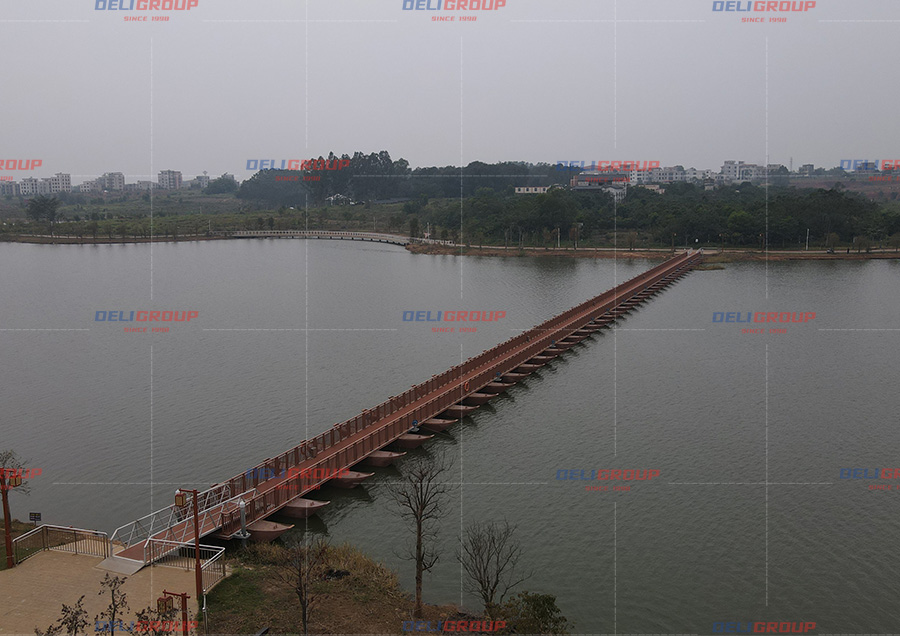
Modern floating docks rely on advanced floatation technologies. Encased foam or air-filled polyethylene floats provide stable, durable support.
These systems must maintain stability under uneven load distribution, wave action, and tidal movement, a core aspect of reliable marine solutions.
Sustainable and Environmental Marine Solutions
Today's marina projects prioritize environmental stewardship. Sustainable practices are now integrated into every project phase.
Erosion Control and Habitat Protection
Construction must minimize disruption to coastal processes. Techniques include silt curtains, careful timing of in-water work, and using eco-friendly seawall designs.
Creating new habitats, like oyster beds or seagrass plots, can sometimes be part of the mitigation strategy.
Water Quality and Pollution Prevention
Protecting water quality is non-negotiable. Key systems include:
Oil-water separators in pump-out stations
Stormwater filtration systems on land
Provision for waste collection and recycling
Encouraging shore power to reduce generator use
Companies like DeFever focus on integrating these features seamlessly into the marina's design.
Operational Technology and Safety Systems
A modern marina is a hub of technology that enhances safety, security, and convenience for boaters and managers alike.
Smart Marina Technologies
Digital management systems streamline operations. These can include online berth booking, automated access control, and smart metering for water and electricity.
Integrated sensors monitor dock conditions, security cameras enhance safety, and WiFi networks provide coverage.
Navigation and Safety Infrastructure
Clear, reliable navigation aids are essential for safe access. This encompasses channel marking, dock lighting, and emergency equipment stations.
Robust firefighting and first-aid capabilities must be readily available, forming a critical part of operational marine solutions.
Long-Term Maintenance and Resilience Planning
A marina is a long-term asset. Proactive maintenance and adaptability plans ensure its viability for decades.
Routine Inspection and Upkeep Programs
Scheduled inspections identify wear on docks, electrical systems, and utilities before they become major issues. A planned maintenance schedule is cost-effective.
Designing for Climate Resilience
Modern marinas must consider rising sea levels and increased storm intensity. Designs may incorporate:
Higher freeboard on docks
Enhanced mooring systems
Adaptable infrastructure that can be modified over time
Building with resilience in mind protects the investment and ensures continuous service.
The field of international yacht marina engineering continues to evolve. Success lies in applying integrated, forward-thinking marine solutions that balance technical requirements with environmental and community needs. From concept to daily operation, the goal is to create safe, sustainable, and efficient harbors. Firms with deep expertise, such as DeFever, continue to lead by developing marinas that meet the highest standards of functionality and durability.
Frequently Asked Questions (FAQs)
Q1: What are the most critical factors in selecting marine solutions for a new marina project?
A1: The most critical factors are site-specific conditions (wave action, water depth, soil), environmental regulations, target vessel fleet, and long-term climate resilience. The marine solutions chosen must be tailored to this unique combination.
Q2: How do floating dock systems compare to fixed piers in terms of cost and maintenance?
A2: Floating docks often have a higher initial cost but adapt better to water level fluctuations, reducing stress on structures. They can require less maintenance related to tidal and wave damage compared to fixed structures in dynamic environments.
Q3: What sustainable practices are now considered standard in modern marina development?
A3: Standard practices include using non-toxic, recycled, or sustainable materials; installing advanced stormwater and bilge water treatment; providing shore power hookups; and designing layouts that minimize habitat disruption and coastal erosion.
Q4: How is technology changing the operation and management of marinas?
A4: Technology enables "smart marinas" with automated billing, remote monitoring of utilities and security, sensor-based dock management, and online reservation systems. This improves efficiency, safety, and the boater experience.
Q5: Why is a master plan so important before starting marina construction?
A5: A comprehensive master plan analyzes all physical, regulatory, and market variables. It ensures all engineering marine solutions are coordinated, identifies potential issues early, and provides a clear, phased roadmap for development, financing, and future expansion.