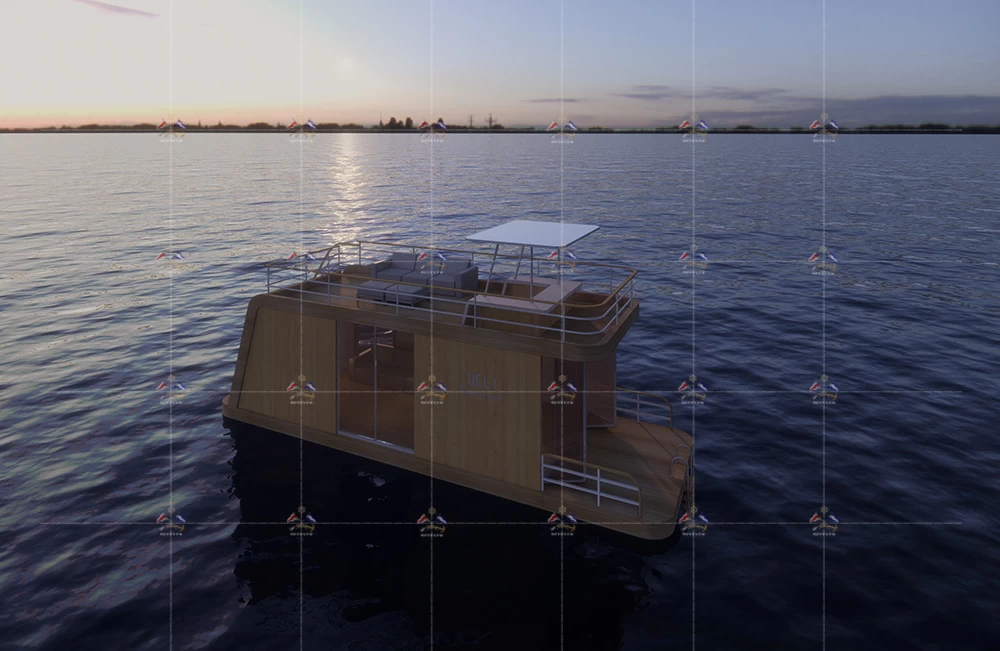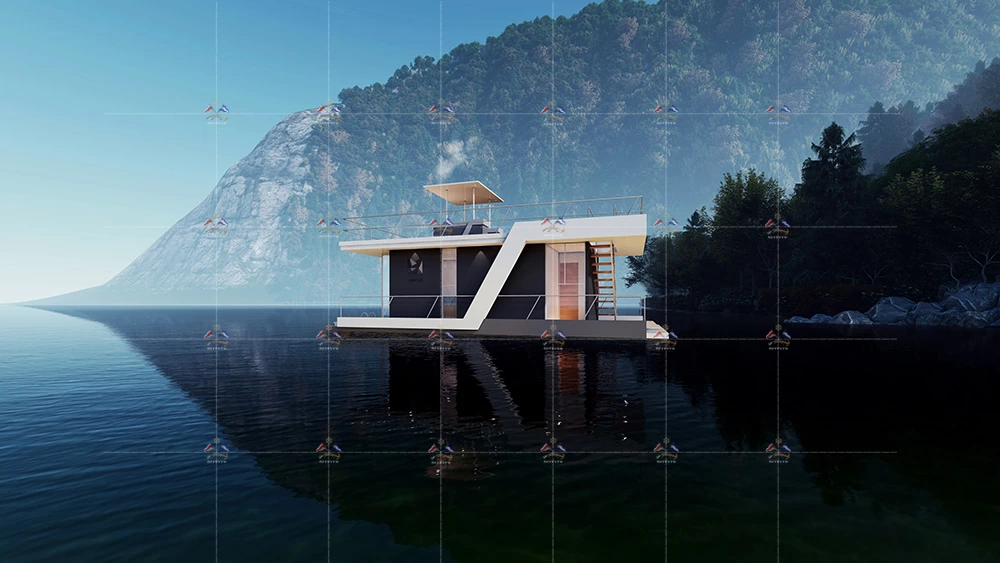
For marina developers and waterfront property owners, selecting the right docking solution is crucial. A well-designed floating dock for pontoon offers flexibility and resilience. It accommodates changing water levels and provides stable access for boats. In international yacht marina engineering, such structures are fundamental. Companies like DeFever bring extensive experience to this specialized field. This guide explains the important aspects of floating dock systems.
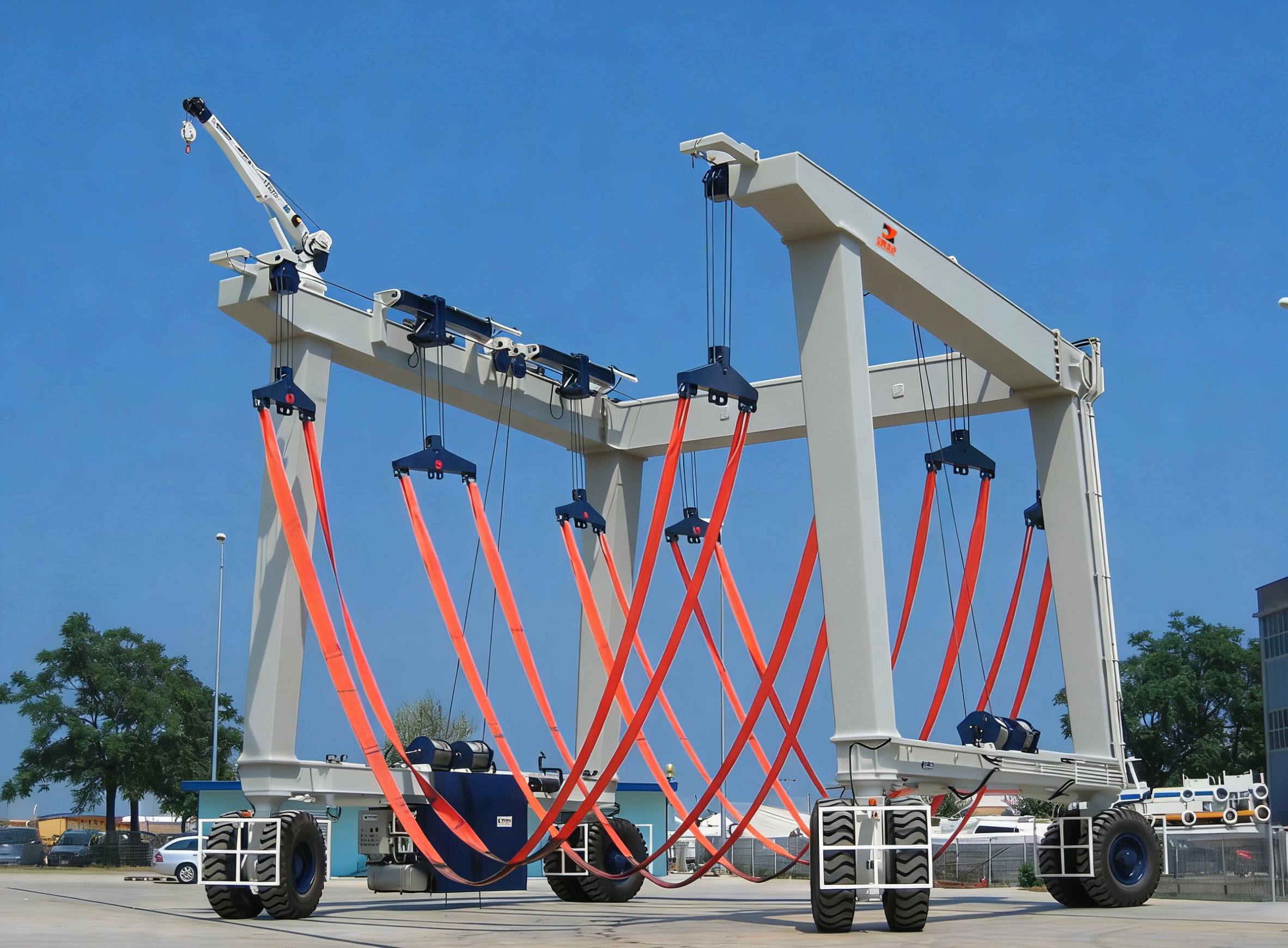
Understanding a Floating Dock for Pontoon Boat Use
A floating dock is a platform that rests on the water's surface. It is secured in place but moves with tides and waves. For pontoon boats, which have wide, flat hulls, these docks provide ideal access.
Key characteristics include:
Modular design for easy configuration and expansion.
Built-in flotation elements, often foam-filled or air-filled.
A deck surface made from wood, composite, or aluminum.
This type of floating dock for pontoon is common in marinas worldwide. It solves problems presented by fixed docks in variable environments.
Primary Advantages Over Fixed Docks
Why choose a floating system? The benefits are clear for both operators and boat owners.
Water Level Independence: Adjusts automatically to floods, droughts, or tides.
Reduced Structural Stress: No rigid piles that can bend or break in storms.
Easier Installation: Often requires less heavy machinery and seabed disruption.
These advantages make floating docks a practical choice. They ensure safe and continuous operation for pontoon boat fleets.
Key Design and Engineering Considerations
Building a reliable floating dock for pontoon requires careful planning. Engineers must balance functionality, safety, and environmental impact.
Material Selection for Durability
Materials must withstand constant water exposure and UV radiation. The choice affects longevity and maintenance costs.
Common options are:
Pressure-Treated Timber: Cost-effective but requires regular sealing.
Aluminum: Lightweight, strong, and highly resistant to corrosion.
Composite Decking: Made from recycled plastics and wood fibers; low maintenance.
Concrete Floats: Extremely stable and durable for high-traffic areas.
Each material has its place. The selection depends on budget, local climate, and expected boat traffic.
Load Capacity and Stability Analysis
A dock must support more than just the pontoon boat. Engineers calculate the total load.
Weight of the boats (both empty and fully fueled).
Weight of people, equipment, and stored items on the dock.
Potential environmental loads from wind, waves, and ice.
Stability is critical. A good design prevents excessive tilting or movement when people walk on it. This is a hallmark of professional work from firms like DeFever.
Installation and Anchoring Systems
Proper installation secures the floating dock for pontoon effectively. The goal is to allow vertical movement while restricting horizontal drift.
Common Anchoring Methods
Several techniques are used based on the seabed and water conditions.
Pile Guides: Vertical piles driven into the seabed. The dock slides up and down on these piles.
Mooring Chains and Anchors: Heavy-duty anchors set on the bottom, connected by chains to dock corners.
Dolphin Structures: Independent clusters of piles placed near the dock, connected by flexible arms.
The method chosen must account for water depth, bottom composition, and maximum expected wave height.
Step-by-Step Installation Overview
A systematic approach ensures safety and efficiency.
The process often follows these steps:
1. Site survey and bathymetric mapping.
2. Assembly of modular dock sections on land or in shallow water.
3. Towing sections to their final position.
4. Connecting sections and installing walkways/ramps.
5. Securing the entire system with the chosen anchoring method.
6. Installing utilities (power, water, lighting).
Integration in International Marina Projects
A floating dock for pontoon is rarely a standalone unit. It is part of a larger marina ecosystem with specific requirements.
Meeting International Safety Standards
Marinas must adhere to codes from bodies like the PIANC (World Association for Waterborne Transport Infrastructure).
Key standards address:
Slip resistance of deck surfaces.
Adequate lighting for night safety.
Clear access for emergency services.
Fire safety equipment placement.
Compliance is non-negotiable for reputable developers. It protects both the operator and the boat owners.
Adding Utilities and Services
Modern pontoon boat owners expect conveniences. Integrating them into a floating dock requires foresight.
Electrical Power: Marine-grade outlets for battery charging and tools.
Fresh Water: Frost-proof spigots for cleaning and tank filling.
Lighting: LED fixtures for security and ambiance.
Wi-Fi and Data: Conduits for cable routing to service points.
Planning these during the design phase is more efficient and cost-effective than retrofitting.
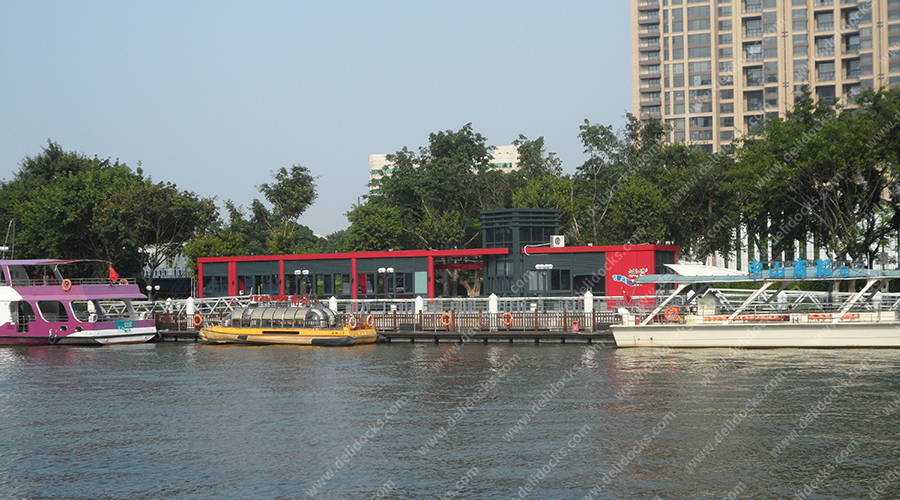
Long-Term Maintenance and Care
Even the best-built floating dock for pontoon needs regular upkeep. A maintenance program extends its service life significantly.
Routine Inspection Checklist
Schedule visual inspections at least quarterly, and after major storms.
Check all connection points for wear, cracks, or corrosion.
Inspect flotation units for damage or waterlogging.
Test all cleats, bollards, and railings for stability.
Verify that utility connections are secure and functional.
Clear debris that can trap moisture or cause abrasion.
Proactive care prevents small issues from becoming major repairs. This principle is central to the lasting value provided by established names like DeFever.
Selecting and installing a floating dock for pontoon boats is a detailed engineering task. It demands attention to materials, design, installation, and ongoing care. The right system enhances a marina's functionality, safety, and appeal to boat owners.
For large-scale or international projects, partnering with experienced professionals is wise. Their expertise ensures compliance with standards and delivers a durable asset. To explore robust solutions in this area, reviewing the approaches of specialized firms such as DeFever can be informative. A well-executed floating dock for pontoon is a cornerstone of successful modern marina infrastructure.
Frequently Asked Questions (FAQ)
Q1: How much weight can a typical floating dock for a pontoon hold?
A1: Capacity varies by design. Commercial-grade systems often support 75 to 100 pounds per square foot. Always consult engineering specifications for your specific model and confirm the total load, including the boat, passengers, and equipment.
Q2: Are floating docks for pontoons suitable for areas with ice in winter?
A2: They can be, with special considerations. Some are designed to be removed seasonally. Others use ice-activated systems or specific materials to withstand freeze-thaw cycles. A local engineer should assess the ice load.
Q3: Can I connect utilities like electricity and water to a floating dock?
A3: Yes. Utilities are run through flexible, waterproof conduits on specially designed service ramps. All electrical components must be marine-rated and installed according to strict codes to prevent hazards.
Q4: What is the expected lifespan of a floating dock system?
A4: With proper maintenance, aluminum or high-quality composite floating docks can last 25 to 30 years or more. Timber docks generally have a shorter lifespan, around 15 to 20 years, depending on treatment and upkeep.
Q5: How does a floating dock handle rough water or boat wakes?
A5: A properly anchored system is designed to move with wave action, absorbing energy. Features like wave-attenuation panels or breakwaters can be added in exposed locations to create a calmer mooring area for pontoons.