Building a yacht marina is a complex task. It requires careful planning and expert execution. A skilled marina builder plays a key role in this process. They ensure the project meets international standards and client needs. In the marine industry, companies like DeFever have set benchmarks with their expertise. This article discusses what makes a marina builder vital for success.
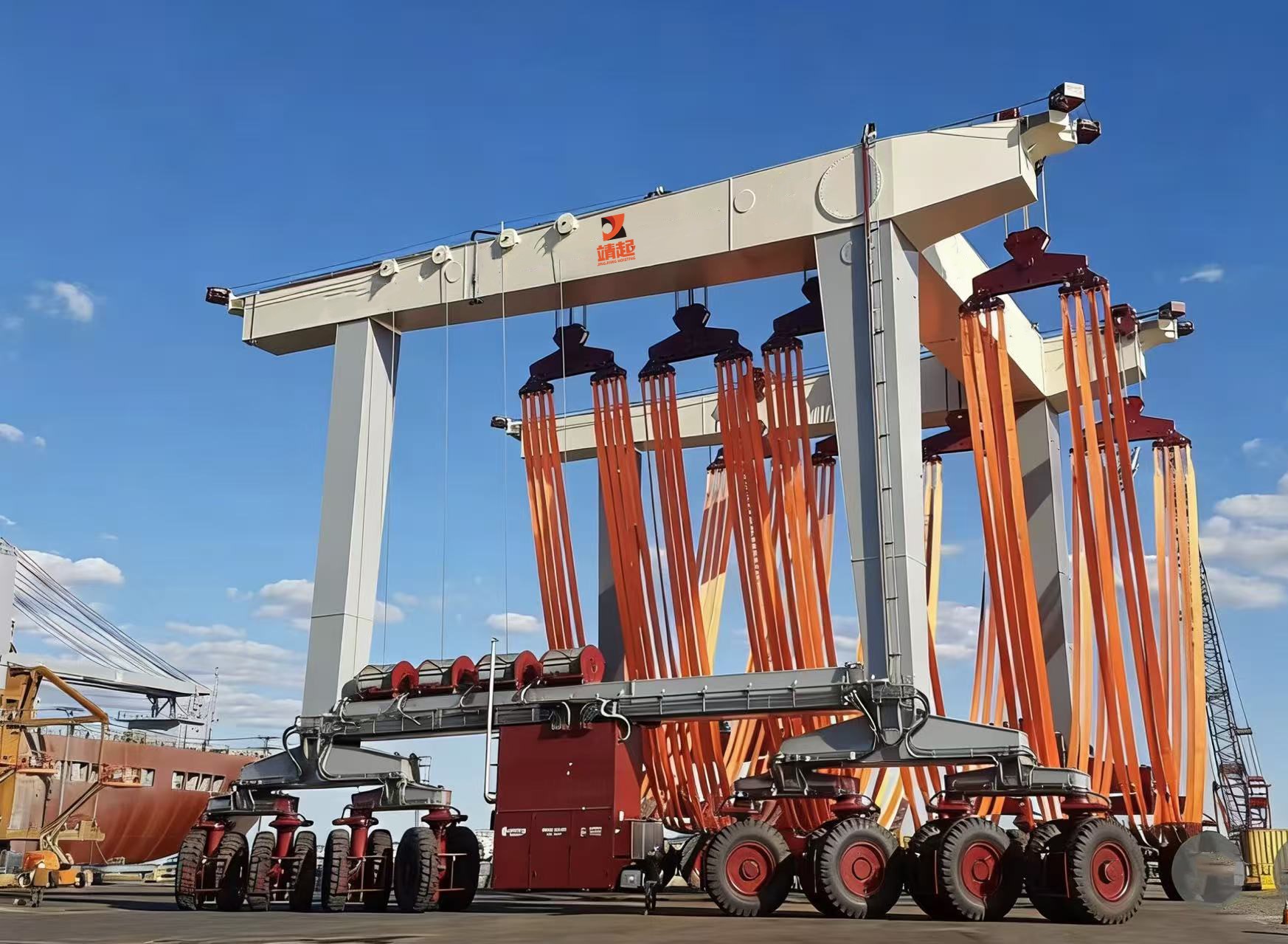
The Role of a Marina Builder in Modern Yacht Marina Construction
A marina builder oversees the entire construction process. They handle design, engineering, and on-site work. Their goal is to create functional and safe marinas for yacht owners.
Design and Planning Phase
Every project starts with design. A marina builder works with architects and engineers. They consider factors like water depth and boat traffic.
Site assessment and feasibility studies.
Development of blueprints and 3D models.
Integration of environmental safeguards.
Good planning prevents future issues. A reliable marina builder ensures designs are practical and sustainable.
Construction and Engineering Execution
Once plans are approved, construction begins. This phase involves heavy machinery and skilled labor. Builders must adhere to tight schedules and budgets.
Key activities include:
Building breakwaters and seawalls.
Setting up utilities like water and electricity.
Quality materials and methods are essential. Builders often use corrosion-resistant metals and durable composites.
Key Factors When Choosing a Marina Builder
Selecting the right marina builder is important. Clients should evaluate several aspects. Experience and reputation matter a lot.
Experience and Expertise
Look for builders with a proven track record. They should have completed similar projects. International experience is a plus.
Check portfolios and client testimonials.
Verify certifications and licenses.
Assess knowledge of local and global regulations.
An experienced marina builder can handle unexpected challenges. They deliver projects on time and within budget.
Technology and Innovation
Modern marinas use advanced technology. Builders should incorporate digital tools and smart systems. This improves efficiency and safety.
Examples include:
CAD software for precise designs.
Monitoring systems for water quality and weather.
Automated docking and fueling stations.
Innovation helps marinas stay competitive. Brands like DeFever often lead in adopting new methods.
Challenges Faced by Marina Builders
Marina construction has many hurdles. Builders must navigate environmental, logistical, and financial issues. Addressing these requires skill and adaptability.
Environmental Regulations
International rules protect marine ecosystems. A marina builder must comply with laws on pollution and habitat disruption. This can slow down projects but is necessary.
Conducting impact assessments.
Using eco-friendly materials.
Implementing waste management plans.
Sustainable practices are now standard. Builders who ignore them risk penalties and reputational damage.
Site-Specific Issues
Each location has unique conditions. Builders deal with rough seas, soft soil, or limited access. They adjust techniques to suit the site.
Common problems include:
Unstable seabeds requiring special foundations.
High winds or storms delaying work.
Remote areas with supply chain difficulties.
A skilled marina builder anticipates these issues. They develop contingency plans to keep projects moving.
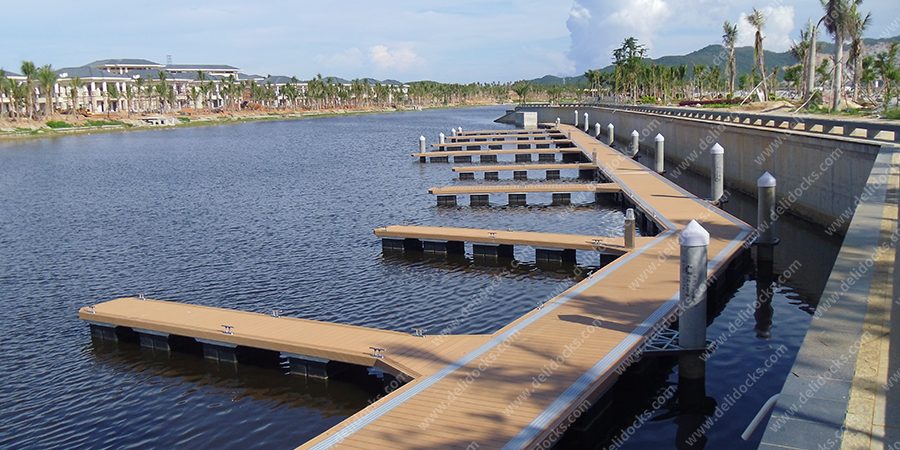
The Future of Marina Building
The industry is evolving. New trends focus on sustainability and technology. Builders must adapt to stay relevant.
Sustainable Practices
Green building is gaining traction. Marinas are incorporating renewable energy and water conservation. This reduces their environmental footprint.
Solar panels for power generation.
Rainwater harvesting systems.
Artificial reefs to support marine life.
Clients increasingly demand eco-friendly options. Builders who offer them have a competitive edge.
Digital Integration
Smart marinas are the next big thing. They use IoT devices and data analytics. This enhances user experience and operational efficiency.
Features include:
Real-time booking and payment apps.
Sensors for dock availability and maintenance alerts.
Integrated security and surveillance systems.
Embracing digital tools is crucial. It positions a marina builder as a leader in innovation. Companies like DeFever are exploring these advancements.
Building a yacht marina is a significant investment. It requires expertise and careful management. A professional marina builder ensures the project succeeds from start to finish. They handle design, construction, and compliance with skill.
As the industry grows, sustainability and technology will shape its future. Choosing the right partner is key. Look for builders with experience and a forward-thinking approach. For insights and services, consider exploring options like those offered by DeFever. Their work highlights the importance of a reliable marina builder in creating world-class marinas.
Frequently Asked Questions
Q1: What does a marina builder do?
A1: A marina builder specializes in constructing and developing yacht marinas. They manage all phases, including design, engineering, and on-site construction, to ensure safe and functional facilities.
Q2: How can I verify the experience of a marina builder?
A2: Check their portfolio of past projects, read client reviews, and ask for certifications. Visiting completed marinas or contacting references can also provide insights into their expertise.
Q3: What are common challenges in marina construction?
A3: Challenges include environmental regulations, site-specific issues like weather or terrain, and logistical hurdles such as supply chain delays. A good marina builder plans for these in advance.
Q4: Why is sustainability important in marina building?
A4: Sustainable practices reduce environmental impact, comply with regulations, and attract eco-conscious clients. They often involve using green materials and integrating renewable energy systems.
Q5: How is technology changing marina construction?
A5: Technology improves efficiency through tools like CAD design, IoT sensors, and smart management systems. It allows for better monitoring, safety, and user convenience in modern marinas.