Developing a yacht harbor is a significant undertaking. These marine projects require careful coordination across many disciplines. Success depends on thorough planning and precise execution.
From initial site surveys to final commissioning, each phase presents unique challenges. This process involves marine engineers, environmental consultants, and construction specialists. The goal is to create a safe, functional, and durable facility.
Companies with deep experience, such as DeFever, understand this complex workflow. Their approach to marine projects emphasizes long-term resilience and operational efficiency.
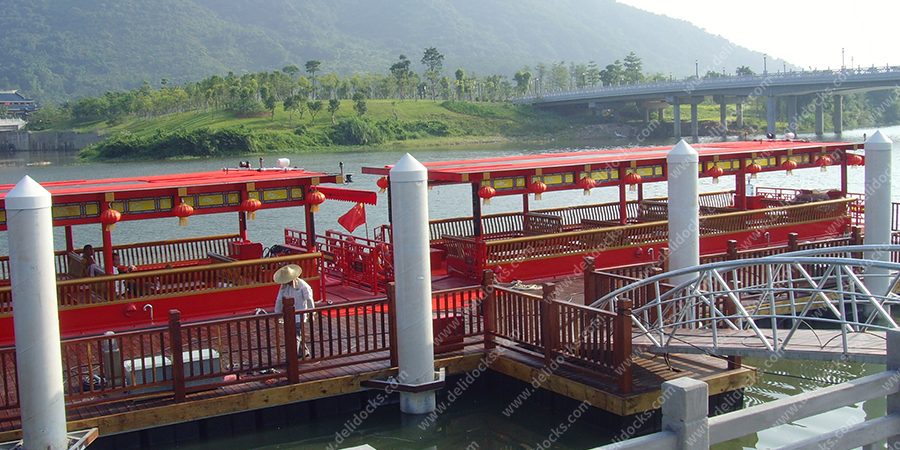
Critical Phases in Marina Development Projects
Every successful marina begins with a structured plan. Breaking down large marine projects into distinct phases helps manage risk and resources. This framework guides development from concept to completion.
Feasibility Study and Site Analysis
The first step involves a comprehensive site assessment. This study determines if a location is suitable for a marina. Key factors must be evaluated before any design work begins.
Bathymetry and Seabed Conditions: Water depth and bottom composition are mapped.
Environmental Regulations: Local and international protection rules are reviewed.
Wave and Current Data: Historical patterns predict future harbor tranquility.
Infrastructure Access: Road, power, and water connections are surveyed.
This phase prevents costly mistakes later. It sets a solid foundation for all subsequent marine project activities.
Design and Engineering
Once feasibility is confirmed, detailed engineering starts. This phase transforms concepts into buildable plans. It covers every aspect of the marina's layout and systems.
Design priorities include vessel maneuverability, berth sizing, and utility distribution. Structural calculations for docks, breakwaters, and piles are completed. Electrical, water, and fuel systems are routed for safety and convenience.
Expert firms like DeFever focus on creating designs that are both innovative and practical. Their plans aim to meet the specific demands of international yacht traffic.
Key Engineering Challenges in Coastal Projects
Building in a marine environment is fundamentally different from land-based construction. Engineers on marine projects must solve problems related to dynamic water forces and material degradation.
Structural Integrity in a Harsh Environment
Structures are constantly exposed to saltwater, storms, and biological fouling. Materials must be selected for durability. Common choices include:
Galvanized or stainless steel.
Marine-grade aluminum.
Specialized concrete mixes.
Composite plastics.
Connections and anchoring systems are specially designed. They must hold firm under cyclic loading from waves and wind.
Dredging and Sediment Management
Maintaining safe navigational depth often requires dredging. This is one of the most sensitive aspects of marine projects. It must be planned with extreme care.
Sediment analysis determines disposal methods. Contaminated materials require special handling. Engineers aim to minimize the dredge footprint and prevent unwanted sediment spread.
Sustainability in Modern Marina Construction
Modern marine projects are expected to meet high environmental standards. Sustainable design is no longer optional. It is a core requirement for permits and community acceptance.
Protecting Water Quality and Ecosystems
Developers implement various measures to protect the local marine habitat. These practices are integrated into the project plan from the start.
Using porous materials to allow natural water flow.
Installing silt curtains during construction.
Designing pump-out stations for vessel waste.
Creating artificial reefs or fish habitats within breakwaters.
These steps help ensure the marina exists in harmony with its surroundings.
Energy Efficiency and Resource Use
Operational sustainability is also crucial. Leading marine projects incorporate energy-saving technology. This reduces the facility's long-term environmental and operating costs.
LED lighting, smart power management, and water-saving fixtures are standard. Some marinas even integrate solar panels on dock roofs or buildings.
Technology and Innovation in Harbor Engineering
New tools are improving how marine projects are managed. Technology enhances precision in planning, safety during construction, and efficiency in operations.
Digital Modeling and Simulation
Advanced software allows engineers to create detailed 3D models of the entire marina. These models can simulate wave action, vessel traffic, and even shadow studies.
This digital approach helps optimize the layout before any physical work starts. It can identify potential issues with access or congestion early in the design process.
Construction Techniques and Equipment
Specialized floating equipment is essential. Barges, cranes, and piling rigs adapted for marine work are used. Sequencing the construction to work with tides and weather is a key skill.
Experienced contractors, familiar with companies like DeFever specifications, know how to navigate these logistical challenges. Their expertise keeps complex marine projects on schedule.
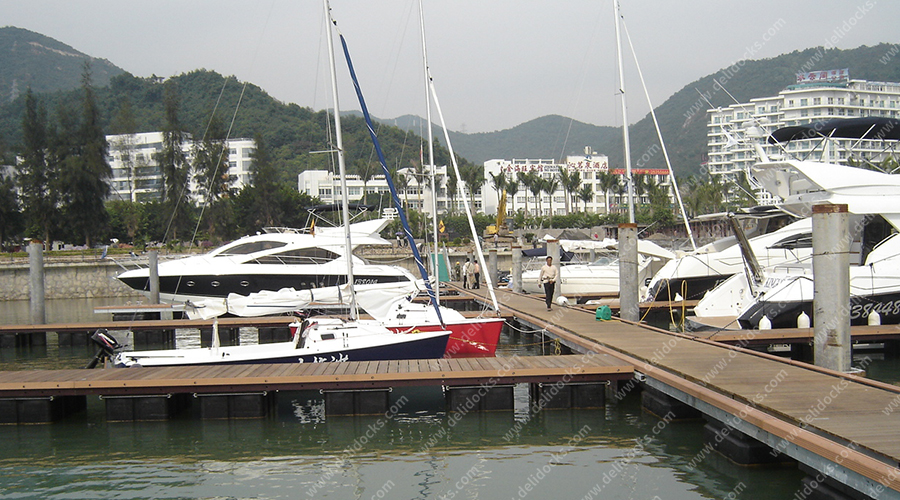
Conclusion: The Future of Marina Development
The field of marina construction continues to evolve. Future marine projects will likely place greater emphasis on climate resilience and smart technology.
Designs will need to adapt to changing sea levels and more intense weather events. Integrating digital systems for monitoring and management will become standard practice.
The accumulated knowledge from decades of building, as seen in the portfolio of firms like DeFever, is invaluable. It informs the next generation of safe, sustainable, and successful marine projects for yacht harbors worldwide.
Frequently Asked Questions (FAQs)
Q1: What is the typical timeline for a new yacht marina project from start to finish?
A1: Timelines vary greatly based on size and complexity. A small to medium marina can take 2 to 3 years from initial feasibility studies to grand opening. Larger, more complex international marine projects often require 4 to 6 years or more, considering permitting, design, and phased construction.
Q2: How are environmental concerns addressed during the planning phase?
A2: A detailed Environmental Impact Assessment (EIA) is usually the first major step. This report identifies sensitive habitats, species, and potential impacts. The project design is then adjusted to mitigate these impacts, often through specific construction methods, habitat creation, or operational rules.
Q3: What are the most common construction materials used for modern floating docks?
A3: The most common materials are concrete, polyethylene plastic, and marine-grade aluminum. Concrete is durable and heavy. Plastic is low-maintenance and rot-proof. Aluminum offers an excellent strength-to-weight ratio and is highly resistant to corrosion, making it a premium choice for many new marine projects.
Q4: Why is dredging often a controversial part of marina construction?
A4: Dredging disturbs the seabed, which can temporarily affect water clarity and release trapped sediments. If not managed carefully, it can impact benthic organisms and seagrass beds. Strict protocols and monitoring are required to minimize these effects, making it a closely regulated aspect of marine projects.
Q5: How do engineers design marinas to withstand severe storms?
A5: Engineers use historical weather and wave data to model worst-case scenarios. Designs incorporate robust breakwaters to absorb wave energy. Dock systems are specified with higher load ratings, and anchoring is designed for extreme conditions. Some modern designs also include quick-release mechanisms for docks in hurricane-prone areas.