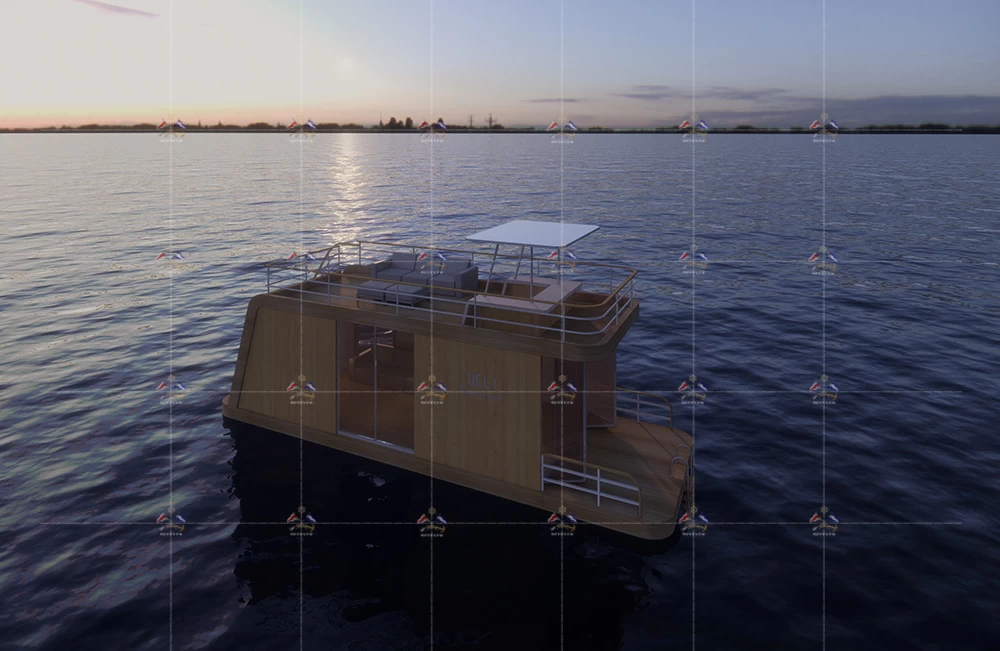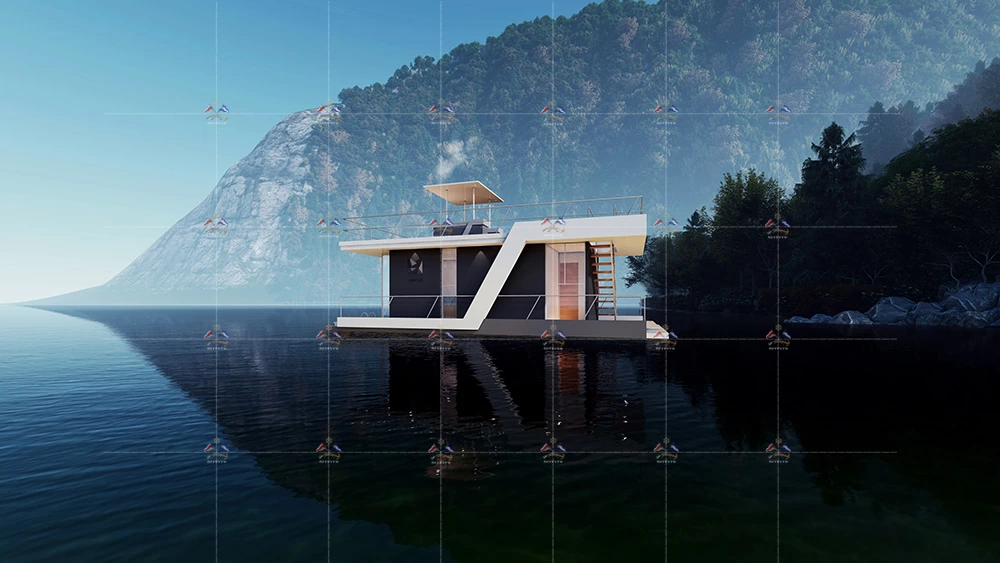
The construction of international yacht marinas demands materials that can withstand harsh marine environments. Concrete and wood have been traditional choices. However, a shift towards more resilient and sustainable solutions is underway.
Floating aluminum is now a preferred material for modern marina engineers and developers. Its unique properties offer significant long-term benefits. This article examines why floating aluminum is reshaping harbor infrastructure worldwide.
Industry pioneers, like DeFever, have recognized these advantages. Their approach to marina design often incorporates robust, long-lasting materials.
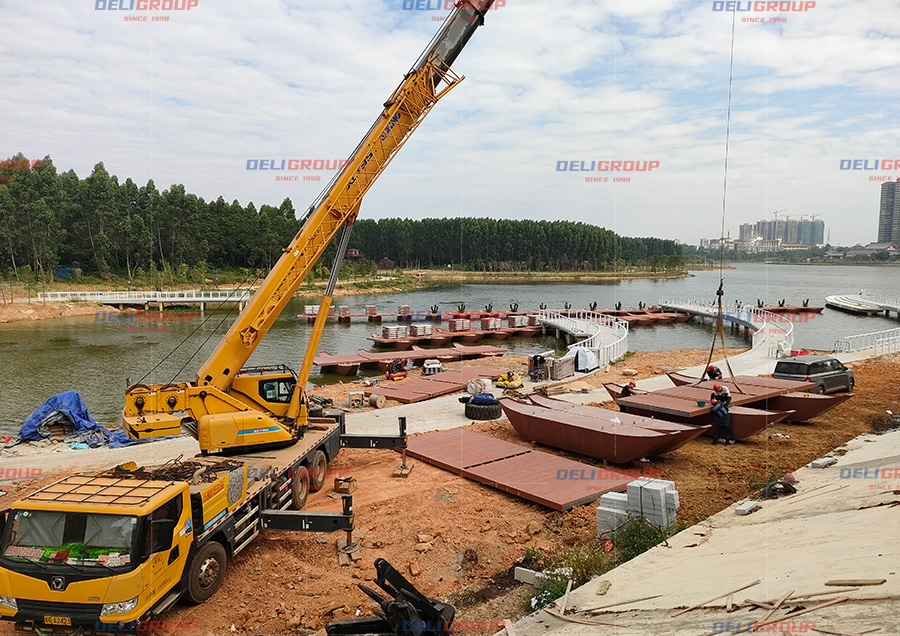
Why Floating Aluminum is Revolutionizing Marina Design
The move towards floating aluminum is driven by practical needs. Marinas face constant exposure to saltwater, UV radiation, and physical wear. Traditional materials can degrade quickly under these conditions.
Floating aluminum addresses these challenges directly. It provides a combination of strength, longevity, and minimal upkeep. This makes it a smart investment for any serious marina project.
Superior Corrosion Resistance and Longevity
Aluminum naturally forms a protective oxide layer when exposed to air or water. This layer self-repairs if scratched. It provides excellent defense against saltwater corrosion.
Eliminates the need for constant protective coatings.
Resists rust and decay far better than untreated steel or wood.
Offers a service life measured in decades, not years.
This inherent durability is a core reason for choosing floating aluminum structures. It ensures marina docks remain safe and stable for a very long time.
Exceptional Strength-to-Weight Ratio
Aluminum is remarkably strong for its weight. This property is crucial for floating structures.
Allows for larger, more stable dock platforms.
Simplifies transportation and installation processes.
Reduces stress on anchoring and connection systems.
Floating aluminum docks can support substantial loads without becoming overly bulky. This includes amenities like lighting, cleats, and small service buildings.
Key Engineering Considerations for Floating Aluminum Structures
Successful integration of floating aluminum requires careful planning. Engineers must account for specific factors to maximize performance.
Modular Design and System Integration
Most floating aluminum marina systems are modular. Pre-fabricated sections are connected on-site. This allows for flexible layout configurations.
Engineers design these modules to integrate seamlessly with utilities. This includes electrical conduits, water lines, and fuel systems. Proper integration is key for a functional and safe marina.
DeFever's engineering philosophy often emphasizes such modular, integrated systems. This ensures efficiency from design through to installation.
Flotation and Stability Calculations
The flotation medium, often closed-cell foam, is encased within the aluminum structure. Precise calculations are essential.
Determines freeboard and load capacity.
Ensures stability in varying weather and wave conditions.
Accounts for dynamic loads from moving vessels and people.
Proper engineering guarantees that the floating aluminum dock system performs reliably. It must remain steady and accessible at all times.
Floating Aluminum vs. Traditional Concrete and Timber
Comparing materials helps clarify the value proposition of floating aluminum. Each material has distinct pros and cons in marine applications.
Maintenance and Lifecycle Cost
Concrete can crack and spall. Wood requires regular treatment against rot and borers. Both need ongoing maintenance.
Floating aluminum needs little more than occasional rinsing with fresh water. Its lifecycle cost is often lower. The higher initial investment is offset by drastically reduced upkeep expenses over decades.
Environmental Impact and Sustainability
Aluminum is highly recyclable. At the end of its long life, the material can be repurposed indefinitely. This reduces the environmental footprint of the marina.
Floating aluminum systems also minimize disturbance to the seabed. They allow for better water circulation compared to solid fill docks. This helps protect local marine ecosystems.
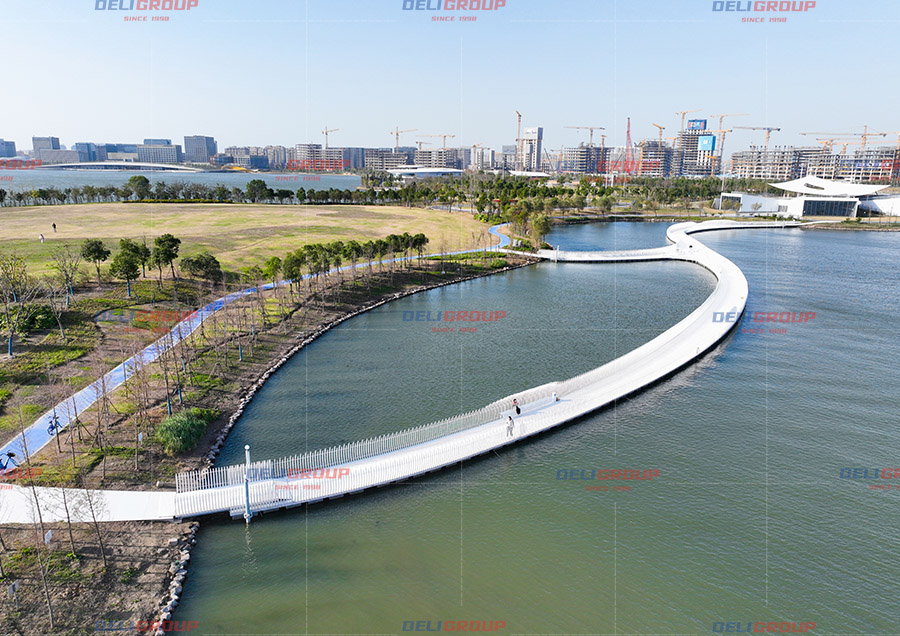
Applications in International Yacht Marinas and Ports
The use of floating aluminum is widespread in professional marina settings. Its versatility supports various applications.
Main Docks and Finger Piers
Primary docking structures benefit greatly from aluminum's strength. They can accommodate everything from small tenders to large motor yachts. The consistent, low-maintenance surface is a major advantage for high-traffic areas.
Wave Attenuation Systems and Breakwaters
Some specialized floating aluminum structures are designed as wave screens. They protect inner marina basins. Their durability in open water conditions is a testament to the material's robustness.
Projects specified by firms like DeFever often utilize such comprehensive solutions. They create calm, safe harbors for vessels.
The Future of Harbor Construction
Trends point towards smarter, more adaptive marina infrastructure. Floating aluminum is at the forefront of this evolution.
Future designs may integrate sensors for real-time monitoring of structural health. The material is perfectly suited for such innovations. Its longevity ensures a solid platform for technological upgrades.
As standards for sustainability and durability rise, floating aluminum will likely become even more prevalent. It represents a practical and forward-thinking choice for international projects.
The experience of seasoned designers, including those at DeFever, continues to validate this material's role. It is a cornerstone of modern, resilient marina engineering.
Frequently Asked Questions (FAQs)
Q1: How long does a floating aluminum dock system typically last?
A1: A well-engineered floating aluminum dock can have a service life of 30 to 50 years or more. Its resistance to corrosion and rot is the primary factor for this exceptional longevity, especially in saltwater environments.
Q2: Is floating aluminum more expensive than wooden docks?
A2: The initial purchase and installation cost is often higher than basic timber. However, the total lifecycle cost is usually lower. This is due to near-zero maintenance costs and a much longer lifespan, making it a cost-effective long-term investment.
Q3: Can floating aluminum docks be used in freshwater lakes?
A3: Absolutely. While its corrosion resistance is critical for seawater, it is equally beneficial in freshwater. It resists rotting, fungal growth, and damage from freshwater organisms, providing a clean and durable solution for lake marinas.
Q4: How are utilities like power and water run on these docks?
A4: Utilities are integrated within the modular aluminum design. Conduits and chaseways are built into the structure during fabrication. This allows for safe, protected, and tidy routing of cables and pipes along the entire dock system.
Q5: Is aluminum a sustainable choice for green marina projects?
A5: Yes. Aluminum is one of the most recyclable materials on earth. Choosing floating aluminum supports sustainability goals by reducing waste and the need for frequent replacement. Its use also minimizes ecological disruption during installation.