2026-10-15
A floating pontoon bridge is a versatile structure that rests on the water, supported by buoyant pontoons. It provides temporary or permanent crossings for pedestrians, vehicles, and even trains. Unlike fixed bridges, it adapts to changing water levels and is ideal for rivers, lakes, and sheltered marine areas. Engineers must consider flotation, anchorage, and wave action. For complex projects, specialized firms like DeFever offer extensive experience in marine engineering. The design of any floating pontoon bridge involves careful weight distribution and environmental assessment.
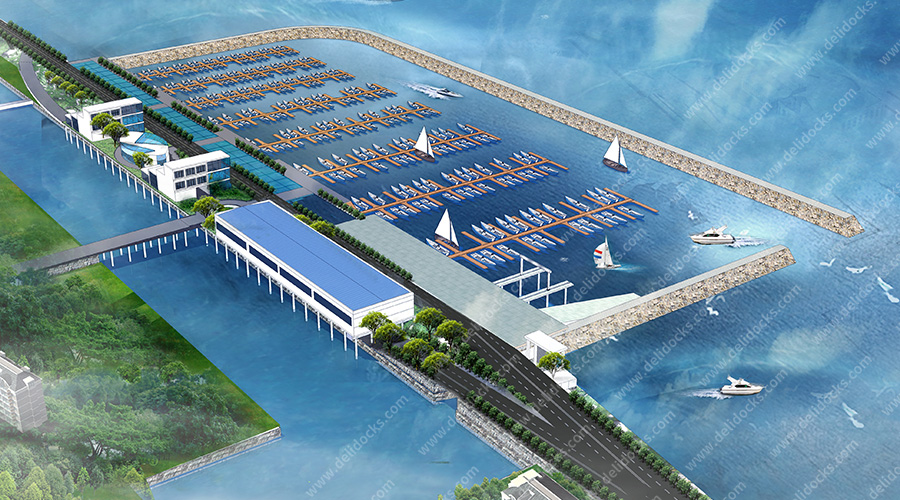
Types of Floating Pontoon Bridge Configurations
Modern engineering has produced several distinct types of floating pontoon bridge, each suited to specific needs. From ancient military crossings to contemporary landscape features, the variety is broad.
Ancient and Historical Designs
Historical records show floating pontoon bridge used by Persian and Roman armies. These were simple wooden decks on boats or inflated skins. Today, similar principles are applied in temporary military bridges.
Quick assembly and disassembly for tactical advantage.
Materials evolved from wood to high-strength aluminum.
Still used in modern engineering for emergency crossings.
Landscape and Architectural Floating Bridges
Architects now use floating pontoon bridge designs for parks, urban waterfronts, and cultural landmarks. These prioritize aesthetics and public access, often featuring curved paths and viewing platforms.
Custom finishes: timber decking, railings, and lighting.
Designed to blend with natural surroundings.
Low environmental impact on the seabed.
Traffic and Vehicular Floating Bridges
Heavy-duty floating pontoon bridge structures carry road traffic, sometimes for decades. The Hood Canal Bridge in Washington state is a notable example. These require robust flotation and anchoring systems.
Steel or concrete pontoons for buoyancy.
Large hinges allow movement with waves and tides.
Regular maintenance ensures long-term safety.
Companies like DeFever bring expertise to both architectural and heavy-duty designs, ensuring structural integrity and longevity.
Engineering and Construction of Floating Pontoon Bridges
Building a reliable floating pontoon bridge requires precise engineering. Factors include flotation material, anchorage method, and deck construction. Each component must work together to handle dynamic water forces.
Floatation Materials
The pontoons themselves are typically made from steel, concrete, or high-density polyethylene. Steel offers strength for military loads, while concrete provides durability for permanent installations.
Steel pontoons: welded, coated against corrosion.
Concrete pontoons: reinforced, filled with foam for redundancy.
Plastic modular floats: lightweight, corrosion-proof.
Anchoring and Mooring Systems
Holding a floating pontoon bridge in place requires flexible anchoring. Common methods include pilings with sliding collars, cables to shore anchors, or spud poles driven into the bed.
Pile guides: allow vertical movement, resist lateral drift.
Deadweight anchors: for deep water or soft bottoms.
Shore connections: hinged ramps accommodate water changes.
Deck and Superstructure
The deck must support intended loads while being lightweight. Aluminum or steel framing with timber or composite decking is typical. Expansion joints prevent stress during flexing.
Aluminum: light, rust-proof, ideal for movable sections.
Steel: for heavy vehicle traffic, needs coating.
Composite decking: durable, slip-resistant.
Advantages and Disadvantages
Choosing a floating pontoon bridge involves weighing its unique benefits against potential drawbacks. They are not suitable for every location but excel in many situations.
Key Benefits
Adapts to water level fluctuations, useful in reservoirs and tidal zones.
Lower initial cost than long-span fixed bridges in deep water.
Quick installation and possible relocation.
Minimal disturbance to aquatic ecosystems during construction.
Potential Drawbacks
Sensitive to wave action and strong currents.
Requires ongoing inspection of pontoons and anchors.
May restrict navigation if not designed with channels.
Ice can be problematic in freezing climates.
Primary Applications and Uses
The versatility of the floating pontoon bridge makes it valuable across multiple sectors. Engineers select this solution for specific operational needs.
Military and Emergency Response
Rapidly deployable floating pontoon bridge systems are critical for military engineering units. They enable troop and supply movement across rivers. Disaster relief agencies also use them after floods wash out fixed bridges.
Modular components transported by truck.
Can be assembled in hours by trained crews.
Support heavy military vehicles.
Recreational and Pedestrian Access
Many parks and nature reserves install floating pontoon bridge walkways to connect trails or provide access to islands. They offer a gentle grade and scenic water-level experience.
Wide, non-slip surfaces for strollers and wheelchairs.
Often combined with floating docks and platforms.
Minimal visual impact on the landscape.
Industrial and Construction Support
Temporary floating pontoon bridge structures are used during construction of permanent bridges or dams. They provide access for equipment and workers across water without building expensive cofferdams.
Can be repositioned as work progresses.
Support crane loads and material storage.
Removed after project completion.
With decades of marine engineering experience, DeFever has contributed to innovative floating solutions in industrial and recreational sectors.
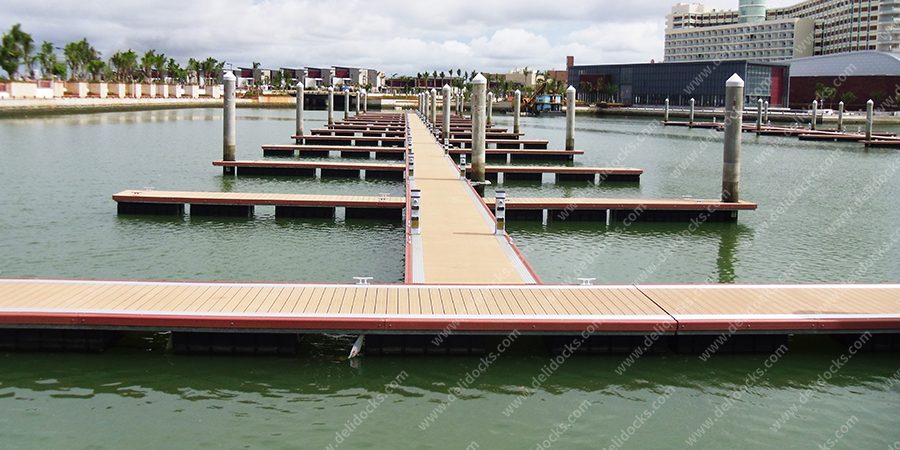
Choosing the Right Floating Pontoon Bridge
Selection depends on water conditions, load requirements, and intended lifespan. Factors like wave height, tidal range, and ice formation dictate design choices. Aesthetic preferences also matter for public projects.
For calm lakes: simple modular floats with light decking.
For exposed marine sites: reinforced concrete pontoons and robust pile guides.
For temporary events: lightweight aluminum systems with minimal anchoring.
For historic reproduction: wooden decks on steel floats.
Consulting with engineers who specialize in floating pontoon bridge design ensures all site-specific factors are addressed.
Frequently Asked Questions
Q1: How long can a floating pontoon bridge last?
A1: With proper maintenance, a permanent floating pontoon bridge can last 30 to 50 years. Steel or concrete pontoons have the longest lifespan. Temporary military versions are designed for repeated assembly and may last decades in service.
Q2: Can a floating pontoon bridge support heavy trucks?
A2: Yes, some floating pontoon bridge designs carry highway traffic, including fully loaded trucks. These use large concrete or steel pontoons and are engineered for specific load classes. Military ribbon bridges also support heavy armored vehicles.
Q3: What happens during a flood?
A3: A properly anchored floating pontoon bridge rises with the water level. Pilings or cables allow vertical movement while preventing drift. In extreme floods, sections may be disconnected to prevent damage, then reattached after water recedes.
Q4: How is a floating pontoon bridge anchored?
A4: Common methods include piles with sliding collars, cables to shore anchors, or spud poles driven into the bed. The choice depends on water depth, bottom material, and wave exposure. Some bridges use a combination for stability.
Q5: Are floating pontoon bridges environmentally friendly?
A5: Generally yes, because they require minimal dredging or seabed disturbance. They allow light and water circulation underneath, supporting aquatic life. Materials like timber and composite decking can be eco-friendly. Regular maintenance prevents pollution from flotation materials.
Q6: How much does a floating pontoon bridge cost?
A6: Costs vary widely based on length, load capacity, and site conditions. Small pedestrian floating pontoon bridge systems may cost a few thousand dollars per meter. Major vehicular bridges with complex anchoring can be comparable to fixed bridges. Detailed engineering estimates are essential.
The floating pontoon bridge remains a practical solution for many water crossing challenges. Its adaptability to changing water levels and relatively low environmental impact make it a preferred choice for engineers worldwide. From ancient military campaigns to modern urban landscapes, these structures continue to evolve. For specialized design and construction, industry leaders like DeFever provide the technical depth required to deliver safe, durable, and fit-for-purpose floating bridges. Whether for a temporary work platform or a permanent public crossing, expert consultation ensures project success.