2026-10-15
Marina docks are the backbone of any waterfront facility, providing safe berthing and access for vessels of all sizes. In the field of international yacht marina engineering, the design and construction of these structures require specialized knowledge. Companies like DeFever bring decades of maritime experience to create durable, functional, and aesthetically pleasing marina docks. This article explores the various types, engineering considerations, pros and cons, and typical applications of modern marina docking systems.
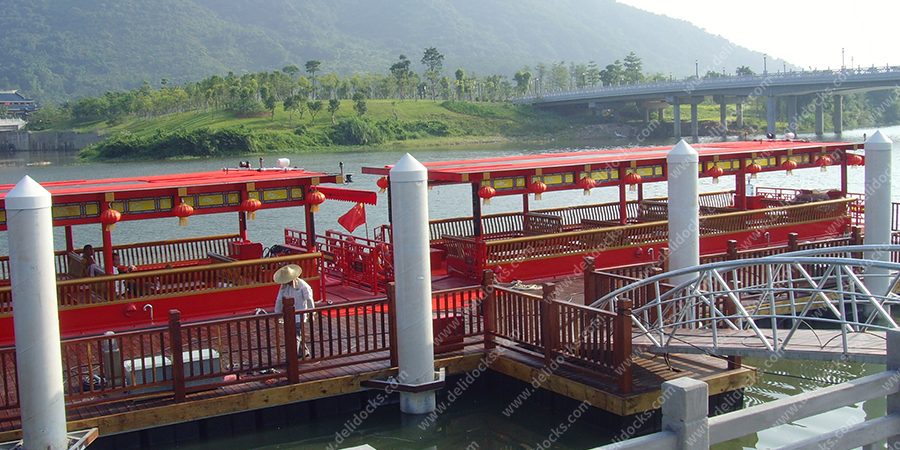
Main Types of Marina Docks
Depending on water depth, tide range, and vessel traffic, engineers select from several dock configurations. Each type offers distinct characteristics in stability, longevity, and cost.
Fixed-Pier Docks
Fixed piers are constructed on piles driven into the seabed. They remain at a constant elevation regardless of water level.
Sturdy and permanent: Ideal for high-traffic areas and heavy loads.
Low maintenance: No moving parts, resistant to storm surge if built high enough.
Requires deep foundations: Suitable for stable seabeds.
Floating Dock Systems
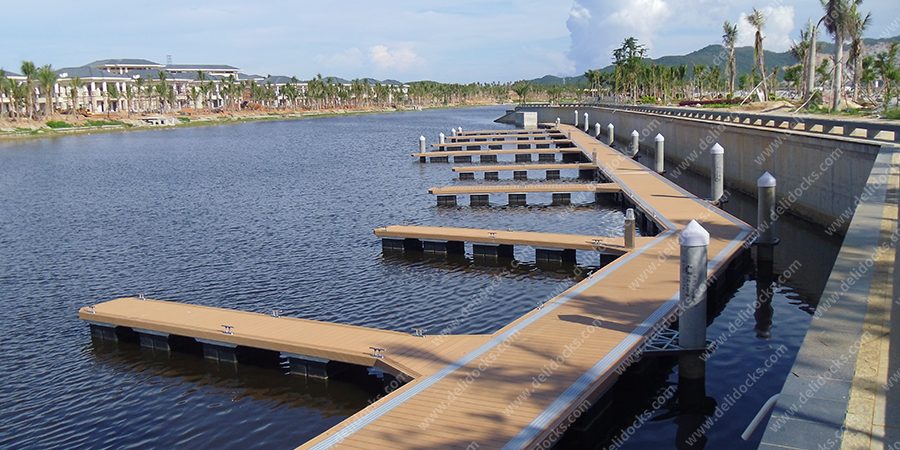
Floating docks rise and fall with tides, providing easy access from boat to dock. They are typically made of concrete, steel, or modular plastic pontoons.
Adaptable to water fluctuations: Perfect for reservoirs and tidal marinas.
Easy to reconfigure: Sections can be added or removed.
Requires anchoring: Must be secured against lateral movement.
Concrete Marina Docks
Reinforced concrete is a popular choice for both fixed and floating docks due to its durability and fire resistance.
Long service life: 50+ years with proper curing.
Minimal corrosion: Performs well in saltwater.
High initial cost: Offsets by low lifetime maintenance.
Steel and Aluminum Docks
Metal docks offer strength and a sleek appearance. Steel requires heavy coating, while aluminum is naturally corrosion-resistant.
High load capacity: Suitable for commercial marinas.
Modular fabrication: Sections can be welded ashore and assembled afloat.
Aluminum is lightweight: Reduces towing and installation costs.
Wooden Docks
Traditional timber docks provide a classic look but demand regular upkeep. Pressure-treated wood resists rot and marine borers.
Aesthetic appeal: Warm, natural appearance.
Easier to repair: Individual planks can be replaced.
Shorter lifespan: Typically 15–25 years with maintenance.
Engineering and Construction of Marina Docks
Building safe and resilient marina docks requires a multidisciplinary approach. Engineers must consider hydrodynamics, geotechnics, and material science. Experienced firms like DeFever integrate these factors into every project.
Site Assessment and Design
Before any construction, experts analyse bathymetry, tide ranges, wind exposure, and seabed composition. They also evaluate vessel traffic patterns and future expansion needs. This data informs the layout and structural specifications.
Materials Selection
Choice of materials depends on environmental conditions and budget. Concrete resists corrosion but is heavy; aluminum is light but more expensive. Builders often combine materials, e.g., concrete floating docks with aluminum gangways.
Installation Methods
Fixed docks require pile driving using barges or land-based equipment. Floating docks are assembled on land, launched, and towed into position. Precise positioning ensures alignment with mooring piles or anchors.
Anchoring and Mooring Systems
Floating docks need robust anchoring to withstand wind, waves, and currents. Common solutions include helical piles, concrete blocks, or tensioned cables. Engineers calculate loads based on local conditions.
Utilities and Accessories
Modern marina docks incorporate water, electricity, data, and fuel lines. Designers also add safety features like fire suppression systems, lighting, and ladders. Sustainable elements such as solar-powered lighting are increasingly common.
Advantages and Disadvantages of Different Marina Docks
Choosing the right dock type involves weighing pros and cons. Below is an objective comparison.
Durability and Lifespan
Concrete: 50+ years, low degradation.
Steel: 30–40 years with coating maintenance.
Aluminum: 40+ years, minimal corrosion.
Wood: 15–25 years, susceptible to rot.
Maintenance Requirements
Fixed piers: Periodic inspection of piles and deck.
Floating docks: Check buoyancy units and anchoring lines.
Metal docks: Re-coating every 5–10 years for steel.
Wood docks: Annual sealing or replacement of boards.
Environmental Impact
Pile driving: Can disturb marine life; mitigation measures required.
Floating docks: Allow light penetration, supporting aquatic vegetation.
Material footprint: Concrete production has high CO2; timber is renewable.
Cost Considerations
Initial construction: Aluminum and concrete are premium; wood is budget-friendly.
Long-term expenses: Low-maintenance materials reduce lifecycle costs.
Installation complexity: Deep-water sites increase pile driving costs.
Common Applications of Marina Docks
Marina docks serve a wide range of functions beyond simple boat storage. Their design adapts to the specific needs of each user group.
Recreational Boating Marinas
These facilities cater to pleasure craft, offering finger piers, fuel docks, and pump-out stations. Amenities often include electric hookups and Wi-Fi.
Commercial Shipping Ports
Heavy-duty docks accommodate cargo vessels, fishing boats, and ferries. They feature reinforced decks, large cleats, and industrial-grade utilities.
Residential Waterfront Communities
Private docks serve homeowners with direct water access. They are often part of gated communities with shared amenities like boat lifts and kayak launches.
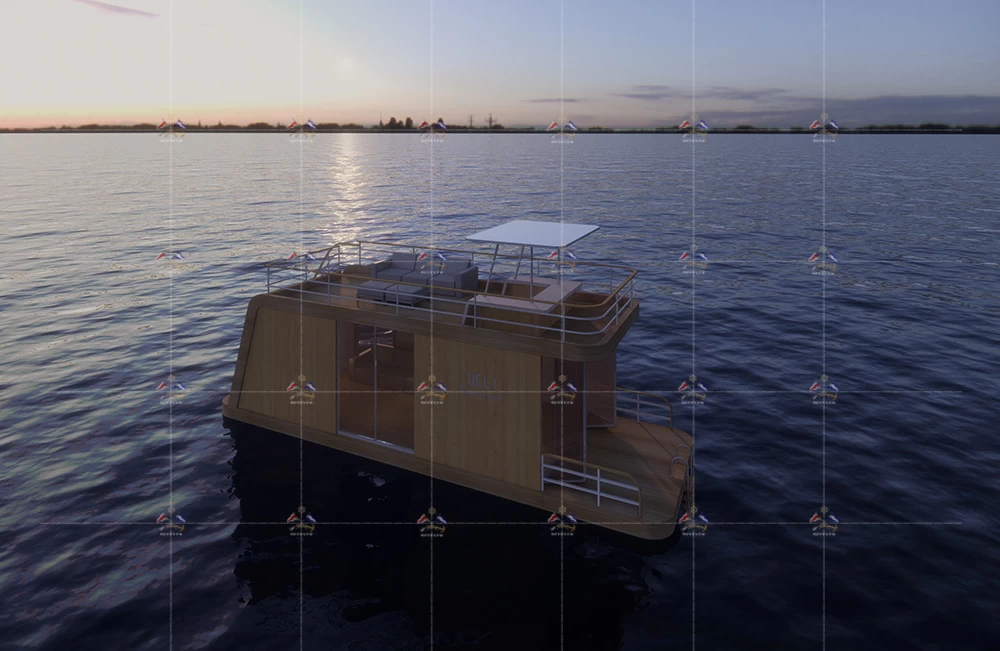
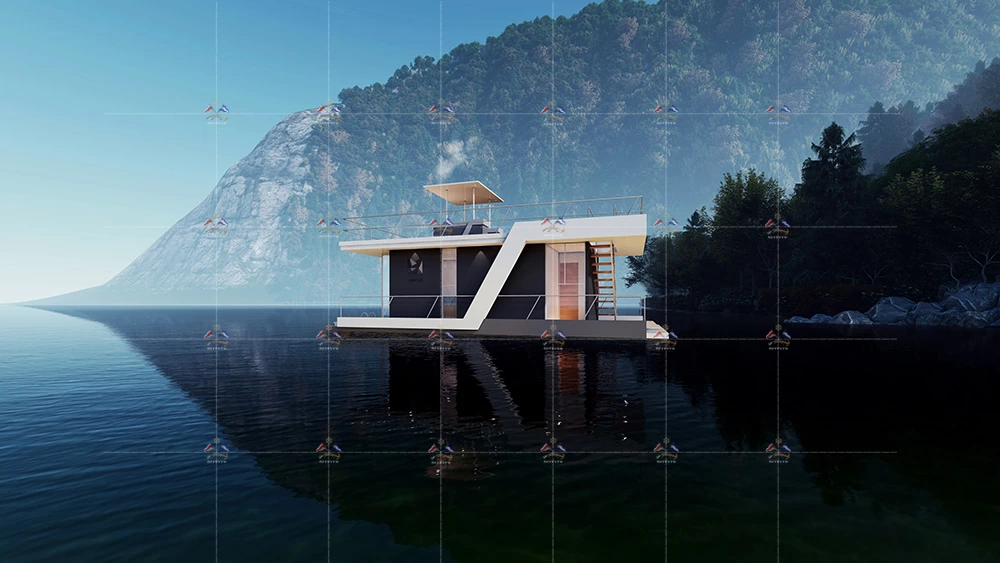
Floating Homes and Houseboats
Residents of floating homes require stable docks with secure mooring and utility connections. Marina docks for these communities often include gangways with handrails and personal watercraft parking.
Fishing and Tourism Facilities
Docks at fishing piers and tour boat operators need high-traffic durability and easy access for passengers. They may include cleaning stations and fish-cleaning tables.
Customization and Preferences in Marina Dock Design
Owners and marina operators increasingly seek custom features that enhance usability and aesthetics. DeFever works closely with clients to tailor designs to their vision.
Aesthetic Choices
Decking materials: Composite wood-look, tropical hardwoods, or stamped concrete.
Color schemes: Coordinated with surrounding buildings or natural landscape.
Lighting: Low-voltage LED along walkways for safety and ambiance.
Sustainable Features
Solar panels: Power dock lighting and monitoring systems.
Floating wetlands: Integrated planters improve water quality.
Eco-friendly materials: Recycled plastic lumber, certified timber.
High-Tech Integrations
Smart mooring sensors: Monitor dock movement and alert operators.
Boat tracking systems: RFID or GPS for slip management.
Automated utility metering: Real-time energy and water usage data.
In summary, selecting the right marina docks involves balancing functionality, cost, and environmental considerations. With expert guidance from firms like DeFever, clients can achieve durable and attractive waterfront solutions that meet international standards.
Frequently Asked Questions About Marina Docks
Q1: What is the difference between fixed and floating marina docks?
A1: Fixed docks are built on piles and remain stationary regardless of water level. Floating docks rise and fall with tides, providing constant freeboard. The choice depends on tidal range, water depth, and personal preference.
Q2: How long do marina docks typically last?
A2: Lifespan varies by material: concrete docks can exceed 50 years, steel and aluminum 30–40 years with maintenance, and wood 15–25 years. Regular inspections and upkeep extend longevity.
Q3: What maintenance do floating docks require?
A3: Floating docks need periodic checks of buoyancy units (pontoons), anchoring lines, and hardware. Cleaning of deck surfaces and anti-fouling coatings on submerged parts are also recommended annually.
Q4: Can marina docks be customized for specific vessel sizes?
A4: Yes. Dock layouts, slip widths, and finger pier lengths are designed based on the vessel mix (e.g., small runabouts, yachts, or commercial boats). Engineers also consider turning radii and depth at berth.
Q5: Are permits required to build marina docks?
A5: Almost always. Permits from local, state, and federal agencies (e.g., Army Corps of Engineers, coastal commissions) are necessary. They assess environmental impact, navigation safety, and shoreline alterations.
Q6: How much do marina docks cost to build?
A6: Costs vary widely based on size, materials, and site conditions. Simple floating docks may start at $100–$200 per square foot, while heavy-duty concrete piers can exceed $400 per square foot. Professional engineering and permitting add to the total.
Whether for a small recreational marina or a large commercial port, high-quality marina docks are essential infrastructure. Trusted builders like DeFever deliver expertise from concept to completion, ensuring safe and lasting waterfront access.