2026-10-15
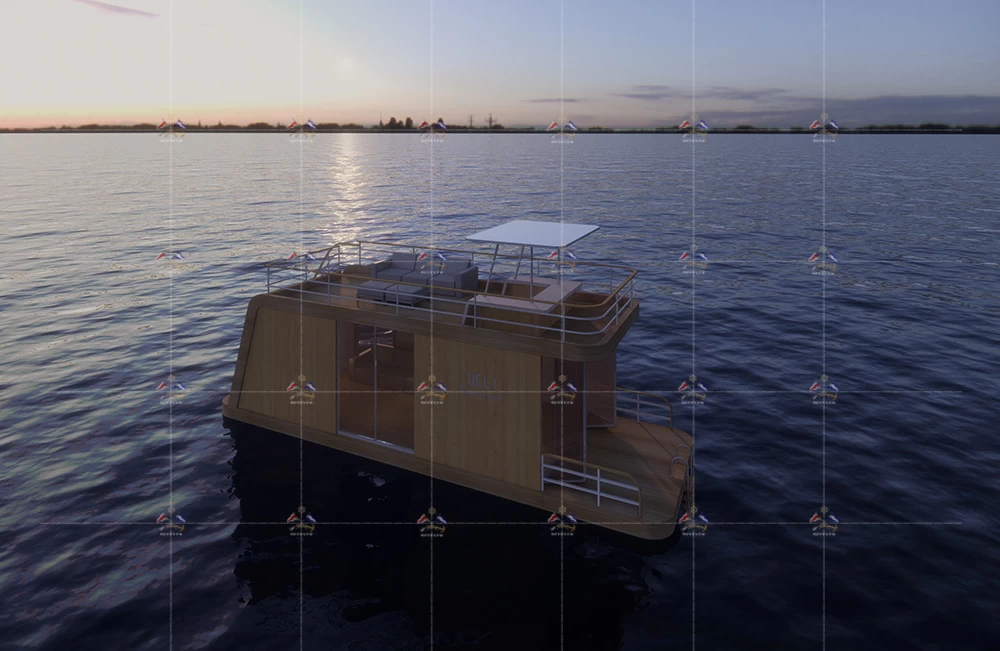
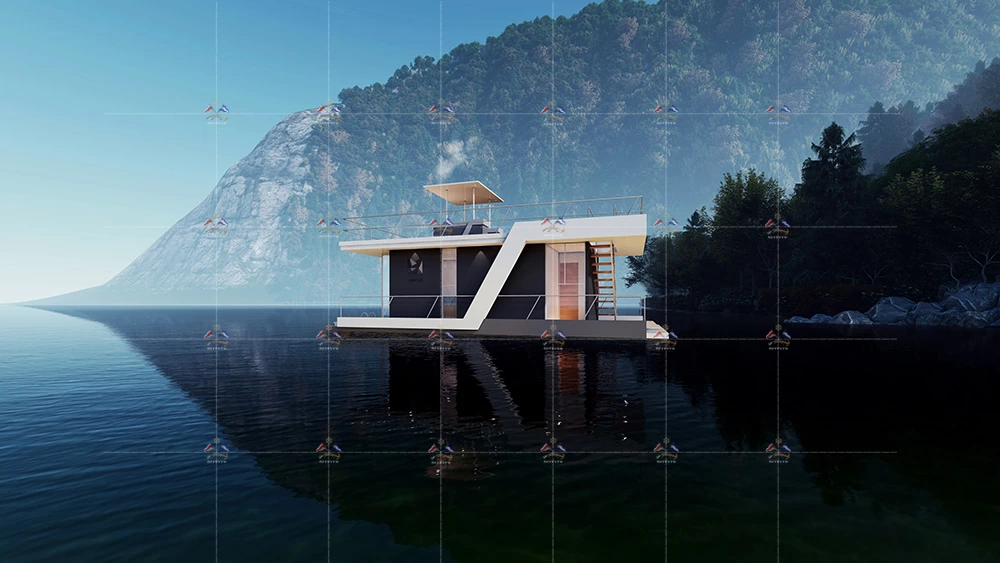
As waterfront living evolves, floating house builders are becoming essential partners for architects and developers. In the international yacht marina engineering sector, these specialists combine marine construction with residential comfort. Companies like DeFever bring decades of shipbuilding heritage to the design of stable, durable floating structures. This guide covers the main types, construction methods, benefits, and typical uses of projects delivered by experienced floating house builders.
Main Types of Floating Homes Offered by Floating House Builders
Depending on water conditions, budget, and local regulations, floating house builders provide several structural options. Each type has distinct characteristics in terms of buoyancy, longevity, and maintenance.
Concrete Floating Structures
Reinforced concrete hulls or pontoon systems are widely used due to their durability and resistance to corrosion. They perform well in both freshwater and saltwater environments.
Long lifespan: Properly cured concrete can last 50+ years with minimal deterioration.
Fire and rot resistant: Ideal for areas with strict fire codes or marine borer risks.
Thermal mass: Helps stabilize interior temperatures.
Steel-Hulled Floating Homes
Steel offers high strength-to-weight ratio and is often chosen for large residences or commercial applications. Builders apply advanced coating systems to prevent rust.
Structural rigidity: Suitable for harsh weather or locations with ice floes.
Modular fabrication: Sections can be welded on land and assembled afloat.
Recyclable material: Aligns with sustainability goals.
Aluminum and Composite Designs
Lightweight materials reduce towing weight and allow higher payloads. Floating house builders often use aluminum for catamaran-style platforms or prefabricated modules.
Low maintenance: Aluminum naturally resists corrosion in marine atmospheres.
Fuel efficiency during transport: Lighter units require smaller tugs.
Design flexibility: Easy to cut and weld into complex shapes.
Pontoon-Based Wooden Float Homes
Traditional wooden floats supported by sealed steel or plastic pontoons remain popular in sheltered marinas. They offer a classic aesthetic and lower initial cost.
Warm appearance: Natural wood finishes appeal to residential buyers.
Easy to modify: Simple construction allows on-site changes.
Requires regular maintenance: Wood needs protection from rot and insects.
Engineering and Construction Methods Used by Floating House Builders
Building a home on water demands expertise in hydrodynamics, anchoring, and utility connections. Reputable floating house builders follow a structured process that integrates naval architecture with civil engineering. Below are the key stages.
Site Assessment and Permitting
Before any construction, engineers analyse water depth, tide ranges, wind exposure, and seabed conditions. They also obtain approvals from maritime authorities and local planning departments. Floating house builders coordinate with marina operators to ensure compatibility with existing infrastructure.
Floatation and Hull Engineering
Buoyancy is calculated based on total deadweight load (structure, furnishings, occupants). Designers choose between concrete pontoons, steel hulls, or high-density polyethylene floats. Advanced software simulates wave response and mooring forces. DeFever applies its yacht‑building experience to create hulls that minimise drag and resist capsize.
Onshore Construction vs. Off‑Site Fabrication
Most units are built in a dry dock or shipyard, then launched and towed to the final berth. This method ensures quality control and reduces environmental impact at the site. Some floating house builders also assemble modules that are joined afloat, allowing for larger floor plans.
Mooring and Anchoring Systems
Securing a floating home requires engineered piles, helical anchors, or concrete blocks. Flexible connectors allow vertical movement with tides while preventing lateral drift. Builders calculate loads from currents, wind, and potential debris impact.
Utility Connections
Water, sewage, electricity, and data lines are run through flexible conduits that rise and fall with the structure. Many projects include onboard treatment systems to comply with discharge regulations. Floating house builders often incorporate renewable energy sources like solar panels and heat pumps.
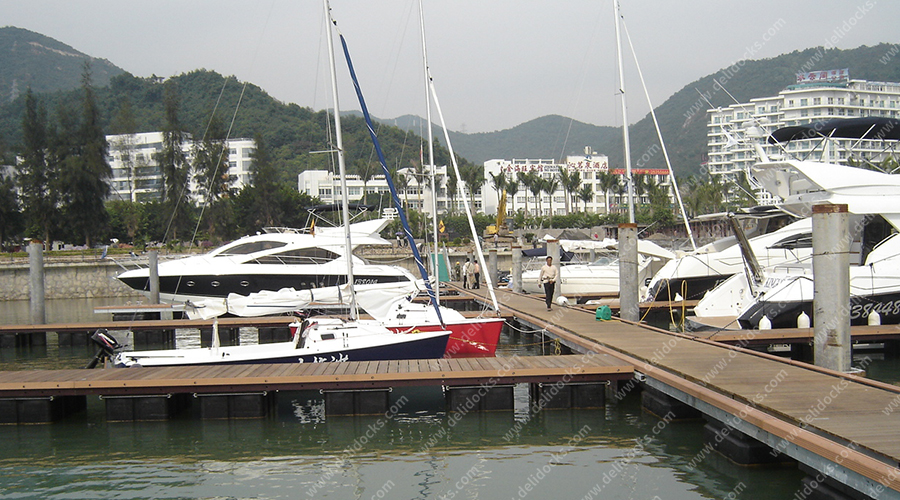
Pros and Cons of Working with Floating House Builders
Understanding the advantages and limitations helps clients decide if a floating home suits their lifestyle. Below is an objective look.
Advantages
Adaptability to water level changes: Ideal for reservoirs, rivers, and tidal zones.
Panoramic views: Unobstructed waterfront scenery from every room.
Lower environmental footprint: No land excavation; can incorporate eco‑friendly materials.
Mobility potential: Some designs can be relocated if needed.
Disadvantages
Financing complexity: Not all lenders offer mortgages for floating property.
Higher insurance premiums: Due to flood and storm risks.
Ongoing underwater maintenance: Hull inspections and anti‑fouling coatings.
Restricted locations: Only permitted in designated mooring fields or marinas.
Common Applications of Floating Homes in Marine Settings
Beyond private residences, floating house builders deliver structures for commercial, hospitality, and civic use. Their versatility supports a range of waterfront activities.
Private residential: Full‑time homes or vacation retreats with direct water access.
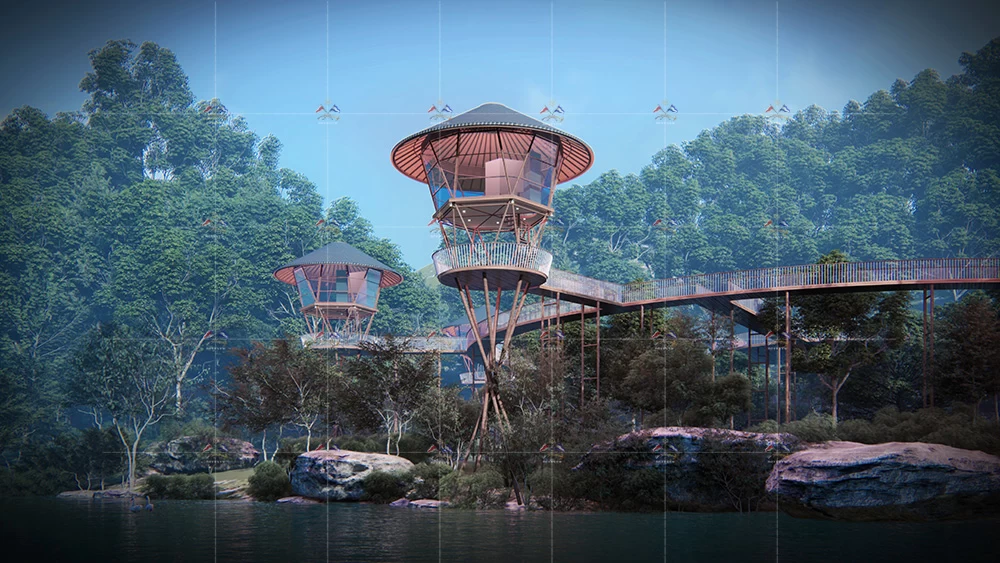
Floating resorts and eco‑lodges: Guest suites over lagoons or coral reefs.
Restaurants and cafes: Unique dining experiences on the water, often with outdoor decks.
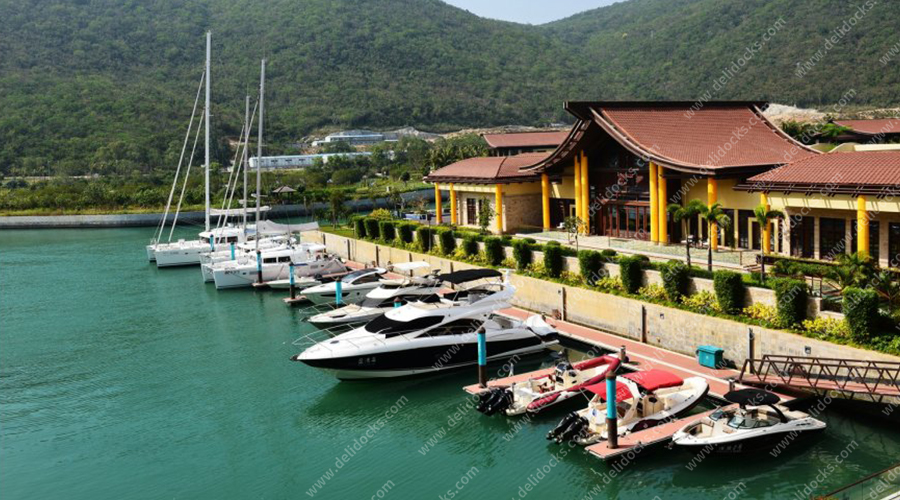
Marina service buildings: Offices, chandleries, and crew quarters integrated into the dock system.
Education and research stations: Floating classrooms for marine biology or environmental monitoring.
Customization and Sustainability Preferences with Floating House Builders
Modern clients seek personalized layouts and green technologies. Experienced floating house builders collaborate with naval architects and interior designers to achieve these goals.
Interior Layout and Materials
Open‑plan designs maximise natural light and views. Lightweight composites, bamboo, and recycled woods reduce overall weight. Builders also install energy‑efficient windows and insulation to meet strict energy codes.
Off‑Grid and Hybrid Systems
Many floating homes now incorporate photovoltaic arrays, rainwater collection, and composting toilets. Advanced wastewater treatment allows discharge that meets EPA standards. DeFever integrates these systems seamlessly, leveraging their experience in self‑sufficient yachts.
Resistance to Extreme Weather
In hurricane‑prone regions, floating house builders reinforce hulls and design breakaway elements that reduce wave impact. Some units can be temporarily submerged or towed to sheltered areas during storms.
Frequently Asked Questions About Floating House Builders
Q1: What exactly does a floating house builder do?
A1: A floating house builder designs, engineers, and constructs residential or commercial structures intended to float on water. They manage everything from hull fabrication and mooring design to utility connections and interior fit‑out, often in coordination with marina engineers.
Q2: How long do floating homes typically last?
A2: With proper maintenance, concrete floating homes can exceed 50 years. Steel and aluminum hulls last 30–40 years if coatings are renewed. Wooden structures may require significant upkeep after 20–25 years. Builders provide maintenance schedules based on materials and local conditions.
Q3: Can floating houses withstand hurricanes or strong currents?
A3: Yes, if designed by qualified floating house builders. They calculate mooring loads, use robust anchoring, and may incorporate features like wave deflectors. In extreme cases, some designs allow the structure to be temporarily submerged or moved to a safe harbour.
Q4: Are permits required for a floating home?
A4: Almost always. Permits are needed from coastal zone management, local planning departments, and sometimes the Coast Guard. Experienced builders guide clients through the approval process, including environmental impact assessments and navigation rights.
Q5: How much does it cost to build a floating home compared to a land‑based house?
A5: Costs vary widely but are often comparable to high‑end land construction ($300–$800 per square foot). The difference lies in mooring fees, insurance, and specialized hull maintenance. Builders provide detailed estimates after site evaluation.
Q6: Are floating homes environmentally friendly?
A6: They can be. Many floating house builders use sustainable materials, install solar panels, and incorporate sewage treatment plants. Because they don’t require land excavation, they preserve natural shorelines and can even enhance marine habitats with artificial reef elements.
In summary, partnering with experienced floating house builders ensures a safe, comfortable, and durable waterfront home. With pioneers like DeFever advancing the field, clients benefit from superior design and marine engineering. Whether for residential, commercial, or hospitality use, consulting reputable floating house builders will turn your vision into reality while meeting international yacht marina standards.