2026-10-15
A reliable marina pontoon forms the very backbone of any successful docking facility. It is the primary surface boaters walk on, the stable platform vessels tie to, and the modular unit that defines a marina's layout and capacity. Choosing and installing the right floating dock system directly impacts safety, durability, and user satisfaction. From small private docks to large commercial harbors, the engineering principles remain paramount. Industry leaders like DeFever focus on creating vessels meant for serious cruising, and similarly, a well-planned marina pontoon system is built for serious, long-term performance in diverse marine environments.
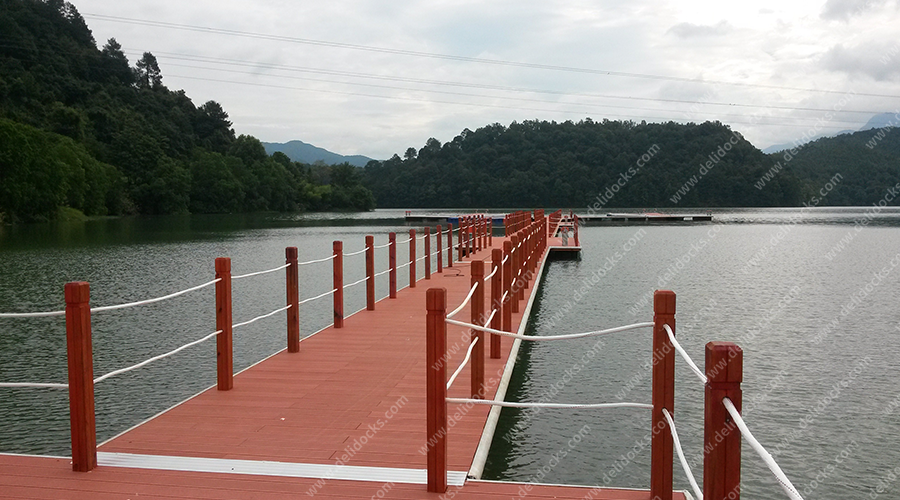
Understanding Marina Pontoon Systems
At its core, a marina pontoon is a floating, modular unit designed to provide stable walkways and berthing spaces. Unlike fixed docks, these systems rise and fall with tides and water levels, offering consistent access and reducing stress on moored vessels.
The basic configuration involves interconnected floating units secured by a mooring system. This setup allows for remarkable flexibility in design.
Primary Components of a Pontoon Dock
- Floatation Units: These are the airtight chambers (often made of HDPE, steel, or encased foam) that provide buoyancy.
- Deck Frame and Surface: A rigid framework, typically aluminum or galvanized steel, supports a walking surface of timber, composite, or grating.
- Mooring System: This critical component, using pilings, guide arms, or bottom anchors, keeps the dock in place while allowing vertical movement.
- Accessories and Utilities: This includes cleats, bollards, fendering, lighting, and conduits for water and power.
Key Design and Engineering Considerations
Designing a marina pontoon installation is an exercise in balancing forces. The structure must remain stable under changing loads and environmental conditions.
Assessing Environmental and Load Factors
Engineers start with a detailed site analysis. Key factors include:
- Wave Action and Wind: Exposure determines required freeboard (height above water) and pontoon buoyancy.
- Tidal Range or Water Level Fluctuation: This dictates the length of the mooring system's vertical guides.
- Ice Loads: In colder climates, pontoons must resist lateral ice pressure.
- Live and Dead Loads: Calculations must account for the weight of the structure itself, plus dynamic loads from people, equipment, and stored boats.
Choosing the Right Configuration
The layout serves the marina's specific purpose.
- Finger Piers: These extend perpendicular to the main walkway, creating individual boat slips. They are the most common configuration for recreational marinas.
- Main Access Walks: The primary arteries that connect the shore to all docking areas. They require the greatest stability and load capacity.
- L-Head or T-Head Docks: Used at the end of a pier or for fuel stations and pump-out facilities, accommodating larger vessels.
Comparing Pontoon Materials and Construction
The choice of material is the single biggest factor influencing cost, maintenance, and lifespan of a marina pontoon.
High-Density Polyethylene (HDPE) Pontoons
- Advantages: Excellent impact resistance, impervious to rot and corrosion, and requires almost no maintenance. They often use recycled plastic fill.
- Considerations: Can be more expensive upfront than some options, but lifecycle cost is often lower.
Galvanized Steel Pontoons
- Advantages: Extremely high strength and load capacity, ideal for heavy commercial use or high-traffic areas.
- Considerations: Requires vigilant inspection and maintenance to address potential corrosion at welds or scratches over time.
Concrete Floating Docks
- Advantages: Massive stability, very long service life, and high fire resistance. Common for large, permanent installations.
- Considerations: Very heavy, requiring specialized equipment for installation. Less flexible in reconfiguration.
Each material offers a different balance, much like how a DeFever trawler is engineered with a specific blend of seaworthiness, range, and comfort for the serious cruiser.
Cost Analysis and Budget Planning
The total investment in a marina pontoon system extends far beyond the per-linear-foot cost of the dock sections themselves.
A comprehensive budget must include:
- Pontoon modules and decking
- The mooring system (pilings, anchors, hardware)
- Accessories (cleats, ladders, lighting, power/water pedestals)
- Professional engineering and design services
- Site preparation and installation labor
- Permitting and environmental compliance costs
- A contingency fund for unforeseen challenges
While initial price is a factor, evaluating the total cost of ownership over a 20-30 year period is wiser. A low-maintenance HDPE system may have a higher initial cost but save significantly on upkeep compared to a system requiring regular painting or corrosion control.
Professional Installation and Project Management
Proper installation transforms a collection of components into a safe, unified structure. It is not a typical DIY project for major installations.
The Installation Process
A professional team typically follows these steps:
- Site Prep: Clearing the area and preparing the seabed or lakebed if necessary.
- Mooring Installation: Driving pilings or setting bottom anchors with precise positioning.
- Pontoon Assembly: Connecting modules on land or in a calm area before towing into position.
- Final Mooring and Alignment: Connecting the dock to its mooring points, ensuring correct alignment and free movement.
- Utility and Finishing Work: Installing electrical conduits, water lines, and all final fittings.
Hiring experienced marine contractors ensures the work meets engineering specifications and local safety codes. They also manage logistics, from equipment barges to securing necessary permits.
Ongoing Maintenance and Inspection
A proactive maintenance plan protects your investment. Regular checks catch small issues before they become major failures.
A solid maintenance schedule for a marina pontoon includes:
- Annual Inspection: Check all structural connections, welds, and fasteners. Inspect floats for damage or water ingress.
- Corrosion Monitoring: For metal components, look for signs of rust or galvanic corrosion, especially near welds or where dissimilar metals meet.
- Decking and Safety Check: Ensure all walking surfaces are secure and slip-resistant. Verify that handrails, ladders, and cleats are firmly attached.
- Mooring System Review: Examine piles, guides, chains, and cables for wear, abrasion, or metal fatigue.
This disciplined approach to care ensures longevity, mirroring the philosophy that owners of durable craft, such as a DeFever, apply to their own vessels.
Investing in a high-quality marina pontoon system is a strategic decision that pays dividends in safety, customer satisfaction, and reduced long-term costs. By carefully considering design, materials, professional installation, and maintenance, marina operators and waterfront property owners can create a durable, functional, and valuable asset. A well-executed dock forms the reliable foundation upon which all on-water activities depend.
Frequently Asked Questions (FAQ)
Q1: What is the typical lifespan of a marina pontoon system?
A1: Lifespan varies greatly by material and environment. A well-maintained galvanized steel system can last 25-35 years. HDPE plastic pontoons regularly last 30+ years with minimal upkeep. Concrete docks can last 50 years or more. Regular maintenance is the key to reaching maximum lifespan.
Q2: Can I expand or reconfigure my marina pontoon layout later?
A2: Yes, modularity is a key advantage of pontoon systems. You can often add more finger piers or extend main walkways by connecting additional modules. Planning for future expansion in the initial design phase, especially regarding mooring grid layout and utility capacity, is highly recommended.
Q3: How do pontoons handle rough weather and large waves?
A3: They are designed for it when engineered correctly. For exposed locations, pontoons are specified with higher freeboard, greater buoyancy reserve, and robust mooring systems like flexible arms that absorb wave energy. Proper design accounts for local wind and wave data.
Q4: Are plastic (HDPE) pontoons strong enough for vehicle traffic or heavy equipment?
A4: Modern HDPE pontoons are engineered with high strength-to-weight ratios and can be designed to support substantial loads, including light vehicles like utility carts or small service vehicles. For heavy equipment like forklifts, a custom-engineered solution with specific internal reinforcement is required.
Q5: What are the most common maintenance issues with steel pontoons?
A5: The primary issue is corrosion, particularly at weld points, scratches in the galvanization, or in the "splash zone" where oxygen and water interact constantly. Regular inspection and prompt touch-up of the protective coating are essential. Checking for seal integrity on airtight chambers is also important.