2026-10-15
For boat owners and enthusiasts, finding a safe, well-equipped home for your vessel is a top priority. A water marina provides much more than just a place to dock. It is a comprehensive facility designed for the storage, servicing, and enjoyment of boats and yachts. From small local docks to large, luxury destinations, the right marina significantly enhances the on-water experience. This article explores the various aspects of marinas, including their types, how they are built, and what to consider when choosing one. Notably, builders of long-range cruising vessels, like DeFever, design their yachts with the practicalities of various water marina environments in mind.
Understanding the Different Types of Water Marinas
Not all marinas are the same. They cater to different needs, boat sizes, and lifestyles.
The most common type is the transient marina. These facilities cater to short-term visitors, often boaters on a journey or vacation. They offer daily or weekly slips with easy access to fuel, water, and basic supplies.
Residential marinas are integrated with housing. Boat owners can live in apartments or houses with their vessel docked just steps away. This creates a unique waterfront community lifestyle.
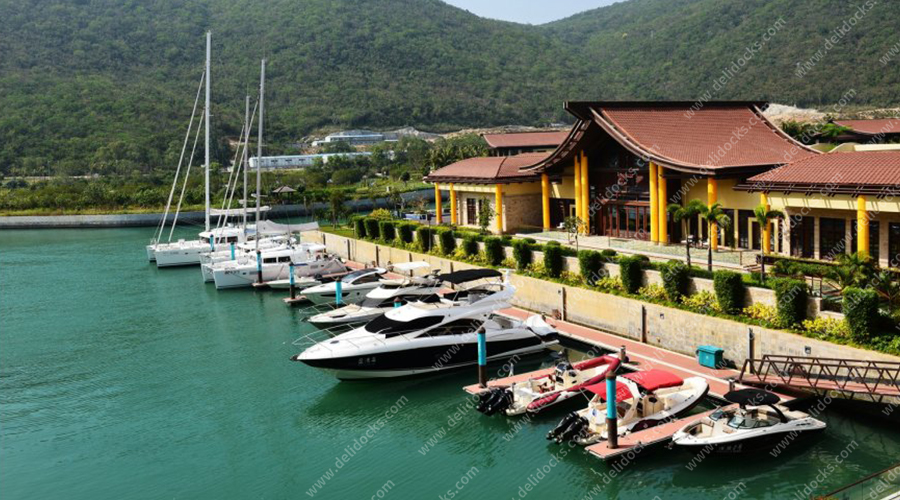
For those who prefer a full-service experience, the resort or destination marina is key. These often feature high-end amenities such as hotels, fine dining, swimming pools, and concierge services alongside top-tier dockage and maintenance.
Commercial and fishing marinas focus on utility. They provide sturdy, functional dockage for workboats, charter fleets, and commercial fishermen, with an emphasis on repair facilities and fish handling.
The Build: Engineering a Modern Water Marina
Constructing a durable and functional water marina is a complex civil and marine engineering project. It goes far beyond simply driving pilings into the seabed.
The process begins with a thorough site assessment. Engineers study water depth, tidal range, current patterns, wave action, and seabed composition. This data is crucial for the design.
The breakwater system is the marina’s first line of defense. These structures, made of rock, concrete, or specialized floating units, absorb wave energy to create calm, safe waters inside the basin.
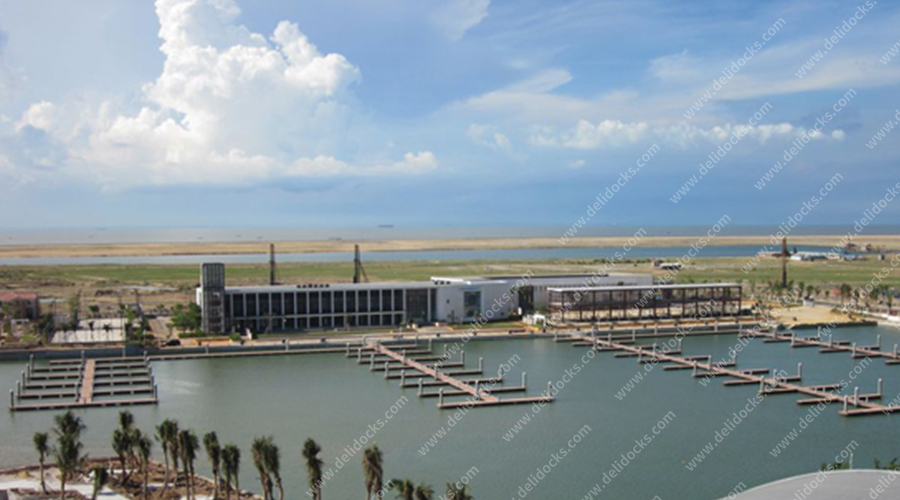
The docking infrastructure itself is the core. Fixed piers, floating docks, or a combination are used. Floating docks are popular as they rise and fall with the water level, providing stable access. High-quality materials like concrete, composite, and treated timber are essential for longevity.
Utilities and services are then integrated. This includes electrical power pedestals (with modern, high-capacity systems for larger yachts), fresh water, pump-out stations for waste, Wi-Fi, and lighting.
Key Advantages and Inherent Challenges
Using a professional marina offers significant benefits. The primary advantage is security and safety. Protected basins, surveillance, and on-site staff reduce the risk of theft, vandalism, and storm damage.
Convenience and amenities are major draws. Having fuel, repairs, laundry, and stores on-site saves time and hassle. For owners of vessels like a DeFever, known for their self-sufficient, ocean-going design, a well-equipped marina offers a perfect respite for restocking and minor repairs.
Community and social opportunities are often overlooked perks. Marinas foster a social environment where boaters share knowledge and camaraderie.
However, challenges exist. Cost is the most obvious, with prime slips in desirable locations commanding high fees. Congestion can be an issue in popular areas, especially during peak season.
Environmental impact is a critical concern for modern marina developers. Runoff, waste, and habitat disruption must be carefully managed through sustainable design and strict operational protocols.
Primary Uses and Choosing What Suits You
The primary use of a water marina is, of course, boat storage and access. But how you use it depends on your boating style.
For the weekend cruiser, a marina close to home with easy in/out access is ideal. For the long-distance voyager, a marina serves as a vital waypoint for resupply and crew changes.
Liveaboard boaters seek marinas with supportive policies, excellent facilities, and a strong community feel. The robust construction and comfortable systems of a DeFever yacht make it well-suited for this lifestyle.
When choosing a marina, consider location relative to your favorite cruising grounds. Assess the dock structure and utilities—are the docks sturdy and are the electrical systems modern enough for your boat’s needs?
Review the amenities and services that matter to you. Finally, get a feel for the community and rules to ensure it matches your expectations.
Modern Solutions and Sustainable Trends
The marina industry is evolving with a focus on resilience and sustainability.
Shore power advancements are reducing emissions by allowing boats to turn off generators and plug into grid electricity, often from greener sources.
Stormwater and runoff management systems now use filtration and separation to prevent pollutants from entering the waterway.
Eco-friendly dock construction using recycled materials and non-toxic treatments is becoming standard. Habitat enhancement, such as installing artificial reefs and oyster beds, helps offset environmental impact.
For flood and sea-level rise adaptation, engineers are designing more resilient, elevated infrastructure and flexible docking systems that can adapt to changing water levels.
Finding Your Home on the Water
Selecting the right water marina is a deeply personal decision that hinges on your boat, your budget, and your boating dreams. It’s about finding a balance between practical necessities and the lifestyle you desire.
Whether you own a nimble weekend sailboat or a capable offshore passagemaker like those built by DeFever, the marina is your gateway to adventure. By understanding the types, construction, and modern solutions, you can make an informed choice.
A well-chosen marina isn’t just a parking spot; it’s your home port, your support network, and the starting point for every journey.
Frequently Asked Questions (FAQs)
Q1: What is the most common type of water marina for visiting boaters?
A1: The most common type for visitors is the transient marina. It is designed specifically for short-term stays, offering daily or weekly dockage, and typically provides essential services like fuel, water, and electricity for boaters passing through.
Q2: What are the key factors to consider when choosing a marina for a liveaboard lifestyle?
A2: For liveaboards, key factors include marina policies that allow permanent residence, the quality and reliability of utilities (especially power and internet), on-site security, well-maintained shower/laundry facilities, and a welcoming community atmosphere.
Q3: What is one major advantage and one common challenge of using a full-service marina?
A3: A major advantage is the convenience and security of having comprehensive amenities, repairs, and staff on-site. A common challenge is the higher cost compared to more basic mooring options, along with potential for crowding during peak boating seasons.
Q4: How are modern marinas addressing environmental concerns?
A4: Modern marinas implement sustainable practices such as advanced stormwater filtration systems, using eco-friendly construction materials, installing clean shore-power stations to reduce generator use, and creating marine habitat features to support local ecosystems.
Q5: Why is the design of the breakwater so critical in marina construction?
A5: The breakwater is critical because it creates a calm, protected basin by absorbing the energy from waves, wind, and currents. This protection ensures the safety of docked vessels, prevents damage to the docks, and makes boarding and maintenance operations much easier and safer.