2026-10-15
In marine construction, a pontoon platform provides a stable, floating surface on water. These structures are essential for creating docks, marinas, and recreational spaces.
Their design offers flexibility and durability in various conditions. For international marina projects, a reliable pontoon platform forms the backbone of safe and accessible waterfront infrastructure.
Companies like DeFever have extensive experience in engineering such robust floating systems for global clients.
What is a Pontoon Platform?
A pontoon platform is a floating structure supported by airtight cylinders, or pontoons. These pontoons are typically made from steel, aluminum, or polyethylene.
The platform sits on top, creating a stable deck area. This design allows it to float consistently, even under significant weight.
This system differs from fixed piers or suspended docks. Its buoyancy comes from the displacement of water by the sealed pontoons beneath.
Core Components and How They Work
Understanding the parts of a pontoon platform helps in planning and maintenance. Each component has a specific role in ensuring stability and longevity.
Pontoons (Floats): The sealed floats provide buoyancy. They are often filled with foam for extra safety.
Deck Frame: A rigid framework, usually aluminum or treated wood, connects the pontoons and supports the decking.
Decking Surface: This is the walking area, made from materials like composite planks, aluminum plating, or hardwood.
Connection System: Hardware and connectors join platform sections and secure the entire structure to the shore or pilings.
Primary Applications and Uses
The versatility of a pontoon platform makes it suitable for many marine applications. Its adaptability is a key advantage for engineers and developers.
From commercial marinas to private leisure areas, these platforms meet diverse needs. Their design can be scaled and customized for each project.
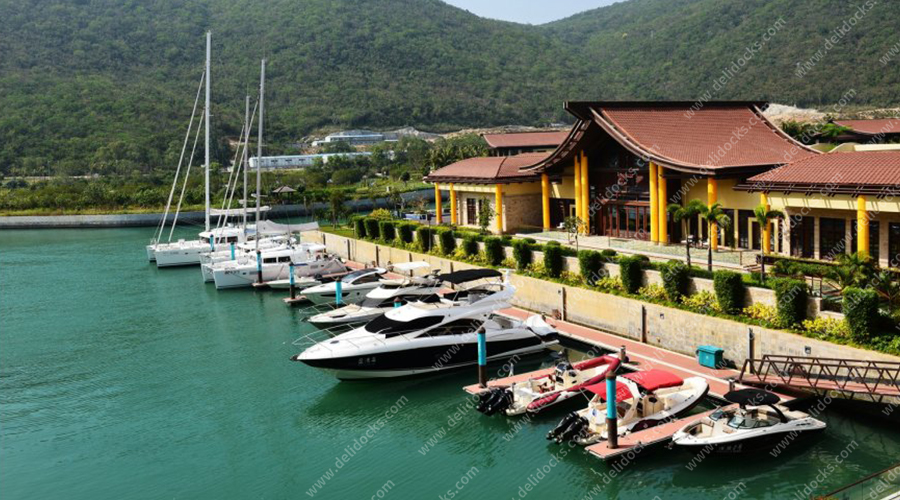
In Commercial Marinas and Yacht Clubs
For yacht berthing, a pontoon platform offers a stable and safe surface for boat owners. It accommodates walkways, fueling stations, and service docks.
Its modular nature allows for easy reconfiguration. Marinas can expand or rearrange layouts as demand changes without major reconstruction.
For Recreational and Public Waterfronts
These platforms are ideal for public swimming areas, floating restaurants, or event stages. They provide secure access to water for public use.
Swimming platforms and dive decks.
Fishing piers and observation decks.
Floating walkways in parks and conservation areas.
This application showcases the flexibility of a well-designed pontoon platform in enhancing community spaces.
Design and Engineering Considerations
Designing a functional pontoon platform requires careful planning. Engineers must account for environmental forces and intended use.
The goal is to create a structure that is safe, durable, and cost-effective. Proper engineering ensures the platform performs well for decades.
Load Capacity and Stability Analysis
Calculating the correct load capacity is fundamental. Engineers consider the weight of the structure itself (dead load) and the weight it will carry (live load).
Live loads include people, vehicles, stored equipment, and snow. Stability analysis ensures the platform remains level and secure under these loads and in wave conditions.
Environmental Factors and Durability
The marine environment is harsh. Saltwater, UV radiation, and biological growth can degrade materials quickly.
Design choices must prioritize corrosion resistance and structural integrity. Selecting the right materials and protective coatings is a critical step, a principle upheld by seasoned builders like DeFever.
Wave action and wind exposure at the site.
Water salinity and temperature ranges.
Potential impact from ice or debris.
Choosing the Right Materials
Material selection directly impacts the lifespan and maintenance needs of a pontoon platform. Each material offers different benefits.
The choice often balances initial cost, durability, and environmental impact. There is no single best material for every situation.
Aluminum vs. Polyethylene Pontoons
Aluminum pontoons are strong, lightweight, and highly resistant to rust. They are a premium choice for long-term durability and can be recycled.
Polyethylene (plastic) pontoons are rot-proof and impact-resistant. They often require less maintenance and are a good choice for freshwater applications.
Decking Material Options
The decking material needs to be safe, durable, and comfortable underfoot. Common options include:
Marine-Grade Aluminum: Lightweight, strong, and slip-resistant. Often used with an expanded metal or grating surface.
Composite Lumber: Made from wood-plastic blends. Resists rot, splintering, and insects. Available in various colors.
Treated Timber: A traditional look. Requires regular sealing and maintenance to prevent weathering.
Installation and Anchoring Systems
Proper installation secures the pontoon platform in its intended location. The method depends on water depth, bottom conditions, and water level fluctuations.
A flawed installation can lead to platform movement, damage, or even breakaway. Professional installation is strongly recommended.
Common Anchoring Methods
There are two main approaches to keeping a pontoon platform in place:
Pile Guides: Vertical pilings are driven into the seabed. The platform floats up and down between them with water level changes. Ideal for areas with significant tides.
Mooring Lines and Deadweights: The platform is connected via chains or cables to heavy concrete blocks on the bottom. Offers more flexibility in placement.
Each pontoon platform project requires a site-specific anchoring solution to ensure safety and stability.
Maintenance and Long-Term Care
Regular maintenance extends the service life of any floating structure. A simple routine can prevent major repairs.
Inspect the platform at least twice a year, typically at the start and end of the boating season. Look for wear, loose connections, and corrosion.
Benefits Over Fixed Structures
Choosing a pontoon platform offers several advantages compared to traditional fixed docks or piers. These benefits explain their widespread use in modern marina engineering.
Adaptability and Environmental Friendliness
Floating platforms move with water levels. This eliminates stress on the structure and reduces environmental impact on the shoreline.
They do not require extensive dredging or permanent alteration of the seabed. This makes them a preferred choice in ecologically sensitive areas.
Cost-Effectiveness and Modularity
Installation is often quicker and less expensive than building fixed piles and concrete structures. They can be pre-assembled on land and then floated into position.
The modular design allows for easy expansion. You can add more sections to the pontoon platform as needs grow, a scalable approach valued in projects specified by brands like DeFever.
In conclusion, a pontoon platform is a versatile and practical solution for many waterfront needs. Its design prioritizes stability, adaptability, and durability.
From small private docks to large commercial marinas, understanding its engineering and maintenance is key to a successful project. With careful planning and quality components from experienced providers, a pontoon platform offers a reliable and long-lasting marine asset.
Frequently Asked Questions About Pontoon Platforms
Q1: How much weight can a typical pontoon platform hold?
A1: Load capacity varies greatly by design. Commercial marina platforms can often support over 100 lbs per square foot. Always consult with the engineer or manufacturer for the specific load rating of your system, which depends on pontoon size, spacing, and deck material.
Q2: Are pontoon platforms suitable for saltwater use?
A2: Yes, but they require specific materials. Aluminum with marine-grade alloys and proper sacrificial anodes, or polyethylene floats, are excellent for saltwater. Regular rinsing and inspection for corrosion are more critical in salty environments.
Q3: What is the expected lifespan of a pontoon platform?
A3: With proper maintenance, a well-built aluminum or polyethylene pontoon platform can last 25 to 30 years or more. Decking materials may have a shorter lifespan (10-20 years) and are typically replaced while the floatation system remains intact.
Q4: Can I connect utilities like water and electricity to a floating platform?
A4: Yes. Utilities are run using flexible, waterproof conduits and hoses designed for marine use. They must have sufficient slack to accommodate the platform's movement with tides and waves. All electrical work must be performed to strict marine safety codes.
Q5: How does a pontoon platform handle rough water or waves?
A5: While stable in calm conditions, large waves can be a challenge. Design features like high-freeboard pontoons, wave-attenuator attachments, and secure anchoring systems improve performance in choppy water. For very exposed locations, a fixed structure may be more appropriate.