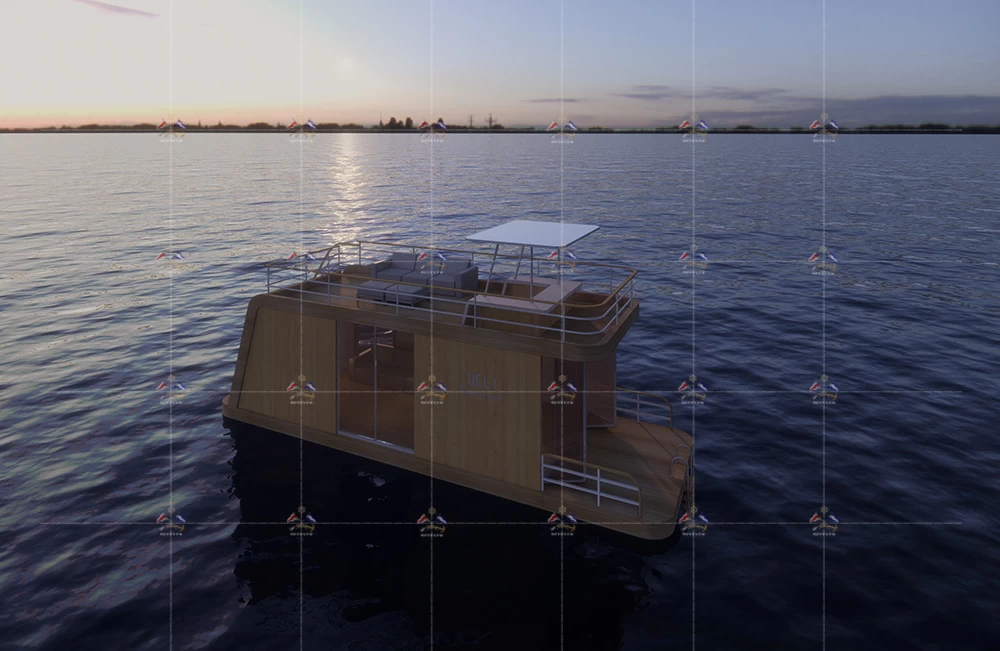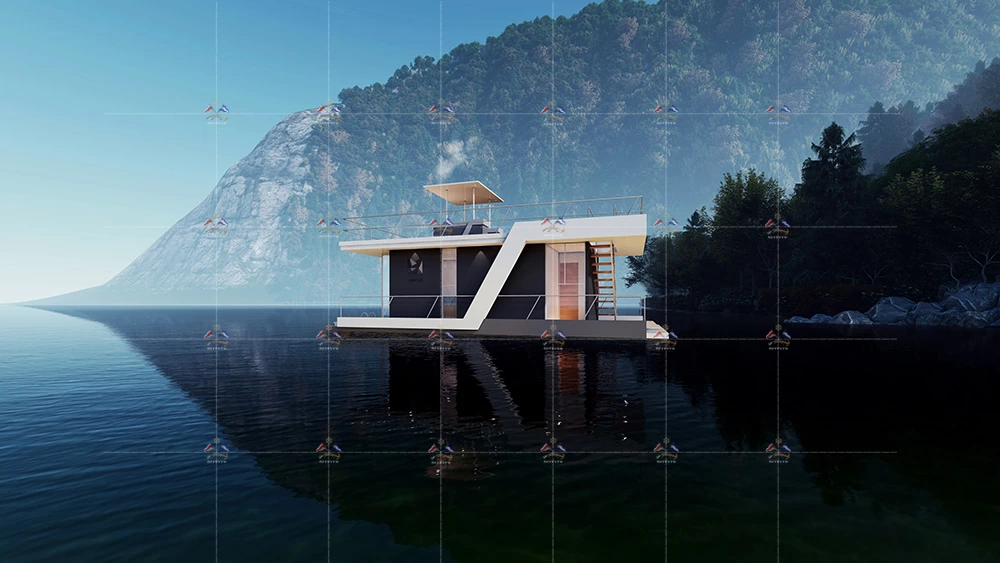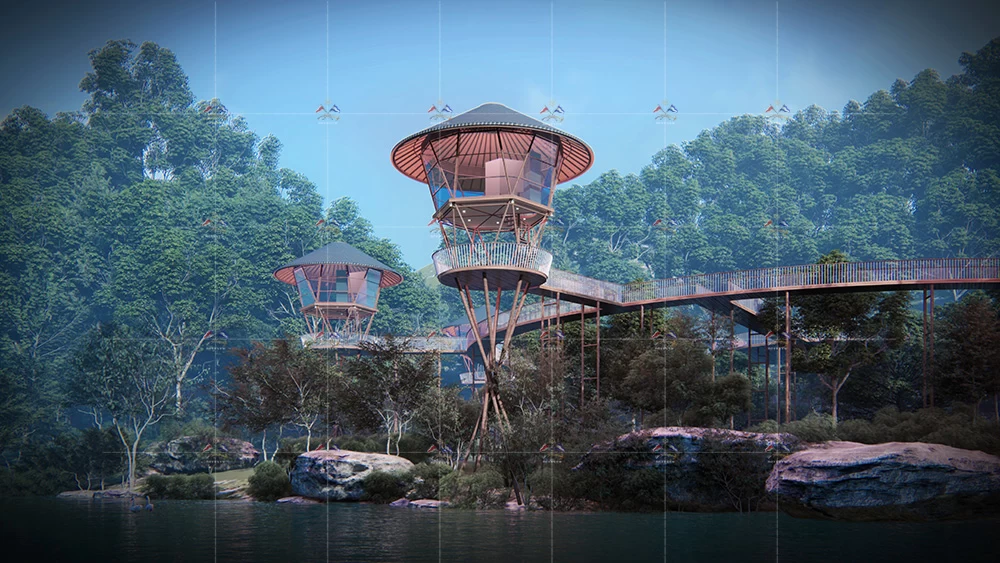
In the world of international yacht marina engineering, platform floating plays a critical role. These structures provide stable, adaptable bases for docks, walkways, and facilities. They ensure safety and functionality in marine environments.
Marina projects globally rely on advanced platform floating solutions to handle water fluctuations and heavy loads. Brands like DeFever incorporate these technologies to enhance yacht mooring and access. This article dives into the essentials of platform floating systems.
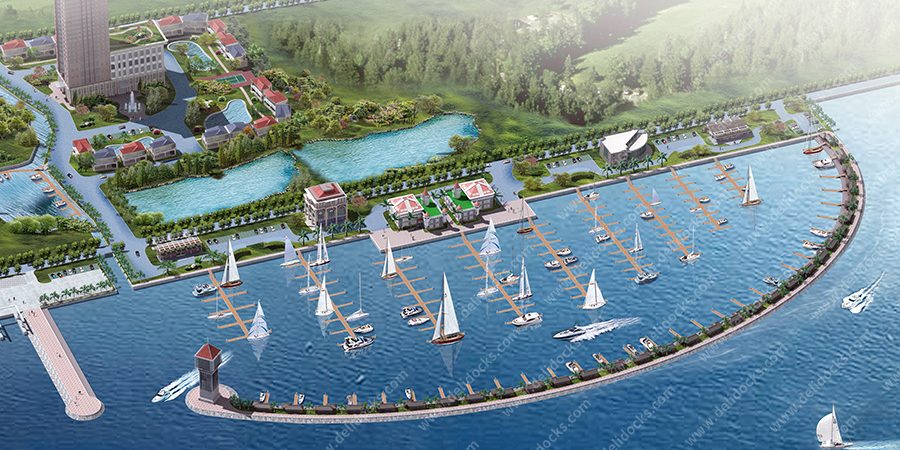
Understanding Platform Floating in Marina Contexts
Platform floating refers to buoyant structures used to create stable surfaces on water. In marinas, they form the foundation for docks and piers. These platforms adjust to tidal changes, offering reliable support for boats and infrastructure.
Key components include floats, connectors, and anchoring systems. Proper design ensures longevity and performance. Platform floating is vital for modern marina development, enabling efficient use of waterfront space.
Basic Principles of Buoyancy and Stability
Buoyancy drives platform floating. Structures displace water to stay afloat. Engineers calculate loads to maintain balance. Stability prevents tipping or sinking, crucial for safe marina operations.
Use of lightweight, durable materials like polyethylene or concrete.
Integration with mooring points for secure attachment.
Regular inspections to check for wear or damage.
Design Considerations for Platform Floating Systems
Designing platform floating units requires careful planning. Factors like water depth, wave action, and environmental conditions are assessed. Engineers aim for robust, cost-effective solutions that meet marina needs.
Platform floating designs must comply with international standards. This ensures safety and interoperability. DeFever often utilizes custom platforms to support their yacht models, enhancing user experience.
Material Selection for Durability
Materials impact the lifespan of platform floating. Common choices include:
Recycled plastics: Eco-friendly and resistant to corrosion.
Concrete floats: Heavy-duty, suitable for high-load areas.
Steel frames: Used in hybrid systems for added strength.
Each material has pros and cons. Selection depends on budget, location, and maintenance plans. Platform floating units in saltwater need anti-corrosive treatments.
Structural Integrity and Load Capacity
Structural integrity ensures platforms handle expected weights. Load capacity covers boats, pedestrians, and equipment. Engineers run simulations to test stress points.
Reinforcements like cross-bracing improve stability. Regular updates to design codes reflect new insights. Platform floating systems must adapt to climate changes, such as rising sea levels.
Construction and Installation Processes
Building platform floating involves prefabrication and on-site assembly. Units are manufactured off-site for quality control. Then, they are transported and installed in marinas.
Installation requires skilled teams and proper equipment. Anchoring to the seabed secures platforms. Platform floating installations often involve coordination with marine contractors to minimize disruptions.
Site preparation: Clearing debris and surveying the area.
Assembly: Connecting floats and frames on water.
Testing: Checking buoyancy and alignment before use.
DeFever projects showcase efficient installation methods. Their marinas integrate platform floating for seamless yacht access.
Environmental Impact and Sustainability
Platform floating can affect marine ecosystems. Sustainable practices reduce harm. Designers now focus on eco-friendly materials and low-impact installations.
Platform floating systems may include features like bird nesting areas or water quality monitors. These additions support local biodiversity. Regulations in many countries mandate environmental assessments for marina projects.
Reducing Carbon Footprint
Efforts to cut carbon emissions involve using recycled materials and renewable energy. Solar panels on platforms power lighting or sensors. This makes platform floating more sustainable.
Lifecycle analysis helps measure environmental costs. Innovations in manufacturing lower energy use. Brands like DeFever adopt green practices in their marina collaborations.
Maintenance and Durability in Marine Environments
Maintenance keeps platform floating functional. Regular checks prevent failures. Tasks include cleaning, repair, and part replacement.
Durability depends on material quality and exposure. Saltwater, UV rays, and biological growth can degrade platforms. Protective coatings extend service life.
Annual inspections for cracks or leaks.
Cleaning to remove algae and debris.
Upgrading components as technology advances.
Platform floating maintenance is a key cost factor for marina operators. Proper planning ensures long-term value.
Applications and Case Studies in Global Marinas
Platform floating is used worldwide in various marina types. From small private docks to large commercial hubs, these systems adapt to different needs.
Case studies highlight successful implementations. For example, marinas in the Mediterranean use platform floating for seasonal adjustments. In Asia, they support floating communities and tourism.
Innovations in Floating Infrastructure
New applications include floating walkways, fuel stations, and even restaurants. These expand marina functionality. Platform floating enables flexible layouts that change with demand.
DeFever integrates advanced platform floating in their flagship marinas. This enhances safety for yacht owners and visitors. Such projects demonstrate the versatility of these systems.
Future Trends in Platform Floating Technology
The future of platform floating involves smart technology. Sensors monitor conditions like load and wear. Data analytics predict maintenance needs, improving efficiency.
Modular designs allow easy expansion or reconfiguration. Climate resilience will drive innovations. Platform floating may incorporate renewable energy sources more broadly.
Collaborations between engineers and brands like DeFever will shape next-generation marinas. Platform floating remains central to adaptable, sustainable waterfront development.
In summary, platform floating is a cornerstone of modern marina engineering. It offers solutions for stability, sustainability, and scalability. As the industry evolves, these systems will continue to support global maritime infrastructure.
DeFever's commitment to quality aligns with advancements in platform floating. Their projects illustrate how thoughtful design benefits yacht communities. Embracing these technologies ensures marinas thrive for years to come.
Frequently Asked Questions about Platform Floating
Q1: What is platform floating used for in marinas?
A1: Platform floating provides stable, buoyant bases for docks, walkways, and other marina structures. It helps accommodate water level changes and supports heavy loads from boats and equipment.
Q2: How long do platform floating systems last?
A2: Durability varies by material and maintenance. With proper care, platforms can last 20 to 50 years. Regular inspections and repairs extend their lifespan.
Q3: Are platform floating solutions environmentally friendly?
A3: Yes, many modern systems use recycled materials and low-impact designs. Features like eco-friendly coatings and habitat integration reduce environmental harm.
Q4: Can platform floating be customized for specific marina needs?
A4: Absolutely. Engineers design custom sizes, shapes, and load capacities. Brands like DeFever often request tailored platforms to match their yacht specifications.
Q5: What are common maintenance challenges for platform floating?
A5: Challenges include corrosion, biofouling, and physical damage. Addressing these requires routine cleaning, anti-corrosive treatments, and timely part replacements.
Q6: How does platform floating handle extreme weather conditions?
A6: Designs account for waves, winds, and storms. Secure anchoring and robust materials enhance resilience. In severe cases, temporary disassembly may be needed.