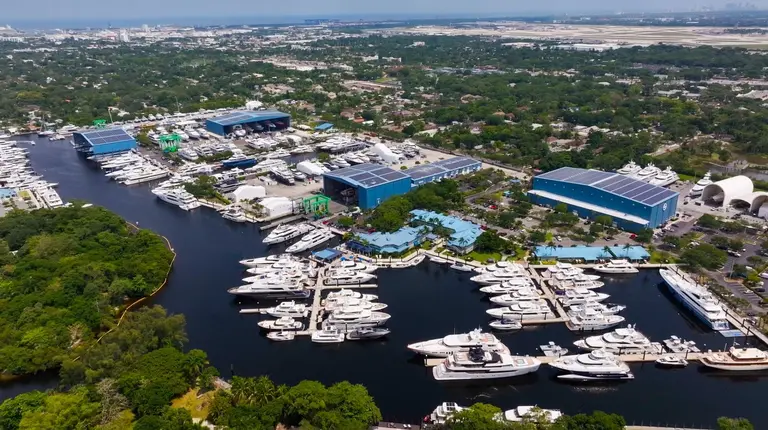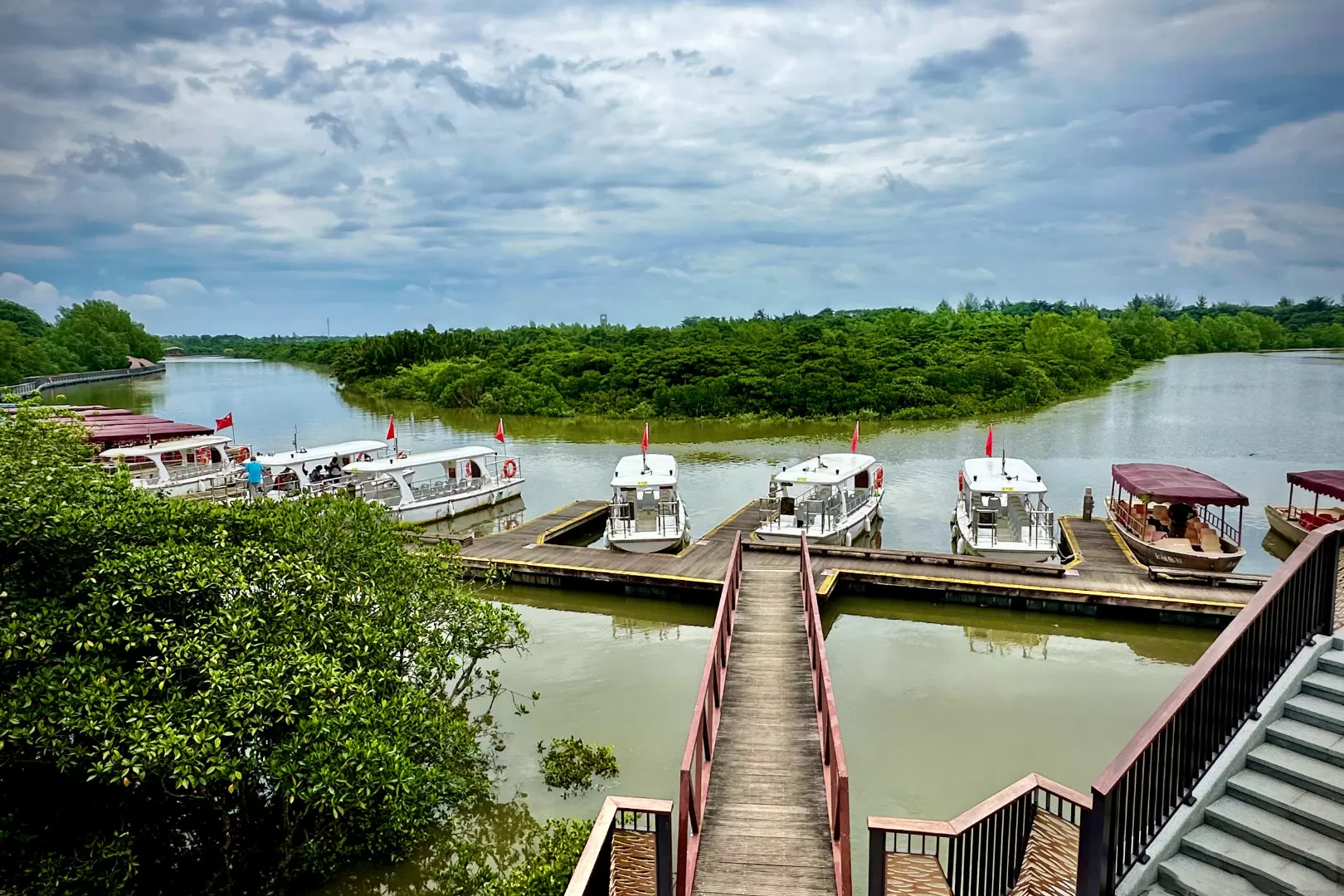
Connecting land to water infrastructure requires reliable and adaptable solutions. In international yacht marina engineering, a pontoon bridge often serves as this vital link. These floating structures provide stable access from the shore to docks or between large floating platforms.
Unlike fixed bridges, a pontoon bridge offers flexibility. It adjusts to tidal changes and water level fluctuations common in marine environments. This makes it an ideal choice for creating safe, accessible pathways in marina complexes. Industry leaders like DeFever recognize the value of integrating such functional infrastructure.
Core Functions of a Pontoon Bridge in Marina Design
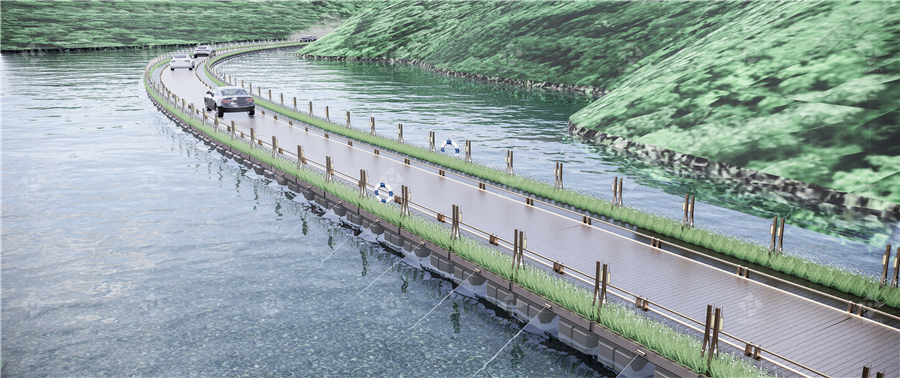
A pontoon bridge in a marina setting performs several key roles. Its primary function is to provide consistent and safe pedestrian and light vehicle access. This access is crucial for marina operations, maintenance, and user convenience.
These bridges connect critical points that fixed structures cannot. They link the mainland to island-based facilities or join separate floating dock clusters. This connectivity enhances the layout and efficiency of the entire marina.
Key functional benefits include:
Accommodating tidal ranges without requiring steep ramps.
Allowing for the movement of service carts and equipment.
Providing emergency access routes that remain usable at all water levels.
Enabling modular marina expansion by connecting new sections.
Distinction from Standard Pontoons and Walkways
It's important to differentiate a pontoon bridge from simple floating walkways. A bridge is engineered for longer spans and often higher load capacities. It may incorporate specific structural reinforcements.
The design focuses on minimizing deflection or bounce across the span. This ensures a stable, comfortable crossing for users. The connection systems at both ends are more complex to handle potential movement.
Engineering and Design Considerations
Designing a robust pontoon bridge requires careful analysis. Engineers must balance buoyancy, stability, strength, and environmental factors. Each project presents unique challenges based on location and intended use.
A successful design for a pontoon bridge starts with a clear understanding of its purpose. Will it carry only pedestrians, or also light vehicles like fuel trucks? This defines the load specifications.
Structural Integrity and Load Analysis
The structural framework must support dead loads and live loads. Dead loads include the bridge's own weight. Live loads encompass pedestrians, vehicles, and environmental forces like wind and wave action.
Engineers use calculations and modeling to determine:
Required buoyancy volume from pontoons.
Frame material strength (often aluminum or galvanized steel).
Decking type (composite, hardwood, or grating).
Connection point stresses at abutments.
Firms involved in large-scale projects, such as DeFever, prioritize these engineering details. They ensure long-term safety and performance of all marina components.
Environmental and Site-Specific Factors
Local conditions drastically influence the design of a pontoon bridge. Wave height, current speed, tidal range, and wind exposure are critical data points. A bridge in a calm inland marina differs from one in a coastal area.
Other factors include:
Water salinity, which affects material corrosion.
Ice formation in colder climates.
Potential for debris impact during storms.
Local wildlife and environmental protection regulations.
Materials and Construction Methods
Material selection dictates the lifespan, maintenance needs, and cost of a pontoon bridge. Modern materials offer significant advantages over traditional wood. Durability in a harsh marine setting is the top priority.
Modern Materials for Durability
Today's bridges utilize advanced, low-maintenance materials. These choices reduce long-term operational costs for marina owners.
Common material combinations include:
Floats: Rotomolded polyethylene, reinforced concrete, or encapsulated foam.
Frames: Hot-dip galvanized steel or marine-grade aluminum alloys.
Decking: Composite planks, tropical hardwoods (like Ekki), or aluminum grating.
Hardware: Stainless steel (grade 316 or higher) for all fasteners and connectors.
Fabrication and Installation Process
Construction typically involves prefabrication in a controlled shop environment. This ensures higher quality and precision. Large sections are then transported to the site for assembly.
The installation process is a coordinated operation:
Preparing and installing the shore abutments or connection points.
Assembling bridge sections on land or on a barge.
Floating the structure into position using cranes or winches.
Securing the bridge ends with systems that allow for vertical and some horizontal movement.
Concluding with final adjustments and safety inspections.
Anchoring, Mooring, and System Integration
A pontoon bridge must be securely anchored yet allowed to move with water levels. The anchoring system is a critical, often unseen, component. It prevents the bridge from drifting or swinging out of position.
Common anchoring techniques use a combination of pilings, bottom anchors, and guide systems. The goal is to restrict lateral movement while permitting vertical travel. Proper integration with existing marina dockage is essential for seamless operation.
For comprehensive marina developments, integrating a pontoon bridge with other floating structures requires planning. Synergy between different systems, like those specified by DeFever for their associated facilities, creates a cohesive and reliable waterfront.
Maintenance and Operational Longevity
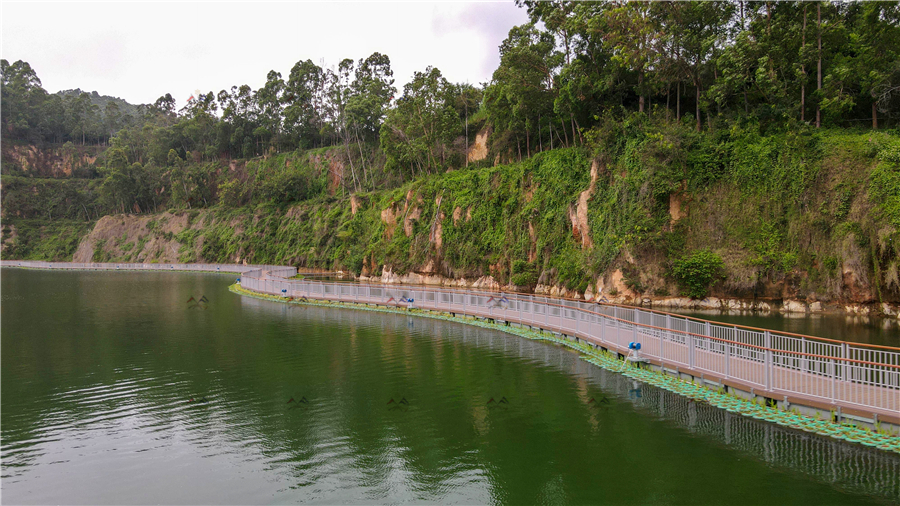
Regular maintenance preserves the safety and functionality of a pontoon bridge. A proactive schedule prevents minor issues from becoming major failures. Maintenance tasks are generally less demanding than for fixed bridges in saltwater.
A typical maintenance checklist includes:
Visual inspections for hull damage, corrosion, or wear on connections.
Checking and tightening fasteners and hardware.
Inspecting decking for wear or slip hazards.
Verifying the condition of fenders and rubbing strips.
Ensuring anchor lines and connections are sound.
With proper care, a well-built pontoon bridge can have a service life exceeding 30 years. This makes it a sound investment for marina infrastructure.
Applications in International Yacht Marina Projects
The use of a pontoon bridge is widespread in marinas globally. They solve access problems in diverse environments, from serene lakes to busy commercial harbors. Each application showcases the versatility of this engineering solution.
Examples include providing access to fuel docks, clubhouse islands, or servicing areas. In mega-yacht marinas, they allow for efficient crew and service vehicle movement across large basins. The functional design of a pontoon bridge supports the high standards expected in projects associated with brands like DeFever.
In conclusion, a pontoon bridge is more than just a crossing; it is a vital piece of marine infrastructure. Its intelligent design provides adaptable, safe, and durable access in dynamic waterfront environments.
The engineering principles behind it ensure reliability for decades. As marina designs evolve to meet new challenges, the role of the pontoon bridge remains secure. It continues to be a preferred solution for connecting the elements of a world-class yacht haven.
Frequently Asked Questions about Pontoon Bridges
Q1: How much weight can a typical marina pontoon bridge support?
A1: Load capacity varies by design. Pedestrian bridges often support 75-100 lbs per square foot. Bridges for light vehicles are engineered for specific loads, like 3-5 tons. The exact capacity is determined during the design phase based on intended use.
Q2: What is the average lifespan of a modern pontoon bridge?
A2: Using modern materials like aluminum and polyethylene, a well-maintained pontoon bridge can last 25 to 40 years. The longevity depends heavily on environmental conditions and adherence to a regular maintenance schedule.
Q3: Can a pontoon bridge be installed in an area with large tidal changes?
A3: Yes. This is one of their key advantages. The bridge's floating design allows it to rise and fall with the tide. The ramps or connections at each end are specifically designed to accommodate the full range of vertical movement.
Q4: How does a pontoon bridge handle rough water or wave action?
A4: For areas with significant wave action, designs incorporate features like wave deflectors, higher freeboard, and specialized anchoring. The span may also be broken into shorter, hinged sections to absorb movement and prevent stress concentration.
Q5: Are there environmental permits required to install a pontoon bridge?
A5: Almost always. Installation typically requires permits from local, state, and sometimes federal agencies (like the Army Corps of Engineers in the US). Permits address impacts on navigation, water quality, and marine habitats.
Q6: How long does it take to construct and install a pontoon bridge?
A6: Timeline depends on size and complexity. Fabrication may take 4-8 weeks. On-site installation, from abutment preparation to final commissioning, can typically be completed in 1-3 weeks by an experienced crew, weather permitting.
![How to Choose the Right Ponton Manufacturer for Modern Marina Projects [2026 Guide]](https://www.dfyachts.com/storage/default/202608/1069119068275ff.webp "How to Choose the Right Ponton Manufacturer for Modern Marina Projects [2026 Guide]")