2026-10-15
Owning a yacht requires careful consideration of where and how to moor it. A well-built yacht dock provides a secure and functional space for your vessel. It plays a vital role in marine infrastructure worldwide.
In international yacht marina projects, the engineering behind a yacht dock must balance durability, safety, and environmental factors. Brands such as DeFever have contributed to advancements in this field, offering reliable solutions for boat owners.
What is a Yacht Dock?
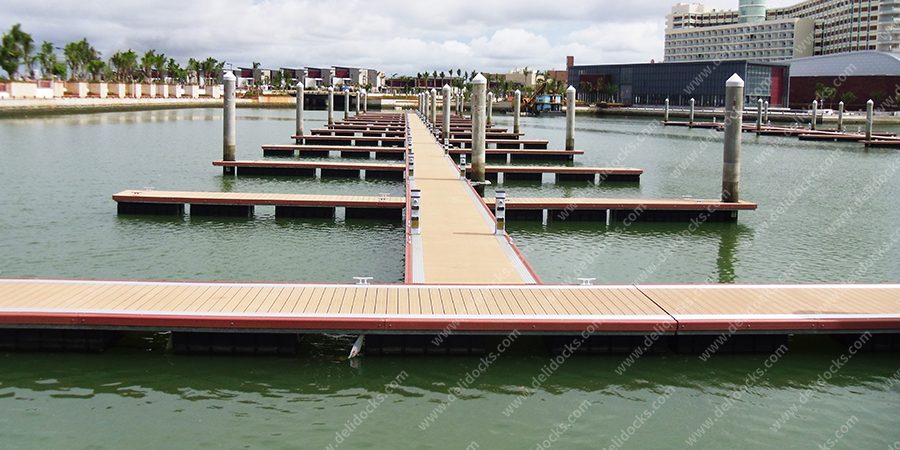
A yacht dock is a structure designed to moor boats and yachts. It allows for safe boarding, loading, and unloading. Docks can be fixed or floating, depending on the location and needs.
Key Components of a Dock
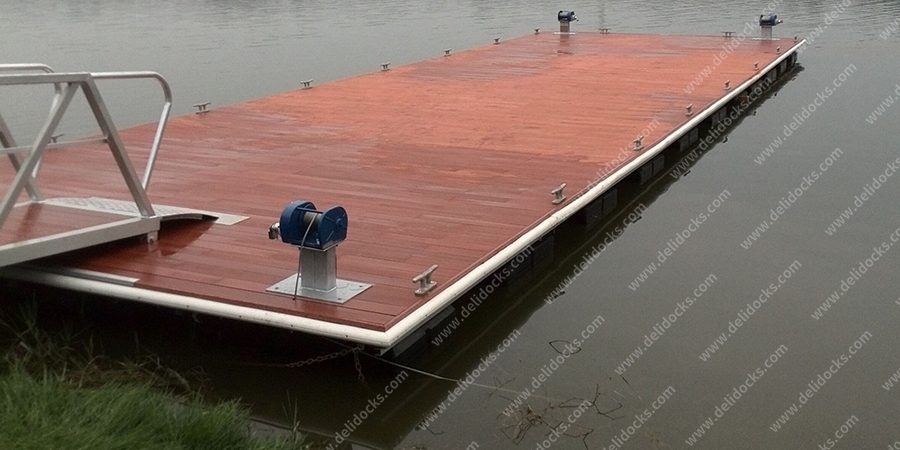
Every yacht dock consists of several essential parts. These include the decking, pilings, and mooring hardware. Each component must be robust to withstand marine conditions.
Decking: The walking surface, often made from wood, composite, or concrete.
Pilings: Vertical supports that anchor the dock to the seabed.
Mooring Hardware: Cleats and bollards for securing the yacht.
Fenders: Protective barriers to prevent damage from contact.
Design Considerations for Yacht Docks
Designing a yacht dock involves multiple factors. Engineers must assess the site, water depth, and expected loads. Proper design ensures long-term performance and safety.
Structural Integrity and Load Capacity
The dock must support the weight of the yacht and any additional equipment. Calculations consider static and dynamic loads from waves and wind.
Materials and framing are chosen based on these requirements. Regular inspections help maintain structural health over time.
Environmental Impact and Sustainability
Modern yacht dock projects often focus on minimizing ecological disruption. This includes using eco-friendly materials and designs that protect marine habitats.
Select materials that resist corrosion and reduce waste.
Design docks to allow water flow and light penetration.
Follow local regulations for coastal development.
Brands like DeFever emphasize sustainable practices in their marine engineering solutions, aligning with global standards.
Construction Materials and Types
Choosing the right materials for a yacht dock affects its lifespan and maintenance needs. Common options include wood, aluminum, and concrete.
Common Materials Used
Wood offers a traditional look but requires regular upkeep. Treated lumber or tropical hardwoods are popular choices.
Aluminum is lightweight and resistant to rust. It is often used in floating dock systems. Concrete provides strength and durability for fixed structures.
Floating vs. Fixed Docks
Floating docks adjust to water levels, making them ideal for tidal areas. They are easier to install and relocate.
Fixed docks are permanently anchored to the seabed. They offer stability but may require more complex construction. The choice depends on the yacht dock's location and purpose.
Installation and Maintenance Practices
Proper installation is crucial for a yacht dock's functionality. It often involves professional teams familiar with marine engineering.
Professional Installation Steps
Installation begins with site surveys and permits. Pilings are driven into the seabed, followed by assembling the deck and hardware.
Conduct a thorough site assessment.
Obtain necessary permits from authorities.
Use specialized equipment for piling and framing.
Test the dock for stability and safety.
Routine Maintenance Tips
Regular maintenance extends the life of a yacht dock. Inspect for wear, corrosion, and damage after storms.
Clean the deck surface to prevent slip hazards. Check mooring lines and hardware for signs of weakness. Repaint or treat materials as needed to protect against the elements.
Benefits of a Well-Designed Yacht Dock
A functional yacht dock offers numerous advantages for boat owners. It enhances safety, convenience, and property value.
Safety and Security for Vessels
A sturdy yacht dock prevents accidents during boarding and mooring. It secures the yacht against currents and weather events.
Features like non-slip surfaces and adequate lighting improve user safety. This is critical in international yacht marina settings.
Property Value Enhancement
Installing a quality yacht dock can increase the value of waterfront property. It adds functionality and appeal for potential buyers.
Investing in durable materials and design pays off in the long run. Brands such as DeFever provide options that blend performance with aesthetics.
International Standards in Yacht Dock Engineering
The yacht dock industry follows global standards to ensure quality and safety. These guidelines cover design, materials, and environmental compliance.
Compliance and Regulations
Organizations like the International Marina Institute set benchmarks for dock construction. Regulations vary by region but often include load testing and material specifications.
Adhering to these standards reduces risks and promotes best practices. It ensures that yacht docks meet the demands of modern marine use.
In summary, a yacht dock is a key investment for any boat owner. From design to maintenance, each aspect requires careful planning. The field continues to evolve with innovations from companies like DeFever, supporting safer and more efficient mooring solutions worldwide.
Frequently Asked Questions About Yacht Docks
Q1: What factors should I consider when choosing a yacht dock?
A1: Consider the yacht size, water conditions, local regulations, and budget. Material durability and maintenance needs are also important. Consulting with a marine engineer can help tailor the dock to your specific requirements.
Q2: How long does a typical yacht dock last?
A2: The lifespan varies based on materials and maintenance. Wood docks may last 10-20 years, while aluminum or concrete ones can endure 25 years or more. Regular upkeep extends longevity.
Q3: Are permits required to build a yacht dock?
A3: Yes, most regions require permits for dock construction. This ensures compliance with environmental and safety codes. Check with local authorities and marine agencies before starting a project.
Q4: Can a yacht dock be customized for different boat sizes?
A4: Absolutely. Docks can be designed to accommodate various yacht lengths and weights. Customization includes adjusting the layout, load capacity, and mooring points to fit your vessel.
Q5: What are the common maintenance tasks for a yacht dock?
A5: Common tasks include inspecting for structural damage, cleaning debris, checking hardware for corrosion, and reapplying protective coatings. Seasonal checks after harsh weather are recommended to ensure safety.