2026-10-15
Planning and building functional, durable, and safe docks on the water is a central task in marina and waterfront development. These structures serve as the critical link between land and vessel, facilitating recreation, commerce, and community access. The choice of design, materials, and construction method directly impacts the dock's longevity, safety, and cost. From private piers to large-scale commercial marinas, understanding the options is key. Experienced marine engineering firms, such as DeFever, specialize in tailoring these structures to meet specific environmental and operational needs. This guide provides a detailed look at the essential aspects of designing and building effective docks for various applications.
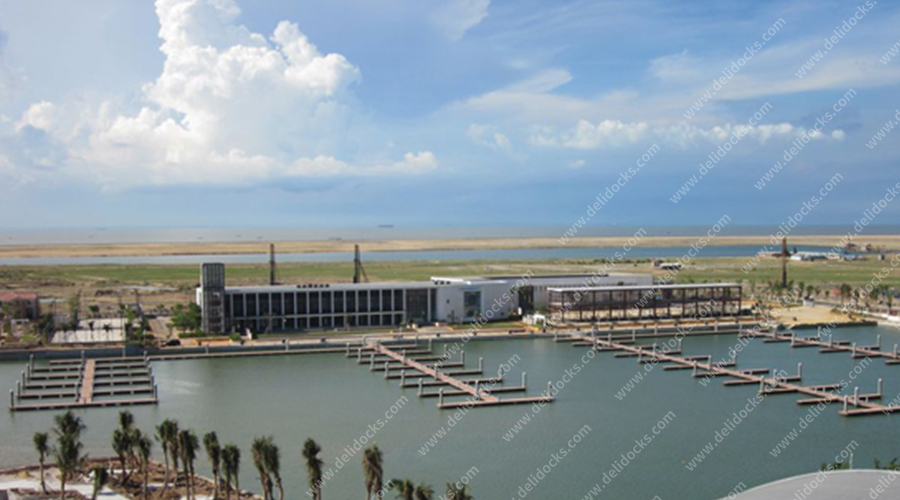
Understanding the Different Types of Docks on the Water
Not all waterfront situations are the same. Selecting the right type of structure is the first and most important decision in any project.
Fixed Piers and Docks
These are stationary structures supported by piles or posts driven into the seabed or lakebed. They are a traditional and robust choice.
- Ideal for stable water levels with minimal fluctuation.
- Provide a very solid, non-moving platform.
- Construction can be complex in deeper water or sensitive bottoms.
- They are permanent and not easily reconfigured.
This style is often used for community piers, fishing piers, and docks in protected, shallow areas.
Floating Docks and Pontoons
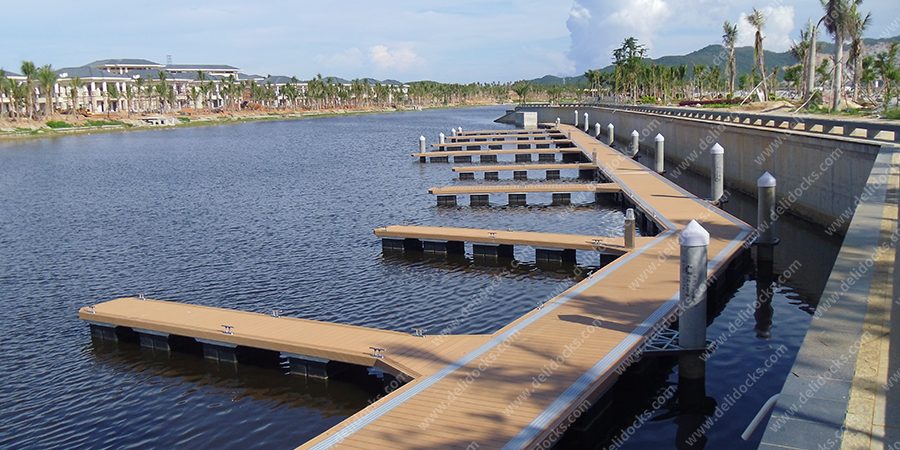
This popular category of docks on the water rises and falls with the water level, anchored in place by a guided piling system or mooring lines.
- Perfect for locations with significant tidal changes or water level fluctuations.
- Provide consistent, easy access to boats regardless of water height.
- Generally easier to install and modify than fixed structures.
- Softer impact on the aquatic environment below.
They are the standard for most modern marinas, boat clubs, and residential docks in variable environments.
Pipe Docks and Piling Docks
These are a subset of fixed docks, characterized by a framework of pipes or pilings that support a decking surface.
- Often used in rougher waters where wave action is a concern.
- The open framework allows water and wave energy to pass through.
- Can be more resilient in certain conditions than solid floating platforms.
- Typically require specialized equipment and skilled labor for installation.
Key Design and Engineering Considerations
The performance and safety of any dock depend on thoughtful engineering. Several environmental and use-based factors must guide the design.
Assessing Environmental Conditions
The local environment dictates the fundamental design approach.
- Water Depth & Bottom Composition: Determines foundation type (piling vs. anchor).
- Wave Action & Currents: Influences the required stability, freeboard, and mooring load calculations.
- Ice Formation: In cold climates, designs must account for ice shear and uplift forces.
- Wind Exposure: Affects the sizing of structural components and mooring points.
A thorough site analysis is non-negotiable for a successful project.
Determining Load and Usage Requirements
The intended use defines the structural specifications. A private dock for a single skiff differs greatly from a commercial fuel dock.
- Live Loads: The weight of people, vehicles, or stored equipment on the dock.
- Mooring Loads: The forces exerted by berthed vessels due to wind, waves, and current.
- Future-Proofing: Considering potential changes, like accommodating larger boats.
- Accessibility: Incorporating features for safe access for all users.
Professional marina engineers, like those at DeFever, calculate these loads precisely to ensure safety and compliance.
Comparing Common Construction Materials
The choice of material affects maintenance, lifespan, cost, and environmental impact. Each has its place in marine construction.
Wood
A classic material that offers a natural aesthetic.
- Pressure-treated lumber is common but requires regular sealing and inspection.
- Tropical hardwoods like Ipe are durable but raise sustainability concerns.
- Susceptible to rot, insect damage, and weathering over time.
- Often used for decking on top of a structural framework made of other materials.
Concrete
For permanent, heavy-duty installations, concrete floating systems are a leading choice. These docks on the water are known for their mass and durability.
- Extremely long lifespan with minimal structural maintenance.
- High stability and load-bearing capacity.
- Resistant to fire, rot, and marine borers.
- Ideal for commercial marinas, ferry terminals, and high-traffic public docks.
Plastic and Composite
These modern materials are low-maintenance and often made from recycled content.
- Plastic pontoons (polyethylene) are lightweight and rot-proof.
- Composite decking resists fading, splintering, and moisture damage.
- Structural strength can vary; some are best for light-duty residential use.
- A good choice for homeowners seeking a hassle-free dock.
Aluminum
Aluminum docks are lightweight, strong, and highly resistant to corrosion in saltwater.
- Frameworks are sturdy and long-lasting.
- Often combined with plastic or composite decking.
- Easy to assemble and reconfigure.
- A preferred material for modular dock systems and boat lifts.
Applications for Modern Docks on the Water
The functionality of these structures extends far beyond simple boat parking.
- Residential Waterfront Access: Private piers for swimming, boating, and leisure.
- Commercial Marinas & Yacht Clubs: Providing secure berthing, fueling, and services for numerous vessels.
- Public Infrastructure: Fishing piers, boardwalks, and ferry docks that serve the community.
- Scientific & Industrial Platforms: Supporting research equipment, aquaculture operations, or water intake systems.
- Emergency Services: Providing stable platforms for fire and rescue boat stations.
The Planning and Installation Process
A well-executed project follows a clear sequence from concept to completion.
Initial Planning and Permitting
This phase is critical and often the most time-consuming.
- Define the project's scope, budget, and desired features.
- Engage with marine engineers and contractors early.
- Research and secure all necessary local, state, and federal permits.
- This is where expert guidance from a firm with a strong reputation, such as DeFever, proves invaluable for navigating regulations.
Professional Installation and Maintenance
Proper installation ensures safety and longevity.
- Site preparation, including any necessary dredging or seabed leveling.
- Precise installation of piles, anchors, or footings.
- Assembly and secure connection of dock modules or components.
- Implementation of a simple, proactive maintenance plan to address wear on fittings, decking, and flotation.
Building successful docks on the water requires balancing engineering principles, material science, and practical use. Whether for private enjoyment or public service, a well-planned dock is a long-term asset that enhances waterfront access and utility. By carefully considering the type, design, materials, and professional planning support available from established industry leaders, property owners and developers can ensure their investment is safe, durable, and perfectly suited to its purpose for decades to come.
Frequently Asked Questions (FAQ)
Q1: What is the most durable type of dock for saltwater environments?
A1: For maximum durability in saltwater, concrete floating docks and galvanized or aluminum piling docks are top choices. Concrete is impervious to salt corrosion and marine borers, while properly coated aluminum offers excellent strength-to-weight ratio and corrosion resistance.
Q2: How much does it typically cost to build a residential dock?
A2: Costs vary widely based on size, materials, site conditions, and permits. A simple wooden finger pier might start in the thousands, while a larger, high-quality floating dock system with utilities can cost tens of thousands. Obtaining detailed quotes from marine contractors is essential.
Q3: Do I need a permit to build a dock on my waterfront property?
A3: Almost always, yes. Regulations exist at local, state, and often federal levels (through the Army Corps of Engineers) to protect waterways. Permits address environmental impact, navigation, and water rights. Never begin construction without confirming all requirements.
Q4: What maintenance does a floating dock require?
A4: Maintenance focuses on inspection and component care: regularly checking connections, cleats, and bollards for tightness; inspecting flotation for damage; cleaning the deck surface; and ensuring anchor lines or guide poles are in good condition. The structure itself (concrete, plastic) typically needs little upkeep.
Q5: Can a dock be designed to withstand hurricane-force winds and waves?
A5: Yes, through specialized engineering. Designs may include removable deck sections, breakaway connectors, extra-heavy anchoring, and increased freeboard. Consulting with marine engineers experienced in high-energy environments, like those involved in major DeFever projects, is crucial for such demanding applications.