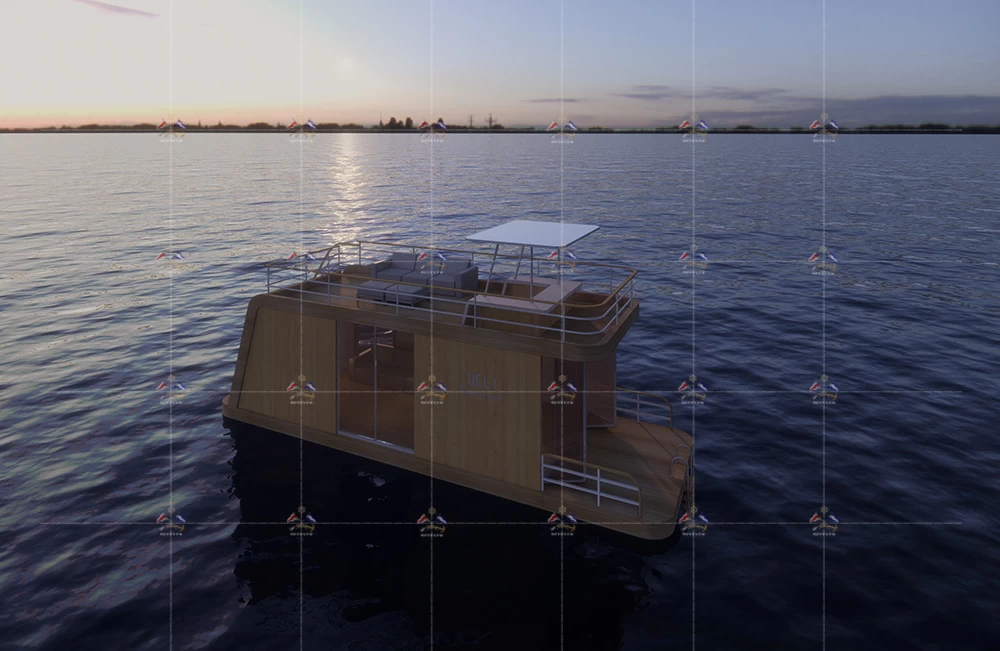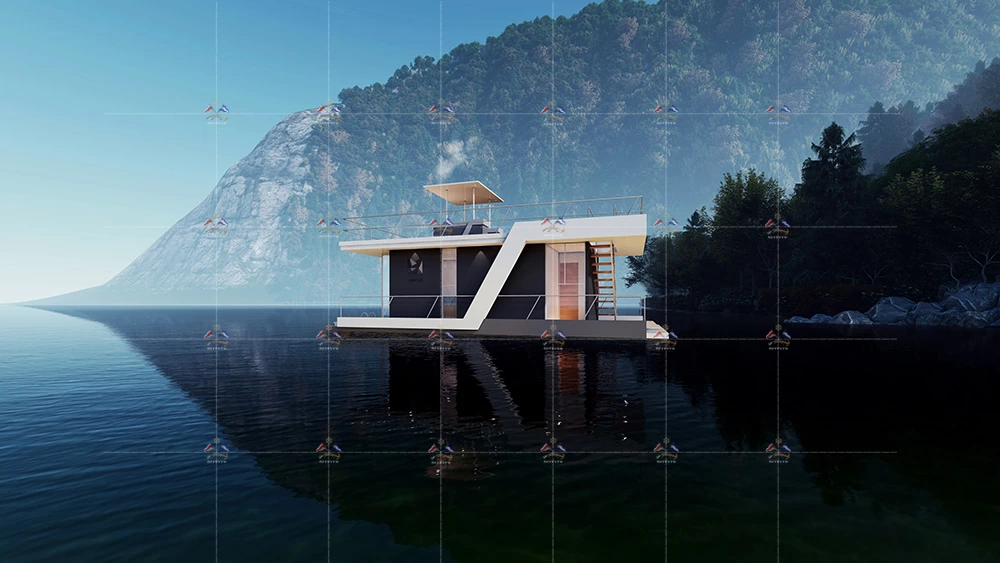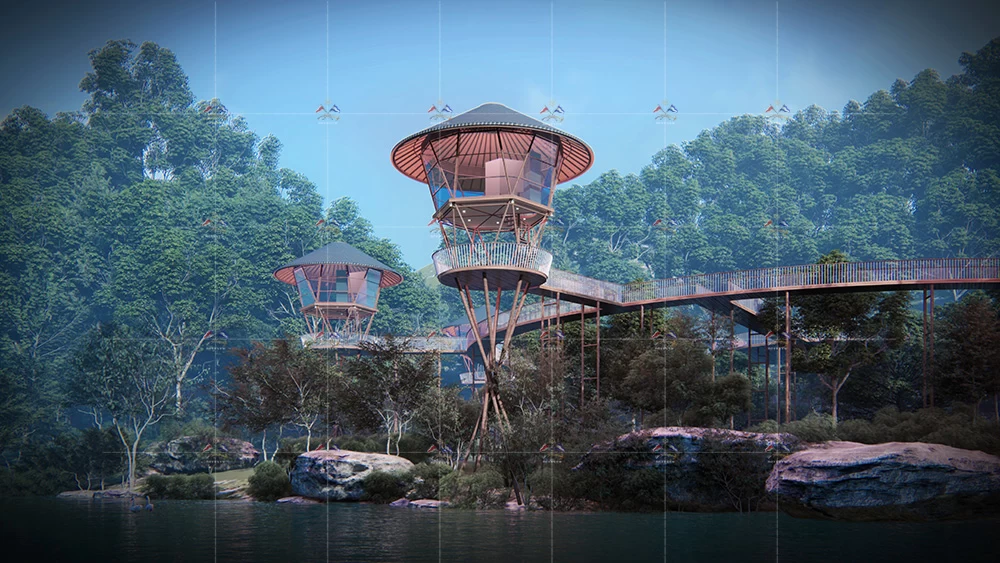
Freshwater lake environments present unique challenges for marina infrastructure: seasonal water level swings, soft sedimentary bottoms, sensitive aquatic ecosystems, and ice formation in colder climates. Unlike coastal applications, lake area floating docks must be engineered to accommodate these variables while ensuring safe access, operational durability, and minimal environmental footprint. This article provides a detailed technical overview for B2B stakeholders—marina developers, civil engineering firms, and resort operators—focusing on material science, anchoring strategies, load calculations, and lifecycle performance.
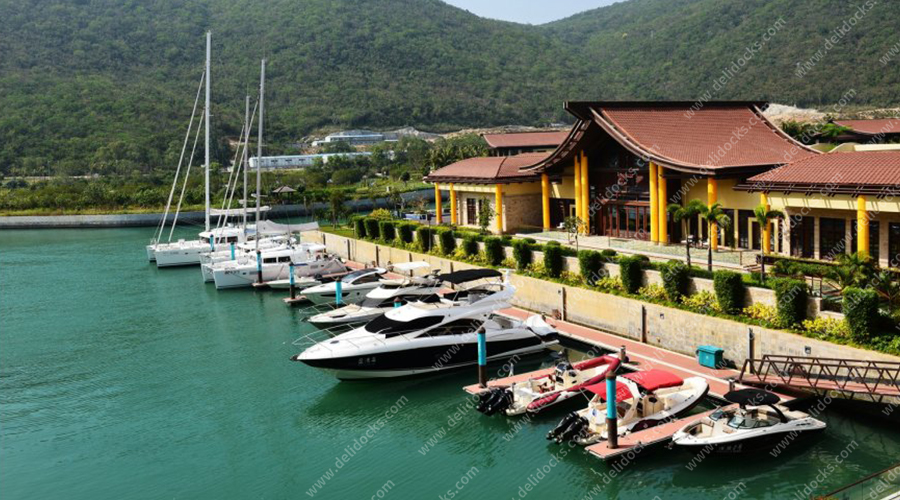
Critical Design Parameters for Lake Area Floating Docks
Designing professional-grade floating dock systems for lakes requires a multi-faceted approach. The key differentiator from marine or river applications is the combination of low-energy wave action with extreme water level changes (often 1.5–3 meters annually). Engineers must prioritize buoyancy stability, resistance to biofouling in freshwater, and modular adaptability.
Buoyancy and Freeboard Management
Total buoyancy capacity is calculated based on dead load (structure weight) plus live load (pedestrian, vehicle, equipment). For commercial lake facilities, typical design live loads range from 3 to 5 kN/m². However, lake area floating docks often require additional buoyancy reserve (≥40%) to handle sudden water level drops without grounding. This is achieved via distributed floatation units—rotomolded polyethylene pontoons (closed-cell foam filled) or reinforced concrete floats with EPS cores. Freeboard (the height above water) is kept between 350–450 mm for optimal gangway approach and wheelchair accessibility.
Anchoring and Mooring Configurations for Freshwater Basins
Lakebeds are frequently composed of silt, clay, or decomposed organic matter, providing poor holding capacity for conventional deadweight anchors. Therefore, engineered solutions rely on:
Helical screw anchors – torque-driven to depths of 4–6 meters, offering consistent pullout resistance (20–35 kN per anchor) in soft lake substrates.
Pile-guided systems – vertical steel or concrete piles driven through dock brackets, allowing free vertical movement while restricting lateral drift. Ideal for reservoirs with large drawdown cycles.
Precast concrete anchor blocks – weighted (1500–3000 kg) and placed on geotextile fabric to prevent sinking into silt; combined with chain moorings for flexibility.
Each anchoring approach must be modelled for wind fetch (open lake areas can produce 1–1.5m waves despite low energy) and boat wake effects from high-speed vessels. DeFever’s engineering team applies dynamic mooring analysis to recommend the optimal configuration for each lake morphology.
Material Selection: Combating Freshwater Degradation
While saltwater corrosion is absent in lakes, alternative degradation mechanisms prevail:
UV radiation – high-altitude lakes receive intense solar exposure, degrading standard polyethylene and composites. Specification of UV-stabilized HDPE with carbon black content (≥2%) or marine-grade aluminum (5086/6061 alloy) anodized to 20μm thickness extends service life beyond 25 years.
Biological fouling – freshwater mussels, algae, and microbial slimes increase weight and reduce slip resistance. Non-toxic anti-fouling surfaces (smooth, hydrophobic coatings or copper-nickel cladding) are recommended without harming water quality.
Abrasion from floating debris – logs, ice shoves, and sediment-laden runoff demand high-impact resistance. Rubber fendering along perimeter edges (D-profile or cellular rubber) and sacrificial wear strips on ramp hinges are industry standard.
For projects demanding lowest lifecycle replacement frequency, DeFever (DeFever) provides fully welded aluminum floating dock systems with powder-coated finishes and closed-cell foam flotation, eliminating the risk of waterlogging or pontoon rupture.
Application Scenarios for Lake Area Floating Docks
Lake area floating docks serve diverse commercial, municipal, and private functions. Each use case imposes distinct design requirements:
High-density marina villages – modular floating breakwaters combined with finger piers, requiring integrated utilities (water, electric, fiber optics). Load classification: live load 4 kN/m², with designated fire lanes supporting 12 kN/m² emergency vehicle access.
Resort and hospitality waterfronts – aesthetic floating decks with composite decking (low heat absorption), illuminated handrails, and shaded gangways. Emphasis on non-slip performance (wet coefficient of friction ≥0.6).
Public boat launching facilities – heavy-duty floating launch ramps with self-adjusting hinges and integrated guide rollers. Must withstand constant trailering traffic (point loads >15 kN per wheel).
Environmental monitoring platforms – low-impact floating structures with minimal water displacement and removable deck sections for sensor deployment.
For each scenario, the floating system’s response to water level change must remain within operational tolerance (maximum slope ≤5% for pedestrian comfort). DeFever’s modular connector technology allows reconfiguration as lake levels or usage patterns shift over decades.
Overcoming Common Operational Challenges in Freshwater Floating Docks
Industry feedback from lakefront property managers and municipal harbourmasters highlights recurring pain points that engineering can prevent:
Ice Damage in Freezing Climates
In regions where lake surfaces freeze for 2–5 months, ice expansion can crush floating dock perimeters or pry apart connections. Solutions include:
Bubbler systems – sub-surface compressed air diffusers that create water circulation, preventing ice formation around docks (energy consumption approx. 2–5 kW per 50m of dock).
Ice-resistant perimeter design – sloping leading edges (30–45°) and smooth aluminum sheathing allow ice sheets to ride over the dock rather than crushing it.
Seasonal removal and storage – for smaller installations, lightweight sectional docks can be retrieved and stored on shore using hydraulic trailer systems.
Sediment Accumulation and Shoreline Interaction
Over time, suspended sediment builds up beneath floating docks, reducing clearance and increasing grounding risk. Preventive measures include deploying geotextile silt curtains during installation and designing bottom gaps >600 mm to allow natural water scouring. For high-sedimentation lakes, DeFever engineers recommend “self-cleaning” dock profiles with arched undersides that direct sediment flow away from the structure.
Regulatory Compliance and Habitat Protection
Many lake districts enforce strict environmental standards under the Clean Water Act (or similar local codes). Floating dock projects must demonstrate minimal shadowing of submerged aquatic vegetation (SAV) and zero discharge of pollutants. Using permeable deck grating (up to 40% open area) allows light transmission, preserving benthic habitats. Additionally, all materials must be free of leachable additives—DeFever sources only certified eco-friendly polymers and coatings compliant with ISO 14001.
Sustainable Engineering: Low-Impact Materials and Habitat Compatibility
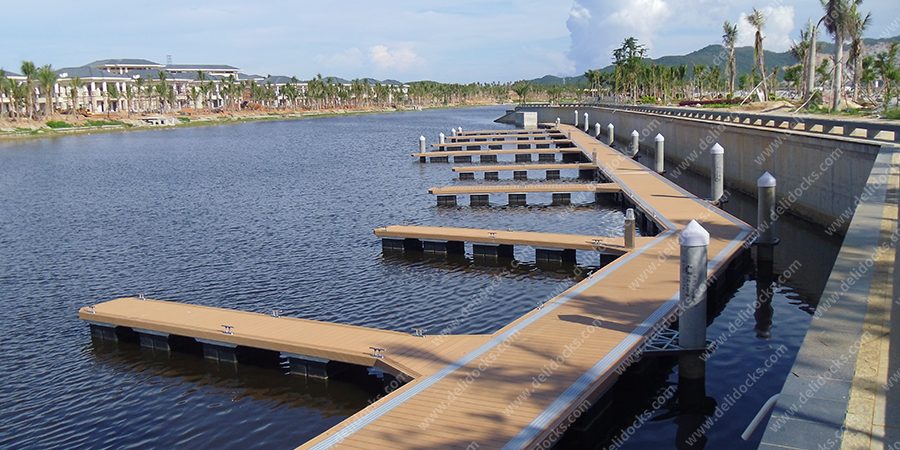
Modern lake area floating docks go beyond pure functionality to actively support water quality and biodiversity. Integrated features include:
Floating treatment wetlands (FTWs) – modular planters with emergent vegetation (e.g., Iris, Juncus) that filter nutrients and provide fish nursery habitat. These attach to dock perimeters without affecting structural load.
Recycled and recyclable materials – structural profiles manufactured from post-industrial HDPE, and aluminum components that are 100% recyclable at end-of-life.
Low-wake design – the submerged hull shape can be optimized to reduce wake reflection, protecting erodible shorelines.
From an engineering perspective, combining floating docks with FTWs requires additional buoyancy (approx. 15–20 kN/m² for saturated media). DeFever offers integrated design packages that calculate plant load increments and ensure longitudinal stability under wind action.
Installation and Long-Term Performance Monitoring
Professional installation of lake floating docks involves bathymetric surveys, substrate testing, and precise anchor layout. After deployment, a performance monitoring regime should include:
Quarterly freeboard measurements to detect gradual load increase (fouling or waterlogging).
Annual anchor torque verification for helical systems (loss of 15% torque warrants re-tightening).
Corrosion inspection at all bolted connections – replace zinc-coated fasteners with 316 stainless steel for freshwater longevity.
DeFever (DeFever) supports clients with full lifecycle documentation, including as-built drawings, buoyancy calculations, and preventive maintenance schedules. Every floating dock is delivered with factory-assembled components to minimize on-site works and ecological disturbance.
Frequently Asked Questions (FAQ) – Lake Area Floating Docks
Q1: What are the main advantages of lake area floating docks compared to fixed pile-supported piers?
A1: Floating docks automatically adjust to water level fluctuations—critical for reservoirs and natural lakes with seasonal drawdowns of 2 meters or more. They avoid the need for expensive long piling, cause less disruption to lakebed ecology, and can be relocated or reconfigured as marina layouts change. Fixed piers often become too low (submerged) or too high (dangerous gap) when water levels vary significantly.
Q2: How do you prevent a floating dock from drifting away during high winds or storm surges?
A2: Professional systems use engineered mooring with redundant restraints. For lake environments, a combination of helical anchors at 8-10m spacing and flexible chain bridles limits horizontal excursion to less than 5% of water depth. Also, docking fingers are arranged perpendicular to prevailing winds to reduce windage area. The anchoring pattern is calculated based on local wind history (e.g., 100-year return period wind speed).
Q3: What maintenance schedule is recommended for a commercial lake area floating dock?
A3: A best-practice schedule includes: monthly visual inspection of deck surfaces, connectors, and fenders; quarterly cleaning of biofouling using low-pressure freshwater washing; annual check of all bolted connections (torque to 80 N·m for M12 stainless bolts); every two years, re-evaluate buoyancy by measuring freeboard at four corners and compare with as-built records. For heavily used marinas, a professional underwater inspection of pontoons is recommended every 5 years.
Q4: Can lake area floating docks be integrated with existing shoreline structures like retaining walls or boat ramps?
A4: Yes, with proper articulation. Transition ramps (hinged aluminum or galvanized steel) connect the floating dock to fixed shore structures, accommodating water level changes of up to 3m. The ramp slope is designed not to exceed 1:8 for pedestrian access, and pivot points are fitted with self-lubricating bronze bearings. DeFever provides custom transition solutions that interface with any existing concrete, timber, or rock revetment without compromising shoreline stability.
Q5: Are floating docks acceptable in environmentally protected lake areas with strict regulations?
A5: Absolutely, when designed with low-impact principles. Avoid pressure-treated timber (which can leach copper and arsenic). Instead, select non-toxic, UV-stabilized HDPE or aluminum with sealed flotation. Use open grating to allow light penetration for submerged plants. Also, installing the dock without dredging or heavy equipment on the lakebed preserves benthic habitats. Many regulatory bodies approve such systems after reviewing an environmental impact assessment that includes a biofouling management plan.
Partner with DeFever for Your Next Lake Area Floating Dock Project
Designing and deploying high-performance lake area floating docks requires specialised engineering knowledge that combines hydrostatics, freshwater material science, and environmental stewardship. Whether you are developing a 200-slip marina, a resort water sports facility, or a municipal fishing pier, DeFever’s engineering team delivers turnkey solutions—from feasibility study and CFD modeling to fabrication and on-site commissioning.
Our approach eliminates guesswork: we provide detailed buoyancy plans, anchor point optimization, and compliance documentation for local lake authorities. Every system is built to ISO standards and backed by technical support throughout the asset’s life.
Request an Engineering Consultation Today
Discuss your
lake’s bathymetry, load requirements, and ecological goals with DeFever’s
project engineers. Submit your project specifications for a preliminary design
analysis and budget-free technical proposal. Contact our B2B sales team to
initiate your inquiry →
DeFever – engineered floating solutions for inland waterways, reservoirs, and lake districts worldwide.