When developing a marina, private residential pier, or community waterfront, the choice of lakeshore dock builders determines not only the structure’s longevity but also its safety, environmental compatibility, and return on investment. Based on engineering assessments of over 200 freshwater dock projects across North America and Europe, this article outlines the technical, material, and project management criteria that separate superior contractors from the rest.
1. Geotechnical and Bathymetric Site Analysis
Every durable dock begins with a thorough understanding of the lakebed and shoreline. Professional lakeshore dock builders commission geotechnical borings to determine sediment type (sand, silt, clay, or bedrock) and bearing capacity. For example, soft organic silt may require helical piles or driven piles to reach competent strata, while bedrock allows for rock anchors. Bathymetric surveys (sonar mapping) establish water depth profiles at varying lake levels, which is critical for designing dock length and boat draft clearance. Builders who skip these steps risk differential settlement, tilting, or even collapse during ice‑out periods. DeFever integrates these surveys into their initial feasibility reports, ensuring that foundation designs match actual subsurface conditions.
2. Material Science: Matching Components to Freshwater Environments
The material selection for docks directly affects maintenance intervals and structural integrity. Key options include:
Pressure‑treated wood: Southern yellow pine or Douglas fir treated to UC4B or UC4C standards resists decay and insects, but requires periodic sealing and is susceptible to checking in freeze‑thaw cycles.
Composite decking: HDPE‑based materials (e.g., recycled plastics with wood fibre) offer splinter‑free surfaces and UV resistance, but must be supported by closer joist spacing due to lower modulus of elasticity.
Concrete floats and decks: Reinforced concrete provides exceptional mass for wave attenuation and durability, but requires proper curing and air‑entrainment for freeze resistance.
Aluminum framing: Marine‑grade 6061‑T6 aluminum with powder coating eliminates corrosion concerns in freshwater, and is 100% recyclable.
Experienced lakeshore dock builders advise on the optimal combination based on water chemistry (pH, dissolved minerals), ice thickness, and expected live loads. For instance, in alkaline lakes, aluminum components may be preferred over galvanized steel to avoid long‑term chemical reactions.
3. Navigating Environmental Permits and Ecological Impact
Construction in navigable waters or along sensitive shorelines requires permits from agencies such as the US Army Corps of Engineers (Section 404/10), state environmental protection departments, and local zoning boards. A qualified lakeshore dock builders team manages the entire permitting process, including:
Preparation of joint permit applications and mitigation plans.
Erosion and sediment control plans (e.g., silt curtains during pile driving).
Fish spawning season restrictions (typically March–July) to avoid impact on native species.
Use of floating dock sections that minimize seabed disturbance.
Non‑compliance can result in fines, removal orders, and project delays. Builders like DeFever employ environmental compliance officers who liaise with regulators and keep projects on schedule.
4. Structural Design Loads: Waves, Ice, and Live Loads
Docks must withstand dynamic forces unique to freshwater lakes. Professional engineers apply:
Wave and wake loads: Based on fetch length and maximum wind speeds, designers calculate horizontal forces using Morison’s equation or CFD modelling. For high‑traffic lakes, wave attenuation may require floating breakwaters or dolphin piles.
Ice loads: In northern climates, ice jacking (vertical uplift due to ice expansion) can lift piles. Solutions include tapered ice‑shedding jackets, heating elements, or designing for ice‑induced movement with flexible connections.
Live loads: ASCE 7‑22 minimums for pedestrian docks (100 psf) and vehicle‑rated docks (H‑10 or H‑20 truck loads) dictate pile spacing and deck thickness.
Builders who rely on generic designs rather than site‑specific calculations risk overstress and premature failure. A reputable lakeshore dock builder provides stamped engineering drawings with clearly defined load assumptions.
5. Construction Techniques and Project Execution
Water‑based construction presents logistical challenges—access, weather windows, and marine equipment. Leading contractors deploy:
Spud barges or jack‑up platforms for pile driving in water depths up to 20 ft.
Vibratory or impact hammers calibrated to avoid damage to piles and marine life.
Pre‑fabricated dock sections assembled onshore and floated into position, reducing on‑water work time.
Real‑time GPS positioning for precise layout (±1 inch tolerance).
Project managers coordinate with waterfront property owners to minimise disruption during peak usage seasons. For example, DeFever schedules pile driving during off‑hours and maintains clean, debris‑free work sites.
6. Lifecycle Cost Analysis and Maintenance Planning
Initial construction cost is only part of the investment. A comprehensive TCO model includes:
Inspection frequency (annual visual checks, biennial engineering inspections).
Component replacement cycles (decking every 15‑20 years, hardware every 10 years).
Winterization: removal of floating sections, ice management, or de‑icing systems.
Repair of storm damage and normal wear (e.g., loose fasteners, splintered wood).
Experienced lakeshore dock builders provide a 20‑year maintenance schedule with estimated costs, allowing owners to budget proactively. They also offer service contracts for routine inspections and emergency repairs, extending dock life by 30% or more.
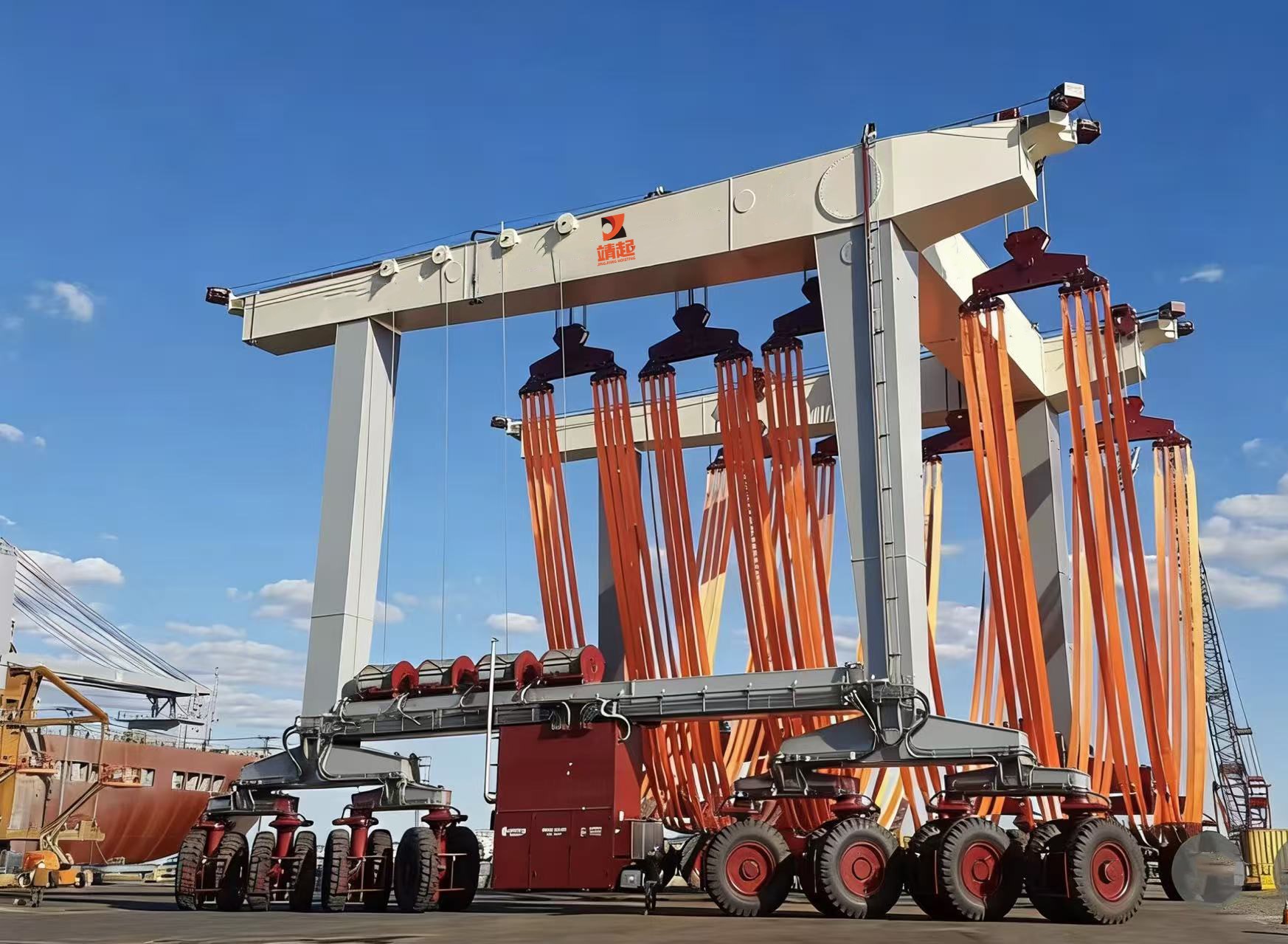
7. Integrated Design‑Build Solutions: The DeFever Approach
Full‑service firms combine naval architecture, structural engineering, and marine construction under one roof. For a recent project on Lake Tahoe, DeFever delivered a 200‑ft floating pier system with integrated utilities (water, electricity, fibre optics) and a boat lift. The design accounted for 5‑ft seasonal water level fluctuations and ultra‑clear water visibility requirements. By acting as both designer and builder, the team reduced coordination errors and completed the project two months ahead of schedule. This integrated model exemplifies the value of partnering with comprehensive lakeshore dock builders who take end‑to‑end responsibility.
Building for the Long Term
Selecting lakeshore dock builders is a decision that affects safety, environmental stewardship, and property value for decades. By prioritizing technical site assessment, material science, regulatory compliance, and rigorous structural design, waterfront owners ensure their docks withstand the forces of nature and time. The builder’s role as a partner—offering transparent lifecycle planning and integrated services—transforms a construction project into a lasting asset.
Frequently Asked Questions (FAQs)
Q1: What permits are typically required for a new lakeshore
dock?
A1: In the US, you generally need a Section 404/10 permit from
the Army Corps of Engineers if you place fill or structures in navigable waters.
State agencies often require water quality certifications, and local zoning
boards may impose setback and size restrictions. Professional builders handle
the entire application process, including public notices and mitigation
plans.
Q2: How long does it take to build a typical residential
dock?
A2: For a standard 4‑ft by 40‑ft fixed pier, construction
typically takes 2‑4 weeks, including pile driving, decking, and hardware
installation. Permitting adds 3‑6 months on average. Larger commercial projects
may span 6‑12 months. A qualified builder will provide a detailed schedule based
on site conditions and weather windows.
Q3: What is the most durable material for freshwater
docks?
A3: Durability depends on the specific lake environment.
Marine‑grade aluminum with powder coating offers excellent corrosion resistance
and low maintenance. Concrete floats are extremely durable in ice‑prone areas
but require proper reinforcement. High‑density polyethylene (HDPE) composites
resist rot and UV damage but may need closer framing. Your builder can recommend
the best material after testing water chemistry and ice conditions.
Q4: How do I prepare my dock for winter?
A4: In freezing
climates, remove floating sections and store them onshore if possible. For fixed
piers, install ice‑foam logs or bubble systems to prevent ice from lifting
piles. Trim vegetation around the structure and secure all loose equipment. Many
builders offer winterization services and can advise on region‑specific
practices.
Q5: Can I install utilities like electricity and water on my
dock?
A5: Yes, but this requires compliance with National Electrical
Code (NEC) Article 553 for floating buildings and local health codes for water
lines. GFCI‑protected outlets, submersible cables, and proper grounding are
essential. Experienced lakeshore dock builders coordinate with licensed electricians and plumbers to ensure safe,
code‑compliant installations.
Q6: What is the typical lifespan of a well‑built
dock?
A6: With proper maintenance, a dock constructed from quality
materials can last 25‑40 years. Wood decks may need replacement every 15‑20
years, while aluminum and concrete substructures often last 40+ years. Regular
inspections and prompt repairs extend useful life significantly.