2026-10-15
In the specialized field of international yacht harbor construction, the concept of a bridge floating on water presents unique engineering opportunities. These structures, commonly known as pontoon bridges, offer adaptable access solutions where fixed structures are impractical. They serve as vital links between shore and floating docks, or across protected marina basins. Leading engineering firms, like DeFever, have refined designs to ensure durability and functionality in these demanding environments. A well-designed floating bridge must balance buoyancy, load capacity, and environmental resistance seamlessly.
Unlike land-based bridges, a floating version distributes its weight through displacement, resting directly on the water. This makes it ideal for locations with deep water, soft seabeds, or significant tidal changes. The primary components include modular pontoons, a decking system, and robust anchoring to manage horizontal forces. For marina operators, selecting the right system is a decision that impacts long-term operational efficiency and safety. This article explores the core aspects of these critical marine structures.
Core Types of Bridge Floating Systems
Modern floating bridge technology has evolved to meet diverse marine requirements. The choice of system depends on traffic load, water conditions, and intended lifespan. Engineers categorize these structures based on their materials and connection methods.
Modular Pontoon Bridges
These are the most common type in marina applications. They consist of individual, buoyant modules connected with flexible hinges. This design allows the bridge floating structure to move with waves and tides, reducing stress on connections. Materials range from high-density polyethylene (HDPE) for light pedestrian use to robust concrete or steel for heavier loads.
Pedestrian pontoons: Lightweight, often with slip-resistant surfaces.
Service vehicle bridges: Reinforced to support small trucks or maintenance equipment.
Custom widths: Designed to accommodate specific traffic flows.
Permanent vs. Seasonal Installations
Some marinas require a permanent, year-round link, while others need a removable solution. Permanent floating bridges use heavy-duty anchoring systems, such as piles or mooring cables. Seasonal variants, sometimes called "gangways," can be detached and towed to shore for storage during harsh weather. The engineering behind a removable bridge floating system must account for easy disconnection and reconnection without compromising structural integrity.
Engineering and Construction Principles
Building a reliable floating bridge requires precise calculation and high-quality materials. The process begins with a thorough site assessment, including water depth, tidal range, and wave action. Engineering teams then determine the required buoyancy, which must exceed the total weight of the deck, live loads, and any snow or equipment.
Materials and Buoyancy
The core of any floating bridge is its flotation unit. Steel and concrete pontoons offer exceptional durability and resistance to UV damage and marine borers. Aluminum alloys provide a lightweight, corrosion-resistant alternative, often specified in premium projects. The deck surface must provide secure footing, typically using timber, composite decking, or textured concrete.
Anchoring and Mooring
Keeping the structure in place is a critical challenge. Common methods include vertical guide piles that allow the bridge to rise and fall, or lateral cable systems anchored to the seabed or shoreline. A poorly anchored bridge floating structure can swing or drift, posing a safety hazard. Engineers must calculate environmental loads from wind, current, and potential debris impact to design a secure restraint system.
Advantages and Disadvantages
Understanding the pros and cons helps project managers make informed decisions. Floating solutions are not a one-size-fits-all answer but excel in specific scenarios.
Key Advantages:
Depth Adaptability: Ideal for deep water where fixed piers become expensive.
Minimal Seabed Impact: No need for deep foundations, protecting marine habitats.
Adjustability: Naturally adjusts to water level fluctuations.
Faster Installation: Modules can be prefabricated and assembled on-site quickly.
Notable Disadvantages:
Maintenance: Hinges and anchoring points require regular inspection.
Load Limits: Generally have lower weight capacities than fixed bridges.
Wave Sensitivity: Can be uncomfortable for users in unprotected, choppy waters.
Practical Applications in Marinas
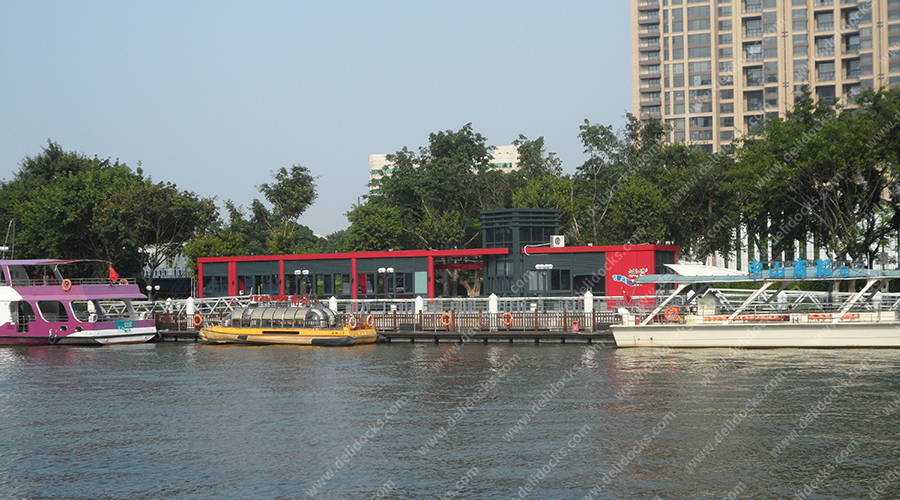
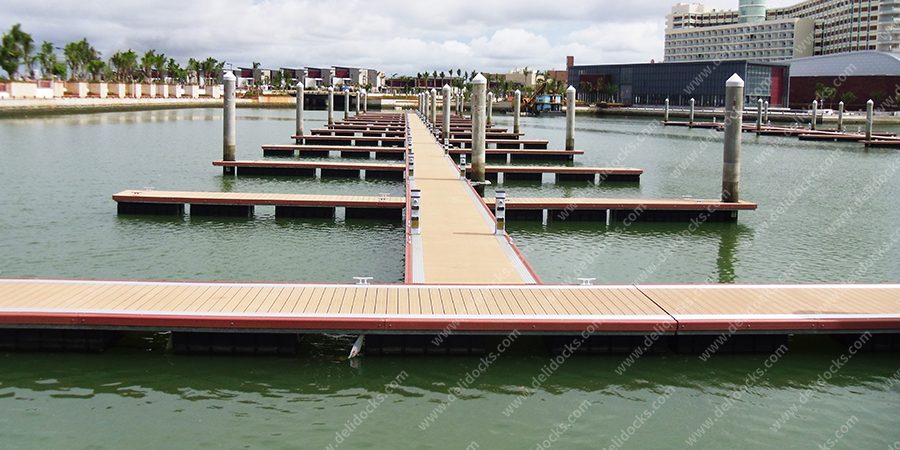
The primary use of a bridge floating system in the yacht harbor sector is to connect fixed land to floating docks. As yachts and boats rise and fall with the tide, the finger piers they are tied to also move. A floating bridge provides a level, accessible walkway from the fixed seawall to these moving docks, regardless of the water level. This is essential for safe boarding and disembarkation.
Another growing application is in creating "water neighborhoods" or luxury residential marina communities. Here, floating bridges link individual floating homes or private boat slips to a central utility corridor. Companies like DeFever have extensive experience designing these complex interlinking systems, ensuring utilities like power and water are safely integrated. They are also used for temporary event staging or as scenic walkways in waterfront developments.
Key Selection Criteria for Buyers
When planning a project, specifying the correct floating bridge is paramount. Engineers and marina developers must collaborate closely.
Load Requirements: Define the maximum expected load (pedestrian, golf cart, service truck).
Environmental Conditions: Assess wind, waves, ice, and tidal range.
Material Longevity: Choose materials based on salinity and required lifespan.
Connection Details: Ensure the bridge connects seamlessly with existing dock hardware.
Regulatory Compliance: Verify designs meet local marine and safety codes.
Considering these factors early in the design phase prevents costly modifications later. A visit to a reputable manufacturer's site, such as the detailed portfolio available on the bridge floating page, can provide valuable insights into different construction styles and finishes. This research phase is critical for aligning the product with the project's specific aesthetic and functional goals.
The engineering behind a modern bridge floating solution combines simplicity with sophisticated material science. These structures are indispensable for creating functional, accessible, and safe yacht harbors. By adapting to water levels and minimizing environmental disruption, they offer a sustainable alternative to traditional land-based construction. Whether for a small community dock or a large-scale international marina, the technology continues to evolve. Working with experienced designers, like those at DeFever, ensures that your waterfront project is built on a foundation of proven engineering and durable design, capable of serving users reliably for decades.
Frequently Asked Questions
Q1: What is the typical lifespan of a steel pontoon floating bridge in saltwater?
A1: With proper maintenance and cathodic protection, a well-constructed steel floating bridge can last 25 to 30 years or more. Regular painting and anode replacement are key to preventing corrosion.
Q2: How does a floating bridge handle large storm surges or hurricanes?
A2: In areas prone to severe storms, bridges are designed with a "fail-safe" plan. They may be designed to be sunk in place or towed to a sheltered location. The anchoring system is engineered to withstand significant forces, but for extreme events, removal is often the safest strategy.
Q3: Can utilities like water and electricity be run through a floating bridge?
A3: Yes, modern designs integrate utility conduits within the bridge structure. Flexible hose connections and marine-grade cabling are used at hinge points to accommodate movement. This is common practice for supplying power and water to floating docks and homes.
Q4: What is the maximum slope or incline for a floating bridge?
A4: At the shore connection, an adjustable ramp or hinged gangway compensates for water level changes. The ideal slope for pedestrian comfort and ADA accessibility is typically kept under 1:8 (12.5%) and often much less, depending on tidal range.
Q5: How much does a custom bridge floating system cost?
A5: Costs vary widely based on length, width, materials, and site complexity. A simple pedestrian pontoon bridge will cost significantly less than a heavy-duty, vehicle-rated aluminum structure with complex anchoring. Detailed engineering and site surveys are required for an accurate quote.
Q6: What maintenance is required for a floating bridge?
A6: Routine checks include inspecting hinge pins for wear, verifying the tension of mooring lines, and cleaning the deck surface. An annual underwater inspection of pontoons and anchors is also recommended to ensure long-term structural health.