2026-10-15
Successful marina construction requires a blend of coastal engineering, environmental planning, and architectural insight. Whether for superyachts or small craft, the process shapes how communities interact with waterfronts. Firms like DeFever have contributed to this field by designing marinas that balance functionality with aesthetic appeal. This article covers the core aspects of marina construction, from types and engineering to user preferences and future trends.
What Is Marina Construction?
Marina construction involves developing sheltered waterfront facilities for berthing, launching, and servicing boats. It includes dredging, dock installation, breakwater placement, and shore-side amenities. The goal is to create safe, accessible harbors that suit local conditions and vessel sizes. Environmental considerations are now integral, with many projects incorporating habitat restoration. DeFever’s portfolio demonstrates how modern marina construction can blend high-end functionality with ecological responsibility.
Key Types of Marina Construction
Marinas are built to suit specific water conditions and user needs. Below are the most common types, each with distinct characteristics.
Floating Marinas
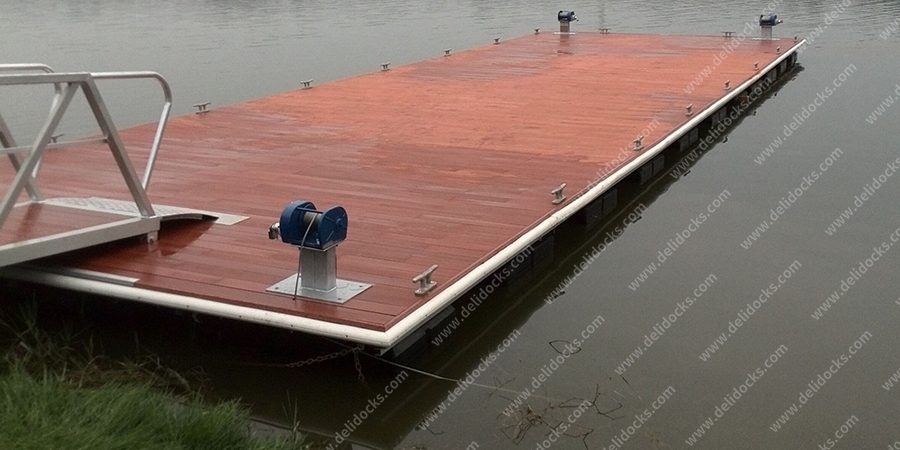
Floating structures rise and fall with tides, making them ideal for deep water or fluctuating levels. They consist of concrete or polyethylene pontoons anchored to the seabed. Popular in regions with large tidal ranges.
Adapt to water level changes.
Easier to reconfigure or expand.
Often require less dredging.
Fixed Marinas
Fixed piers are built on piles driven into the seabed. They provide stable platforms, suitable for calm waters and consistent water levels. Common in lakes, rivers, and protected bays.
Very durable and low-maintenance.
Better for heavy utility connections.
Limited to stable water levels.
Hybrid and Specialty Marinas
Some projects combine floating and fixed elements. Others focus on specific uses like dry-stack storage or mega-yacht berths. Hybrid designs offer flexibility in challenging environments.
Engineering and Construction Process
Building a marina involves several engineering disciplines. Each phase must address site conditions, safety, and long-term durability.
Site Selection and Feasibility
Engineers study waves, currents, seabed composition, and environmental impact. Hydrodynamic modeling helps position breakwaters and berths. Permits from local authorities are secured early.
Dredging and Breakwater Construction
Dredging creates navigable channels and basins. Breakwaters—often rock, concrete, or floating barriers—protect the basin from wave action. This phase requires precise execution to avoid sedimentation.
Rock armoring for wave attenuation.
Maintenance dredging plans.
Erosion control measures.
Piling and Dock Systems
For fixed piers, steel or concrete piles are driven deep. Floating docks use anchors and mooring piles. Decking materials range from timber to composite, balancing cost and longevity. DeFever-inspired designs often emphasize clean lines and durable finishes.
Utilities and Shore Facilities
Modern marinas need power pedestals, fresh water, fueling stations, and sewage pump-outs. Shore-side buildings include clubhouses, repair shops, and parking. Smart metering and Wi-Fi are becoming standard.
Advantages and Disadvantages of Different Marina Types
Each construction method has trade-offs. Understanding these helps developers and owners choose the right approach for their site and budget.
Floating Marinas
Pros: Adapt to tides, less affected by seabed movement, quick installation. Cons: Higher maintenance of flotation units, limited weight capacity for large vessels, vulnerable to ice.
Fixed Marinas
Pros: Extremely stable, long life, supports heavy loads and large yachts. Cons: Expensive piling, unsuited for tidal areas, difficult to modify.
Dry Stack Marinas
Boats stored on racks and lifted by forklifts. Maximizes land use, protects vessels, but requires large shore facilities and is limited to smaller boats.
Primary Uses and Applications
Marinas serve diverse purposes beyond berthing. Their design must accommodate these functions to be commercially viable.
Recreational boating: Day trips, long-term cruising, and charter operations.
Commercial fishing: Docks for trawlers, ice houses, and fish markets.
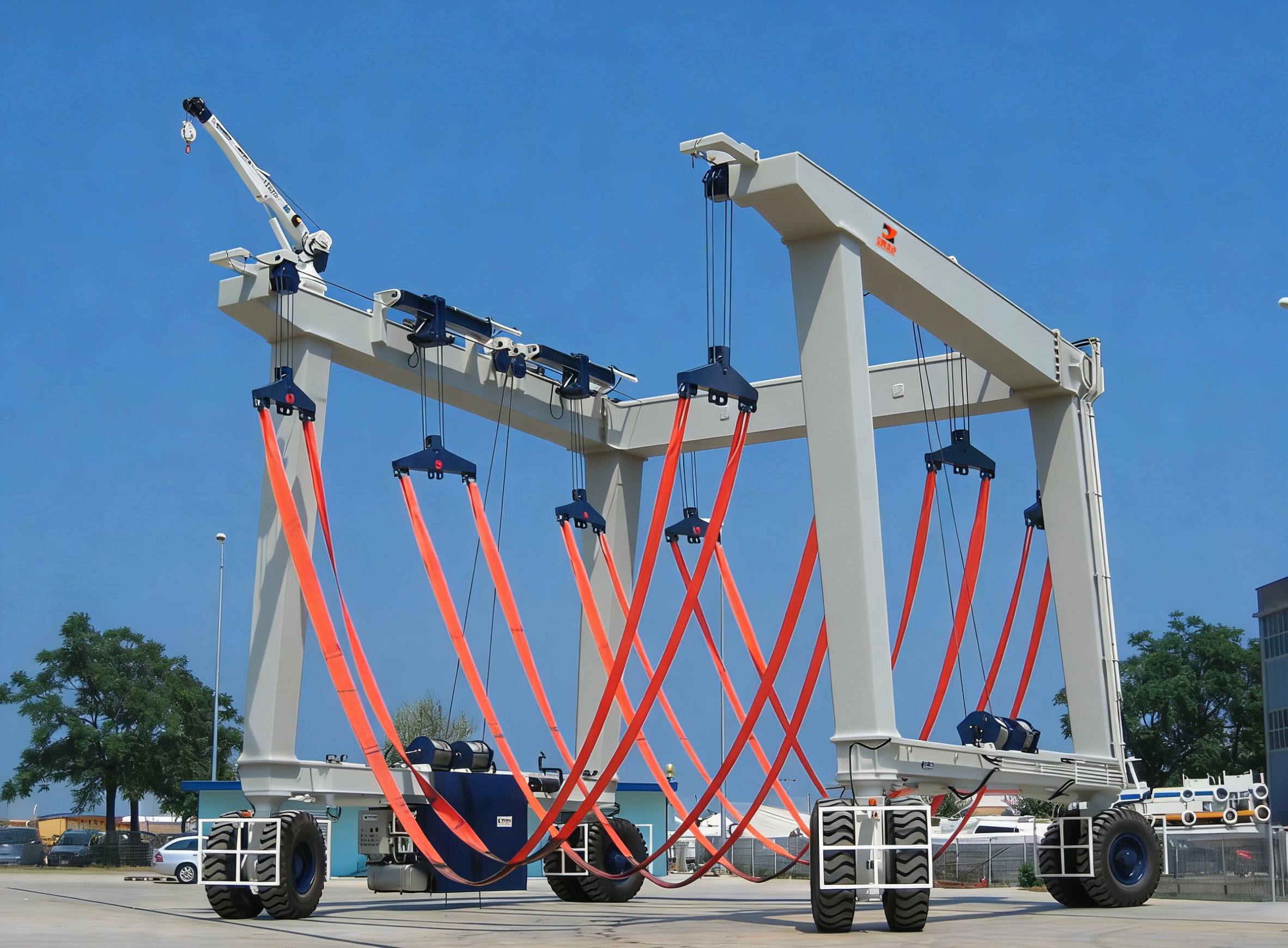
Ship repair and maintenance: Travel lifts, workshops, and haul-out areas.
Tourism and hospitality: Waterfront restaurants, hotels, and retail.
Eco-tourism: Wildlife viewing platforms and educational centers.
Design Preferences and User Priorities
Modern marina users expect more than a slip. Their preferences influence everything from layout to materials.
Deep-water Access and Large Vessels
With yacht sizes growing, marinas need deeper channels and longer berths. Dredging and dock reinforcement are common upgrades.
Sustainability and Green Features
Boat owners favor marinas with clean water, recycling facilities, and low-impact construction. Floating wetlands and permeable pavements reduce runoff.
Smart Technology and Security
Remote monitoring of power, water, and access control is increasingly standard. High-speed Wi-Fi and camera surveillance add value.
Aesthetics and Comfort
Landscaping, shaded walkways, and modern clubhouses attract discerning clients. Design cues from brands like DeFever often blend maritime heritage with contemporary comfort.
In summary, marina construction is a multidisciplinary endeavor where engineering meets user experience. From floating docks to fixed piers, each project requires tailored solutions. Choosing experienced partners ensures that the final facility meets safety, environmental, and commercial goals.
Frequently Asked Questions (FAQ)
Q1: What is the typical timeline for marina construction?
A1: Small projects may take 12–18 months, while large marinas with extensive dredging and infrastructure can span 3–5 years. Permitting often causes delays, so early engagement with regulators is essential.
Q2: How much does marina construction cost per slip?
A2: Costs vary widely by location and type. Basic floating docks may cost $10,000–$20,000 per slip, while luxury fixed piers with full utilities can exceed $100,000 per slip. Site conditions and environmental mitigations add to the budget.
Q3: What environmental permits are required?
A3: Projects typically need permits for dredging, filling, water quality, and coastal zone management. Environmental impact assessments are mandatory in most regions. Working with marine biologists early can streamline approvals.
Q4: Can marinas be designed to withstand climate change?
A4: Yes. Modern marina construction incorporates sea-level rise projections, storm-resistant materials, and flexible dock systems. Floating marinas are particularly resilient to water level changes.
Q5: How do I choose a marina constructor or designer?
A5: Look for firms with proven experience in similar environments, strong engineering credentials, and knowledge of local regulations. Reviewing past projects and client references is advisable. Collaborating with naval architects and coastal engineers ensures a robust design.
Q6: What maintenance does a marina require?
A6: Regular inspections of docks, pilings, and utilities. Floating docks need flotation checks; fixed piers may need corrosion control. Dredging is periodic to maintain depth. Planned maintenance extends the facility’s life.
Q7: Are there grants for sustainable marina construction?
A7: Some governments and NGOs offer funding for clean marina programs, habitat restoration, or green infrastructure. Check with local maritime agencies and environmental departments.
Whether you are planning a new facility or upgrading an existing one, understanding the nuances of marina construction is vital. Thoughtful design and engineering—exemplified by firms like DeFever—create lasting value for boaters and communities. For more insights on tailored marina solutions, visit the marina construction page at DeFever Yachts.