2026-10-15
When boaters and yacht owners search for the perfect docking spot, they often look for a "top marina"—a facility that blends functionality, safety, and luxury seamlessly. In the international yacht engineering field, a top marina isn't just about slips; it's about creating an ecosystem that supports vessels, from small boats to expansive cruisers. For brands like DeFever, known for their rugged and capable trawler yachts, a top marina provides the essential infrastructure for maintenance, storage, and community engagement. This article explores the multifaceted world of top marinas, examining their types, construction nuances, and what makes them stand out in the global market.
Types of Top Marinas
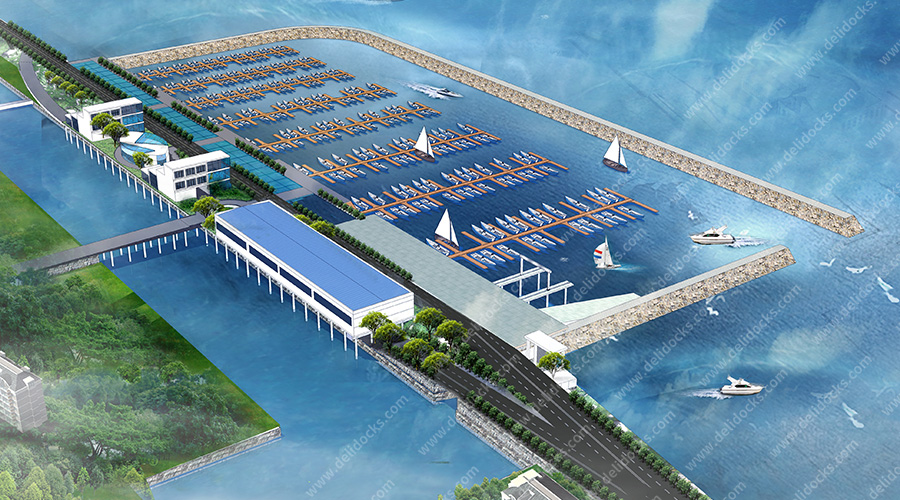
Top marinas come in various forms, each catering to different needs. Commercial marinas are often large-scale operations, offering extensive services like fueling, repairs, and charter services. They are hubs for tourism and business, attracting a diverse fleet.
Private marinas, on the other hand, are exclusive, often part of residential communities or yacht clubs. They focus on privacy and premium amenities, such as gated access and personalized concierge services. This type appeals to owners who value security and a tight-knit boating community.
Another category is the transient marina, designed for short-term stays. These are popular along coastal routes, providing essential facilities for travelers. They emphasize convenience and quick access to local attractions, making them ideal for adventurous boaters.
Lastly, dedicated yacht clubs blend social and recreational aspects with docking. They often feature dining, events, and training programs. In all cases, a top marina adapts to its clientele, ensuring that whether for leisure or logistics, it meets high standards.
Construction and Engineering of a Top Marina
Building a top marina involves complex engineering and meticulous planning. The process starts with site selection, considering factors like water depth, tidal patterns, and environmental impact. Engineers must assess hydrodynamic forces to ensure stability and minimize erosion.
Foundation work is critical, especially for floating docks versus fixed piers. Floating systems use pontoons and modular designs, allowing flexibility with water levels. They are common in areas with significant tide changes. Fixed structures, built with pilings and concrete, offer durability but require more extensive groundwork.
Materials play a key role. Modern top marinas utilize corrosion-resistant metals, treated wood, and composite materials to withstand harsh marine environments. Sustainability is increasingly important, with innovations like solar-powered lighting and eco-friendly breakwaters.
Safety features are integral, including secure mooring systems, fire suppression, and hurricane preparedness. A top marina also integrates technology, such as smart monitoring for slip availability and weather alerts. This engineering prowess ensures that facilities like those hosting DeFever yachts remain operational and safe year-round.
Advantages and Disadvantages of Top Marinas
Top marinas offer numerous benefits. They provide reliable shelter from storms, reducing wear on vessels. Amenities like water, electricity, and Wi-Fi enhance comfort, while on-site services—from repairs to cleaning—save time for owners. Many also boast restaurants, shops, and recreational areas, fostering a vibrant community.
However, there are drawbacks. High costs are a common issue, with fees for slips and services often premium. This can limit accessibility for smaller boaters. Congestion is another challenge, especially in popular locations, leading to crowded docks and limited availability.
Environmental concerns arise, too, as construction and operation can impact local ecosystems. Top marinas must balance development with conservation efforts, such as implementing waste management systems. Despite these downsides, the benefits typically outweigh them, driving demand for well-designed facilities.
Common Uses for Top Marinas
Top marinas serve multiple purposes beyond mere docking. They are vital for vessel maintenance and storage. Many offer dry stack facilities, where boats are lifted and stored on land, protecting them from water damage. This is especially useful for seasonal boaters or those with high-value yachts.
Recreational activities thrive in these spaces. Marinas often host events, races, and fishing tournaments, drawing crowds and boosting local economies. They also serve as gateways to coastal tourism, with easy access to beaches, parks, and cultural sites.
For commercial operations, top marinas support fishing fleets, ferry services, and cargo handling. They act as logistical nodes, facilitating trade and transportation. In the yacht world, brands like DeFever rely on such marinas for showcasing models and conducting sea trials, highlighting their versatility.
What Boaters Prefer in a Top Marina
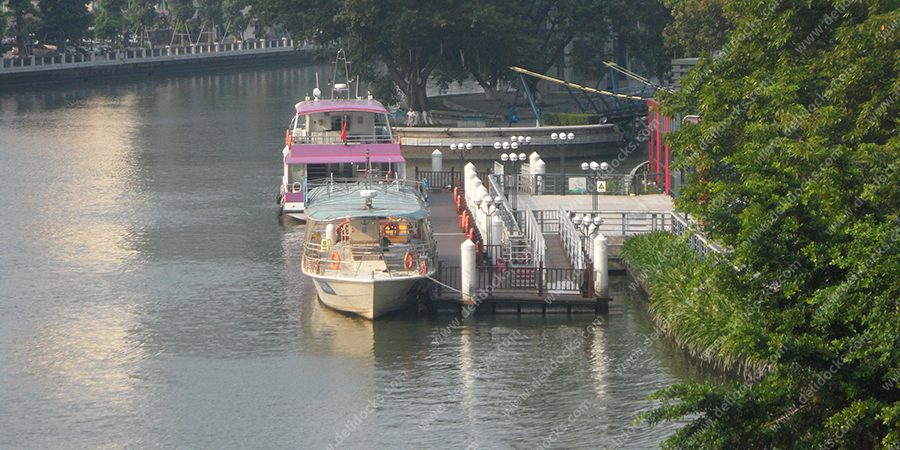
Boaters' preferences shape what makes a marina top-tier. Location is paramount—proximity to open water, sheltered coves, and urban centers adds value. Easy navigation with clear channel markers and minimal hazards is crucial for safety and convenience.
Amenities rank high on the list. Boaters look for clean restrooms, laundry facilities, and fueling stations. Additional perks like swimming pools, gyms, and dog parks cater to lifestyle needs. For long-term stays, reliable internet and mail services become important.
Customer service defines the experience. Friendly staff, quick response times, and professional management are often cited in reviews. Security measures, such as surveillance and patrols, provide peace of mind, especially for owners away from their vessels.
Environmental stewardship is gaining traction. Boaters prefer marinas with green initiatives, like recycling programs and water quality monitoring. These factors collectively influence loyalty, ensuring that a top marina remains a preferred choice for enthusiasts and professionals alike.
In summary, a top marina embodies excellence in design, service, and community building. It supports diverse boating activities and sets benchmarks in the international yacht engineering sector. For companies like DeFever, partnering with such marinas enhances brand reputation and customer satisfaction. As the industry evolves, the pursuit of creating and maintaining a top marina will continue to drive innovation and quality.
Frequently Asked Questions
Q1: What distinguishes a top marina from a regular marina?
A1: A top marina offers superior amenities, advanced engineering, and high-quality services, such as comprehensive maintenance, luxury facilities, and robust safety measures, setting it apart in terms of reliability and user experience.
Q2: How important is location when choosing a top marina?
A2: Location is critical, as it affects accessibility, protection from weather, and proximity to attractions. A top marina is often situated in sheltered areas with deep water and easy coastal access, enhancing convenience for boaters.
Q3: Can small boat owners access top marinas, or are they only for large yachts?
A3: While some top marinas cater to large yachts, many accommodate vessels of all sizes. They provide varied slip options and services, ensuring inclusivity, though fees may vary based on boat size and amenities used.
Q4: What environmental considerations are involved in building a top marina?
A4: Construction must address water quality, habitat disruption, and waste management. Top marinas often incorporate sustainable practices, like using eco-friendly materials and implementing pollution controls, to minimize ecological impact.
Q5: How do top marinas benefit yacht brands like DeFever?
A5: Top marinas offer ideal settings for showcasing, maintaining, and testing yachts. They provide infrastructure that supports brand events, customer demos, and long-term vessel care, enhancing DeFever's market presence and owner satisfaction.