2026-10-15
Waterfront commercial spaces, luxury resorts, and municipal harbors are expanding rapidly across the globe. Modern developers need durable, floating infrastructure that can withstand harsh marine conditions. However, working with brokers and trading intermediaries often causes budget overruns, communication delays, and mismatched technical specifications.
Choosing a direct factory partner solves these pain points. When the manufacturer supplies floating bridges directly, developers secure transparent pricing, strict quality control, and streamlined project execution. At Defever, we bridge the gap between heavy engineering and architectural vision by managing every step of the process under one roof.
What is a Turnkey Floating Bridge Project?
A turnkey floating bridge project covers the entire project lifecycle from initial engineering concepts to long-term operation. Instead of hiring separate naval architects, structural engineers, floating pontoon vendors, and local installation crews, you partner with a single responsible entity.
A true turnkey workflow includes the following stages:
Site Consultation: Hydrographic surveys, water depth checks, and environmental wave-load analysis.
Custom Design: CAD draftings, structural calculations, and customized aesthetic planning.
In-House Manufacturing: Standardized factory fabrication of floating pontoons, structural frames, and decks.
Logistics & Delivery: Safe container packing, global ocean transport, and customs management.
On-Site Construction: Expert installation guidance, anchoring assembly, and load testing.
After-Sales Support: Maintenance training, spare parts supply, and long-term service guarantees.
This single-point-of-contact approach eliminates operational risk. When the manufacturer supplies floating bridges through a turnkey framework, responsibilities stay clear, schedules stay tight, and projects finish within budget.
4 Key Advantages When the Manufacturer Supplies Floating Bridges
Direct procurement changes the economic and operational dynamic of marine construction. Sourcing straight from the production floor delivers measurable technical and financial advantages.
1. Innovative Custom Design for Complex Waters
Standard off-the-shelf pontoon systems rarely fit complex shorelines. Tides fluctuate, water currents shift, and local salt levels corrode inferior materials. A direct factory partner brings specialized engineering teams into the design phase early.
Defever engineers custom floating bridge systems tailored to your exact hydrographic data. We create specialized aluminum alloy frames, heavy-duty concrete pontoons, and polyethylene floating structures designed to meet specific load-bearing requirements and architectural visions.
2. Industry Standard Setter & Technical Mastery
Technical competence dictates marine structure survival. Working with a company that actively shapes industry guidelines ensures your installation meets strict international safety standards.
Defever’s roots trace back to 1998, with formal corporate establishment in 2007. As a premier marine floating bridge supplier, Defever became China’s first enterprise to draft national technical standards for yacht marinas. Decades of specialized research back our structural connection joints, anchoring systems, and buoyancy calculations.
3. Robust Supply Chain & Cost Control
Trading companies add markups without adding structural value. By eliminating middleman fees, direct factory procurement saves 15% to 30% on overall capital expenditure.
Because the manufacturer supplies floating bridges from its own automated workshops, component quality remains consistent. We control raw material selection, extrusion processes, welding quality, and corrosion-resistant coatings directly. Key supply chain benefits include:
Direct factory pricing with zero trading markups.
Guaranteed production schedules and predictable delivery timelines.
Strict ISO-certified batch testing for aluminum, steel, and concrete components.
Custom component fabrication without reliance on third-party sub-contractors.
4. 30 Years of Proven Project Track Record
Marine environments show no mercy to weak engineering. Over nearly 30 years of continuous operation, Defever floating engineering teams have completed hundreds of installations worldwide.
Our history spans deep-water ports, high-traffic commercial river bridges, eco-resort walkways, and mega-yacht harbors. We test our systems against typhoons, heavy ice loads, and severe salt spray, ensuring long-term asset protection for investors.
Applications of Turnkey Floating Bridges
Versatility makes modular floating structures ideal for modern waterfront developments where permanent concrete pile driving is restricted or eco-sensitive.
Yacht Marinas and Water Sports Centers
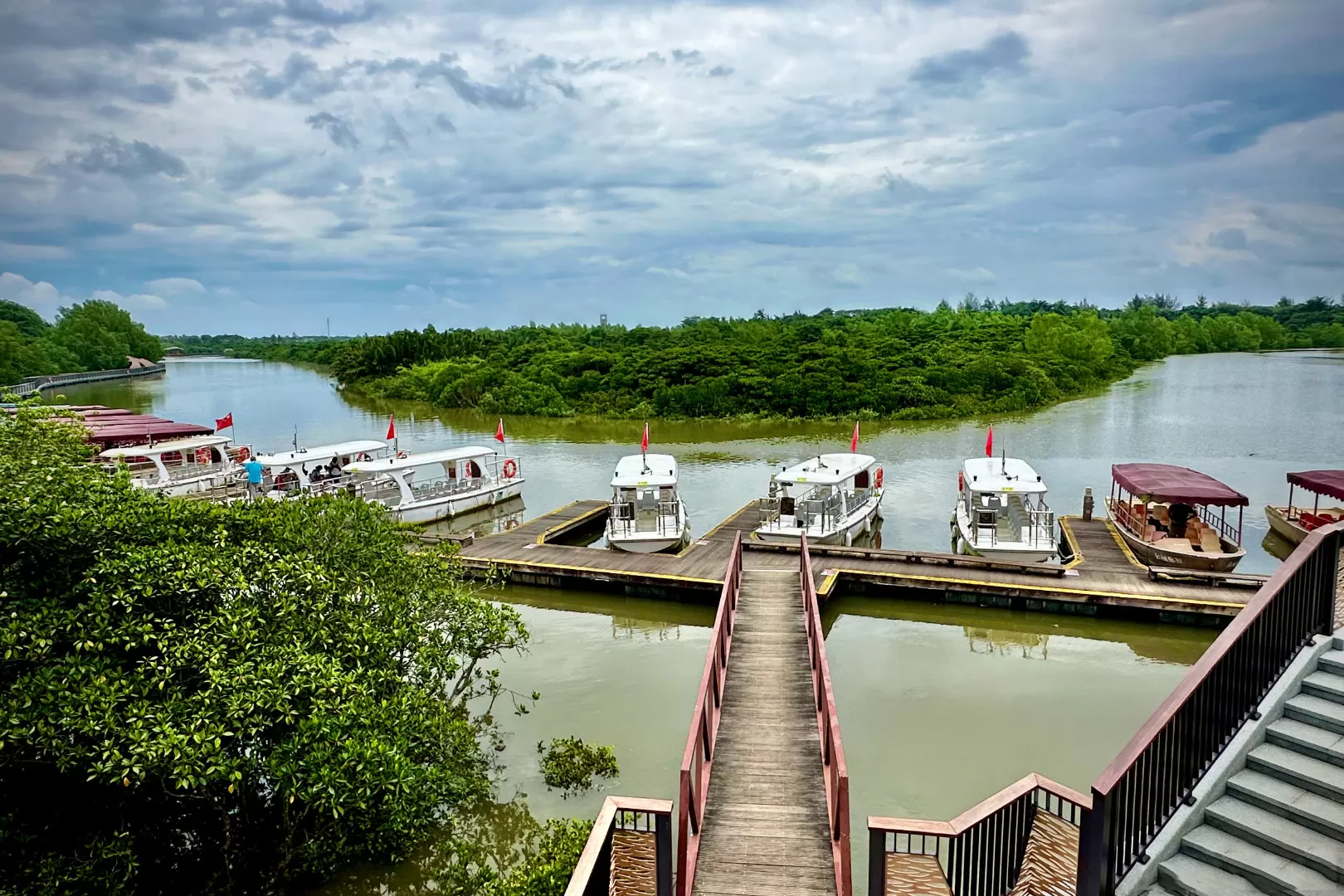
Modern marinas demand stable, non-slip floating docks and access walkways. Floating bridges act as primary gangways, connecting main shore facilities to offshore berths while accommodating tidal shifts automatically.
Commercial Waterfront Walkways and Tourism
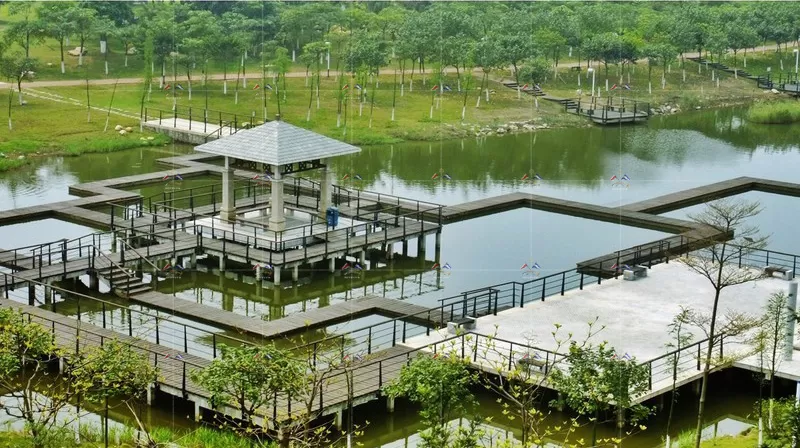
Scenic lakes and riverfront districts use floating walkways to draw foot traffic. These bridges feature composite decking, integrated LED lighting, and safety railings, transforming open water into vibrant commercial assets.
Resort Water Infrastructure and Over-Water Access
Luxury island resorts and over-water villas rely on floating pontoon bridges to link facilities without disrupting marine ecosystems. Fast assembly and low environmental impact make floating solutions the preferred choice for eco-tourism infrastructure.
Frequently Asked Questions (FAQ)
Q1: Why is a turnkey approach better than sourcing components separately?
A1: Sourcing parts from different vendors creates compatibility issues, delayed schedules, and unclear liability when structural faults happen. A turnkey solution ensures one manufacturer manages design, production, and installation guidance, guaranteeing systemic performance and clear accountability.
Q2: How long does a manufactured floating bridge last in saltwater environments?
A2: High-grade marine bridges built with marine-grade aluminum, heavy-duty PE floats, or rotomolded pontoons routinely achieve service lives of 25 to 50 years. Proper cathodic protection and anodized finishes prevent corrosion even in harsh marine waters.
Q3: What happens when the manufacturer supplies floating bridges for high-wave areas?
A3: For high-wave exposure, engineers design specialized wave attenuators or heavy concrete pontoons. These structures absorb and dissipate wave energy before it reaches main floating walkways, ensuring stability and safety for users.
Q4: How are floating bridges anchored to the seabed or riverbank?
A4: Anchoring systems depend on water depth, soil composition, and tidal range. Common methods include driven steel piles, elastic mooring cables, anchor chains with concrete sinkers, or rigid guide piles attached to shore abutments.
Q5: Can Defever assist with local installation and engineering permits?
A5: Yes. Defever provides comprehensive technical documentation, structural calculations, and hydrographic modeling required for local permit approvals. We also dispatch senior engineers on-site to direct local assembly, anchoring, and final load testing.
Partner with a Direct Manufacturer for Your Next Project
Developing a successful waterfront asset requires structural integrity, refined design, and financial precision. When the manufacturer supplies floating bridges through a complete turnkey model, developers secure peace of mind alongside superior engineering.
Defever brings nearly three decades of marine innovation, industry-standard leadership, and complete manufacturing capability to your project. Protect your investment with infrastructure designed to endure.
Are you planning a commercial waterfront development, marina expansion, or eco-resort? Contact Defever’s technical engineering team today to request technical drawings, discuss custom engineering specifications, or receive a detailed project estimate.