2026-10-15
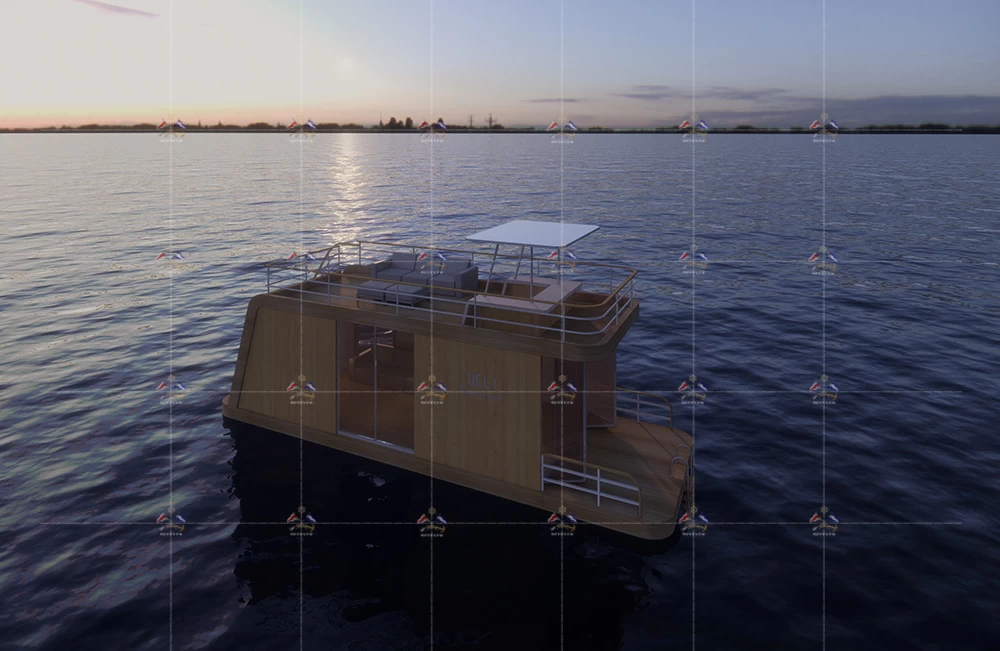
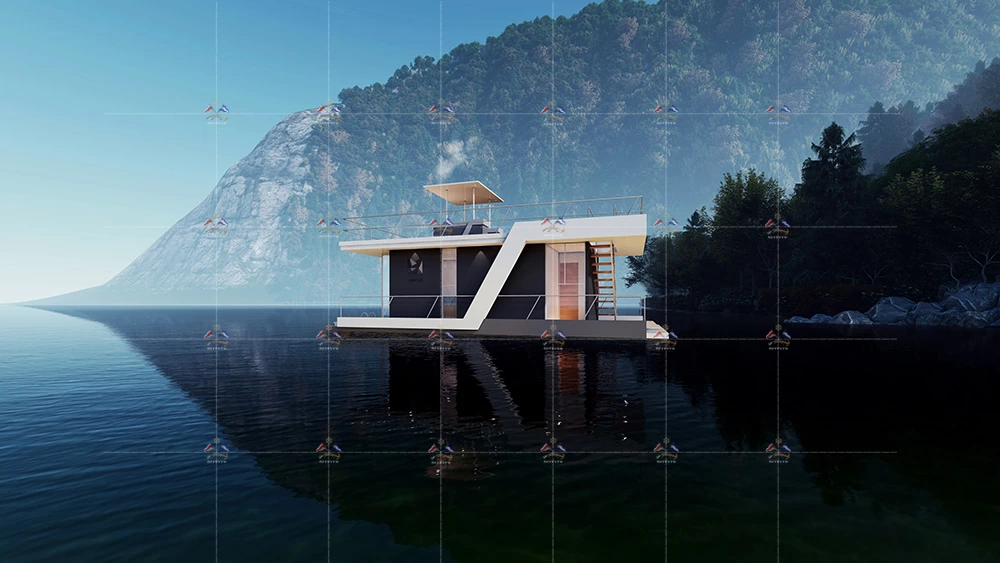
Developing marine facilities requires a strict understanding of fluid dynamics, material chemistry, and structural framing. Selecting an experienced boat house manufacturer requires evaluating structural integrity under multi-directional hydrodynamic forces. Waterfront developments, commercial marinas, and private yacht clubs demand boathouse structures that accommodate tidal shifts, wind shear, and wave action without compromising functional space or structural integrity. Modern floating boathouses act as enclosed marine superstructures, housing valuable assets while subject to relentless environmental stresses.
Engineered marine systems offered by DeFever demonstrate how precise metallurgical selection, exact buoyancy calculations, and specialized anchoring solutions yield structures capable of decades of service in harsh saltwater and freshwater conditions. Achieving this level of longevity depends on moving beyond standard building techniques toward marine-specific structural engineering.
Hydrostatic Mechanics and Structural Material Selection
The primary load-bearing foundation of any floating structure rests on its buoyancy system and sub-frame architecture. Unlike stationary land-based buildings, a floating boathouse must continuously balance dead loads—such as structural framing, roofing, walls, and internal hoist equipment—with dynamic live loads, including variable water displacement, wind pressure, and personnel movements.
Marine-Grade Aluminum vs. Fabricated Structural Steel
Choosing the correct structural frame material directly dictates structural lifespan and maintenance schedules. Floating frame fabrications generally rely on either marine-grade structural aluminum alloys or hot-dip galvanized structural steel.
Marine-Grade Aluminum Alloys (6061-T6 & 5086-H116): Structural aluminum offers an exceptionally high strength-to-weight ratio alongside natural resistance to oxidation. Alloy 6061-T6 is routinely chosen for extruded structural truss frames due to its high yield strength, while 5086-H116 plate aluminum is utilized in welded components directly exposed to continuous saltwater immersion. Aluminum framing significantly reduces overall dead weight, allowing higher reserve buoyancy margins without compromising structural stiffness.
Hot-Dip Galvanized Structural Steel (ASTM A123): Structural steel provides extreme rigidity and mass, which can assist in lowering the overall center of gravity in multi-story boathouses. However, steel fabrications require hot-dip galvanizing to ASTM A123 standards, ensuring a minimum zinc coating thickness to prevent oxidation. Steel frameworks demand routine inspection of welded nodes and sacrificial anode replacement to maintain structural integrity in high-salinity zones.
Buoyancy Calculations and Pontoon Integration
A specialized boat house manufacturer will specify extruded aluminum or high-density polyethylene (HDPE) pontoon configurations tailored to precise structural weight distribution. Hydrostatic stability relies on calculating the initial metacentric height (GM) to prevent excessive heel angles when heavy machinery or localized personnel loads shift across the deck.
Pontoon buoyancy shells are engineered to exceed total displacement requirements by a substantial safety factor. standard engineering practice calls for a minimum 100% reserve buoyancy margin above the total calculated dead load. Pontoon interiors are partitioned into individual sealed bulkheads or filled with closed-cell expanded polystyrene (EPS) foam. Closed-cell EPS foam prevents water ingress even in the event of an outer shell puncture, maintaining buoyancy across decades of immersion.
Hydrodynamic Load Adaptation and Anchoring Dynamics
Floating structures must absorb and dissipate dynamic energy from multiple directions simultaneously. Wind loads acting against high vertical wall profiles create substantial overturning moments, while tidal movements and surface waves exert cyclical shear forces against the submerged pontoons and anchor points.
Wave Energy Attenuation and Hydrodynamics
High wave heights can cause structural fatigue if the boathouse frame is overly rigid, or excessive structural deflection if the frame lacks adequate bracing. To mitigate these forces, advanced pontoon geometries are engineered with contoured bow profiles or integrated wave-attenuating baffles beneath the main deck assembly. These design features break dynamic wave energy before it impacts the primary floating structure, reducing lateral displacement and minimizing structural stress on frame joints.
Pile Guide Integration and Flexible Mooring Systems
Selecting an appropriate anchoring methodology depends on bathymetric profiling, soil composition, water depth variance, and maximum expected storm surges. The structural connection between the floating structure and its anchor points must allow vertical displacement while restricting lateral movement.
Internal and External Pile Guides: Heavy-duty steel or aluminum pile rings lined with Ultra-High-Molecular-Weight Polyethylene (UHMWPE) wear pads ride smoothly up and down vertical timber, steel, or concrete piles. UHMWPE liners reduce friction, eliminate metal-on-metal binding, and lower maintenance needs.
Heavy-Duty Seawall Stiff Legs: In deep-water applications where driven piles are structurally or economically impractical, stiff-leg assemblies pinned to landward foundations provide rigid lateral support while pivoting smoothly along a vertical arc.
Elastic Cable and Chain Systems: Self-tensioning elastic mooring systems maintain consistent tension during extreme tidal swings. These systems absorb shock loads caused by sudden wave surges, preventing sudden load spikes on structural attachment points.
Utility Routing and Environmental Compliance
Modern commercial boathouses function as fully equipped waterfront utility hubs. Integrating electrical distribution, fresh water lines, fire suppression systems, and waste pump-out lines into a moving floating platform requires specialized engineering to prevent line failure caused by continuous motion.
Sub-Deck Utility Chase Enclosures and Articulated Joints
Routing utilities through dedicated sub-deck chases protects plumbing and electrical conduits from environmental degradation and physical impact. Where utility lines transition from fixed shore infrastructure to the floating boathouse, flexible articulated joints, high-flex marine power cables, and multi-axis swivel couplings are required. These dynamic linkages accommodate continuous tidal motion, heave, pitch, and roll without creating fatigue cracks or joint separations.
Eco-Conscious Encapsulated Floatation Systems
Environmental regulations governing inland lakes, estuaries, and coastal waters strictly restrict the exposure of unencapsulated polystyrene foam to open water. Modern manufacturing standards require all foam cores to be fully encapsulated within heavy-duty, UV-stabilized rotational-molded polyethylene shells or welded aluminum pontoons. This encapsulation prevents microplastic degradation, resists chemical damage from fuel spills, and satisfies stringent environmental compliance standards across marine reserves.
Criteria for Partnering with an Engineered Boat House Manufacturer
Executing a successful waterfront development project relies heavily on the technical capabilities and manufacturing rigor of the chosen production partner. When coordinating with a specialized boat house manufacturer such as DeFever, engineering teams focus on comprehensive structural modeling, rigorous material testing, and modular fabrication logistics.
Structural Analysis and 3D Finite Element Modeling
Prior to physical fabrication, structural engineering teams perform full 3D Finite Element Analysis (FEA) to simulate localized structural stresses under peak load conditions. FEA modeling identifies stress concentration points across welded aluminum trusses, roof rafter connections, and pile guide brackets under combined wind, snow, and wave loading scenarios. This computational analysis allows engineers to refine structural profiles, reinforce high-stress nodes, and optimize overall structural weight before raw materials enter production.
The engineering specialists at DeFever utilize advanced 3D finite element analysis to ensure every custom superstructure meets or exceeds local building code requirements, high-velocity hurricane zone (HVHZ) parameters, and marine safety regulations.
Factory Acceptance Protocols and Fabrication Testing
Working alongside an established boat house manufacturer guarantees continuous quality oversight throughout the production cycle. Modular off-site pre-fabrication provides a controlled manufacturing environment where precision welding, non-destructive weld testing, coating thickness verification, and pontoon leak testing occur under standardized protocols.
Non-Destructive Weld Examination: Structural welds on primary aluminum frames and pontoon shells undergo dye-penetrant or ultrasonic testing to verify complete joint penetration and eliminate subsurface porosity.
Hydrostatic Pressure Testing: Welded pontoon chambers are pressure-tested using low-pressure air immersion checks to guarantee absolute watertight integrity prior to foam encapsulation or final frame assembly.
Modular Pre-Assembly Fit-Up: Pre-assembling major structural trusses and deck modules within the factory floor minimizes field modification needs, ensuring rapid, precise assembly upon delivery to the marine site.
Frequently Asked Questions Regarding Boathouse Engineering
1. How do floating boathouses adapt to severe water level fluctuations compared to fixed-pile structures?
Floating boathouses maintain a constant freeboard height relative to the water surface because the entire structure floats on engineered pontoon assemblies. As water levels rise or fall due to seasonal tides, reservoir management, or storm surges, the boathouse moves vertically along pile guides or dynamic mooring lines, ensuring that boat slips, lifts, and walkways remain functional without underwater submersion.
2. What live load capacities are standard for commercial floating boathouse decks?
Standard design specifications typically accommodate dynamic live loads ranging from 2.5 kPa (approximately 50 lbs/sq.ft) for light commercial pedestrian access up to 4.8 kPa (100+ lbs/sq.ft) for heavy-duty commercial facilities, storage areas, or multi-level enclosed structures. Specific load requirements are adjusted based on structural use, localized snow accumulation factors, and integrated overhead boat hoist capacities.
3. How is galvanic corrosion prevented between dissimilar metals in marine framing?
Galvanic corrosion occurs when dissimilar metals—such as stainless steel fasteners and aluminum framing—come into contact in an electrolyte solution like saltwater. Manufacturers prevent this by utilizing non-conductive isolation barriers, including neoprene washers, nylon bushings, and specialized isolation coatings. Sacrificial zinc or aluminum anodes are mounted directly to submerged metallic structures to protect primary frame members.
4. Can enclosed floating boathouses withstand high wind speeds and hurricane conditions?
When custom engineered with reinforced structural framing, wind-load-rated cladding, and properly dimensioned anchoring systems, floating boathouses can withstand severe wind events exceeding 140 mph (225 km/h). Engineering teams calculate wind shear on exterior wall faces and design pile guide assemblies or anchoring cables to transfer these extreme lateral forces directly into the seabed foundation.
5. What structural considerations are involved when integrating internal boat hoists into a floating structure?
Integrating overhead boat hoists transfers substantial dynamic lifting loads onto the boathouse roof framing and lower support columns. When consulting a boat house manufacturer for deep-water installations, structural engineers calculate these concentrated point loads and incorporate reinforced overhead crane beams, diagonal knee bracing, and localized pontoon displacement adjustments to prevent structural racking or uneven listing during vessel lifting operations.
Custom Project Consultation and Engineering Support
Developing marine infrastructure demands precise engineering custom-fit to local environmental conditions, hydrodynamic factors, and operational objectives. Whether designing a high-capacity commercial vessel storage facility or a private deep-water enclosure, direct consultation with marine engineering specialists ensures long-term operational success.
To request technical documentation, custom structural drawings, or an initial project feasibility evaluation, contact our project division to consult directly with a dedicated boat house manufacturer. Reach out via email at deli@delidocks.com with your project coordinates and structural requirements, and our engineering team will provide a comprehensive evaluation tailored to your development parameters.