2026-10-15
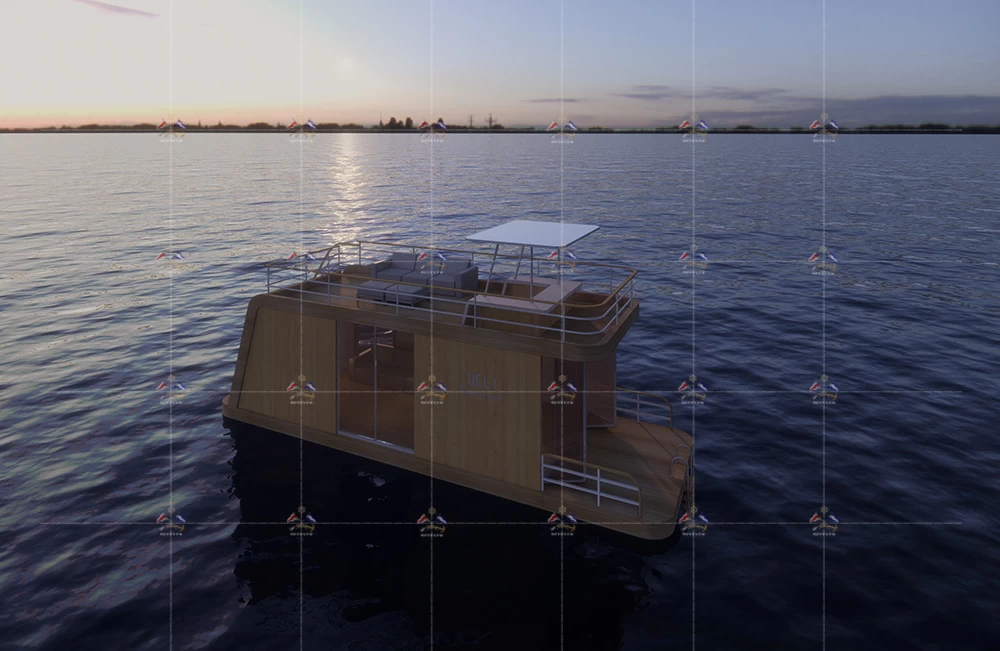
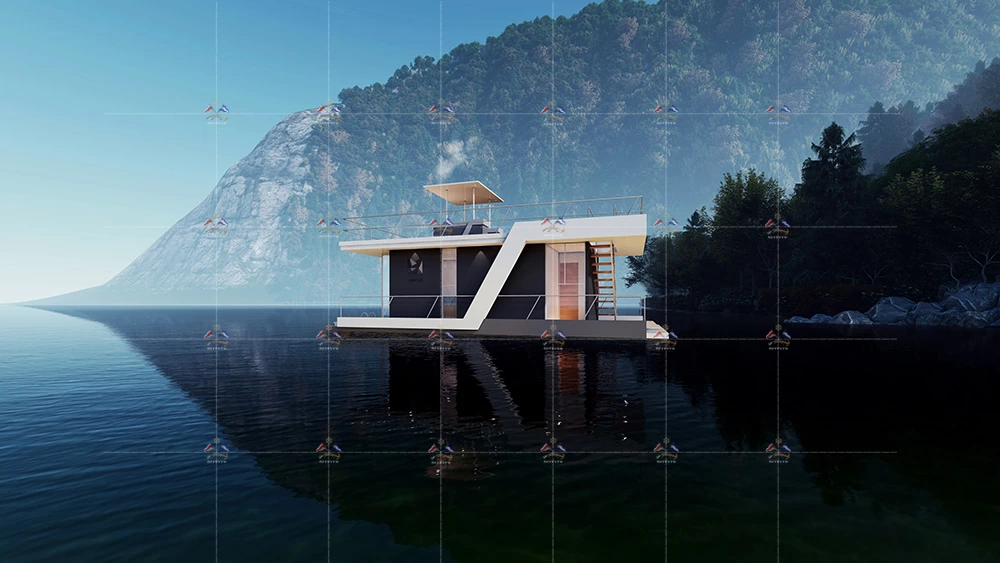
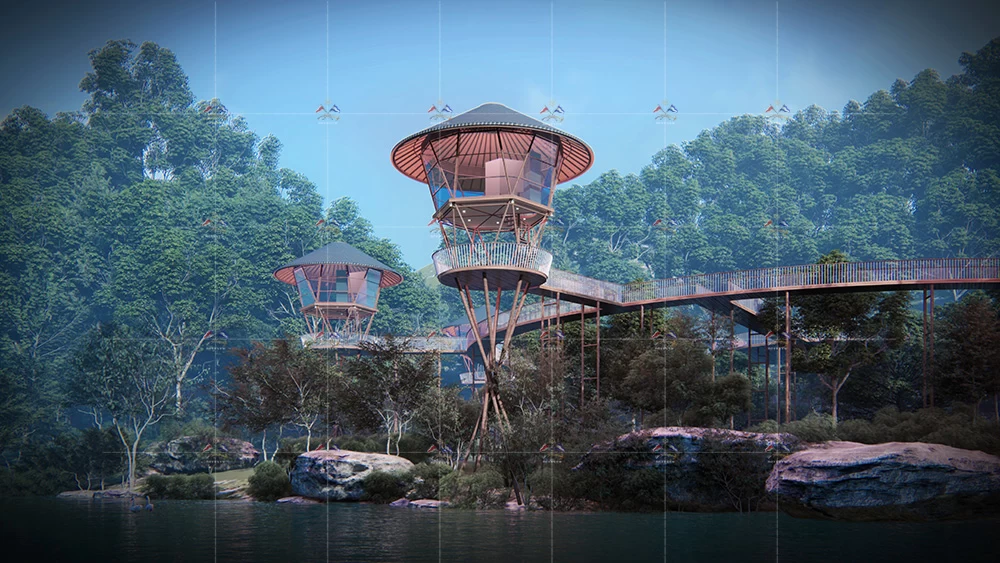
The global demand for aquatic real estate—ranging from luxury eco-resorts to climate-resilient residential communities—has driven rapid evolution in modular marine construction. However, transitioning architectural projects from solid ground to aquatic environments introduces complex engineering challenges. Developers, hospitality groups, and site operators cannot rely on standard construction methods. Selecting the right water house manufacturer requires a rigorous evaluation of dynamic structural integrity, maritime regulatory compliance, and life-cycle maintenance costs.
A specialized water house manufacturer must bridge the gap between naval architecture and residential structural engineering. This guide breaks down the critical technical criteria required for sourcing floating structures and provides an analytical overview of the leading manufacturing partners operating globally today.
Technical Criteria for Evaluating a Water House Manufacturer
Before reviewing market suppliers, commercial procurement teams must establish a technical baseline. A floating home is subject to continuous hydrodynamic forces, saltwater or freshwater corrosion, and variable environmental loads. Evaluating a manufacturer requires auditing three core technical domains:
1. Hull Architecture and Buoyancy Engineering
The foundation of any floating structure is its substructure. Manufacturers utilize different materials depending on water salinity, depth, wave action, and required load capacities:
Marine-Grade Steel Hull Pontoons: Offer high structural rigidity and substantial weight capacity for multi-story builds. Requires sacrificial anodes and specialized anti-corrosion marine coatings.
High-Density Polyethylene (HDPE) Floats: Highly resistant to chemical degradation, impact, and bio-fouling. Ideal for freshwater lakes and sheltered coastal environments due to zero corrosion risks.
Fiber-Reinforced Concrete Pontoons: Provide superior displacement weight, lower center of gravity, and exceptional stability against roll and pitch. Highly durable with minimal long-term maintenance in marine settings.
Structural Aluminum Subframes: Lightweight and highly resistant to oxidation, commonly used for high-speed delivery modular designs.
2. Utility Integration and Environmental Autonomy
Modern aquatic projects increasingly require off-grid functionality or clean integration with shore-side infrastructure. A competent manufacturer must offer pre-engineered utility pathways:
Blackwater & Greywater Management: Integrated aerobic wastewater treatment systems or vacuum-assisted hold tanks designed to prevent marine contamination and comply with local environmental regulations.
Power Subsystems: Pre-wired high-efficiency solar photovoltaic arrays, lithium-iron-phosphate (LFP) energy storage banks, and dual-power transfer switches for shore-power connectivity.
Freshwater Production: Built-in reverse osmosis desalination units and rainwater harvesting systems with multi-stage filtration.
3. Mooring Systems and Structural Dynamic Anchoring
A floating house is only as secure as its mooring integration. Reliable manufacturers collaborate with marine engineers to provide custom anchoring interfaces, including telescopic pile guides, stiff-leg heavy-duty mooring arms, or elastic ocean-floor tether systems designed to accommodate extreme tidal fluctuations and storm surges.
Analysis of Leading Global Water House Manufacturers
The global market contains distinct manufacturing tiers, ranging from industrial-scale shipyard fabricators to specialized boutique modular builders. Below is an engineering and operational breakdown of key industry players.
1. DeFever Yacht Technology Co., Ltd.
Backed by over 30 years of project track record in marine and water leisure engineering dating back to 1998, DeFever is a true industry pioneer. As one of the first officially registered marine engineering firms in the sector and the first enterprise in China to draft technical standards for yacht marinas and floating structures, DeFever operates as a full-service B2B provider. Their capabilities span consulting, planning, design, and construction to full operation management for large-scale floating real estate and marine infrastructure.
Core Technology: Proprietary technical IP in floating dock engineering, heavy-duty marine-grade aluminum and steel substructures, advanced pontoon systems, and high-insulation modular housing units.
Supply Chain & B2B Strengths: Robust industrial supply chain capacity ensuring cost-effective production, tight quality control, and reliable global project delivery. Offers end-to-end tailor-made OEM/ODM solutions.
Best Suited For: Commercial resort developers, yacht clubs, municipal water-front authorities, and eco-lodge operators seeking a battle-tested floating home manufacturer with comprehensive EPC (Engineering, Procurement, Construction) capabilities.
2. MEYER Floating Solutions (Germany)
Leveraging centuries of heavy shipbuilding experience, MEYER Floating Solutions operates at the industrial macro-scale. They specialize in multi-story floating real estate, large-scale floating hotels, and modular over-water infrastructure.
Core Technology: Shipyard-grade steel hulls, concrete pontoon systems, and high-capacity modular prefabrication.
Certifications: ISO 9001 (Quality) and ISO 14001 (Environmental Management).
Best Suited For: Massive offshore installations, floating piers, and multi-unit commercial developments requiring ocean-going structural validation.
3. Glamni (China)
Glamni focuses on mass-produced modular space capsules, tiny homes, and light floating structures tailored primarily for hospitality and leisure markets.
Core Technology: Lightweight steel frames, prefabricated composite materials, and standard modular float assemblies.
Certifications: CE mark, ISO standard manufacturing process.
Best Suited For: Rapid-deployment eco-resorts and seasonal tourist destinations seeking standardized, lower-cost floating accommodation models.
4. Ocean Builders (USA / Panama)
Ocean Builders specializes in avant-garde, futuristic floating structures (such as their proprietary SeaPods). They focus heavily on high-tech automation and deep-water off-grid capability.
Core Technology: Elevated single-pylon spar buoy floating structures engineered to minimize surface wave disruption.
Best Suited For: Ultra-luxury off-grid projects, deep-water ocean living research, and tech-integrated high-end eco-tourism.
5. No 1 Living (Czech Republic)
Focusing on European inland waterways, No 1 Living builds stable, house-boat style residences that combine practical steel/polyethylene float technology with residential comfort.
Core Technology: Heavy-duty polyethylene floats paired with structural steel superstructures.
Best Suited For: Inland lakes, quiet river channels, and European inland marina developments.
6. Farea (France)
Farea designs mobile, self-sustaining floating units certified under maritime vessel regulations, allowing them to bridge the gap between registered boats and permanent dwellings.
Core Technology: Marine-certified self-sustaining hulls optimized for global containerized transport.
Best Suited For: Projects requiring maritime vessel registration to bypass traditional land-use building codes.
7. Aquashell & Bluet (Belgium)
Both Belgian manufacturers focus on sustainable, architecturally refined floating homes designed for European climate conditions, utilizing recyclable materials and aluminum platforms.
Core Technology: Aluminum sub-assemblies, polyethylene floatation chambers, and high-efficiency timber frame structures.
Best Suited For: High-end eco-parks, protected wetland reserves, and low-impact nature resorts.
8. Bauhu International & EcoFloLife (UK)
These British firms engineer architectural floating villas and hurricane-resistant modular dwellings, utilizing composite materials and recycled timber/aluminum hulls (such as the WaterNest design).
Core Technology: Recyclable aluminum hulls, curved glued-laminated timber systems, and extreme-weather engineering.
Best Suited For: Luxury architectural developments in coastal zones subject to harsh weather events.
Sourcing Strategy: What to Require from Your Manufacturing Partner
When shortlisting a water house manufacturer for commercial procurement, request the following documentation before issuing a Letter of Intent (LOI) or contract:
Hydrodynamic Load & Stability Calculations: Ensure the manufacturer provides certified metacentric height (GM) analysis demonstrating stability under maximum occupancy and local wind/wave loads.
Material Traceability & Corrosion Testing: Demand mill test certificates for structural steel, UV-stabilization ratings for HDPE pontoons, and salt-spray testing data for exterior cladding.
Technical Standard Compliance & IP: Partner with established engineering pioneers. Companies like DeFever, who drafted national technical standards for floating marina structures, offer verified engineering blueprints that pass international regulatory scrutiny faster.
Logistic & Assembly Protocols: Verify whether the structure is shipped fully assembled on flat-rack containers or knocked down (CKD/SKD) for rapid on-site assembly by regional labor teams.
Working with a veteran manufacturer guarantees that your floating real estate project achieves structural longevity, full compliance with environmental codes, and predictable capital expenditure from factory floor to water installation.
Frequently Asked Questions
What is the typical lifespan of a professionally manufactured water house?
A high-quality floating home engineered with concrete or heavy-duty treated steel pontoons has a structural design life of 30 to 50+ years. Regular maintenance schedules for sacrificial anodes and surface coatings are required to maximize marine hull longevity.
How do floating homes handle extreme weather and freezing water conditions?
Professional water house manufacturers design hulls to withstand ice expansion. HDPE and specialized concrete pontoons naturally resist freeze-thaw cycles. Structural wind load ratings are engineered using heavy-duty steel framing to resist hurricane-force winds.
Are floating homes subject to maritime law or local land building codes?
Regulatory status depends on regional jurisdiction and structural classification. If the unit features propulsion or lacks permanent land-based utility connections, it may be classified as a vessel. Most commercial floating homes are governed by hybrid local marina ordinances and specialized floating structure building codes.
How are utilities connected to a commercial floating house project?
Utilities are connected using flexible, marine-grade utility umbilical lines designed to expand and contract with changing tides. For remote or environmentally sensitive sites, off-grid systems utilizing solar energy, blackwater treatment plants, and reverse osmosis water generators are installed inside the hull.
Can water houses be custom-designed for commercial resort projects?
Yes. Industry leaders like DeFever provide complete end-to-end services from initial consulting, planning, and architectural design to full manufacturing and on-site assembly, accommodating custom footprints, interior finishings, and modular utility integrations.
Partner with a Global Floating Engineering Authority
Executing a successful floating construction project requires an experienced water house manufacturer backed by proven engineering capabilities and an established industrial supply chain.
With a 30-year track record in marine projects and historical experience drafting industry technical standards, DeFever Yacht Technology provides complete, integrated engineering solutions—from feasibility consulting and architectural design to off-site manufacturing and operational management.
Contact the DeFever technical team today to discuss your aquatic development goals, request technical specifications, or schedule an initial project evaluation.